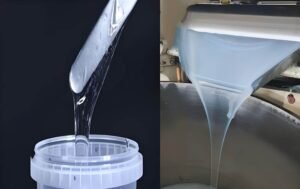
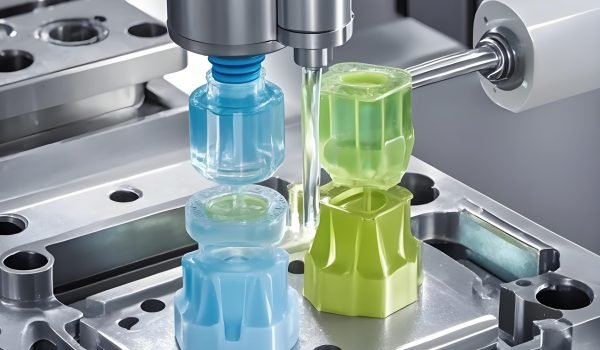
Are you looking for plastic parts with lower pricing and faster lead times compared to mass-produced items? Short run injection molding might be your answer. It is a specialized process for projects that require smaller production runs, which saves you costs and time, allowing you to get the product to market faster.
This guide will take you through this process, the advantages and disadvantages, and after reviewing this, you will be able to assess whether short run injection molding is applicable to your next project.
What Is Short Run Injection Molding?
Short run injection molding, or low volume injection molding, is a specialized manufacturing process for producing small quantities of plastic parts – typically, less than 10,000 pieces. Unlike traditional molding, which is better for mass production, this method is optimized for speed, flexibility, and price for projects that require a smaller quantity.
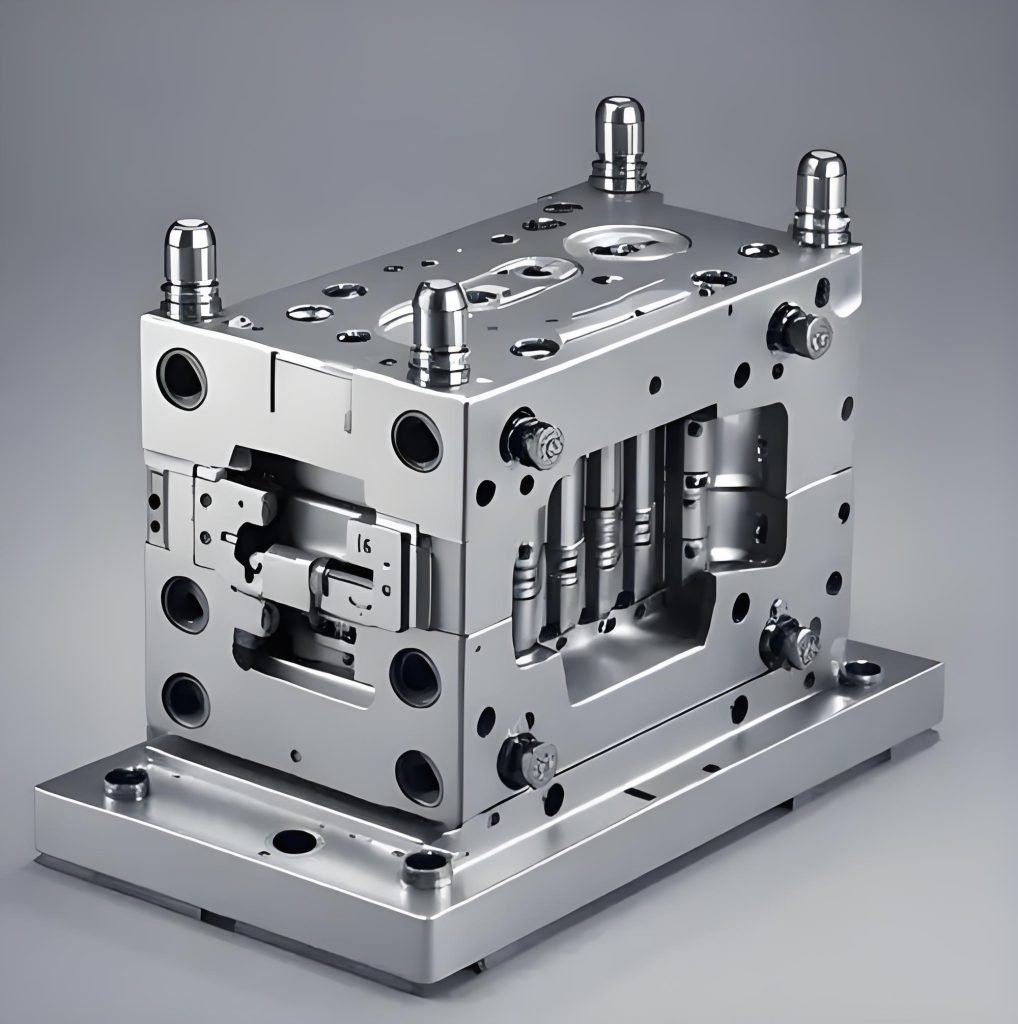
This process uses affordable aluminum molds instead of steel molds, and they often take less time to produce. Although aluminum molds have a shorter lifespan, they are an excellent option for small runs. This approach also circumvents the high expense, long lead time, and undesirable qualities associated with traditional manufacturing and is therefore an excellent option for efficiently producing high-quality small runs.
Step-by-Step Process Overview
The process is fast and effective, with several steps to take to get your parts produced:
Design & Prototyping
First, you’ll need a CAD design that is optimized for molding, with uniform wall thickness, proper draft angles, etc. You could make a rapid prototype with SLA (stereolithography) or 3D printing to verify fit and function before you make the cut on the mold, thus allowing you to avoid errors in design early on and save time and money.
Tooling Build
The mold is the heart of the molding cycle. For short runs, the mold is typically made from aluminum, machined to the required design with a lead time of 1-2 weeks, as opposed to steel molds that can take several months. Molds can last anywhere from 5,000 shots to over 20,000. In most cases, a reusable “unit-frame” system reduces costs even further.
Mold Trial & Process Window
Once ready, the mold is set on a small press. Technicians run tests, called a Design of Experiments (DOE), to find the best settings. They then create T1 or T2 samples for your approval, after which production can begin.
Production Run
The run size is based on your needs. The process is often simpler and more manual than high-volume runs. An operator might hand-pick parts from the machine. The goal is to balance your desired run size with the machine’s hourly rate to keep costs low.
Quality Control
Even for small runs, quality is key. A common method is ISO 2859-1 Level-II sampling to check a percentage of parts. The first parts may undergo a CMM inspection for accuracy. Simple check jigs can be used during the run for consistency.
Key Benefits of Short Run Injection Molding
There are many reasons why short run plastic injection molding is a popular choice for businesses. It offers a lot of advantages, especially for small projects or new products.
Speed-to-Market
Speed is one of the greatest benefits. The time needed to get aluminum tools made can be as little as 1 to 3 weeks, and that’s considerably faster than steel molds, which can take months. Much faster turnaround time allows you to launch your product, start a clinical trial, or develop a new market – ahead of your competitors. It might be the difference between a market leader and a late follower.
Lower Up-Front Investment
The upfront cost of short run tool is much less than that of a full production tool. Therefore, short run plastic molding is a great option for those working on tight budgets, conducting a crowdfunding campaign, or testing the market. It allows you to get the parts you need for less capital risk, which allows you to validate your product value before committing to a larger investment.
Design Flexibility Late in Cycle
Making design changes with a traditional mold can be a costly, time-consuming nightmare. However, after making engineering changes, an aluminum tool can often be re-machined for small scale injection molding the next day, and the flexibility is a great advantage when refining or modifying a product based on user feedback is needed.
Bridge Production Without Capital Risk
Short run plastic injection molding is perfect for “bridge production.” You can start out with a small product load, and if demand suddenly spikes, you can move to a high volume tool with ease. This way, you can test market adoption and estimated demand without the risk of heavily investing in a tool that may not be needed. It is an intelligent way to scale production with little risk.
Material & Color Variety
A small run doesn’t mean compromising on material. You can utilize the same material thermoplastics that are used with mass production – like PP, ABS, and PC – to obtain accurate data for real-world performance, especially for testing. It is also easy to switch colors for different production runs with the same aluminum mold, and therefore, it provides flexibility.
Challenges of Short Run Injection Molding
There are many advantages to short run plastic molding, but there are also potential disadvantages, and understanding them will help you better plan your project.
Higher Unit Cost at Higher Volumes
Even though the tooling costs are low, the cost per part may be higher due to a smaller quantity for amortization. Depending on the parts, there may also be more manual labor involved. So, once project demand exceeds, the cost per part can add up, and a traditional tool will be a more economical investment.
Limited Tool Life
Softer aluminum molds do not offer the longevity that hardened steel does. With aluminum, there will usually be more wear, especially if abrasive materials such as glass-filled resins are used. If your project has a high shot count (more than 20,000) or you plan on using tough materials, then a hardened steel tool will likely be a better and more durable option in the long run.
Manual Operations & Tight Tolerances
Many short run molds use hand-loaded cores to save on tooling costs. It often adds to cycle time and can cause minor variation from part to part. Tolerances of ±0.1 mm are possible, but it requires additional quality checks on each run to achieve this. If tolerances are tighter, you may need to consider a more robust automated solution.
Considerations for Short Run Injection Molding Cost
Understanding the cost of your project is key. Several factors play a role in the total short run injection molding cost, and knowing what they are will help you budget effectively.
Mold Design and Material
The complexity and material type of the mold are very important elements in the cost. Aluminum molds are fast and economical, but aren’t designed for lasting durability. A higher-grade steel mold is more expensive but will last longer in production. More complexity, with more features, will increase both the time and price of the tool.
Part Design
The part design itself can also influence the cost. Complex parts with undercuts, very thin walls, or complex internal details are going to need more sophisticated molds and take longer to produce. This can increase the overall short run injection molding cost. A simpler design is generally more economical.
Quantity
The number of parts you need will also affect your price. Short run injection molds demonstrate the huge savings on upfront costs the process affords you; however, ordering a small amount of parts can negate those savings, with an increased price per unit. It is important to balance the number of parts needed and the price per unit.
Material Selection
The type of plastic used for your parts impacts the cost as well. Standard materials are typically less expensive. However, certain engineering-grade materials or colored materials will cost additional funds. Be sure to find a material that will meet your requirements while not costing more than necessary.
Secondary Operations
Sometimes, your parts will need additional work after coming out of the mold. Finishing, assembly, and special packaging – these steps can increase the short run injection molding cost. Be sure to factor these steps into your budget.
Applications Benefiting from Short Run Molding
Short run plastic molding is a versatile tool used across many industries. Here are some of the most common applications.
Medical Device Trials
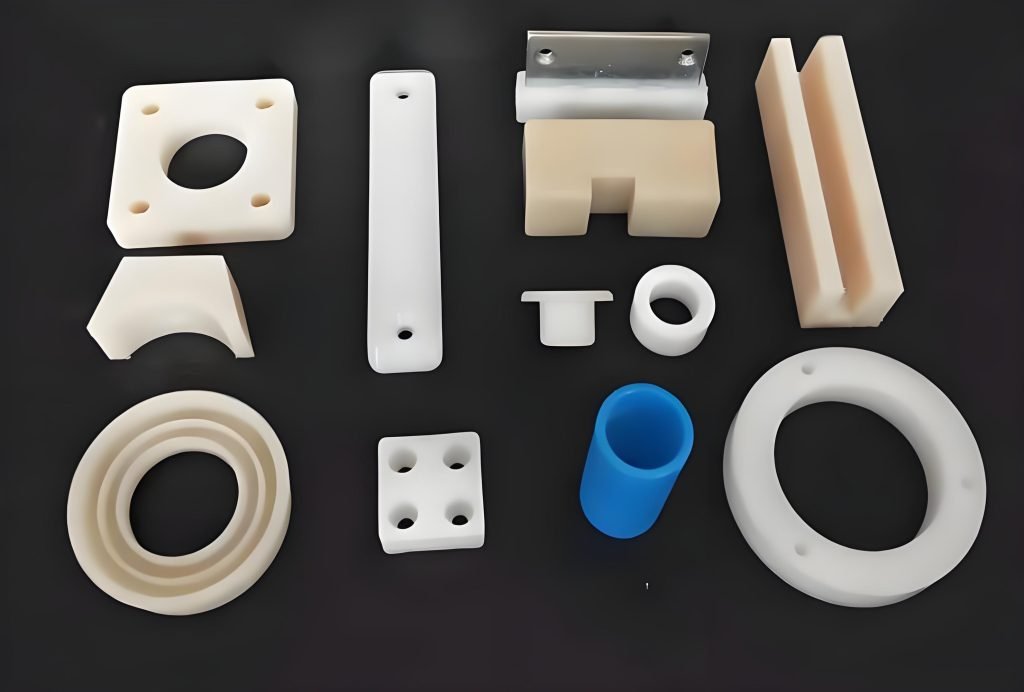
Most medical devices often need a small number of production-grade parts for clinical trials and regulatory validation, such as FDA or ISO13485. Injection molding short run is great for making such samll batch quantities quickly and with the right material, which is ideal for these applications.
Aerospace Interior Retrofits
When an airline needs to replace or upgrade parts of an aircraft interior, the volumes are typically low. Things like seat bezels or light lenses can be made using low volume injection molding, and you can even use materials that meet strict fire ratings.
Automotive Aftermarket & Electric Vehicle Conversion Kits
The aftermarket and EV conversion industry requires small quantities of custom parts like dash pods or battery brackets. Low volume injection molding is an ideal solution for these niche products because it allows manufacturers to make a small batch without needing a large upfront commitment.
Industrial Robotics End-of-Arm Tooling
In robotics, the “end-of-arm tooling” often needs to be customized for a specific task. When a product changes, the gripper fingers might need to change too. Short run plastic molding allows for a quick and cost-effective way to produce these custom parts on demand.
Consumer Electronics Limited Editions
Limited edition consumer electronics, special influencer drops, or branded housings for a specific event are all great uses for small scale injection molding. It allows you to produce a small, exclusive batch of products and even change colors easily using the same tool.
Short Run Injection Molding vs. Traditional Injection Molding
Let’s now examine short run injection molding in relation to traditional molding – it always makes sense to see how it compares with its counterpart, so you can make an informed decision on what option best fits your project.
Scale of Production
The most obvious difference is the scale. Small scale injection molding is ideal for small batches, generally for a few hundred to a few thousand parts. Traditional injection molding is for large scale production, generally for tens of thousands or millions of parts.
Tool Cost & Lead Time
This is where short run really shines. An aluminum tool can turn around in a few weeks, while a traditional hardened steel tool can take several months from the time the tooling order is placed until it arrives. The initial price for an short run tool is very low, which caters well to projects that do not have a high financial budget.
Per-Unit Cost
The price per part is higher with injection molding short run. This is because the tooling cost is spread over a smaller number of parts. Traditional molding, with its economies of scale, can produce very simple parts at an extremely low price per unit, but requires a large initial investment.
Design Change Flexibility
Short run molding offers incredible flexibility. A design change can often be made overnight. With a traditional steel tool, any change is a big, costly deal involving welding the steel, which can cause significant delays.
Tolerance & Surface Finish
Both techniques can obtain a high-quality surface finish. However, a traditional tool would generally provide more consistency from one part to the next, especially with multi-cavity molds. If you need short run, you’ll need quality control that every part is going to be as consistent as can be.
Conclusion
Short run plastic injection molding can be an excellent tool for getting your product to market faster and with less risk. It creates a significant reduction in your upfront costs, as well as the time to receive actual high quality parts. It’s the perfect choice for prototyping, regulatory lots, market validation, and for niche products.
If your business needs an agile and cost-effective manufacturing method, we at Fecision focus on short run and low volume injection molding, providing fast turnaround times in 2-4 weeks on production batch sizes from 10 up to 1,000. This is suitable for prototyping, design validation, and small production runs, without the need for large upfront commitments.
We use advanced technologies and skilled manufacturing to deliver your plastic injection molding project with the highest standards. Our ISO certified quality processes ensure that you will receive your parts on time and within budget. We provide a seamless collaborative experience for all your functional prototypes and low volume end-use parts.
Are you ready to turn your design idea into a manufactured product? Contact Fecision today to get started on your next project and discover the benefits of short run injection molding for yourself.