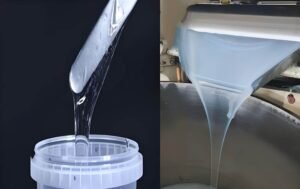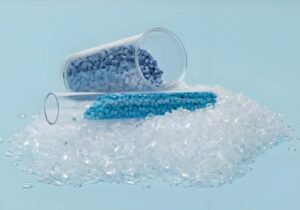
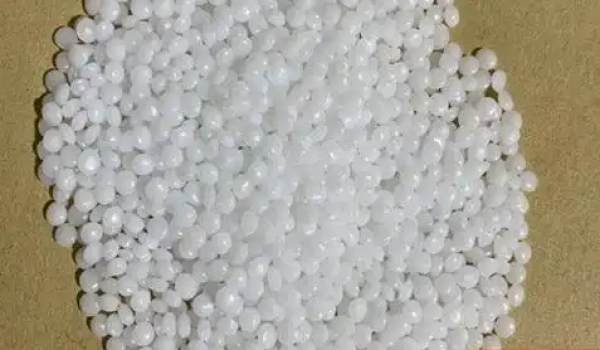
Delrin is a well-liked engineering plastic known for its special properties. These properties make it perfect for many uses. When thinking about injection molding, knowing Delrin’s properties is key.
Injection molding is a common way to make plastic parts. It’s interesting to see if Delrin works well with this method. This process melts plastic and shapes it into the desired form.
Delrin’s properties, like its strength and wear resistance, are good for injection molding. But, the success of this process depends on several things. These include the mold design, temperature, and pressure.
In short, whether Delrin can be injection molded depends on understanding its properties and the molding process. We’ll dive deeper into this in the next sections.
Understanding Delrin and Its Properties
Delrin is a well-known engineering plastic used in many industries. It’s celebrated for its strength, durability, and ability to resist wear and tear. Knowing its properties helps us decide when to use Delrin for the best results.
Studies have shown Delrin is great for high-performance needs. It can handle extreme temperatures, has low friction, and resists chemicals well. These traits make it a reliable choice for many applications.
What is Delrin?
Delrin is a type of acetal homopolymer. It’s known for being strong, stiff, and tough. It’s often chosen when other materials can’t handle wear and tear or harsh environments.
Key Properties of Delrin
Delrin has several important properties:
- High strength and stiffness
- Low friction coefficient
- Resistance to chemicals and extreme temperatures
- High toughness and impact resistance
Advantages of Using Delrin
Using Delrin offers many benefits. It provides high performance and reliability across various applications. In the world of engineering plastics and material science, Delrin stands out for its unique properties.
The Injection Molding Process
The injection molding process is a complex way to make products. It uses molding techniques for high precision and accuracy. This method is common in making plastic parts, medical devices, and consumer goods.
One big advantage of injection molding is making lots of products fast. Special machines, like injection molding machines, can make hundreds of parts in an hour. Also, advanced techniques like CAD and CAM help make complex products with great precision.
Overview of Injection Molding
The process starts with design and prototyping. Designers use CAD software to make a digital model of the product. Then, they test and refine the prototype before starting production.
Materials Suitable for Injection Molding
Many materials can be used in injection molding, like plastics, metals, and ceramics. The right material depends on the product’s needs. Common materials include:
- Plastics: polypropylene, polyethylene, and PVC
- Metals: aluminum, copper, and steel
- Ceramics: silicon carbide and alumina
Can Delrin Be Injection Molded?
Delrin is a type of acetal resin used in many industries. It’s known for its special properties. When it comes to injection molding, choosing the right material is key. Delrin works well with this process, making it a great option.
Compatibility of Delrin with Injection Molding
Delrin has a high melting point and absorbs little moisture. These traits make it perfect for injection molding. It can be molded into complex shapes, which is why it’s so popular.
Common Applications of Injection Molded Delrin
Delrin is used in many fields, from cars and planes to everyday items and medical tools. Here are some common uses of injection molded Delrin:
- Gear components
- Bearing components
- Electrical connectors
Delrin is a top pick for injection molding because of its great material properties. It’s perfect for many industries. Its compatibility with injection molding also makes production efficient and affordable.
Factors Affecting Injection Molding of Delrin
Injection molding Delrin involves several key factors for quality products. It’s important to understand these to optimize the molding process. Delrin’s special properties need careful attention to molding parameters for the best results.
Choosing the right molding conditions is a big decision. It involves looking at temperature, injection speed, and pressure. The aim is to find a balance that makes the product good, efficient, and affordable.
Temperature Considerations
Temperature is critical in injection molding. Delrin’s melting point and how it handles heat are important. To avoid damage, the ideal temperature for molding Delrin is between 180°C to 220°C.
Injection Speed and Pressure
The speed and pressure of injection also matter. The right balance ensures even molding without flaws. Here are the recommended molding parameters for Delrin:
| Parameter | Recommended Value |
|---|---|
| Temperature | 180°C – 220°C |
| Injection Speed | 50 – 100 mm/s |
| Pressure | 50 – 100 bar |
By controlling these factors and optimizing the process optimization, makers can create top-notch Delrin products. These products will meet the needed standards.
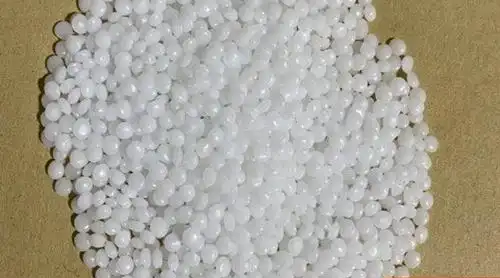
Best Practices for Injection Molding Delrin
To get the best results from Delrin injection molding, it’s key to follow some important steps. These include focusing on mold design and process optimization. This way, makers can make their molding work better and more efficient.
A good mold is essential for making top-notch Delrin parts. You need to think about mold shape, the materials used, and cooling systems. A well-thought-out mold design helps cut down on mistakes, shortens production time, and boosts productivity.
Mold Design Tips
- Choose a mold material that works well with Delrin
- Make the mold’s flow path smooth to avoid problems
- Include a cooling system to keep the mold at the right temperature
Processing Conditions Optimization
It’s also vital to fine-tune the molding process for Delrin. You should tweak things like temperature, pressure, and how fast you inject the material. By doing this, you can cut down on waste, make parts more consistent, and work more efficiently.
By sticking to best practices and fine-tuning mold design and process settings, makers can get the most out of Delrin injection molding. They can make parts that are precise and of high quality.
Challenges in Molding Delrin
Delrin is a well-liked engineering plastic, but it can be tough to mold. Troubleshooting is key to solve these molding problems and get good results. Issues like warping, cracking, and fill rate problems often come up.
Common Issues Encountered
Some common problems in Delrin molding are:
- Warping: caused by uneven cooling or shrinkage
- Cracking: due to excessive stress or material defects
- Fill rate issues: resulting from inadequate material flow or mold design
Solutions to Overcome Molding Challenges
To tackle these molding challenges, it’s important to fine-tune the molding process. This means adjusting the mold temperature, injection speed, and pressure. Doing so helps ensure the material flows right and reduces defects.
By knowing the common problems and using the right solutions, makers can make better Delrin products. This leads to higher quality and consistency.
Comparing Delrin to Other Materials
When choosing engineering plastics, it’s key to compare them well. Delrin is a top pick for injection molding, often matched against acetal and nylon. Knowing their differences helps manufacturers pick the right one for their needs.
Delrin is special because of its high strength, stiffness, and resistance to wear. But, acetal and nylon also have their own benefits and drawbacks.
Delrin vs. Acetal
Delrin beats acetal in chemical resistance. This makes Delrin great for places where harsh chemicals are present. Yet, acetal is better at handling impacts, making it durable for tough uses.
Delrin vs. Nylon
Looking at mechanical properties, Delrin outshines nylon. It’s stiffer and stronger, ideal for high-performance needs. But, nylon is more impact-resistant and cheaper than Delrin.
The table below highlights the main differences between Delrin, acetal, and nylon:
| Material | Chemical Resistance | Impact Resistance | Stiffness | Strength |
|---|---|---|---|---|
| Delrin | High | Medium | High | High |
| Acetal | Medium | High | Medium | Medium |
| Nylon | Low | High | Low | Low |
Cost-Effectiveness of Injection Molding Delrin
Looking at the cost-effectiveness of injection molding Delrin, we must weigh material costs against long-term efficiency gains. A detailed cost analysis is key to see if Delrin’s initial cost pays off in the long run.
Delrin brings several advantages to manufacturing, like high strength, low friction, and resistance to wear. Using Delrin in injection molding can cut down on secondary operations and waste. This leads to lower production costs.
Material Costs vs. Benefits
A cost-benefit analysis shows that Delrin’s material costs are balanced by its efficiency benefits. Key advantages include:
- Reduced material waste
- Lower energy consumption
- Increased production speed
- Improved product quality
Long-Term Efficiency Considerations
Manufacturers must also think about the long-term efficiency of their processes. Delrin can reduce downtime and boost productivity. By choosing Delrin and optimizing their processes, manufacturers can save a lot and boost their profits.

By doing a thorough cost analysis and looking at Delrin’s long-term benefits, manufacturers can make smart choices. This leads to significant cost savings.
| Material | Cost | Benefits |
|---|---|---|
| Delrin | High | High strength, low friction, resistance to abrasion |
| Acetal | Medium | Good impact resistance, low moisture absorption |
| Nylon | Low | High flexibility, good chemical resistance |
Quality Control in Injection Molding
Ensuring product quality is key in injection molding, even more so with Delrin. Quality control is vital to ensure products meet standards. This means using strict testing to check product properties and performance.
Manufacturers need a strong quality control system. This includes regular checks and testing methods for molded Delrin. They look at size, surface finish, and strength.
- Material selection and verification
- Tooling and mold design validation
- Process optimization and monitoring
- Product inspection and testing
These steps help manufacturers meet quality standards. This lowers defect risk and boosts customer happiness.
Good quality control and testing methods are essential. They help make high-quality products for many industries.
Case Studies: Delrin in Use
Delrin is a top-notch engineering plastic used in many fields. It’s known for its special properties. Several case studies show how Delrin works well in industries like cars, planes, and everyday items.
Successful Applications of Delrin
Here are some examples of Delrin in action:
- Automotive: It’s used in fuel pumps and gearboxes because it’s strong and doesn’t wear down easily.
- Aerospace: In planes, Delrin makes bushings and bearings that are strong and move smoothly.
- Consumer goods: It’s in household items like gears and bearings, making them last longer.
Innovative Uses in Various Industries
Delrin is also used in new ways, like in medical tools, sports gear, and industrial parts. These examples show Delrin’s ability to fit into many roles, from simple parts to complex systems.
Looking at these examples, it’s clear Delrin is very versatile. Its special qualities make it perfect for many industries. Plus, it has lots of room for new uses.
| Industry | Application | Benefits |
|---|---|---|
| Automotive | Fuel pumps, gearboxes | High strength, resistance to abrasion |
| Aerospace | Aircraft components, bushings, bearings | High strength, low friction |
| Consumer goods | Household appliances, gears, bearings | High strength, durability |
Future Trends in Delrin Injection Molding
Technology keeps getting better, and so does Delrin injection molding. Future trends will bring new things to Delrin, thanks to material science advancements.
Experts say Delrin will be key in many fields like cars, planes, and health care. New material science will let us make more complex shapes and products. This opens up new uses for Delrin injection molding.
Advancements in Material Science
New things in material science will lead to big changes in Delrin. Some possible improvements include:
- Delrin that lasts longer and doesn’t break down as fast
- Stronger and tougher Delrin
- Delrin that’s better for the planet and can be recycled
The Future of Manufacturing with Delrin
The future of making things with Delrin will mix material science with new tech. As future trends come up, we’ll see Delrin used in new ways and places.
By keeping up with these future trends and material science advances, makers and industries can find new chances. They can stay on top in the changing world of Delrin injection molding.
| Industry | Potential Application | Benefits |
|---|---|---|
| Automotive | Customized car parts | Improved performance and sustainability |
| Aerospace | Lightweight components | Enhanced fuel efficiency and safety |
| Healthcare | Medical devices and implants | Increased biocompatibility and durability |
Conclusion: The Viability of Delrin for Injection Molding
Delrin, or polyoxymethylene (POM), is a versatile material for injection molding. It has high strength, rigidity, and keeps its shape well. This makes it great for many industrial uses.
Summary of Key Points
Delrin works well with injection molding and has many benefits. It has low friction and resists wear and corrosion. The article looked at important factors for molding Delrin, like temperature, speed, and pressure.
Final Recommendations for Use
We suggest that manufacturers think about using Delrin for their molding needs. Delrin’s special properties and proper processing can lead to durable, high-quality products. As technology advances, Delrin molding will offer more chances for innovation and better efficiency.
FAQ
What are the key considerations for injection molding Delrin?
When molding Delrin, managing temperature, injection speed, and pressure are important. Delrin needs precise temperature control to avoid defects. Optimizing injection speed and pressure is also critical for quality parts.
What are the common applications of injection molded Delrin?
Delrin is used in many areas. It’s in automotive parts, consumer goods, industrial equipment, and medical devices. Its strength and flexibility make it versatile for various applications.
What are the common challenges in molding Delrin?
Molding Delrin can be tricky. Maintaining temperature, managing shrinkage, and ensuring part quality are challenges. Delrin’s high shrinkage and thermal sensitivity can cause issues if not managed well.
How does Delrin compare to other engineering plastics for injection molding?
Delrin is compared to nylon and acetal copolymers. It has higher stiffness and better dimensional stability than nylon. Compared to acetal copolymers, Delrin is stronger and has better wear resistance, making it a preferred choice.
What are the cost-effectiveness considerations for injection molding Delrin?
Delrin may cost more initially, but it’s cost-effective in the long run. Its durability and performance reduce manufacturing costs and increase product lifespan. The precision of injection molding Delrin parts also offsets initial costs.
How can the quality of Delrin injection molded parts be ensured?
Ensuring quality involves proper mold design, process optimization, and testing. Quality control includes dimensional analysis, mechanical testing, and visual inspection. Following industry standards for testing Delrin helps maintain quality and reliability.