Have you ever been amazed at how perfectly shaped mold parts come out of a mold? It is a series of carefully implemented steps that take place using various mold components. The return pin is an important, often ignored, player in the process. Consider injection molding using a giant ice cube tray: molten plastic is injected, cools, and solidifies into the desired shape. The role of the return pin will help keep all of this running subsequently.
In this article, we will take a closer look at everything related to return pins. We are going to define the return pin and what it does in the return pin injection molding process. You will learn about the different types, considerations in materials, and benefits of using a quality mold return pin. Let’s read on!
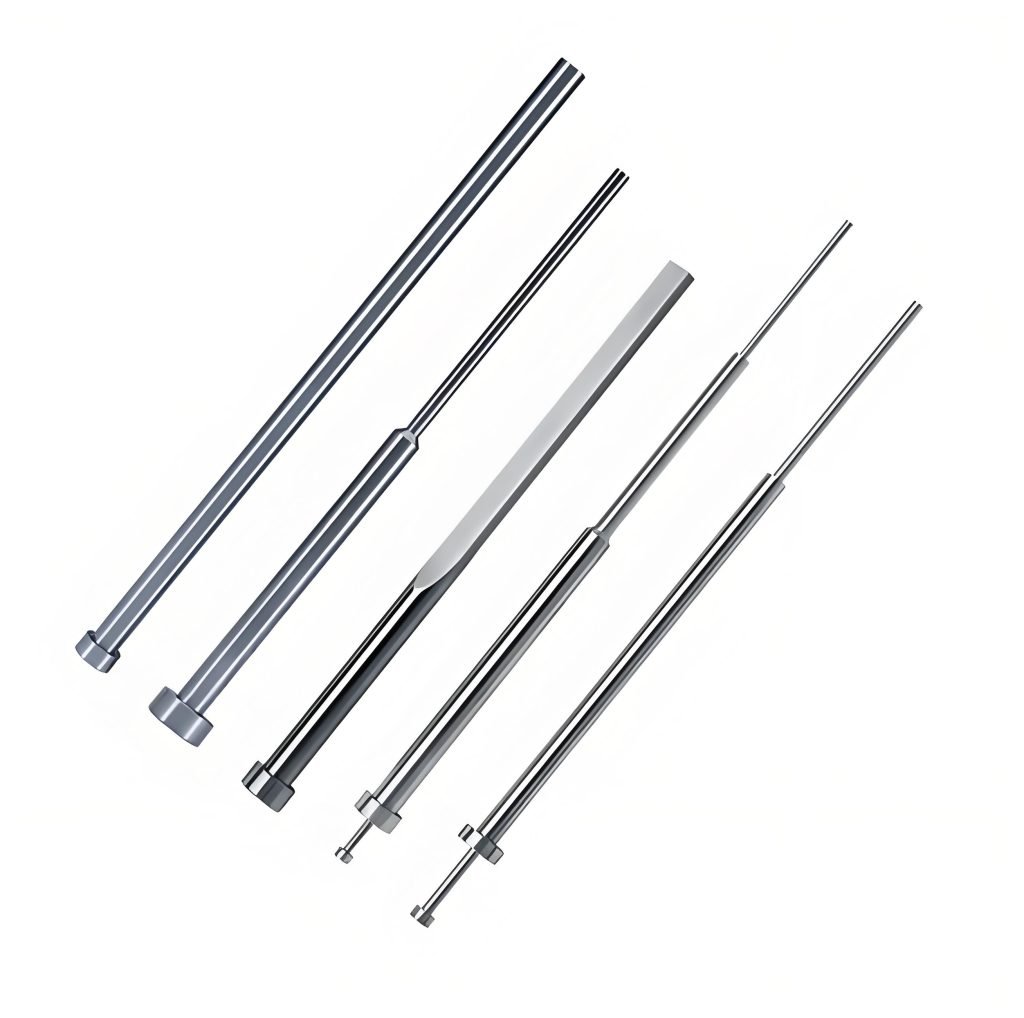
What is a Return Pin?
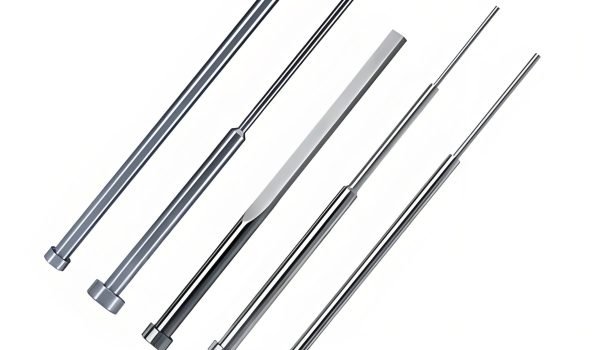
So, what exactly is a return pin? At its heart, a return pin is a slender, typically cylindrical mold component that lives inside your injection mold. You’ll usually find a few of them strategically placed within the mold assembly.
Physically, return pins can vary from one return pin to the next in terms of size and length, based on the mold design and the mold parts. In general, return pins usually utilize robust materials because, as mentioned, return pins are typically reused under pressure and heat. They can be thought of as the durable workhorse of the mold.
Let us now discuss the role of mold return pins in injection molding. Once the plastic has been injected into the mold cavity and formed into a part of the mold, the mold is ready to open. Here is where return pins save the day! As the mold halves start to open, the return pins will engage with the ejector plate— the piece that pushes the part out of the mold.
The key here is that the return pins keep the ejector plate fully retracted back to its original position before the mold closes again for the next cycle. Without them, the ejector plate could still be sticking out. This could have several undesirable consequences, like the two halves crashing into each other as they close, or the new shot of plastic getting all jumbled up. Therefore, return pins are vital to opening and closing the mold properly and smoothly. They are responsible for ensuring the return pins injection molding operation runs smoothly, cycle after cycle.
Types of Return Pins
Just like there are many kinds of molds and plastic parts, there are also many types of return pins to fit your needs. Here are a few of the most common:
- Standard Return Pins: These are your typical, general-use return pins. They come in a multitude of lengths and diameters. They can be used for many injection molding applications. Think of them as the reliable all-rounders in the return pin family.
- Extended Return Pins: As the name implies, these pins are simply longer than the standard return pins. You will typically use extended return pins in molds with a greater distance between the halves when they open. They ensure the ejector plate is fully retracted even with a larger mold opening stroke.
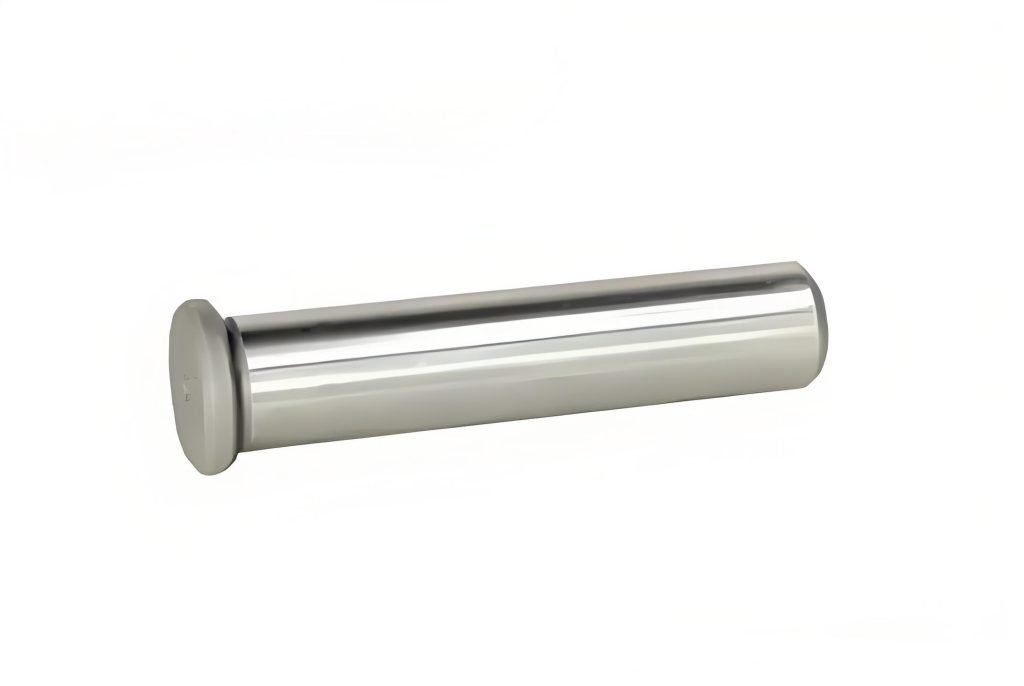
Standard pins have the advantage of simplicity and cost for most common usage. Extended return pins can have the benefit of larger ejector strokes and flexibility in use regarding the design of the mold. The choice is now dependent upon the needs of your mold and the parts you are making.
Functions of a Return Pin in Molding
Return pins may seem simple, but they have astonishing importance that can greatly impact the productivity and efficiency of the return pin injection molding process. Let’s classify their essential work tasks.
Facilitates Mold Reset
Imagine the mold opening to release mold components. Now, it needs to close perfectly to form the next one. Return pins are the guides that ensure the ejector plate smoothly retreats back into its designated space as the mold closes. They ensure that there is no snagging or twisting, and therefore, the mold halves close cleanly and accurately. This reliable reset is fundamental for maintaining a consistent production flow. If the mold does not close properly, you might say goodbye to efficient production and hello to potential damage.
Enhances Cycle Efficiency
In the world of manufacturing, time is money, and that holds true in return pins injection molding. Return pins can ensure a quick and complete retraction of the ejector plate. Stroke speeds dictate the time it takes to bring a part from the ejecting position to the injection position, so investing in a good mold return pin will enable you to get a quick close of the mold and allow you to produce more parts in the same cycle. While return pins are small components, they can have a notable effect on production because you can deliver components sooner and possibly drive down manufacturing costs.
Ensures Mold Alignment
Precision is very important in return pin injection molding. Even if half of one of the mold halves is misaligned, the parts will throw off the dimensions or even possess defects. Return pins ensure accuracy and precision by verifying that the ejector plate does not impede mold closing. Once the ejector plate is fully and accurately retracted, mold halves will align properly, which provides repeatability and consistency across all the dimensional aspects of the part. Consistency is very important in manufacturing practice for quality and scrap reduction.
Safety Features
Return pins also add to the safety of the return pins injection molding process. They prohibit the mold from trying to close on a partially ejected part because the ejector plate is fully retracted. This will not only help prevent damage to the mold and machinery, but more importantly, help prevent injuries to operators. They help provide a level of safety to force the mold to close as it should upon completing the operation.
Maintenance and Service Life
Like any hardworking component, return pins require a bit of care to ensure they last. Regular maintenance inspections, proper lubrication, and having them installed correctly are a few ways to ensure maximum life. Using quality return pins made of durable materials will also decrease how often they need to be replaced. By taking care of your return pins, you will reduce production downtime and maintenance costs in the long run.
Material Considerations for Return Pins
One of the most important items to be considered in the mold return pin is the material. Return pins need to withstand a high level of pressure and repeated cycles. Thus, selectively choosing the right material is an important decision to make.
Hardened Steel
Hardened steel is a widely used material for return pins. The strength and wear resistance of hardened steel allow it to handle the tremendous force of return pins injection molding without bending or breaking. Hardened steel is especially effective for production runs with a high number of cycles and for molds with high clamping pressures. You can rely on a hardened steel return pin to go the distance.
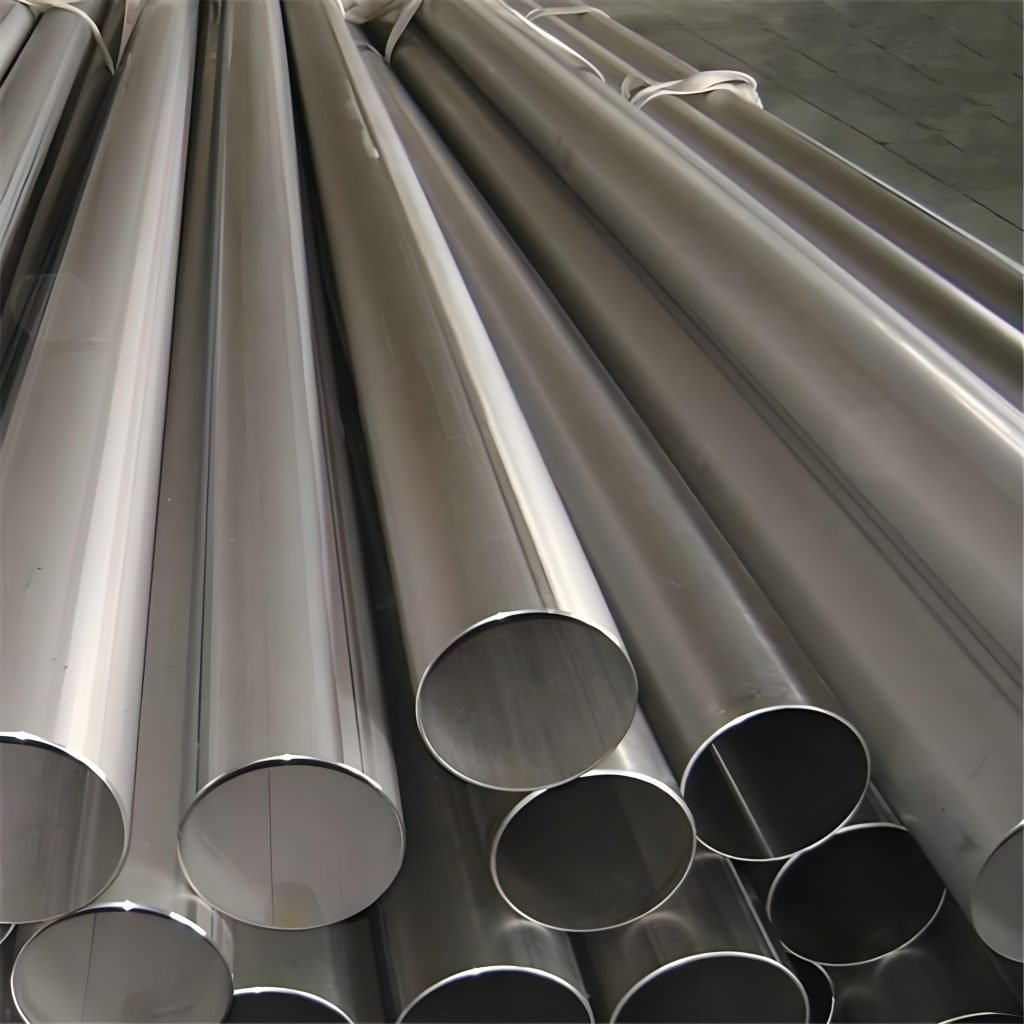
Stainless Steel
If corrosion resistance is your first requirement, most likely stainless steel will be the best option. If your molding environment contains moisture, humidity, or certain types of plastics that will create corrosive byproducts, stainless steel return pins can resist rusting and deterioration, allowing for a longer service life, consistency in functionality and performance, especially in poor operating conditions.
Alloy
At times, standard materials may not be suitable for your applications. In such cases, manufacturers may resort to specially designed alloys that possess specific performance characteristics. Features such as additional toughness, increased wear resistance, or higher performance at elevated temperatures can all be selectively formulated. Utilizing an alloy with those distinctions provides the manufacturer an avenue for adjusting the return pin properties precisely to the demands of the application.
Material Selection Process
So, how do manufacturers identify the material better? Carefully evaluating all the consideration factors is needed. They will analyze the type of plastic being molded, the temperature, the clamping force, the production volume, and the overall operating environment, all in their decision-making process. The more variables they consider, the better their ability to select the material that provides better performance, durability, and cost aspects of the application.
Benefits of High-Quality Return Pins
You might be tempted to think that all return pins are created equal, but that is simply not the case. Investing in high-quality return pins can bring a significant array of benefits to your injection molding operations.
Improved Durability
High-quality return pins tend to be made from better materials and higher standards of manufacturing. This will absolutely mean a longer life. These return pins will last longer because they will withstand the stresses and strains of repeated molding cycles without breaking, bending, or wearing as fast as poor-quality return pins. Fewer replacements and less downtime mean you will ultimately save time and money.
Increased Efficiency
Remember how return pins contribute to cycle efficiency? Well, high-quality ones do it even better. Their precise dimensions and smooth surfaces ensure consistent and reliable retraction of the ejector plate, minimizing any delays in the mold closing process. This contributes to faster cycle times and higher overall production output. Every second saved per cycle can add up to significant gains over a large production run.
Precise Performance
In return pin injection molding, precision is everything. High-quality return pins are manufactured to tight tolerances, which provides perfect alignment of your mold halves with every cycle. This accuracy is essential for making mold parts with consistent dimensions and minimizing defects. You can depend on high-quality return pins to enhance the overall accuracy and dependability of your return pins injection molding process.
Cost Savings
While the upfront costs of high-quality return pins may be slightly higher, the long-term cost savings could be considerable. Inconsistent returns pins lead to increased expenses and maintenance for replacing broken pins. Better quality return pins reduce the time in maintenance and improve your production, while precision return pins reduce the number of rejected parts and waste. Overall, high-quality return pins will be a very economical choice over the life of your mold.
Customization Options
Depending on the application, the major manufacturers of return pins will allow you to make customized options. This may include length, diameter, length of material, surface treatments, etc. You can essentially control these dimensions to fulfill the requirements of your unique mold design and application. Having customization allows you to use a small return pin to achieve what you need with maximum efficiency.
Best Manufacturer for Custom Return Pin for Mold
So, to recap, return pins perform an extensive role in injection molding, which is sometimes underestimated. They are a necessity for facilitating smooth return pins injection molding and increasing cycle efficiencies. Quality return pins manufactured from the correctly chosen materials will lead to improvements in durability, efficiency, accuracy, and savings.
If you are looking for a manufacturer that will provide you with a top-quality return pin, Fecision would be a good choice. We are an industry-leading manufacturer of mold components, and we have very specific expertise to get precision right when dealing with return pins:
- Precision return pins: Fecision employs advanced CNC machining to ensure perfect tolerances and high-quality mold components. We guarantee the supplies will fit and function precisely within your mold!
- Custom return pin solutions: Understanding that each mold is unique, Fecision offers tailored return pin designs to precisely match your specific mold system requirements, ensuring optimal performance.
- Reliable return pin manufacturing: From initial design considerations to final production and testing, Fecision manages the entire manufacturing process, providing you with confidence in the quality and reliability of your return pins.
In short, Fecision’s focus on precision, customization, and comprehensive services makes us a strong choice when you need high-quality, custom return pins for your injection molds. Contact Fecision today – we look forward to working with you!