
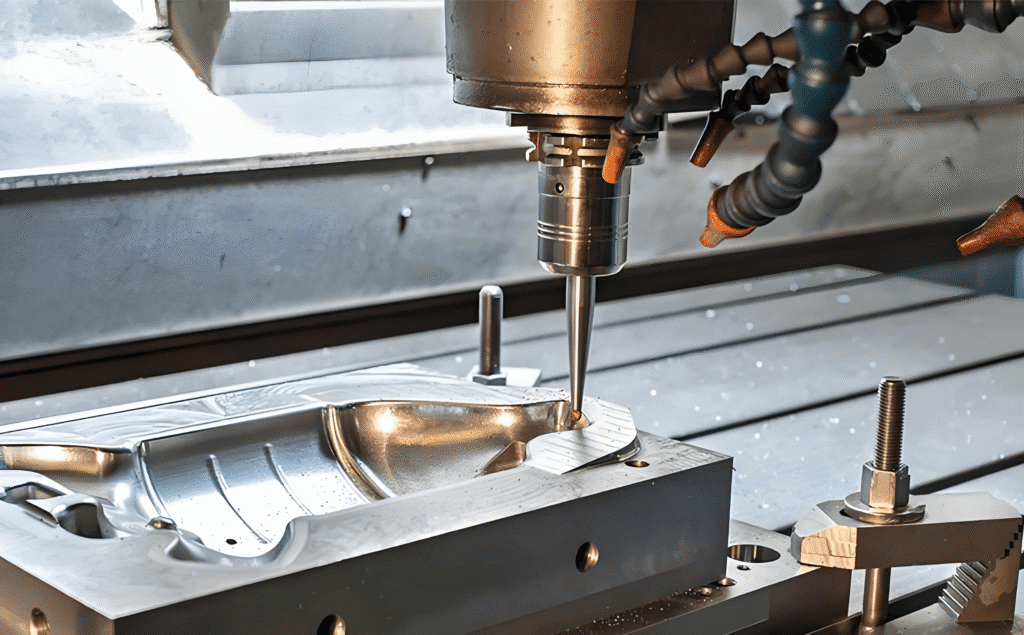
Did you know that manufacturers can now produce parts in a matter of days, not weeks or months? This is made possible by rapid tooling, a revolutionary manufacturing process that enables the quick creation of molds, dies, and patterns.
This innovative approach bridges the gap between prototyping and production, allowing you to validate your design and material choices before committing to mass production. With rapid tooling, you can produce parts in low to medium quantities, making it ideal for prototyping, bridge production, and small-batch manufacturing.
Rapid Tooling Definition and Basic Concepts
As a crucial aspect of modern manufacturing, rapid tooling involves the use of advanced technologies to rapidly fabricate tools and molds. This technique has revolutionized the product development cycle by significantly reducing iteration times from months to days. You can benefit from rapid tooling by leveraging its ability to quickly produce molds, dies, and patterns at lower costs than traditional tooling methods.
Rapid tooling refers to a set of techniques used to quickly fabricate molds, dies, and patterns. The core concept revolves around creating production tools rapidly using technologies like 3D printing, CNC machining, and various casting methods. Unlike conventional tooling, which focuses on durability for mass production, rapid tooling prioritizes speed and cost-efficiency for shorter production runs. This approach enables you to validate your designs before investing in expensive production tooling.
Conventional Tooling vs. Rapid Tooling
Conventional tooling is produced out of durable metals using technologies such as machining and metal casting, making it better suited for large-scale production cycles. On the other hand, rapid tooling can be produced in-house using additive manufacturing, offering a faster turnaround for production needs.
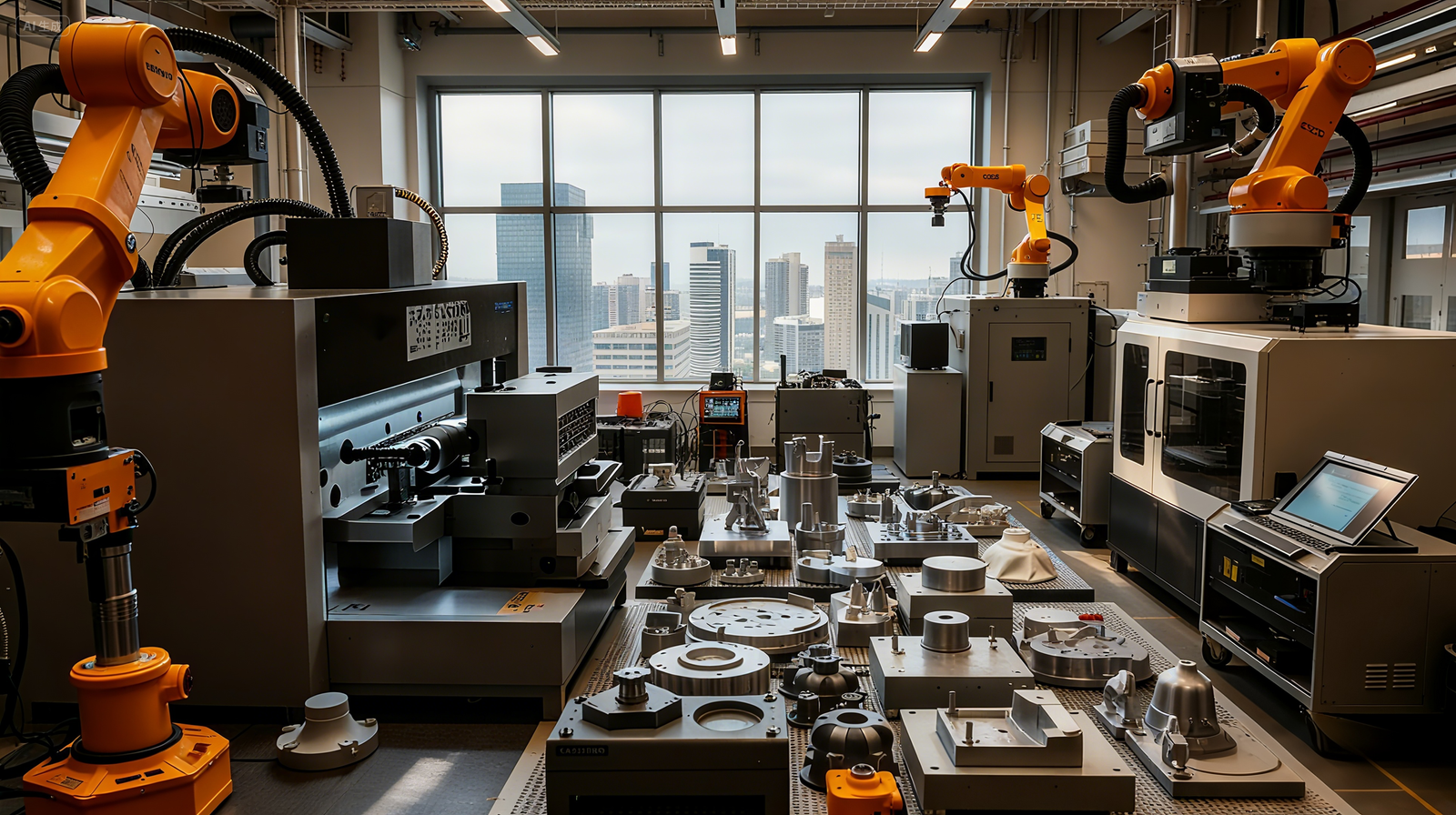
Key Differences in Production Time and Cost
The production time and cost associated with conventional tooling and rapid tooling differ significantly. Conventional tooling requires 4-8 weeks to produce and involves high upfront costs. In contrast, rapid tooling can be produced within 24-72 hours at substantially lower initial expenditure. This difference is largely due to the manufacturing process; conventional tooling requires specialized equipment and expertise, whereas many rapid tooling methods can be implemented in-house with accessible CNC machines or desktop 3D printers.
The material choices also reflect different priorities. Conventional tooling typically uses hardened steel for durability over hundreds of thousands of cycles. Rapid tooling, however, employs materials like aluminum, soft steels, or high-temperature polymers, which may not be as durable but offer the advantage of quicker production.
Production Volume Considerations
Production volume capability creates a clear distinction between conventional and rapid tooling. Conventional tooling is optimized for production runs exceeding 5,000 parts, making it ideal for large-scale manufacturing. Rapid tooling, on the other hand, serves production volumes from 1 to approximately 10,000 parts, offering flexibility for smaller batches or prototype production.
The break-even point between these approaches varies by project but generally falls between 5,000-10,000 parts, depending on complexity and material requirements. You must consider the production needs and choose the tooling method that best aligns with your volume requirements and budget constraints.
Direct Rapid Tooling Methods
The production of molds, dies, and patterns has been significantly streamlined through direct rapid tooling methods, which eliminate the need for intermediate steps. Direct rapid tooling streamlines the mold-making process by building molds directly from CAD data, often bypassing the need for a master pattern.
3D Printing/Additive Manufacturing
3D printing technologies like Stereolithography (SLA), Selective Laser Sintering (SLS), and Direct Metal Laser Sintering (DMLS) form the backbone of modern direct rapid tooling approaches. These additive manufacturing processes can produce mold inserts capable of withstanding injection pressures and temperatures up to 238°C at 0.45 MPa, making them suitable for actual production runs.
The primary advantage of 3D printed tooling is the ability to create complex geometries and internal features that would be impossible or prohibitively expensive with traditional manufacturing methods.
CNC Machining for Rapid Tooling
CNC machining represents another powerful direct rapid tooling method, particularly effective for creating aluminum or soft steel mold inserts with excellent dimensional accuracy. CNC-machined molds offer superior heat dissipation compared to polymer-based alternatives, reducing cycle times and improving part quality in processes like injection molding.
CNC machining is especially useful for creating aluminum or soft steel mold inserts swiftly, with shops delivering these inserts within 2-3 days. This rapid turnaround enables manufacturers to quickly iterate and refine their tooling designs.
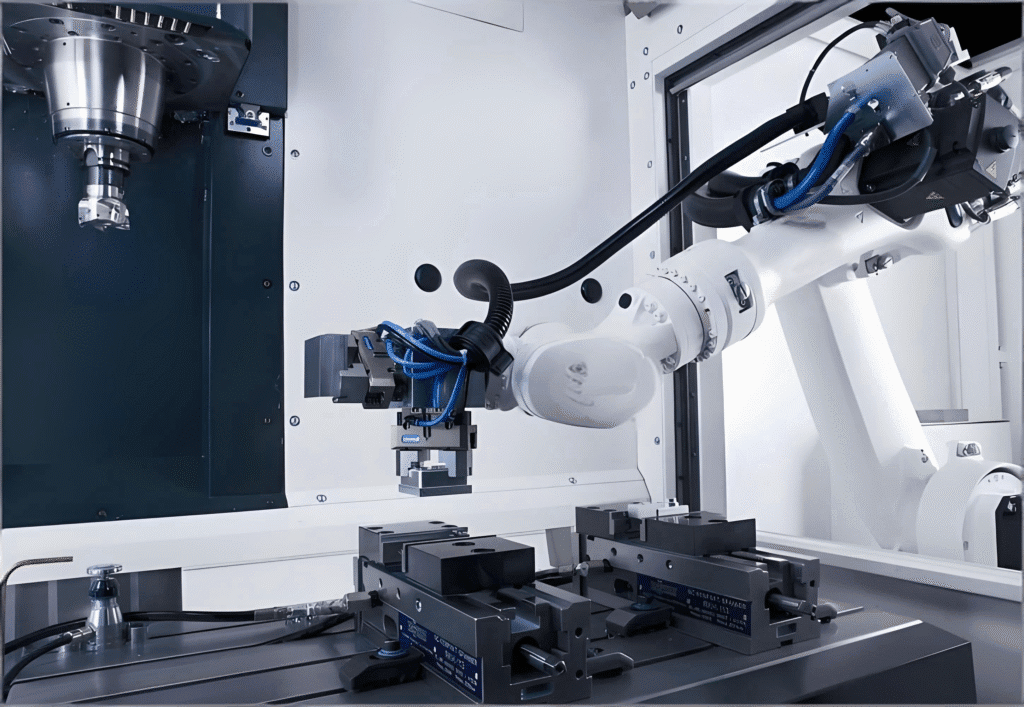
Indirect Rapid Tooling Techniques
You can leverage indirect rapid tooling techniques to create complex molds and patterns with ease. Indirect rapid tooling involves creating a master pattern, typically through 3D printing, and then using this pattern to produce the actual mold or die. This approach offers exceptional flexibility and detail reproduction, making it ideal for short production runs and complex geometries.
Silicone Mold Casting
Silicone mold casting is a cornerstone of indirect rapid tooling, offering a versatile and cost-effective method for producing high-quality parts. This process begins with a 3D printed master pattern that is encased in liquid silicone, which cures to create a flexible mold. Silicone molds excel at capturing intricate details and undercuts, making them suitable for complex parts.
Vacuum Casting
Vacuum casting elevates the quality of parts produced with silicone molds by removing air bubbles and ensuring complete material flow into all mold cavities. This technique produces parts with excellent surface finishes and detail fidelity, making it suitable for both prototypes and end-use parts in industries like automotive and consumer electronics.
Investment Casting
Investment casting, also known as lost wax casting, has been revolutionized by rapid tooling. The process involves creating a wax or resin pattern, coating it with ceramic material, melting out the pattern, and then casting metal into the resulting cavity. Investment casting through rapid tooling methods delivers complex metal parts with excellent surface finishes and tight tolerances.
By utilizing these indirect rapid tooling techniques, you can improve your manufacturing process, reduce production time, and increase product quality. Whether you’re producing prototypes or end-use parts, these methods offer a reliable and efficient solution for your tooling needs.
Common Materials Used for Rapid Tooling
Selecting the right material for rapid tooling is essential to achieve the desired balance between cost, durability, and production volume. The materials used in making a rapid mold are often cheaper and more flexible than those required for making a conventional mold.
Metals: Aluminum and Steel
Aluminum stands as the most widely used metal for rapid tooling due to its excellent thermal conductivity, which is approximately 4-5 times better than steel. This property reduces cycle times in processes like injection molding. Aluminum is also easier to machine than steel, allowing for faster production of mold inserts, typically within 2-3 days compared to weeks for hardened steel. Aluminum tools can typically withstand 5,000-10,000 cycles before showing significant wear, making them ideal for bridge production and low to medium volume runs.
Soft steels, such as P20 and H13, offer greater durability than aluminum while still maintaining faster production times than hardened tool steels. They are positioned as a middle-ground option, providing a balance between the ease of machining and the required durability for certain production processes.
Polymers and Composites
On the polymer front, high-temperature resins designed specifically for tooling applications can withstand temperatures up to 240°C, enabling their use in actual production processes. These engineering-grade polymers include materials like Digital ABS, High Temp Resin, and reinforced nylons, each offering different temperature resistance and mechanical properties.
Composite materials, which combine polymer matrices with reinforcing fibers or metal particles, provide enhanced strength and temperature resistance while maintaining the design freedom of 3D printing. Material selection must consider not only the tooling process but also the end-use production process, as different manufacturing methods place different demands on the tool materials.
Advantages of Rapid Tooling
Rapid tooling offers numerous benefits that can significantly impact your production process. By leveraging this technology, you can streamline your manufacturing workflow, reduce costs, and improve product quality.
Cost Efficiency
One of the primary advantages of rapid tooling is its cost efficiency. Tooling costs are typically 40-60% lower than conventional methods due to less expensive materials and streamlined production processes. This cost reduction is particularly significant for low to medium production volumes, where the high initial investment of conventional tooling cannot be amortized across a large number of parts.
Reduced Lead Times
Rapid tooling dramatically compresses lead times, with tools often available within 24-72 hours compared to 4-8 weeks for conventional tooling. This acceleration of the product development cycle enables companies to respond more quickly to market opportunities and gain competitive advantages.
Design Flexibility and Iteration
The design flexibility inherent in rapid tooling processes enables the creation of complex geometries that would be difficult or impossible to achieve with conventional methods. This includes conformal cooling channels and intricate internal features, allowing for more sophisticated product designs. Rapid tooling also facilitates iterative design improvement, enabling manufacturers to test, refine, and optimize their designs through multiple iterations without prohibitive costs or delays.
Common Problems and Defects in Rapid Tooling
Rapid tooling, despite its numerous advantages, comes with its own set of challenges that can affect the quality and efficiency of the production process.
Surface Finish Issues
Surface finish issues represent one of the most common challenges in rapid tooling, particularly with 3D printed molds that may exhibit layer lines or stair-stepping effects. These surface imperfections can transfer to the final parts, potentially requiring additional post-processing steps like polishing or surface treatments to achieve acceptable quality. You may need to consider these extra steps when planning your production process to ensure the desired finish.
Dimensional Accuracy Challenges
Dimensional accuracy presents another significant challenge, as rapid tooling methods may not achieve the same tight tolerances as conventional tooling. This accuracy limitation becomes particularly problematic for parts with precise fitting requirements or complex assemblies where cumulative tolerances can create functionality issues. Understanding these limitations is crucial for designing parts that will meet your specifications.
Tool Durability Limitations
Tool durability remains a fundamental limitation of rapid tooling, with most rapid tools having significantly shorter lifespans than conventional tooling. While a hardened steel mold might produce hundreds of thousands of parts, aluminum rapid tooling typically lasts for 5,000-10,000 cycles, and polymer-based tools may deteriorate after just a few hundred uses. This means you need to plan for tool replacement and factor this into your production costs.
By being aware of these common problems and defects in rapid tooling, you can better navigate the challenges associated with this manufacturing technique and make informed decisions to optimize your production process.
Applications of Rapid Tooling Across Industries
From automotive to consumer electronics, rapid tooling is revolutionizing the way products are designed and manufactured. Rapid tooling has been adopted across various industries, driven by the need for rapid design validation and faster time-to-market. This technology enables the production of complex parts and tools at a lower cost and in less time compared to traditional methods.
Automotive Sector Applications
In the automotive sector, rapid tooling facilitates the production of functional prototypes for testing and validation, interior trim components, and specialized low-volume parts for luxury or performance vehicles. Automotive manufacturers leverage rapid tooling to validate designs before committing to expensive production tooling, potentially saving millions in tooling costs.
Medical Device Manufacturing
The medical device industry has embraced rapid tooling for producing anatomical models, surgical guides, custom implants, and specialized instruments. Medical applications benefit from the ability to create patient-specific devices or tools in small quantities without the high costs associated with traditional manufacturing methods.
Consumer Electronics Production
Consumer electronics production utilizes rapid tooling for creating prototypes of housings, connectors, and internal components, allowing for rapid iteration and testing of new designs. The fast-paced nature of the electronics market demands quick turnaround times that rapid tooling can provide, enabling companies to respond to market trends and consumer preferences more nimbly.
By adopting rapid tooling, industries can significantly reduce production time and costs while improving product quality. As manufacturing continues to evolve, the role of rapid tooling is expected to expand across even more sectors.
Soft Tooling vs. Hard Tooling
Soft tooling and hard tooling represent two distinct approaches within the rapid tooling spectrum. The choice between them depends on the specific requirements of your production process, including the material, production volume, and desired durability of the mold.
Characteristics and Applications of Soft Tooling
Soft tooling primarily involves the use of flexible materials like silicone, urethane, or epoxy composites for creating molds. These materials are characterized by their relatively low cost and quick production timeframes, making them ideal for prototyping, bridge production, and low-volume production runs. Soft tooling excels at producing parts with complex geometries and intricate details. Typically, soft tooling supports production volumes ranging from 25 to 1,000 parts, depending on the material and complexity.
Benefits and Limitations of Hard Tooling
Hard tooling, on the other hand, refers to molds made from metals like aluminum or steel, offering greater durability and heat resistance. Aluminum hard tooling, often produced through rapid tooling methods, is more durable than soft tooling but less expensive than traditional hardened steel molds. It typically supports production volumes of 5,000-10,000 parts for injection molding processes, making it suitable for medium-volume production runs. However, hard tooling incurs higher initial costs and longer lead times compared to soft tooling.
Choosing the Right Rapid Tooling Type for Your Project
The key to a successful rapid tooling project lies in choosing the most suitable method for your needs. This decision involves considering several critical factors that influence the outcome of your project.
Factors to Consider in Selection
When choosing a rapid tooling method, several factors come into play. Your budget is a primary consideration, as different tooling methods vary significantly in cost. For instance, polymer-based tooling is generally more affordable, with initial investments often under $2,000, while steel tooling, though more expensive, offers greater durability.
Production volume expectations also play a crucial role. Soft tooling, such as silicone molds, is suitable for producing dozens of parts, whereas 3D printed molds can handle hundreds, and aluminum or steel tooling supports thousands or tens of thousands of parts, respectively.
Design complexity and material requirements for the final part are other vital considerations. Intricate designs may necessitate specific tooling approaches like silicone molding or advanced 3D printing. The material you choose for your final product dictates the tooling material, as different molds can withstand varying processing conditions.
Decision-Making Framework
A systematic approach to decision-making begins with clearly defining your project requirements, including production volume, material, timeline, and budget. Evaluating which tooling methods meet these criteria is the next step.
Consider your future needs as well. Will your design likely undergo changes? Might your production volumes increase? How long do you need the tooling to remain viable? Answering these questions helps in making a more informed decision.
For a prototype or bridge-production batch, review the intended resin, sample quantity, likely design changes and inspection requirements with FECISION's rapid tooling and low-volume injection molding team. Tool construction, validation scope and timing are confirmed for the individual project.