Imagine the intricate working electrons powering your smartphone, your smartwatch, even life-saving medical devices. These tiny currents rely on secure, reliable connections, and that’s where pogo pins shine. Unlike traditional connectors, these spring-loaded wonders are compact, durable, and incredibly versatile. But what exactly are these tiny powerhouses, and how do they work?
Let’s explore the ins and outs of pogo pins. What are pogo pins used for? Their types, applications, and how to choose the best pogo pins for your specific needs.
What are Pogo Pins?
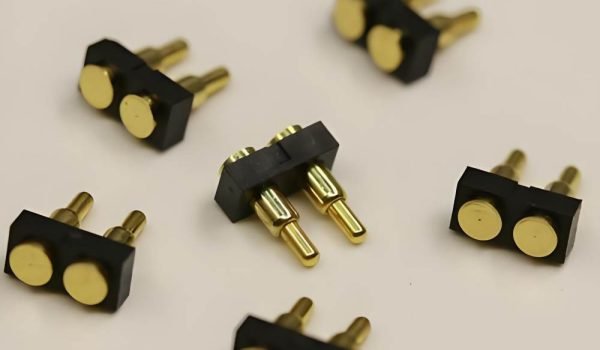
Pogo pins, also known as spring-loaded pins, are versatile electrical connectors used in a wide range of electronic devices. Their primary function is to establish a reliable connection between two printed circuit boards (PCBs) or between a PCB and another electrical component, making them essential for seamless connectivity and power transfer within electronic devices.
These connectors are designed as cylindrical tubes that house an internal spring mechanism. This spring mechanism gives them a unique pogo stick-like action. When the pin makes contact with a surface, the spring compresses and creates a secure and stable electrical connection.
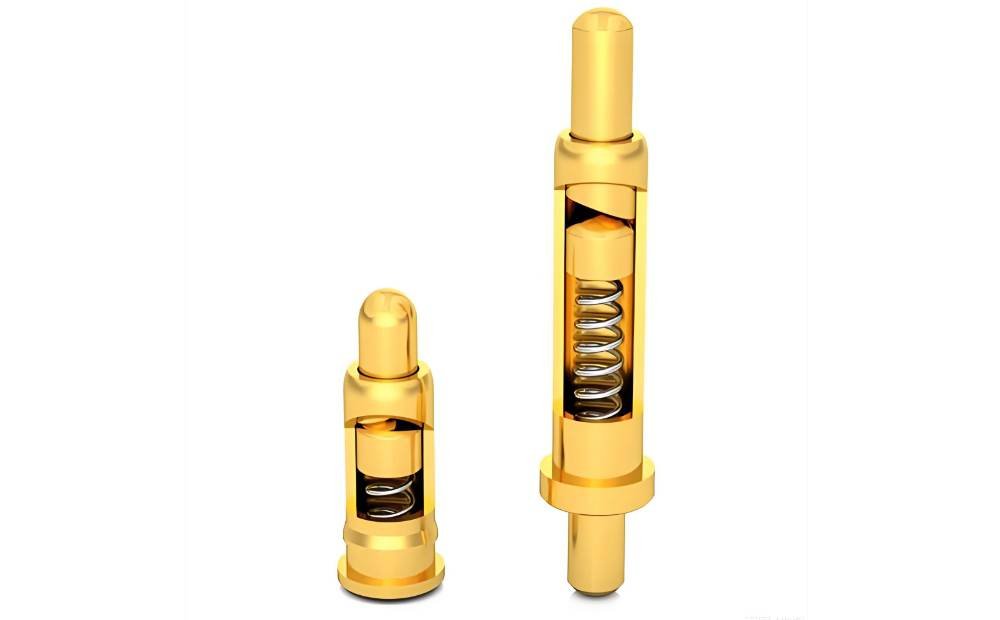
Structure of a Pogo Pin
A pogo pin is composed of different key components that work together to establish a secure electrical connection. These components may include:
- Barrel: The barrel is the main cylindrical body of a pogo pin, usually made of a rigid material like brass, stainless steel, or a plated alloy. Gold and other plating metals are often used to improve contact resistance and prevent corrosion.
- Spring: Inside the barrel, you will find a coil spring made of materials like copper alloys or stainless steel. This spring provides the force required to push the plunger and maintain the electrical connection.
- Plunger: The plunger is the contact point of a pogo pin, made with a conductive material like beryllium copper or gold-plated brass.
Tip: The tip of the pin is at the very end of the plunger. Depending on the specific design and application of the pogo pin, it can be conical, spherical, or flat.
How Do Pogo Pins Work?
So how does a pogo pin work? Pogo pins utilize a spring-loaded mechanism to establish a temporary electrical connection. Imagine them as tiny, spring-powered switches. When the pin makes contact with a surface, such as a printed circuit board (PCB), the internal spring compresses, similar to pressing down on a button.
As the pin is pressed further, the spring inside the barrel compresses. This compression forces the plunger within the pin to extend outward, which ensures a firm contact with the PCB’s surface. This contact enables electrical current to flow and establish a connection. When not in use, the pogo pin retracts, preventing unintended contacts and potential short circuits.
What are Pogo Pins Used For: Common Applications
Pogo pins provide reliable spring-loaded connections for power or data transfer in various applications. Their versatility makes them suitable for consumer electronics, smart home devices, GPS systems, and industrial and medical applications.
1. Consumer Electronics
Consumer electronics are the biggest users of pogo pins, especially in compact, high-performance products. They provide reliable connections in power banks, wireless chargers, and smartwatches. Their use in ingress-protected connectors ensures durability in harsh conditions.
Laptop battery terminals utilize pogo pins for efficient charging, while smart speakers and headphones rely on them for secure signal transfer. This wide range of applications makes them integral to the consumer electronics industry.
2. Industrial and Medical
Pogo pins play a crucial role in both medical and industrial applications due to their reliability and multifunctionality. They ensure data transmission in glucometers for blood sugar monitoring and provide stable connections in MRI machines for critical imaging.
On the industrial front, pogo pins contribute to automation and efficiency. They enable precise movement in robotic systems used in manufacturing and assembly processes and provide stable connections in machine tools and assembly lines for smooth operations.
3. Computer and Gaming Devices
Pogo pins are widely used in computers, tablets, and gaming devices. They serve as connectors in keyboards, mice, and routers, enabling quick connections. Pogo pin designs in USB drivers and storage devices provide reliable internal electrical connections for efficient data transfer and functionality.
4. Smart Home Appliances
Pogo pins provide connectivity solutions for smart home applications such as coffee machines, air purifiers, vacuum cleaners, and dishwashers. Systems like door locks, intercoms, and sensors also use pogo pins to establish reliable communication and power connections.
5. GPS Trackers
GPS trackers and positioning systems need reliable connectivity to function in extreme conditions. Pogo pins offer a robust solution for constant communication between internal circuits and external connectors. This maintains uninterrupted contact with satellite and tracking systems, even in challenging environments.
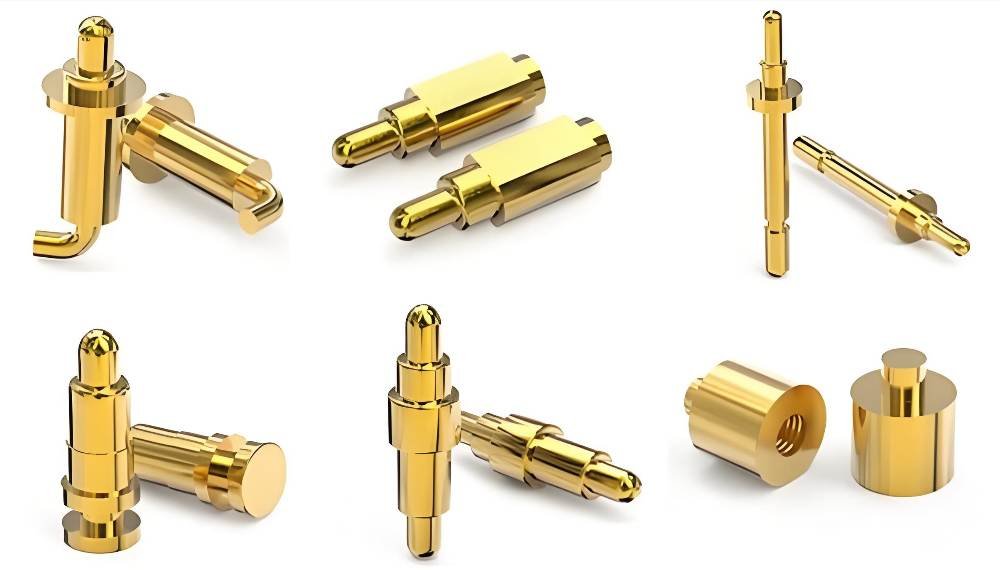
Five Different Types of Pogo Pins
Now that you know what are pogo pins used for, let’s explore the different types of pogo pins. Pogo pins come in different shapes, sizes, and configurations, each designed for specific applications:
1. Single-Head Pogo Pins
Single-head pogo pins are the most common and versatile type, featuring a single spring-loaded plunger and tip on one end. They are used to establish a single-point electrical connection between two surfaces, such as a battery and a circuit board.
2. Double Head Pogo Pins
Double head pogo pins have a unique design with spring-loaded plungers and tips on both ends of the barrel. This allows them to connect with two circuit boards or components simultaneously. These pins are commonly used in electronics, medical devices and automotive applications.
3. Bending Type Pogo Pins
Bending type pogo pins offer flexibility with a bendable section in the barrel, allowing connections at various angles. They are crucial for use in tight spaces, where aligning components on different planes needs flexibility.
4. SMD Pogo Pins
SMD pogo pins are designed for SMT (Surface Mount Technology) and can be directly mounted on a circuit board. This makes them ideal for compact devices where space is limited, such as smartphones and wearables.
5. Solder Cup Pogo Pins
These pogo pins provide a strong connection with a solder cup on one end. It allows direct soldering onto a PCB and creates a highly reliable connection that can withstand vibration and harsh environments.
Pogo Pins vs Traditional Connectors: A Comparative Analysis
With remarkable advancements, pogo pins are becoming a popular alternative to traditional electrical connectors. Let’s do a comparative analysis of both to understand their strength and weaknesses:
1. Design
Pogo pins are compact and self-contained circuits that can be easily integrated into devices. Traditional connectors, on the other hand, are often bulky, with multiple components and complex assembly requirements.
2. Surface Mount Technology
Pogo pins are readily adaptable to SMT processes, enabling use in compact and high-density circuit boards. Traditional connectors may not be compatible with SMT, which limits their use in modern electronics.
3. Cost Considerations
Pogo pins, due to their specialized design, come with a higher price tag. However, this cost difference is often offset by their numerous advantages such as compact size, enhanced durability, and superior performance.
4. Short Production Time
Pogo pins offer a significant advantage in terms of production time. Unlike traditional connectors, they don’t require the opening of stamping film, which can be a time-consuming process. This faster turnaround can be crucial for projects with tight deadlines or high-volume production needs.
| Feature | Pogo Pins | Traditional Connectors |
| Design | Compact, Self-contained | Often bulky, complex |
| Production Time | Shorter, no stamping film needed | Longer, may involve stamping and assembly |
| Durability | High, withstands repeated cycles | Can be less durable with wear and tear |
| Size | Smaller, suitable for compact devices | Larger, may be unsuitable for small devices |
| Cost | Generally more expensive | Less expensive |
| Applications | Consumer electronics, medical, industrial | Wide range, but may be limited in compact devices |
| Versatility | High, adaptable to various designs | Limitations in design flexibility |
| Reliability | High, consistent contact pressure | Can loosen over time |
| Surface Mount Technology | Compatible with SMT processes | May not be SMT compatible |
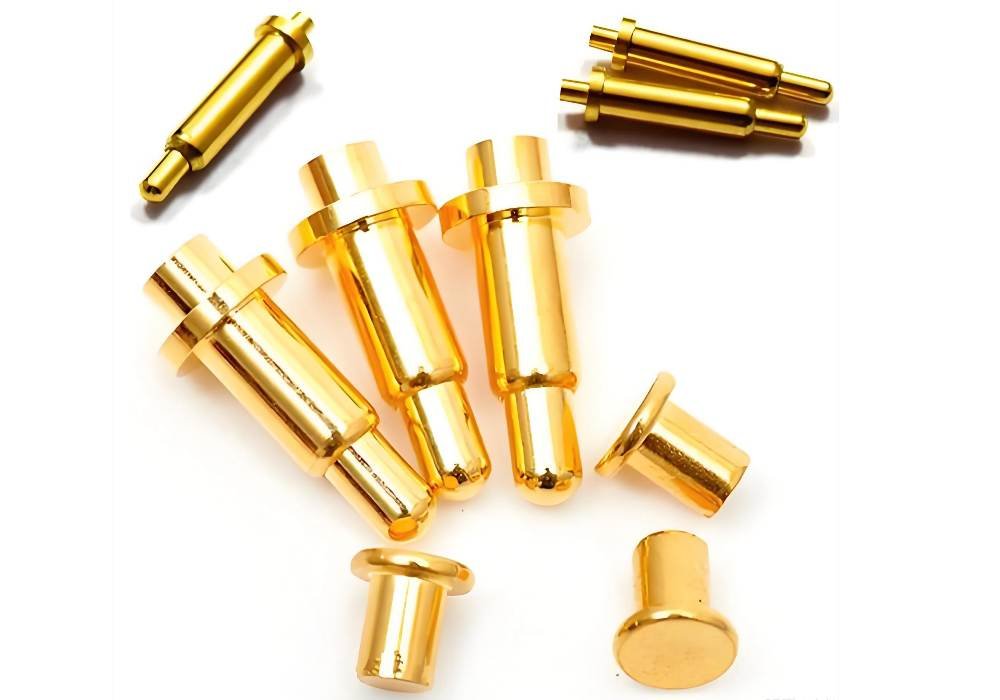
How to Choose the Best Pogo Pins
Selecting the right pogo pin for your application involves considering several key factors:
1. Size
Pogo pins come in various diameters, ranging from 0.5 mm to 2.0 mm. Smaller pins (0.5-0.8 mm) are good for compact devices and densely packed circuits. On the other hand, larger pins (1.0-2.0 mm) are better suited for applications requiring higher current capacity, as they can handle more electrical current.
2. Material
Common materials for pogo pins include beryllium copper, phosphor bronze, and stainless steel. Beryllium copper is often preferred for its excellent electrical conductivity, offering up to 50% IACS (International Annealed Copper Standard).
3. Spring Force
Spring force determines the pressure the pogo pin exerts on the contact surface. Standard pogo pins have spring forces ranging from 10 to 60 grams. Higher spring forces (30–60 grams) are recommended for applications that need consistent contact.
4. Current Rating
The current rating indicates the maximum electrical current a pogo pin can safely handle. A standard 1.0 mm gold-plated pogo pin can typically handle 2–3 amps, while larger 2.0 mm pins can support up to 6 amps. Choosing the appropriate current rating is critical to prevent overheating and ensure reliable operation.
Optimize Your Device’s Functionality With the Right Pogo Pin
Pogo pins are revolutionizing electrical connectivity, changing how various applications function. From consumer electronics and medical devices to GPS trackers, pogo pins are steadily replacing traditional connectors in numerous fields. They excel in situations requiring frequent connections, excellent signal integrity, and resistance to vibration.
At Fecision, we specialize in the precision machining of custom pogo pins, offering a wide range of materials, tip styles, spring forces, and plating options to meet your exact electrical and mechanical requirements. Whether you need prototypes or high-volume production, our advanced manufacturing capabilities ensure accuracy, durability, and exceptional performance.
To choose the best pogo pins for your needs, consider factors like size, material, and current rating carefully. Collaborating with a trusted manufacturing partner ensures high-quality pogo pins which are optimized for your specific business needs and applications.