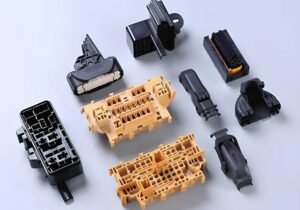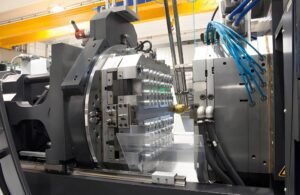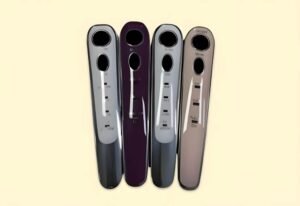

Polybutylene terephthalate is an engineering-grade thermoplastic polyester valued for balanced strength, stiffness, and low moisture uptake. You’ll see this material in electrical connectors, automotive components, and durable consumer parts where toughness and aging resistance matter.
As you evaluate materials for your parts, you may need to consider how properties such as stiffness, dielectric behavior, and chemical limits affect design choices.
The following sections will introduce the material properties of PBT and process considerations in PBT injection molding to help you better understand and apply this manufacturing process.
What Is PBT Material for Injection Molding?
Polybutylene terephthalate is a polyester-based engineering plastic you choose when strength, dimensional control, and fast throughput matter. It combines stable mechanical and electrical properties with good resistance to moisture and creep.
Defining the polymer
The resin is made by reacting butanediol with dimethyl terephthalate or purified terephthalic acid. Manufacturers use esterification, controlled pre‑polymerization, then full polymerization to build consistent chains.
Why it fits high-volume production
Its rapid crystallization shortens cycle times and lets you run lower mold temperatures than many peers. That narrow processing range helps repeatable results across complex tools and multi‑cavity runs.
Baseline properties include high tensile and dielectric strength, low moisture uptake, and good creep resistance. Glass‑fiber and flame‑retardant grades expand the family so you can match performance targets for automotive, electrical, and durable consumer parts.
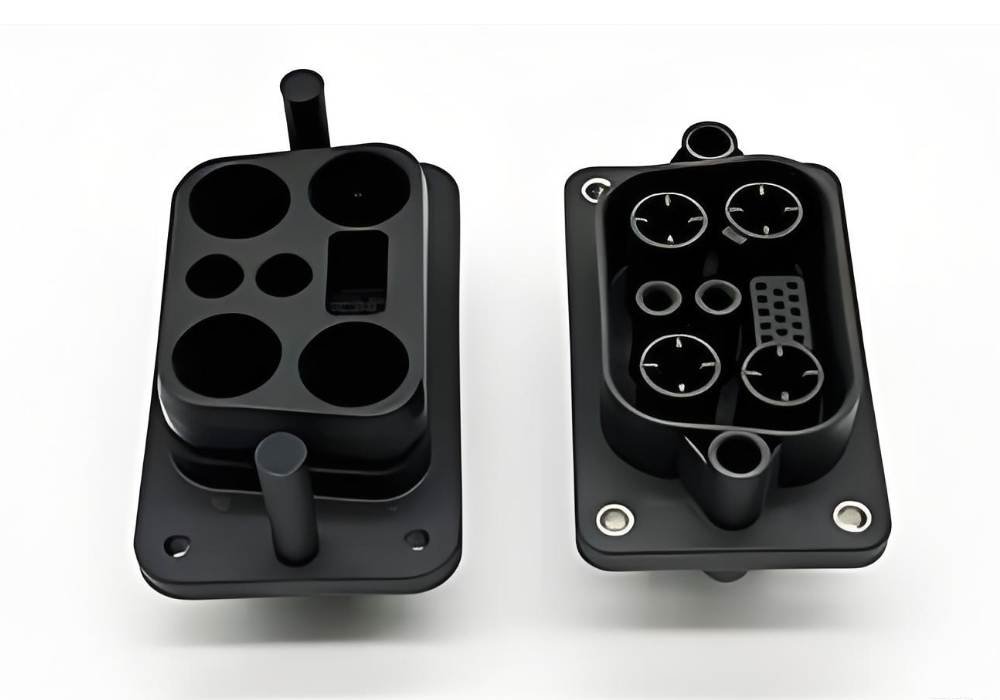
PBT Plastic Properties That Impact Design and Performance
Knowing how the resin behaves lets you design parts that stay accurate and durable.
The mechanical properties give you a baseline: good tensile strength, stiffness, and low creep mean the material holds tolerances under sustained load.
Glass reinforcement can roughly triple strength and cut creep, but it raises notch sensitivity and directional behavior. That affects rib placement, radii, and gate location for durable parts.
Electrical and chemical behavior
Dielectric strength and stable insulation make this resin a top choice for connector housings. Use those values to set creepage and clearance distances.
The chemistry favors resistance to oils, fuels, alcohols, esters, and diluted acids at room temperature. Avoid strong bases, halogenated solvents, and expect poor hydrolysis if moisture reaches reactive sites.
Heat, moisture, and appearance
Heat resistance sits near 150°C with HDT from ~122–302°F; flame retardant grades help meet UL needs. Low moisture uptake aids dimensional stability, and fast crystallization preserves color and weatherability.
How it compares to PP
Compared with polypropylene, this polyester is denser and tougher, less soft, and resists aging better—so choose it when long-term performance outweighs weight or cost.
PBT Plastic Injection Molding Conditions and Design Guidelines
- Controlling moisture, temperatures, and flow geometry up front prevents discoloration, warpage, and poor surface finish.
- Dry the resin to about 0.02–0.03% moisture before processing to avoid hydrolysis, speckling, and degraded mechanical properties.
- Set barrel and melt temperatures by grade: unfilled ~240–280°C; glass‑filled ~230–260°C. Keep the nozzle 5–10°C cooler than the front barrel zone to curb salivation and stringing of the melt.
- Control mold temperature deliberately. For unfilled grades run 40–60°C; for glass grades use 60–80°C. Higher mold temperatures stabilize crystallinity but lengthen cycle time and can alter warpage patterns.
- Use moderate-to-high injection pressures: unfilled ~60–90 MPa; glass‑filled ~80–100 MPa. Pair pressure with adequate packing and carefully timed switchover to prevent sinks and uneven shrinkage.
- Design runners and gates for short, round flow paths. Point or latent gates reduce apparent viscosity and help balanced filling. Gate into thicker sections or the core to minimize jetting and backfill lines.
- Expect directional shrinkage and notch sensitivity. Keep wall sections consistent, add generous radii at internal corners, and avoid sharp features to reduce stress concentrations and improve strength.
- Stabilize the process: monitor residence time, backpressure, and barrel zone temperatures. Uniform mold temperature control and tight switchover settings will cut scrap and variation on high-volume runs.
PBT Injection Molding Process: Step-by-Step How-To
Start the run by locking down material specs and a reliable drying cycle to prevent costly defects. This sequence shows the practical steps you need, from prep to final checks.
Material preparation
Confirm resin lot specs and dry to ≤0.02–0.03% moisture before loading the hopper. Select viscosity by target: 1.0 high for heavy housings.
Machine setup
Set barrel zones around 245–270°C and keep the nozzle 5–10°C cooler than the front zone. Configure screw, backpressure, and precise temperature control channels on your equipment.
Filling, packing, cooling, and demold
Use the low melt viscosity to fill quickly, but control speed to avoid jetting and flash. Switch to pack/hold at the correct transfer position and apply pressure to counter rapid crystallization.
Run cooling long enough for crystallinity to stabilize. Set ejection forces and pin layout to prevent stress whitening or cracking on reinforced parts.
Post-molding checks
Inspect surface for speckling or discoloration, verify critical dimensions, and test dielectric resistance for connector parts. Track time, temperature, and pressure logs to keep the process stable.
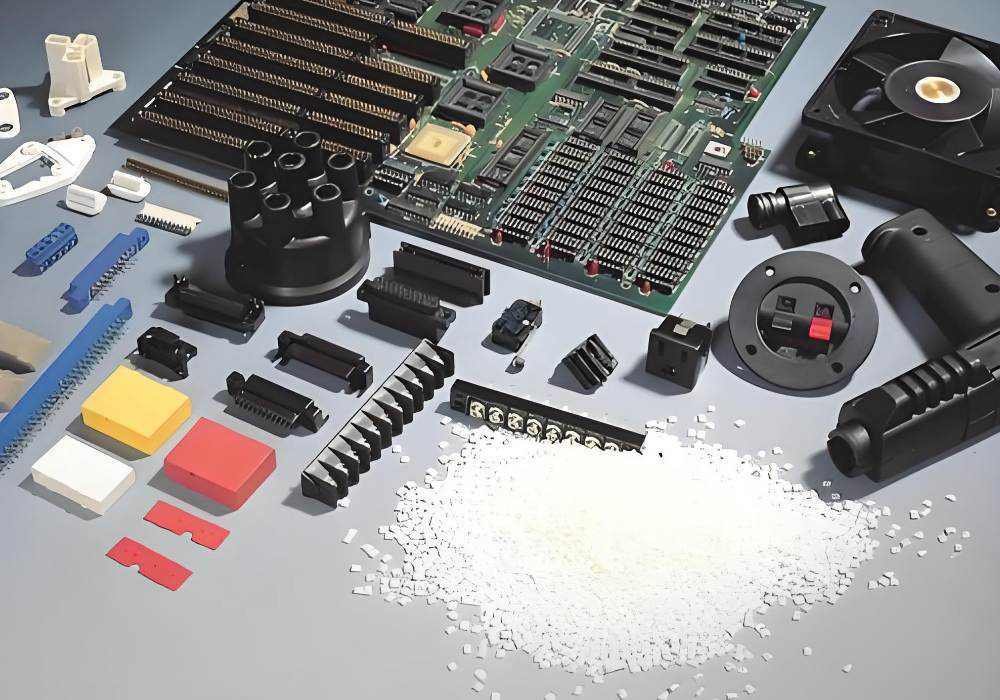
Characteristics and Applications of Injection Molded PBT Parts
Molded parts built from this polyester deliver a balance of toughness and stable dimensions that many high-volume products need.
In-molded part characteristics
Expect attractive surface finish and tight dimensional control thanks to rapid crystallization. That helps cosmetic covers, bezels, and visible housings keep color and texture.
Parts show good impact and fatigue resistance while maintaining electrical insulation and heat resistance for demanding environments.
Key applications across industries
Common uses include connector strips, terminal blocks, gears, bearings, pump housings, motor covers, and automotive trim. Use reinforced grades where strength and wear resistance matter.
Food-contact and consumer considerations (U.S.)
The resin is accepted for many food-contact container uses when you specify FDA-compliant grades. Verify additives—especially flame-retardant packages—before approving material for food or baby products.
Conclusion
Choose the right polyester grade and process control to lock in part performance and production predictability.
Polybutylene terephthalate (pbt) gives you short cycle time, good heat resistance, and strong electrical behavior when you manage drying and melt temperatures carefully.
If you need durable, dimensionally stable parts with broad chemical resistance, pbt in disciplined injection molding offers a reliable path. Work with Fecision, a specialist in the field of PBT injection molding, to lock grades, tooling, and tests so your manufacturing and compliance targets are met.