Ever noticed a flawless, crystal-clear plastic lens or transparent medicine package? In theory, it seems simple, but obtaining that clarity, strength, and mass production needs serious effort. This brings us to clear plastic molding – a process that is key to transforming a complicated idea into a useful product.
This guide will walk you through every critical aspect of clear plastic molding. Not only will you learn exactly what makes this process the best, but also how it works, turning a mysterious technology into a competitive advantage.
What is Clear Plastic Injection Molding?
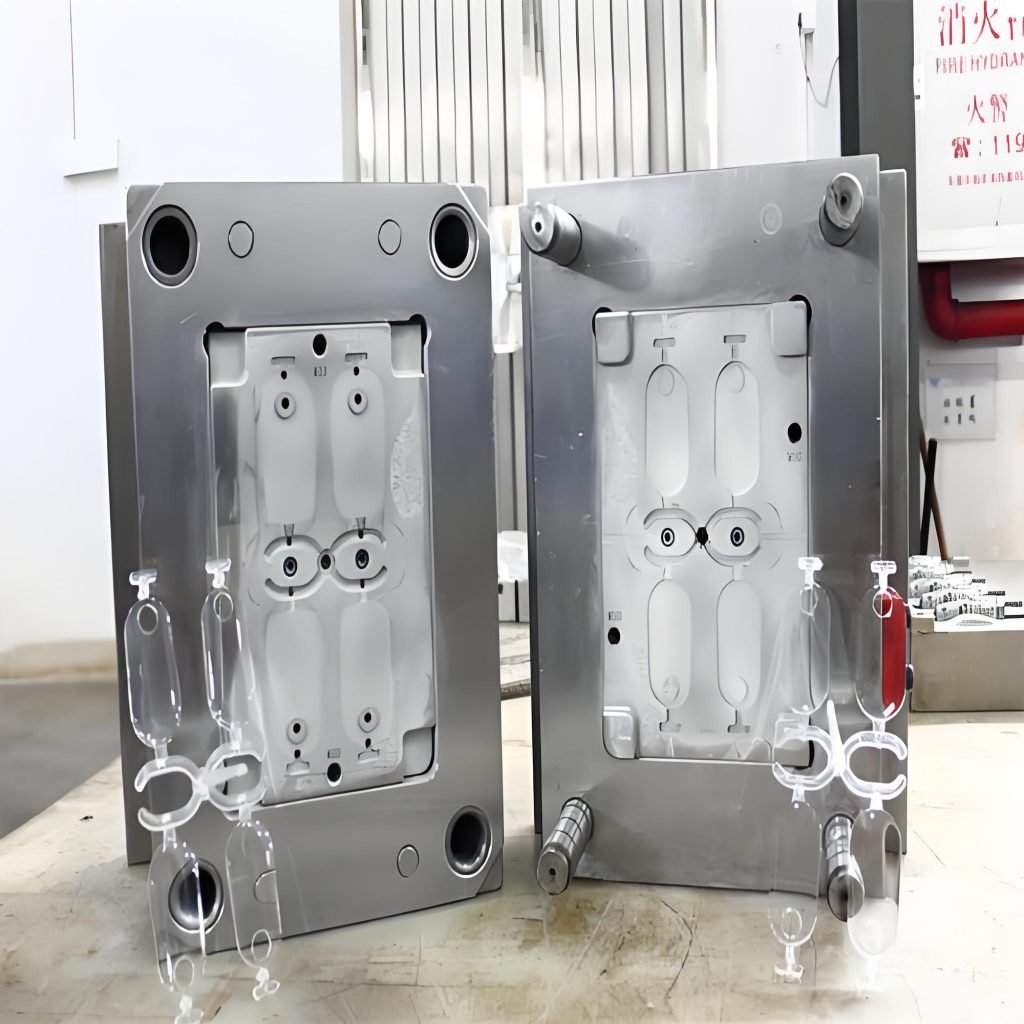
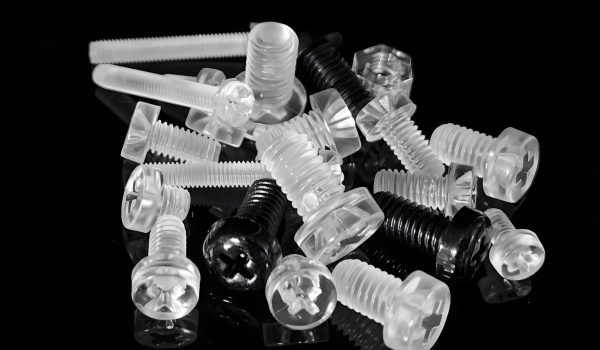
Clear plastic injection molding is an extremely precise method of manufacture. During this process, the transparent thermoplastic pellets are melted and injected into a detailed mold under highly pressured conditions. And this creates perfect, crystal-clear components with the smoothest optical-grade, glass-like finish. What’s more, the mitigation of imperfections from standard molding is ensured with careful material and process control to maintain clarity and precision, while producing lightweight and shatter-resistant components.
Key Benefits of Clear Plastic Injection Molding
Choosing this process for your transparent parts offers many compelling advantages. These are benefits that other manufacturing methods often struggle to match. You get a combination of quality, strength, and efficiency.
Optical Clarity Without Post-Processing
One of the biggest advantages is that the parts come out of the mold looking perfect. The mold cavities are highly polished. This polish transfers directly to the plastic part. It means you don’t need to do any extra buffing or polishing later. This saves you a lot of time and money in manufacturing.
From the first shot, you get a part with a clean, glass-like finish. This is a significant advantage for products that rely on visual clarity within their designs, such as lenses or display screens. The surface quality is truly incredible, right off the machine.
Design Freedom & Thin-Wall Capability
With this technology, you can create very complex shapes. You can add light-guiding ribs, tiny textures, and even flexible parts like living hinges, all in one single shot. You don’t need to assemble multiple pieces. This simplifies your design and reduces part count.
This process also allows for extremely thin walls. It helps you to not only save on material but also reduce the weight of the part even further. This enables all kinds of new possibilities for products that could never be produced before, and it brings you the freedom within your designs.
Weight Reduction vs. Glass
Plastic has a significantly lighter density than glass, typically half that of glass. This is a huge advantage for all products. For example, when building a handheld device, plastic will feel lighter and thus be more comfortable to use.
In the aerospace sector, reducing weight is key. Every gram matters. As such, it is better to use clear plastics to remove significant amounts of overall aircraft weight. This inevitably has a huge impact on the reduction of fuel consumption and performance increases.
Shock & Impact Resistance
The clear plastics often used, such as polycarbonate and TPU, are incredibly tough. They can absorb a lot of energy from an impact. This means they are much more resistant to shattering or breaking than glass or even standard acrylic.
This makes them good for safety-critical applications. From safety shields to protective eyewear, or even automotive parts that may see impact during a crash, these plastics can offer high resistance to stress, ensuring reliable protection.
Scalability From Prototype to Millions
The same steel tool that creates your prototype can be used to make millions of identical parts for consistent, repeatable quality every single time. This allows for simple scalability – you can start with a small run and easily scale the business without the need to retool.
It doesn’t matter if you need 1,000 parts or 1,000,000 parts – the process is the same. This is crucial when talking about mass production. The reassurance to you is that you will get consistently expected quality.
Sustainability Options
Today, sustainability is important as every product has an impact. The good news is that there are options. Many clear plastics are recyclable. You can use materials like PE and PP to support a circular economy. This also helps with your brand’s image.
There are even bio-based acrylics. These materials come from renewable resources, and you can lessen your environmental impact by choosing them. It allows you to have a product that is high-quality and environmentally responsible.
Common Materials in Clear Plastic Molding
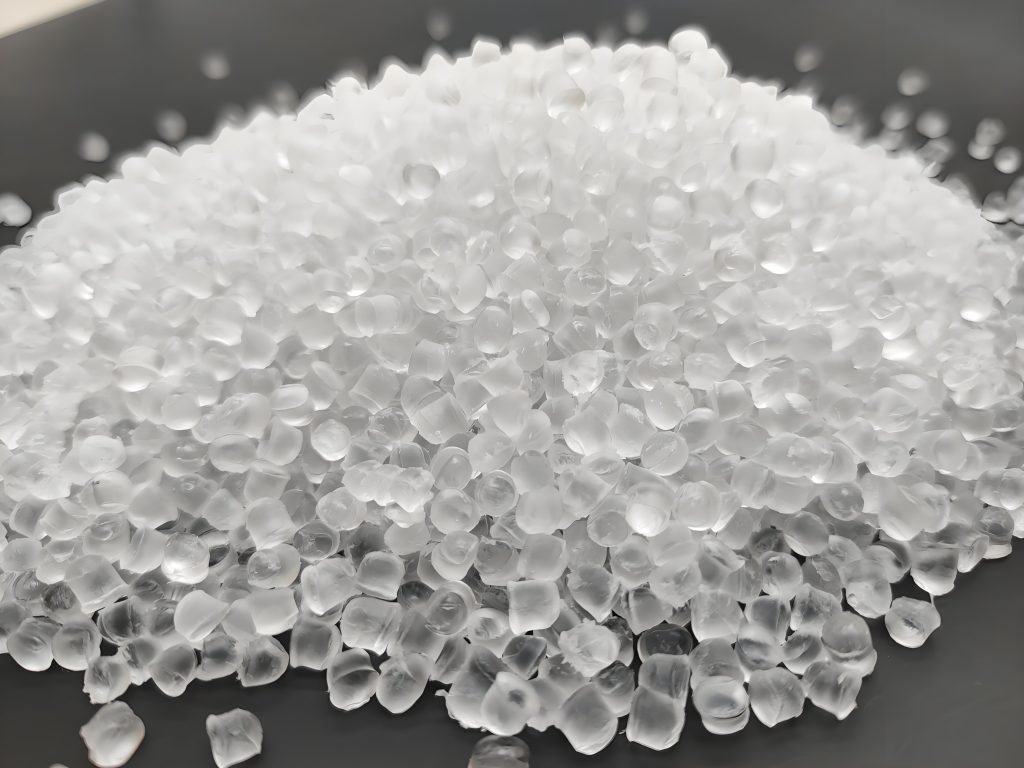
Choosing a suitable material is important. Each plastic resin will have different characteristics in terms of clarity, toughness, temperature resistance, chemical resistance, etc. If you choose the wrong resin, then even a perfect molding process may result in a finished part being cloudy. Let’s look at some common choices.
Acrylic (PMMA) – The Optical Standard
Acrylic has a glass-like sparkle. It is incredibly UV stable, making it ideal for outdoor or exposed applications. Once molded, acrylic can be laser cut easily for final shaping. It is widely used in lenses, display covers, and cosmetic products.
It is an excellent all-around material. It has outstanding optical clarity and is relatively easy to work with. Oftentimes, it is the first choice of designers who need a clear and shiny part.
Polycarbonate (PC) – Impact-Superhero
Polycarbonate is the strongest of all of the clear plastics. It has the most impact strength and temperature regulation, like being sterilized in an autoclave in medical applications.
Essentially, this material is used when strength and durability matter. It is great for safety shields, protective housings, and parts that need to be durable enough to withstand a lot of “abuse” without breaking.
Polyethylene (PE) & Polypropylene (PP) – Chemical & Cost Winners
These materials are generally less clear than acrylic or polycarbonate. However, they are excellent for other reasons. They are very resistant to chemicals and are often used for thin-walled sterile packaging.
PP is great for living hinge caps. These caps can snap open and closed millions of times without breaking. They are also very cost-effective, making them perfect for disposable products.
Nylon (PA) – Clear Engineering Grade
Transparent nylon is a specialized material with a great balance of strength and barrier properties. It is commonly used for sight windows in fuel systems where clarity and strength are both considerations.
It has unique properties, and it is a perfect choice for demanding applications. It is a niche material that offers robust performance in challenging engineering applications such as industrial and automotive systems.
Polyetherimide (PEI) – High-Heat Precision
PEI has a little amber hue, but has excellent optical clarity. Most useful is the ability to withstand extreme temperatures. This material can also survive the temperatures of solder reflow processes, which makes it even more versatile.
This makes it ideal for optical sensors and other electronic parts. You’ll find it in components used under the hood of a car when heat precision is an absolute priority.
Thermoplastic Rubber (TPR) & Thermoplastic Polyurethane (TPU) – Soft-Feel Clear
These materials are flexible and feel soft like rubber. They can be over-molded onto any stiff core material like polycarbonate. Thus, they can capably create functional, see-through tool handles or wearable straps.
They add a comfortable and functional layer to a product. You can use them to create grippy surfaces on tools or straps for wearable devices, adding both feel and transparency to your design.
Quick-Scan Property Table
| Material | Key Properties | Common Applications |
| Acrylic (PMMA) | Optical clarity, UV stable, easy to laser-cut | Lenses, display covers, cosmetic products |
| Polycarbonate (PC) | Highest impact strength, high heat resistance | Safety shields, protective housings |
| PE & PP | Chemical resistant, cost-effective, good for hinges | Sterile packaging, disposable products, caps |
| Nylon (PA) | Strong, good barrier properties, engineering grade | Sight windows (e.g., in fuel systems) |
| Polyetherimide (PEI) | High heat resistance, amber tint | Optical sensors, under-hood electronic parts |
| TPR & TPU | Flexible, soft rubber-like feel, can be over-molded | Tool handles, straps for wearable devices |
Common Applications of Clear Plastic Injection Molding
Clarity is a functional feature. Users need to see fluid levels, LED status lights, or sterile seals. This clarity also needs to endure drops, chemicals, and sterilization. Industrywide, clear plastic injection molding performs with the widest range of applications. Let’s look at some typical uses.
Medical & Healthcare
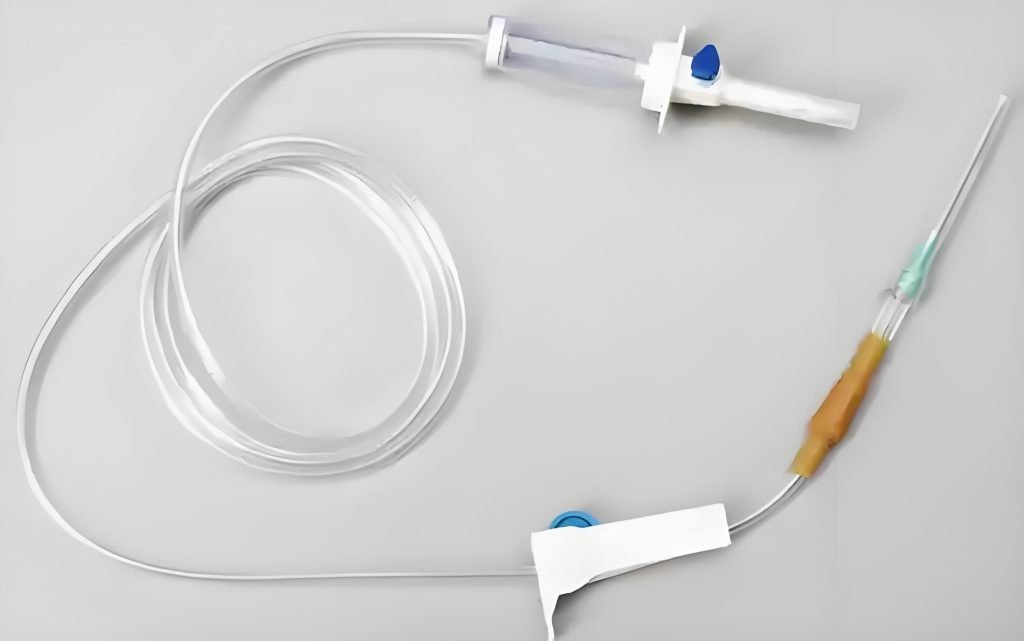
In the medical field, clear plastics are essential. Acrylic injection molding is used for things such as the housings of IV meters and the handles of surgical instruments. Clarity is essential, because doctors and nurses need to see what is going on. These materials are sterilizable, and need to strictly adhere to safety quality standards.
- IV meter housings
- Surgical instrument handles
- Luer connectors and drug-delivery pens
- PP micro-centrifuge tubes
Automotive & Mobility
Clear plastics are everywhere in modern vehicles. PC is used for headlight lenses. These lenses often have internal light-guide teeth to direct the light exactly where it needs to go. Transparent PP is used for coolant reservoirs so you can easily see fluid levels. These parts must be tough and resistant to temperature changes.
- PC headlight lenses
- Coolant reservoirs
- Dashboard indicator light pipes
- Transparent fuel-system sight windows
Consumer Electronics
Look at your phone. It probably has a clear plastic part. Clear injection molded plastics are used for smartphone flash lenses. PEI is used for internal camera brackets that can be soldered directly onto circuit boards. Decorative acrylic is used for earbuds, giving them a high-end, polished look right from the mold.
- Smartphone flash lenses
- Internal camera brackets
- Decorative earbuds
- Transparent casings for gadgets
Optics & Lighting
Clear plastics are critical for lighting. PMMA is used for TIR (total-internal-reflection) lenses in street LED modules. These lenses are highly efficient and direct light precisely. PC is used for safety shields over industrial high-bay lights to protect them from damage. The right plastic can transform how a light source works.
- TIR lenses for street lighting
- Safety shields over industrial lights
- Light-diffusing covers for grow lights
- LED light guides
Packaging & Caps
Clear plastics are great for packaging. Clarified PP is used for “blister” packs that display pharmaceuticals, allowing consumers to see the product without opening the package. Acrylic is used for beautiful perfume caps with molded-in logos. Transparent TPU can be over-molded onto luxury cosmetic cases, adding a premium feel.
- Pharmaceutical “blister” packs
- Acrylic perfume caps
- Transparent cosmetic cases
- Clear food and beverage containers
Aerospace & Defense
In aerospace, every part has to be reliable. PC is used for cockpit sight glasses for hydraulic fluid. These are tough and won’t break under pressure. Acrylic is used for windows on UAV camera gimbals. It is lightweight but strong. PEI lenses are used in missile-guidance optical sensors, trusted in critical applications.
- Cockpit PC sight glasses
- UAV camera gimbal windows
- PEI lenses in optical sensors
- Transparent covers for avionic displays
Conclusion & Why Fecision
Clear plastic injection molding turns transparency into a high-performance feature. The parts are lighter, tougher, and faster to produce than glass or metal. However, getting it right requires expertise. You need to choose the perfect resin, tool steel, and process settings.
At Fecision, we are dedicated to the precise art of clear plastic injection molding. Our mastery in the comprehensive scope of plastic material handling, precision mold design, and severe process control is essential to preventing defects and achieving flawless optical clarity. We guarantee the quality and performance of all of your transparent parts, whether they are complex acrylic injection molding or robust polycarbonate parts.
Utilizing leading-edge technology and a rigorous quality assurance program, we provide high quality clear injection molded plastics for a variety of industries, including medical, automotive, and electronics. We are not just a supplier; we offer full-spectrum services including DFM, prototyping, and high-volume production. We ensure you will get your project delivered within the timeline and to your specifications. Why not contact Fecision now to bring clarity and precision to your most innovative designs?