Have you ever thought about how your phone is charged, how your car starts, or how your computer can join the internet? Well, this is because of the unsung hero of electronic products: electrical connectors!
Every day, you probably use dozens of electrical connectors, often without realizing it, whether it is through your laptop’s USB cable, the connections that connect the various components in your TV, or anything else. Electrical connectors bridge the gap between various parts of circuits, which in turn make our lives worth living in this modern-day world!
In this article, we will take you to electrical connectors. We will be discussing how they are manufactured. We’ll cover everything from raw materials to high-tech processes that make these tiny tech giants. So enjoy the ride as we get connected!

The Basics of Electrical Connectors
So, back to electrical connectors. What is it? An electrical connector is used to connect two or more electrical circuits together. Basically, it is like a handshake between electricity, allowing it to flow between two electrical (or many electrical) components of a system that require current to operate. Without this bridge, there would be no usable electronic products we cherish today.
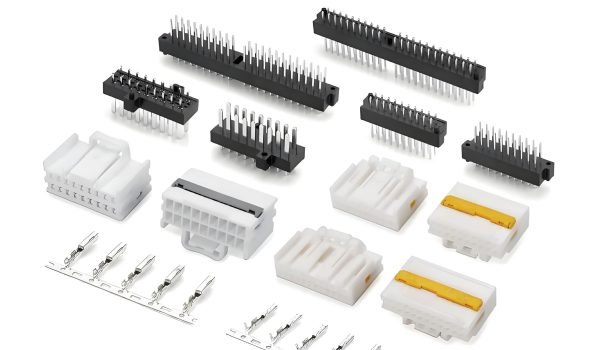
Now, let’s peek inside one of these connectors. You’ll typically find a few key players:
| The Connector Housings | They are the outer shell of the connector, usually made of plastic. It serves as the body of the connector and provides insulation and protection to the internal components as a group. |
| The Connector Contacts | These are the conductive parts, usually made of metal. They’re the actual “hands” that grip and allow the electricity to flow. |
| The Connector Terminals | They ensure that the electrical connection connects reliably and effectively to other circuits or devices. |
Believe it or not, there’s a whole universe of different types of electrical connectors out there, each designed for specific jobs. You’ve got:
| Circular Connectors | Think of the robust, screw-on types you might see in industrial equipment. |
| PCB Connectors | These are the tiny soldiers you find soldered onto circuit boards inside your electronics. |
| Rectangular Connectors | They are used in many applications from computers to on-vehicle, automotive applications, and everything in between. |
| RF Connectors | RF (radio frequency) connectors are used for signals that transmit high frequencies, such as those used by a Wi-Fi router. |
| Fiber Optic Connectors | Unlike electrical connectors that transmit information using electrical signals, fiber optic connectors transmit information using light. |
Materials for Connector Manufacturing: To Choose the Right Stuff
Manufacturers, like cooks, have specific ingredients required to make a reliable electrical connector. The selection of materials is important, not just randomly selected, and it is important for performance, longevity, and safety. Let’s review the essential ingredients:
Conductive Materials: Let the Electricity Flow!
For conductive materials, metals like copper alloys are ideal. Brass is widely used for its balance of conductivity and machinability, while phosphor bronze offers springiness and fatigue resistance, making it perfect for connectors. For heavy-duty applications, beryllium copper (BeCu) provides excellent strength and conductivity. Each alloy suits different needs based on durability and performance requirements.
Insulating Materials: Keeping Things Safe and Sound!
Plastic is typically preferred for connector housings. Polybutylene terephthalate (PBT) is a popular choice due to its affordability, excellent electrical insulation, heat resistance, dimensional stability, and lightweight properties. Alternatively, liquid crystal polymer (LCP) is widely used for its superior heat resistance and stability, making it ideal for high-performance applications. Both materials offer reliable solutions for different housing needs.
Plating: The Protective and Performance-Boosting Layer!
Connector contacts often receive a protective metal coating called plating, acting like a superhero shield. Gold plating is widely used in high-reliability applications for its excellent conductivity and corrosion resistance—essentially boosting performance. Nickel plating is also common, either as a base layer beneath gold or as a durable outer coating to enhance abrasion resistance. These platings ensure longevity and optimal electrical performance.
Material selection requires a fine balance of all considerations, including costs, performance parameters, and environmental considerations in which the connector will exist. In all honesty, it really is about putting all those proper elements together for a reliable connection!
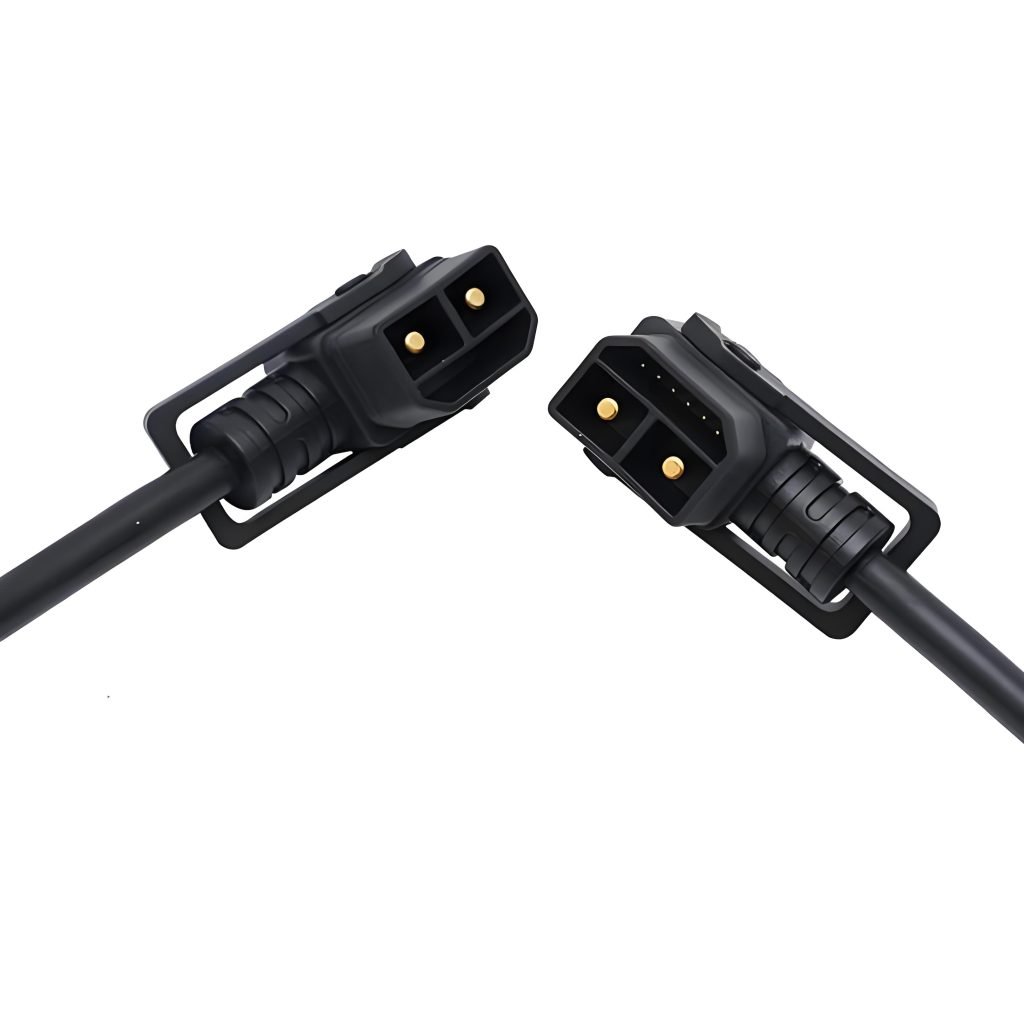
Connector Manufacturing Methods: The Magic Behind the Scenes
Lots are involved in turning basic material into a finished electrical connector, and there are several important manufacturing processes that are employed. Let’s take a brief look at some of the primary processes.
Stamping
Stamping is one of the “superhero moves” in transforming plain sheets of metal into the super-conductive connector contacts, or connector terminals, that they use inside electrical connectors. Imagine an oversized, high-precision cookie cutter, and that’s what a stamping die is. A stamping die is secured to extremely high-speed presses, which come down hard upon the metal strips to punch the contacts or connector terminals quickly and accurately. Watching the metal form is like watching a rush-hour ballet, while tons of vital snapped-up parts materialize in mere seconds!
Electroplating
After stamping the metal parts, you can send them to the electroplating spa. Here, the metal is coated with a very thin layer of another great metal, such as shiny gold, valuable tin, or tough nickel, using the powers of electricity. Think of it like giving your electrical connectors metal parts some superpowers! The unique coating enhances performance by allowing them to conduct electricity more efficiently, mitigates nasty tarnishing by corrosion, and helps them be minimally soldered.
Injection Molding
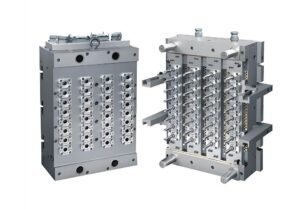
This is typically the process when making the plastic connector housings and insulators of electrical connectors. Plastic pellets are melted and then injected (under high pressure) into a connector mold that has been carefully designed. Once injected, the molten plastic will fill the injection mold cavity, take the shape of the injection mold, and then cool and solidify. The process is similar to making a Jell-O mold – but with very hot plastic! Connector injection molding allows for complex geometries and details, which are very important in making sure the connector housing works and fits correctly.
Overmolding
Sometimes, components of electrical connectors use multiple materials, such as plastic housing that molds directly to metal contacts or connector terminals. This process is called overmolding. Overmolding makes use of a two (or maybe more) step injection molding process, where one material is molded, and then another material is molded over or around that other molded item. This will have some definition in regards to sealing, strain relief, and increasing the durability of the electrical connector assembly.
These manufacturing methods often work in tandem, with stamped metal parts being inserted into connector molds for the plastic housings, and then potentially undergoing further assembly processes.
Manufacturing Electrical Connectors: Piece by Piece Perfection
The process for developing an electrical connector takes many basic raw materials and processes them through a series of important manufacturing processes. Let’s take a look at one or two of the basic processes:
Manufacturing a Connector Housing: From Tiny Pellets to Protective Shell
The connector housing is the connector’s physical shell that provides structural support, insulation, and retains the connector’s assembly. The primary way usable housings are made is by connector injection molding. Here is a short overview of the connector injection molding process:
- Mold Design: The injection molding process incorporates a careful and detailed design of the housing. Engineers need to consider how many connector contacts, how the connector will mate with its counter connector, and whether there are any unique mounting requirements. Based on this information, the injection mold is made; a precision connector mold is typically made from hardened steel.
- Material Preparation: The plastic resin, in the form of small pellet stock, is charged into an injection molding machine.
- Melting and Injection: Once in the connector injection molding machine, the pellets are heated until molten plastic, which is injected at high pressure into the cavity of the injection mold.
- Cooling and Ejection: After filling the connector mold, the plastic cools and sets in the shape of the housing. The connector mold opens, and the housing is ejected.
- Finishing Touches: The connector housings may be subjected to an additional operation, such as removing excess plastic (flash) or creating features like mounting holes or keying features.
Manufacturing a Connector’s Insert: The Pin Separator
- Purpose: If you look inside electrical connectors, you will see an insert that positions the individual metal pins or contacts precisely to separate them from one another and locate the pins or connector contacts within the connector housing. Think about it as being the conductor on stage in a symphony, telling everyone where to be!
- Materials: The inserts are generally manufactured from a flexible material, such as rubber or silicone, but can also be made of rigid plastic. The material used with the connector will vary according to the connector design along with the flexibility, insulation and vibration resistance of the material.
- Quality Checks: All the inserts must be perfectly formed and free from defects. In some cases, this is done visually or occasionally, backlight tests whether there are any cracks or defects that could prevent the insert from being insulating.
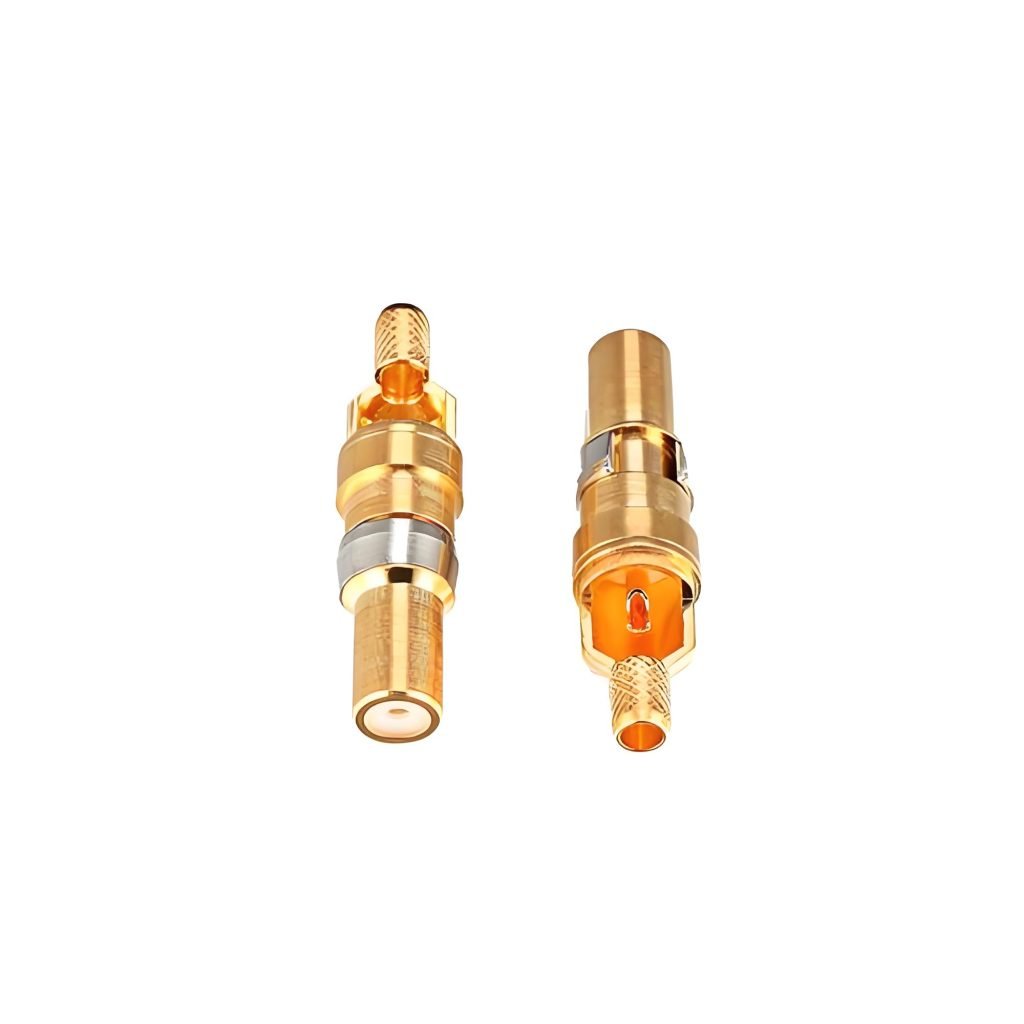
Manufacturing Contacts
The connector contacts are the workhorses of the electrical connector, providing the actual electrical connection. These are typically manufactured using the stamping process:
- Die Creation: A stamping die, a precision tool with the exact shape of the contact, is created. These dies can be incredibly intricate, especially for complex contact designs.
- Metal Feeding: The selected metal (i.e., brass or copper alloy) will be loaded into a high-speed stamping press as either a coil or a strip of metal.
- Stamping Operation: A die will descend with some force, contact the strip of metal, and inertia will allow the die to do multiple operations on the strip, including cutting of the shape of the stamped contact, and forming features that assist with, but do not include, spring elements such as contact surfaces and terminations.
- Post-Stamping Processes: After the stamping operation has been completed, the contacts may be subject to a variety of additional operations, including bending, forming, and coatings.
Assembling an Electrical Connector
After all the individual parts – housing, insert, contacts – have been manufactured, they are brought together to make the final assembly electrical connector. The assembly can be anywhere from a totally automated assembly to a manual assembly, depending on the complexity and volume of the electrical connector.
- Contact Insertion: The stamped contacts, and generally those that have been plated as well, need to be inserted into the openings of the plastic housing or insert. This needs to be done accurately to provide proper fitment and alignment, and retention of the contacts. Automated machines are normally used for high production units, as they provide accurate placement and fitting of the contacts.
- Sub-Assembly (if needed): Some connectors may have sub-assemblies that are put together prior to final assembly.
- Final Assembly: The various pieces are combined and fastened. This may involve snap-fit designs, ultrasonic welding (for plastic parts), or other types of fasteners.
- Quality Control: Just as there are required quality control checks in regards to the manufacture and assembly of the final electrical connector to ensure its specifications, dimensions, quality, and performance, there are required checks as well for dimensions and electrical testing, and visual checks.
Custom Electrical Connector Manufacturing Services
As has been noted, manufacturing electrical connectors is a detailed and precise intermingling of precision engineering, materials science, and advanced manufacturing techniques, with highly specialized skills needed in all aspects of the process.
This is where Fecision becomes important. We understand the intricacies of the entire process from the first idea through to the final assembly. If you are looking for custom electrical connectors manufacturing services, we are your partners.
Our strengths particularly shine in:
- Injection Molding: We are experienced in design and manufacturing of high-precision plastic injection molds for the most complex connector housings. It does not matter if the specific materials, rapid prototyping, or high-volume production are required. Working with Fecision for your custom plastic connector parts will give you flexibility in design, cost savings, and guaranteed quality.
- Metal Stamping: We are experts in the design and manufacturing of high-precision stamping dies for your custom metal contacts and other metal components for your connectors. With capabilities in multiple metal materials, high-speed stamping applications, and a commitment to tight tolerances, Fecision provides accuracy and efficiency. Fecision is the ideal choice for your custom metal connector parts, as we will deliver accuracy while you also receive the benefit of high-volume capability and a lower cost.
So if you are looking for a company to partner with to manufacture your custom electrical connector designs, you have arrived in the right place. We make it our mission to be the best at what we do, so you can always trust us to develop high-quality connectors that are always improved as we go along.