Did you know that companies that efficiently introduce new products to the market can increase their revenue by up to 30%? This significant boost underscores the importance of a well-structured New Product Introduction (NPI) process in manufacturing.
The NPI process is a systematic approach that bridges the gap between product development and full-scale production, enabling businesses to bring innovations to market quickly and cost-effectively. Understanding the NPI process is crucial for maintaining a competitive edge.
Understanding New Product Introduction (NPI) in Manufacturing
The process of New Product Introduction (NPI) is vital in manufacturing as it bridges the gap between product design and mass production. NPI is about ensuring that new products are not just well-designed but also practical for large-scale manufacturing.
Definition and Scope of NPI
NPI refers to the process of introducing a new product into the manufacturing environment. It involves planning, designing, testing, and validating the production process to ensure it meets the required quality and efficiency standards.
The scope of NPI includes all activities from the initial product concept to the ramp-up of full-scale production. It requires close collaboration between various departments, including design, engineering, and manufacturing.
How NPI Differs from New Product Development (NPD)
While New Product Development (NPD) focuses on creating the product concept, design specifications, and market requirements, NPI concentrates on how to manufacture that design efficiently and consistently.
NPD typically belongs to the realm of R&D and product management, whereas NPI bridges engineering design with manufacturing operations and supply chain management.
The Strategic Importance of New Product Introduction
NPI is a strategic process. By integrating NPI into their business strategy, companies can drive growth, improve efficiency, and enhance their competitive position in the market.
Driving Innovation and Competitive Advantage
A well-executed NPI process fosters innovation by allowing companies to bring new ideas to market quickly. This rapid innovation cycle helps businesses stay ahead of competitors and respond to evolving customer needs. By leveraging NPI methodologies, companies can differentiate their products and establish a strong market presence.
Reducing Time-to-Market and Development Costs
Effective NPI streamlines the product development process, reducing the time it takes to bring a new product to market. By optimizing design and manufacturing processes, companies can lower development costs and minimize the financial risks associated with new product launches. According to Quality Digest, improving the NPI process can significantly impact a company’s bottom line.
Enhancing Product Quality and Manufacturing Efficiency
NPI ensures that quality is built into products from the outset, rather than being inspected in later. This approach reduces defects and field failures, improving overall product quality. By designing products with manufacturing processes in mind, companies can also enhance manufacturing efficiency, reducing cycle times and resource requirements.
The structured validation phases within NPI verify that quality standards are met before full production begins, preventing costly quality issues during scale-up. Companies with mature NPI processes typically experience fewer quality issues during production ramp-up, underscoring the importance of a well-executed NPI strategy.

The 6 Phases of the NPI Process in Manufacturing
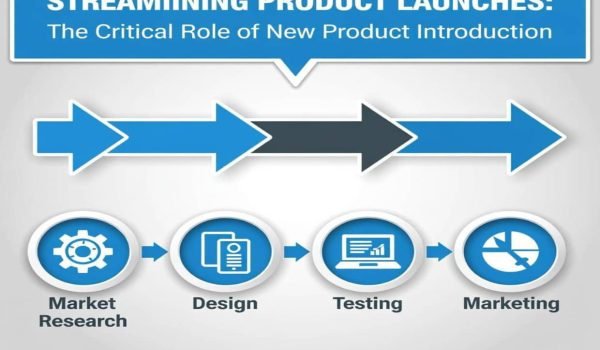
The NPI process encompasses six distinct phases, each playing a crucial role in the successful introduction of new products. Understanding these phases is vital for manufacturers to streamline their production processes and effectively meet market demands.
Phase 1: Planning and Concept Development
In this initial phase, you define the product concept, identify market needs, and outline the project scope. Effective planning sets the foundation for the entire NPI process, ensuring that all subsequent phases are well-directed and purposeful.
Phase 2: Design and Engineering
During the design and engineering phase, you develop detailed product designs and prototypes. This stage is critical for translating the product concept into a tangible form that meets the required specifications and quality standards.
Phase 3: Prototyping and Testing
Prototyping and testing allow you to validate the product design and performance. This phase is essential for identifying and rectifying any design flaws or functional issues before the product moves to full-scale production.
Phase 4: Pre-Production and Validation
In the pre-production phase, you prepare for full-scale manufacturing by validating production processes and ensuring that all necessary tooling and equipment are in place. This phase is crucial for confirming that the production line is ready for ramp-up.
Phase 5: Production Ramp-Up
During the production ramp-up phase, you gradually increase production volumes to meet market demand. This phase requires careful management to ensure a smooth transition from low-volume production to full-scale manufacturing.
Phase 6: Full-Scale Production and Market Launch
This final phase involves initiating full-scale production and launching the product in the target market. By this point, all processes will have been implemented to ensure production quality is of the highest standard and that the supply chain is fully validated and prepared for launch. Key activities during this phase include transitioning to ongoing production KPIs, coordinating market launch activities with production capabilities, and managing supply chain logistics to maintain consistent material flow.
As you move into full-scale production, you’ll need to focus on efficiency, quality, and delivery performance. Market launch activities must be carefully coordinated with production capabilities to ensure product availability aligns with marketing and sales initiatives. Effective supply chain management is also critical during this phase to support sustained production volumes. Post-launch reviews should be conducted to capture lessons learned from the NPI process, which can improve future product introductions.
Key Components of a Successful NPI Strategy
To ensure the success of your NPI, it’s crucial to understand the essential elements that make up a robust strategy. A well-structured NPI process integrates multiple critical components that drive product quality, manufacturing efficiency, and supply chain reliability.
Cross-Functional Team Collaboration
Effective NPI requires collaboration across various departments, including design, engineering, manufacturing, and quality assurance. This cross-functional team collaboration ensures that all aspects of the product are considered, from design to production.
Effective Supply Chain Management
Managing your supply chain effectively is vital for NPI success. This involves identifying reliable suppliers, negotiating contracts, and ensuring that all components meet quality standards.
Quality Assurance and Control Systems
Robust quality assurance systems are essential for ensuring that your product meets the required standards. This involves implementing methodologies like Advanced Product Quality Planning (APQP) and Production Part Approval Process (PPAP). Clear quality standards and acceptance criteria should be established for each phase of the NPI process.
By integrating these key components, you can ensure a successful NPI process that delivers high-quality products to market efficiently.

Common Challenges in the NPI Process
As you navigate the New Product Introduction (NPI) process, you’ll likely encounter several challenges that can impact your product’s success. These challenges can arise from various aspects of the NPI process, including design, supply chain management, and quality assurance.
Design Rigidity and Late Changes
One of the significant challenges you may face is design rigidity and late changes. When design changes occur late in the NPI process, they can lead to delays and increased costs. It’s essential to strike a balance between flexibility and moving forward with the production process.
Supply Chain Disruptions
Supply chain disruptions are another challenge that can impact the NPI process. Ensuring that your supply chain is robust and can adapt to changes or disruptions is crucial for maintaining production schedules.
Quality and Compliance Issues
Quality and compliance issues often emerge during production ramp-up. If work instructions aren’t clear or training gets rushed, operators may struggle, leading to scrap and delays. In regulated industries, compliance is critical; missing documentation or traceability can result in regulatory setbacks.
To mitigate these challenges, establishing robust quality systems before production begins is essential. This includes clear work instructions, appropriate inspection methods, and effective training programs. Identifying compliance requirements early in the NPI process and integrating them into design and process development activities is also vital.
Best Practices for Optimizing Your NPI Process
Optimizing your NPI process requires a strategic approach that incorporates thorough planning, digital transformation, and data-driven decision-making. By adopting these best practices, you can streamline your operations, reduce costs, and improve product quality.
Thorough Lifecycle Planning
Thorough lifecycle planning is essential for anticipating and mitigating risks associated with new product introductions. This involves understanding the entire product lifecycle, from design to production and eventual phase-out. By planning thoroughly, you can identify potential issues early and make informed decisions that impact the total timeframe and cost of a product during its lifecycle.
Digital Transformation of NPI Workflows
Digital transformation plays a critical role in modern NPI processes. By leveraging digital tools and technologies, you can integrate data from multiple sources, including market intelligence, supplier information, manufacturing metrics, and quality systems. This enables more informed decision-making throughout the NPI process.
Target-Based Costing and Data Integration
Target-based costing establishes clear cost objectives early in the NPI process, guiding design decisions to meet both performance and financial requirements. To achieve this, you need to integrate data from various sources. Breaking down data silos between functional teams enables more effective collaboration and prevents costly disconnects between design intent and manufacturing reality. By establishing common metrics and KPIs across all NPI teams, you create shared accountability for program success beyond functional objectives.

Industry Examples: NPI in Action
New Product Introduction (NPI) processes are crucial across various industries, including consumer electronics, automotive manufacturing, and medical devices. The way NPI is implemented can significantly impact a company’s ability to innovate, reduce time-to-market, and ensure product quality.
Consumer Electronics: Speed and Innovation
In consumer electronics, NPI is driven by the need for speed and innovation. Companies in this sector focus on rapidly bringing new products to market to stay competitive. This involves streamlining design, testing, and production processes.
Automotive Manufacturing: Complexity and Scale
Automotive manufacturing presents a different set of challenges for NPI, primarily due to the complexity and scale of production. Ensuring that new vehicle models or components meet safety and quality standards while managing large-scale production is critical.
Medical Devices: Compliance and Precision
The medical device industry illustrates the importance of regulatory compliance and precision in NPI. As noted, “In medtech, the clock matters, but compliance matters more.” Medical device manufacturers must adhere to strict standards for documentation, traceability, and validation. This includes rigorous documentation and validation protocols to satisfy FDA requirements, extensive clinical testing, and a focus on complete traceability throughout the product lifecycle.
Conclusion: Mastering NPI for Manufacturing Success
As you navigate the complexities of bringing new products to market, a well-structured NPI process becomes increasingly vital. Mastering New Product Introduction is no longer just a best practice, but a competitive necessity in today’s fast-moving markets. You’ve seen how effective NPI processes can improve time-to-market, product quality, and manufacturing efficiency while reducing development costs and risks.
By implementing best practices like cross-functional collaboration and thorough lifecycle planning, you can avoid common pitfalls that derail product launches. Your investment in NPI capabilities will yield long-term benefits, creating a sustainable competitive advantage. As manufacturing evolves, your NPI processes must also continuously improve to remain effective.