When it comes to producing high-quality plastic parts, injection molding is a popular manufacturing method. However, the process doesn’t always result in a finished product that meets precise specifications and aesthetic requirements.
You might wonder if there’s a way to enhance the quality and functionality of your molded parts. The answer lies in utilizing various post-processing options available for injection molded parts. By implementing the right secondary operations, you can significantly improve the appearance, functionality, and overall value of your products.
Understanding these processes is crucial for optimizing your manufacturing workflow and ensuring your final parts meet all design requirements and quality standards. Let’s explore how these processes can transform basic injection molded parts into high-performance components.
Overview of Secondary Processes in Injection Molding
When it comes to injection molding, secondary processes play a crucial role in enhancing the quality and functionality of your molded parts. Plastic injection molding manufacture utilizes different secondary processes to improve aesthetics, tolerance, dimensional integrity, and surface finish of molded parts.
Secondary processes in injection molding refer to any operations performed on a plastic part after it has been removed from the injection molding machine. These are designed to enhance or modify the part’s properties, serving multiple purposes including improving dimensional accuracy and enhancing surface finish.
The selection of appropriate secondary processes depends on various factors including the part’s material, design complexity, and end-use requirements. Understanding when and why to implement secondary processes is crucial for optimizing your manufacturing workflow.
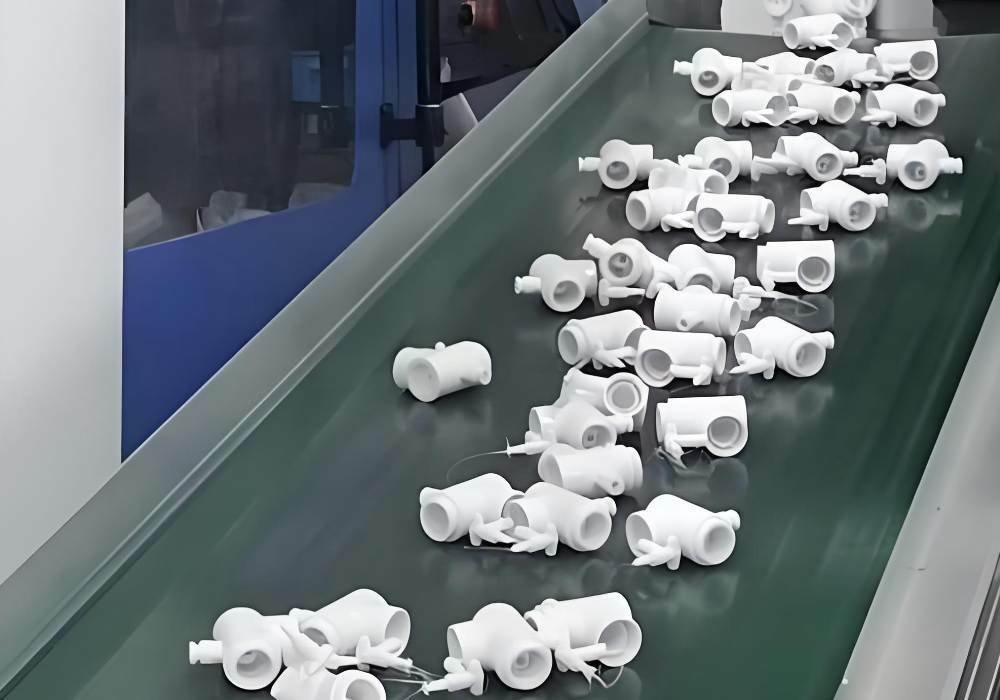
Types of Secondary Processes for Injection Molding
To produce high-quality injection molded parts, various secondary processes are employed to enhance their functionality and appearance.
CNC Machining and Milling
CNC machining and milling are automated processes that use computer-controlled cutting tools to add precise features to your injection molded parts. These operations can create complex geometries, tight tolerances, and specialized surface finishes on your plastic components.
Drilling and Tapping
Drilling and tapping operations are essential secondary processes that create functional features in your parts, allowing for assembly with other components using screws or other fasteners.
Ultrasonic Welding
Ultrasonic welding is a joining technique that uses high-frequency vibrations to create molecular bonds between plastic parts without adhesives. This process is ideal for creating strong, clean connections between components that won’t be disassembled.
Heat Staking and Fastening
Heat staking and fastening processes use localized heat to reform plastic material, creating permanent mechanical connections. These processes are particularly useful when joining plastic parts to components made from different materials.
Grinding and Conditioning
Grinding and conditioning processes remove excess material and achieve exacting specifications, significantly improving the aesthetic and functional qualities of your parts.
Decorative Treatments
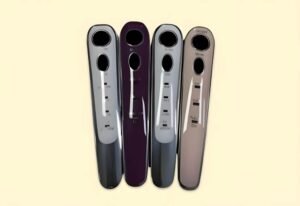
Decorative treatments such as pad printing, heat transfer decoration, hot stamping, and in-mold decorating enhance the visual appeal of your injection molded parts. These techniques add branding, instructions, or decorative elements to your plastic components.
Benefits of Implementing Secondary Processes
Secondary processes offer a range of benefits for injection molded parts, from improved precision to enhanced aesthetic appeal. By incorporating secondary operations into your production line, you can significantly enhance the functionality of your parts.
You’ll achieve tighter tolerances and improved dimensional accuracy, ensuring your parts meet the exact specifications required for critical applications. Secondary processes also allow for greater design flexibility, enabling the creation of more complex and versatile parts.
Additionally, secondary operations can simplify your production process by reducing assembly time and complexity. This can lead to cost savings and improved overall manufacturing efficiency. By enhancing the structural integrity and durability of your parts, secondary processes can also extend the lifespan of your products.

Conclusion: Optimizing Your Injection Molded Parts
By understanding the range of secondary processes available, you can significantly enhance the quality and functionality of your injection molded parts. To achieve this, it’s crucial to select the right combination of secondary processes based on your specific product requirements, including functional needs, aesthetic considerations, and budget constraints.
Working with Fecision, an experienced manufacturing partner, can streamline your production workflow and ensure consistent quality. Staying informed about innovations in secondary processing techniques will help you maintain a competitive edge and improve your products.