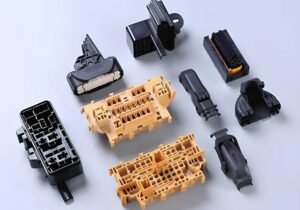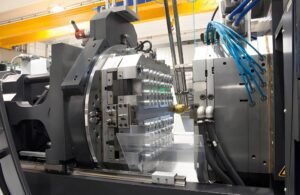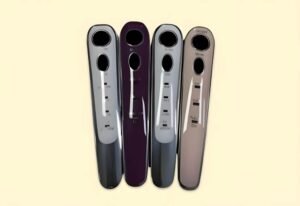

PVC is a popular thermoplastic known for durability, corrosion resistance and cost-performance. Depending on the formulation, PVC can be rigid or flexible which makes it suitable for products from pipe fittings to soft shoe components. PVC injection molding involves melting a PVC compound and injecting it into a mold cavity to create a final part.
This process is ideal for medium to high volume production where tight tolerances, consistent quality and repeatable surface finish matter. Because PVC is heat sensitive, temperature control and PVC ready equipment is critical. This guide explains everything you need to know about PVC injection molding, including the process, benefits, applications and how to choose the right PVC molding partner.
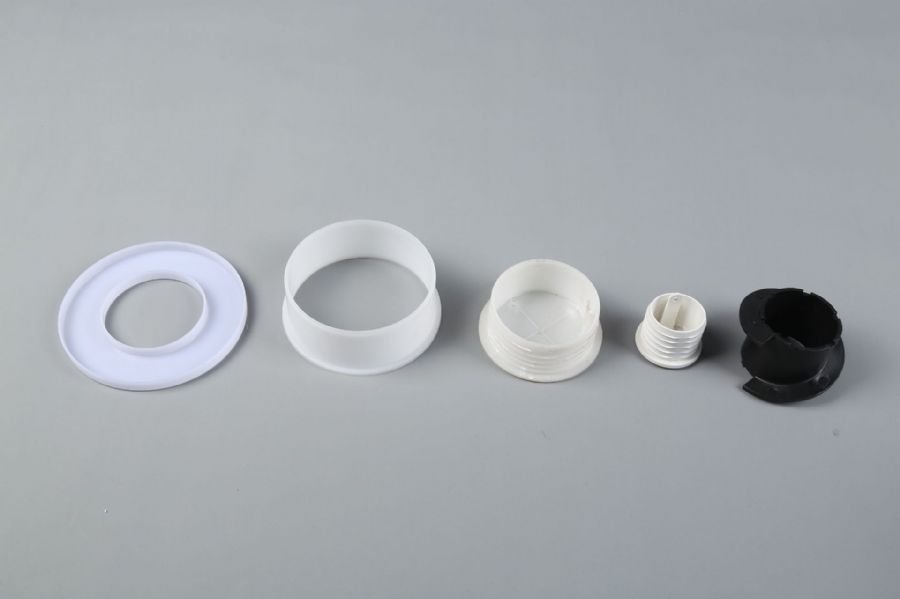
What is PVC Injection Molding?
Polyvinyl chloride (PVC) is the third most produced synthetic plastic polymer globally. PVC plastic injection molding is a manufacturing process where PVC pellets or powder are melted, injected under pressure into a steel or aluminum mold, cooled and ejected as a finished part. This process is good for medium to high volume production because it produces consistent dimensions and excellent surface finish at low per-unit cost.
PVC (polyvinyl chloride) is a thermoplastic. That means it can be re-heated and re-shaped repeatedly, which is what makes it compatible with the injection molding process. Its properties depend heavily on formulation, especially the addition of plasticizers, stabilizers, fillers and impact modifiers, so PVC material for injection molding can be engineered to match very specific end uses.
Types of PVC used in Injection Molding
PVC comes in two main forms: rigid (unplasticized) and flexible (plasticized).
- Rigid PVC (uPVC) is a strong, durable, and corrosion-resistant material. It provides excellent dimensional stability, making it a top choice for electrical enclosures, pipe fittings, valves, automotive parts, and structural components. Its robustness ensures consistent performance under harsh conditions.
- Flexible PVC (Soft PVC) contains added plasticizers that give it a softer, more rubber-like texture. Flexible PVC injection molding is used in medical tubing, seals, gaskets, cable sheathing, ergonomic grips, and footwear components. Its ability to bend, compress, and withstand repetitive movement makes it ideal for dynamic applications.
The choice of PVC grade affects molding parameters, cycle times and part performance.
Can PVC be Injection Molded?
Yes, PVC is one of the most common injection molded thermoplastics. However, it requires specialized equipment, tight temperature control, corrosion resistant components and precise formulation handling. This is because PVC is heat sensitive and can degrade if processed incorrectly.

PVC Injection Molding Process
The systematic PVC injection molding process requires precise control at every stage to produce high quality finished products. Unlike other thermoplastics, PVC requires special attention to temperature management throughout its process.
Step 1: Heating and Melting
First, PVC pellets are poured into a hopper on the injection molding machine. The machine heats the pellets until they melt into a thick liquid. The temperature must be controlled carefully because PVC can burn or degrade if it gets too hot. Inside the machine, a rotating screw moves the pellets forward, melts them evenly and mixes them so the liquid PVC is smooth and ready for molding.
Step 2: Molding and Cooling
Next, the melted PVC is injected into a metal mold under high pressure. The mold is made in the exact shape of the product, so the PVC fills every space inside it. After the mold is full, the PVC is left to cool. Cooling is important because it allows the PVC to harden and hold its shape. If it cools too fast or too slow, the product may shrink, bend or have defects. The mold temperature also affects the part’s form.
Step 3: Post-Processing
Once the PVC is fully solid, the mold opens and the part is removed. Some parts may require extra finishing. This can include cutting off excess plastic, smoothing edges or applying surface treatments like printing or coating. Since PVC absorbs moisture when stored, drying may be necessary before packing or further use. This helps keep the product strong, clean and long-lasting.
Benefits of Injection Molding PVC
PVC injection molding remains popular because it combines performance, flexibility and cost effectiveness with real-world durability. Here’s why manufacturers keep using it:
- Flame Retardancy: PVC has self-extinguishing properties, so no need for expensive flame retardant additives. That’s why it’s used for electrical enclosures, cable parts and safety-critical products.
- Cost and recyclability: Injection molding distributes tooling investment across a larger production volume, making the per-unit cost competitive for large runs. PVC is also recyclable, and regrind from runners or rejected parts can often be reused when properly controlled.
- Durability and chemical resistance: PVC has excellent chemical resistance to acids, bases, salts, oils and alcohols. Intrinsic flame retardancy and impact resistance means long life across many applications.
- Rigid and Flexible Forms: PVC can be formulated as rigid or flexible with simple compound changes, so both tough structural parts and soft rubber-like components from the same base polymer.
- Easy to Color or Modify: PVC accepts pigments, stabilizers, fillers and performance additives well, so custom colors and enhanced UV or mechanical properties for branded and specialty products.
- Mass Production Friendly: PVC flows well in injection molding, supports fast cycle times and maintains dimensional accuracy. So suitable for high volume production with minimal waste and consistent quality.
PVC Injection Molding Applications
PVC is one of the most versatile materials in modern manufacturing. Here are the most common PVC injection molding applications.
1) Flexible PVC injection molding in medical devices
In medicine, manufacturers use flexible PVC because it’s safe for medical use, easy to sterilize and can be made clear and smooth. Medical grade PVC is molded into items like IV bags, tubing, catheters and oxygen masks. These products must meet strict safety and regulatory standards which PVC can support when formulated correctly.
2) Construction and plumbing components
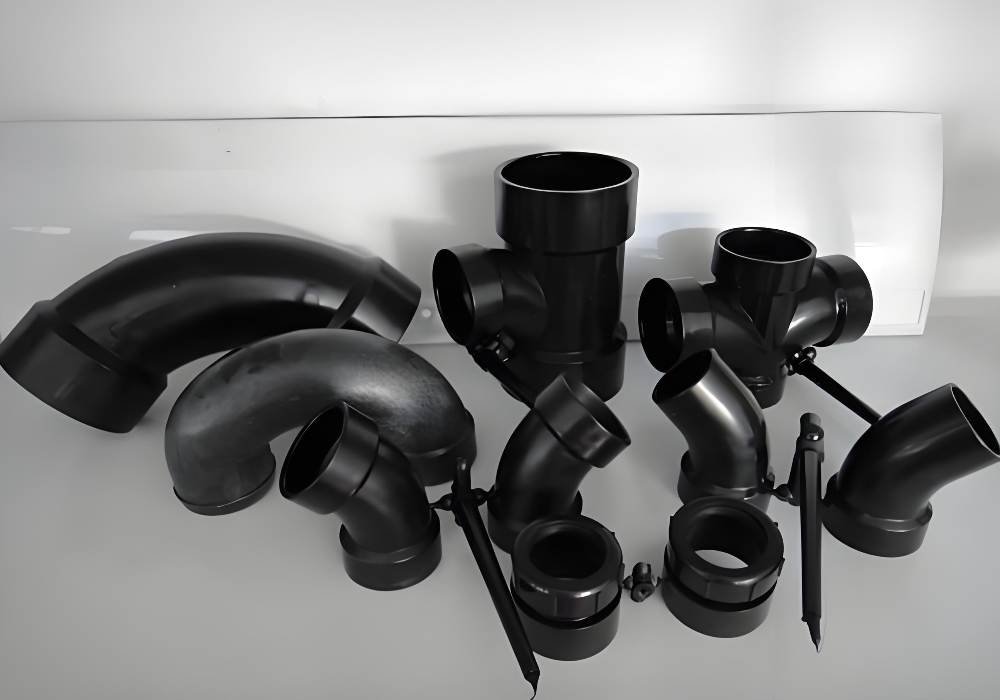
In construction and plumbing, rigid PVC is popular because it’s lightweight, long lasting and rust and corrosion resistant unlike metal. Injection molded PVC parts are used for pipes, valves, fittings, window profiles, gutters, siding, fencing and plumbing fixtures. PVC systems also reduce leakage risks and are recyclable which adds to their value in modern construction.
3) Automotive interior and exterior parts
In automotive, PVC injection molding is used for both interior and exterior parts that need strong chemical resistance and durability. Typical molded products include interior panels, dashboards, trims and cable covers. These parts improve vehicle appearance while staying tough enough for daily use.
4) Consumer goods and packaging
For consumer goods and packaging, PVC helps manufacturers produce large quantities of consistent and accurate parts. It’s used for packaging components, bottle caps, handles, household accessories and furniture parts where cost, strength and repeatability matter.
5) Electronics and wire insulation
For electronics and electrical applications, PVC provides excellent insulation properties. Wire insulation benefits from PVC’s flexibility, moisture resistance and temperature resilience. Considering the specialized requirements for these applications, selecting the right PVC injection molding company is crucial.
Visit Fecision for solutions across these diverse applications.
Common Injection Molding PVC Problems & How to Fix Them
PVC is more heat sensitive than most thermoplastics. Most defects come from thermal degradation, trapped gases or poor flow balance. Below are the most common injection molding PVC problems, their causes and the most reliable fixes.
1) Burning / Black Specks
Burning occurs when PVC overheats or stays too long in the barrel, causing thermal degradation and black specks on the surface. Reduce barrel/nozzle temperature, lower screw speed and ensure proper venting to get rid of trapped gases. Regular purging also helps prevent residue buildup that causes burns.
2) Poor Weld Lines
Weld lines form where multiple flow fronts meet and don’t bond properly, usually due to low melt temperature or slow injection speed. Increase melt temperature, reposition gates and improve flow design to create stronger, cleaner weld lines. Proper venting also reduces line visibility.
3) Bubbles & Voids
Bubbles and voids are caused by trapped air, moisture in the material or insufficient packing pressure. Dry the material if needed, improve mold venting and increase holding pressure to get denser, void free parts. Slower, more controlled filling also minimizes air entrapment.
4) Warping
Warping is due to uneven cooling, high internal stress or inconsistent wall thickness. Optimize mold cooling channels and balance holding pressure to reduce stress. Uniform wall design and adjusting melt temperature helps prevent part distortion.
5) Poor Surface Finish
A rough or dull finish is usually due to low melt temperature, contaminated material or mold cavity imperfections. Raise the melt/mold temperature to improve flow and surface replication. Cleaning the mold, polishing cavity surfaces and ensuring clean PVC compound also improves surface quality.
6) Discoloration
PVC discoloration is a sign of thermal degradation due to overheating, excessive shear or prolonged residence time. Lower processing temperatures, reduce screw speed and use stabilizer rich PVC compounds to maintain color consistency. Avoid long pauses that cause heat soaking inside the barrel.
Why Fecision for PVC Injection Molding?
PVC isn’t forgiving. You need not just machines but the right process discipline, material knowledge and quality systems. That’s where Fecision stands out.
- 10+ years of proven experience for stable, repeatable PVC molding.
- PVC-ready machines with corrosion resistant parts and low-shear control to prevent burning or degradation.
- Strong R&D support to optimize materials and processes for better part performance.
- Strict quality systems ensure tight tolerances, clean surfaces and low defect rates.
- Flexible production from small trials to high-volume runs, with custom colors and formulations.
- Global customer service built on long-term partnerships and reliable delivery.
Conclusion
PVC injection molding is one of the most reliable and cost effective ways to produce durable components across various industries including construction, automotive, medical devices, electronics and consumer goods. Its versatility, chemical resistance and strong mechanical properties make it a preferred material for mass production. Understanding the PVC molding process, including its temperature requirements, benefits, and challenges, helps businesses make informed decisions when designing products or selecting a manufacturing partner.
Let’s Build Your PVC Parts the Right Way
Whether you need rigid PVC fittings, flexible medical components, electrical housings or high-precision custom parts, Fecision is ready to support your project from design to mass production.
Send us your drawings or requirements and our engineering team will evaluate material fit, optimize your design for PVC molding, provide a clear quotation and deliver stable, high-quality parts at scale.
Visit Fecision or contact us today to start your PVC injection molding project with a reliable long-term partner.