Surprising fact: more than 30% of single-use foam used in packaging and insulation is made from polystyrene, a lightweight material that is 95–98% air in its expanded foam form.
You’ll get a clear snapshot of polystyrene so you can decide if it fits your project. This section explains what the material is, its core properties like clarity, rigidity, low shrinkage, and why it acts as an excellent electrical insulator.
Polystyrene (PS): What Is It?
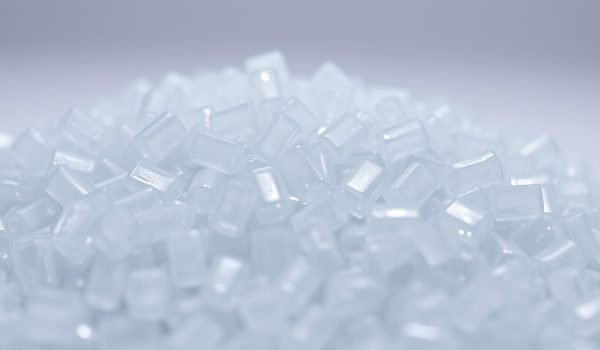
Polystyrene is a thermoplastic created when styrene monomers join into long chains by free-radical addition polymerization. This conversion turns small vinyl molecules into an amorphous polymer that softens with heat and reshapes under controlled processing.
The unmodified grade, general-purpose polystyrene, is clear and glassy with crisp detail, but it is brittle and sensitive to UV and some solvents. Its glass transition temperature sits near 100°C, so it keeps shape up to moderate temperature limits.
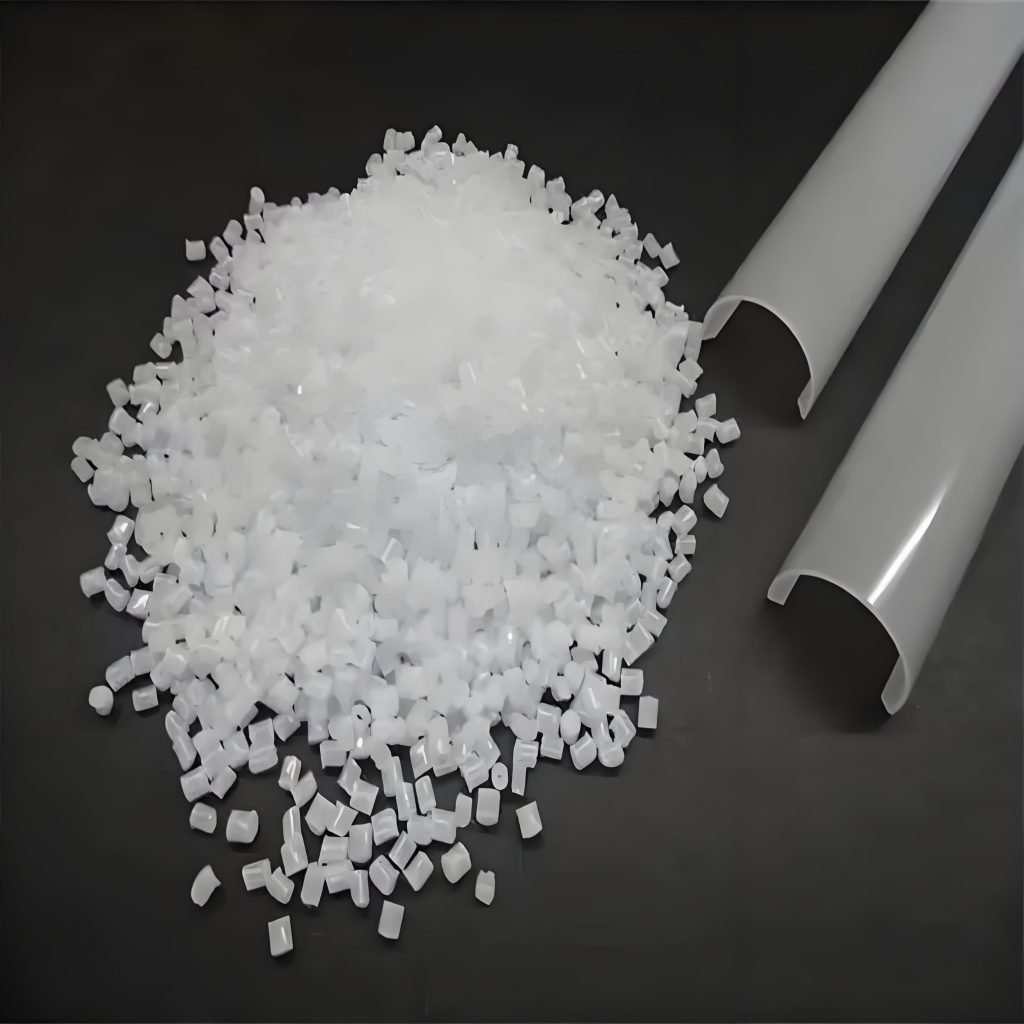
From monomer to finished forms
You’ll find polystyrene processed by injection molding, extrusion, and vacuum forming for consumer goods and packaging. Copolymers and blends—like rubber-modified HIPS, ABS, and SAN—raise impact strength and chemical resistance for tougher applications.
Foamed and modified options at a glance
Foamed types such as EPS and XPS trap air for lightweight insulation and cushioning. Use GPPS when clarity matters, HIPS for toughness, and foams when weight or thermal performance drives your design.
Polystyrene Properties and Mechanical Specifications
Knowing exact numbers for clarity, strength, and thermal limits makes design decisions easier. Below are concise, quantitative specs to help you evaluate polystyrene against your functional requirements.
Optical, density, and dielectric behavior
Solid polystyrene has density around 0.96–1.05 g/cm3 and optical transmittance up to ~88% with a refractive index near 1.59. That makes it a cost-effective alternative to glass for clear housings and windows.
The dielectric constant sits near 2.6 across 1 kHz–1 GHz, so you can rely on stable insulating performance in electronic enclosures and labware.
Mechanical profile
Tensile strength typically runs 46–60 MPa with Young’s modulus about 3–3.6 GPa. Elongation at break is low (3–4%), and Charpy impact falls near 2–5 kJ/m2, so expect stiff, crisp parts but limited toughness in clear grades.
Thermal and chemical exposure
Treat ~100°C as the glass transition temperature and practical upper service limit; above that the material softens quickly. Polystyrene resists diluted acids, bases, and some alcohols, but aromatic and chlorinated solvents attack it (acetone will dissolve parts).
Unstabilized grades have poor UV resistance; consider UV additives or coatings if sunlight or radiation exposure is likely.
Types of Polystyrene (PS)
Polystyrene comes in several distinct forms, each tuned for specific applications and processing methods. This section helps you match a family to your product goals so you can pick the right grade for clarity, toughness, or lightweight insulation.
GPPS — clear and detailed
General-purpose polystyrene (GPPS) is clear, hard, and excellent for parts that need fine detail and optical clarity. It is brittle without rubber modification, so protect parts from impact and UV when clarity is critical.
HIPS — impact-ready
High-impact grades add rubber to improve toughness. HIPS trades some transparency for much better impact resistance, making it a common choice for appliance trims, toys, and packaging trays.
Foams — EPS and XPS
Expanded bead foam (EPS) is ultra-light (11–32 kg/m3) and 95–98% air, ideal for cushioning and thermal panels. Extruded foam (XPS) has closed cells and smoother surfaces with densities around 28–34 kg/m3 for board insulation and formed components.
Copolymer blends and specialty grades
Blends like ABS and SAN tune toughness, heat resistance, and chemical performance. Specialty syndiotactic grades offer higher crystallinity for niche thermal needs. Choose by process: GPPS/HIPS for thermoforming or injection molding, and foamed forms for lightweight protection.
Popular Polystyrene Uses
Across industries, polystyrene excels when clarity, light weight, or insulating foam is required. This gives you a quick, market-focused view so you can benchmark your product and plan for compliance and production needs.
Packaging and food containers
Rigid polystyrene targets clear trays, lids, and clamshells where gloss and stiffness help sell shelf appeal. EPS inserts protect goods during shipping and reduce weight in transit.
For food use, single-use food containers and cutlery are common, but mind temperature limits and time-in-contact to reduce styrene migration.
Consumer goods and electronics
Polystyrene is frequent in housings, CD cases, office supplies, and toys. You’ll choose it when fine detail, crisp edges, and a smooth finish matter to your brand.
Medical and labware
Labware like Petri dishes and test tubes are often injection molded from polystyrene and sterilized by radiation or ethylene oxide. Avoid steam autoclaving; polypropylene suits that need more heat resistance.
Construction, insulation, and automotive
EPS and XPS boards provide lightweight insulation and structural panels with strong R-values. Foam forms also serve in child seats and energy-absorbing components to manage impact forces.
Overall, align grade and forming method—clear GPPS for display packaging, HIPS for tougher parts, and EPS/XPS for foam insulation—to hit cost, performance, and regulatory targets for your applications.
PS Plastic for Injection Molding
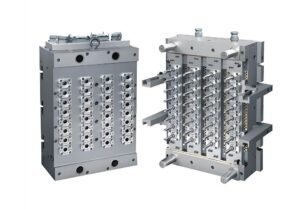
Molding polystyrene requires tight temperature control and deliberate gate and ejection design to protect detail and avoid defects.
Start by targeting a melt temperature range near 210–250°C and respect the short softening window. Maintain steady barrel, mold, and residence times to prevent burning or incomplete fill. With a melt flow index around 12–16 g/10 min, thin walls may need higher injection pressure, larger gates, or slightly higher melt temperature.
Advantages in production
Polystyrene offers low shrinkage (often under 0.5%), crisp detail reproduction, and high gloss. That reduces secondary finishing and raises first-pass yield.
Fast solidification and easy demolding can shorten cycle times, improving throughput when cooling channels and ejector timing are tuned.
Challenges and mitigation
Unmodified grades are brittle and can crack at ejector pins. Use generous draft, well-placed pins or sleeves, and even cooling to lower stress during ejection.
Gate design and runner balance matter because viscosity changes quickly near the processing window. Hot runners or valve gates help on multi-cavity tools.
Options for improved performance
Structural foam molding lets you make rigid, lighter parts with good dimensional control. For higher impact, pick rubber-modified blends like HIPS or SAN/ABS copolymers to boost toughness while keeping excellent surface finish.
Is Polystyrene Suitable for Thermoforming?
Vacuum forming works well with polystyrene when you control heating and part geometry for consistent thickness. The sheet softens above its glass transition near 100°C, so it stretches predictably and reproduces fine textures and logos with crisp edges.
Vacuum forming PS: detail fidelity, wall thinning, and part design tips
Design with generous radii and controlled draw ratios to limit wall thinning in deep draws. Pre-stretching and split-form stages help keep thickness in spec for tall features.
Allow 2–5 degrees of draft on vertical walls to aid release and cut scuffing. Maintain even sheet heating and use zoning to prevent hot spots or cold bands during the forming process.
Polystyrene yields high-gloss surfaces straight from the tool, so specify mold finish to save secondary work. For tougher trim and service, choose HIPS sheet instead of clear grades.
Plan smooth trim lines and rounded holes to reduce stress concentrations. Validate your setup with thickness mapping and section cuts from first articles before ramping to production.
Is Polystyrene Toxic?
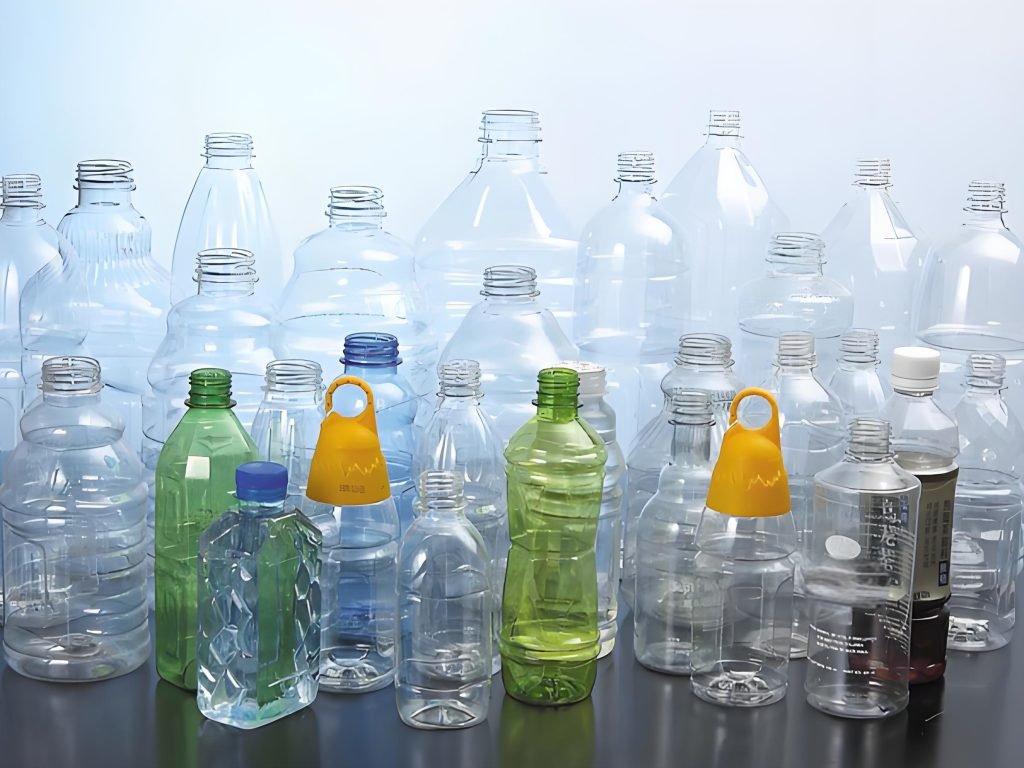
Concerns about polystyrene and human health often focus on styrene migration from finished parts. You should know that polystyrene is generally cleared for food contact in many jurisdictions, yet migration can rise with heat, fatty foods, or long storage.
Styrene migration, exposure pathways, and regulatory perspectives
Regulators classify styrene as a possible carcinogen, and some occupational studies link chronic exposure to central nervous system effects. Limit worker exposure with ventilation and monitor airborne styrene during processing.
Food contact safety, sterilization, and best practices in use
For food containers and labware, use grades approved for food contact and avoid hot-fill near 100°C. For sterile disposables, common methods are gamma radiation or ethylene oxide; do not autoclave since the material softens near its glass transition.
Avoid aromatic or chlorinated cleaners that attack the polymer and increase extractables. When assessing risk, review migration testing for your specific food type, time/temperature profile, and container geometry. Finally, steer used packaging toward proper waste streams to limit environmental spread of foams and other lightweight materials.
Conclusion
When your design needs glossy finishes and tight dimensional control, polystyrene is a practical choice. It suits packaging, clear housings, and labware where clarity, stiffness, and crisp detail matter.
Choose GPPS for transparency and low shrinkage, HIPS or copolymers for tougher parts, and EPS/XPS foams for lightweight cushioning and insulation. Remember the glass transition near 100°C and use radiation or EtO for sterilization rather than steam.
In production, the material rewards good tooling with precise results across injection molding, thermoforming, and extrusion. If heat resistance or durability is critical, consider polypropylene instead.
Share your drawings and requirements with Fecision. We’ll help select the right materials, dial in the process window, and validate parts so your applications move to reliable production with fewer surprises.