
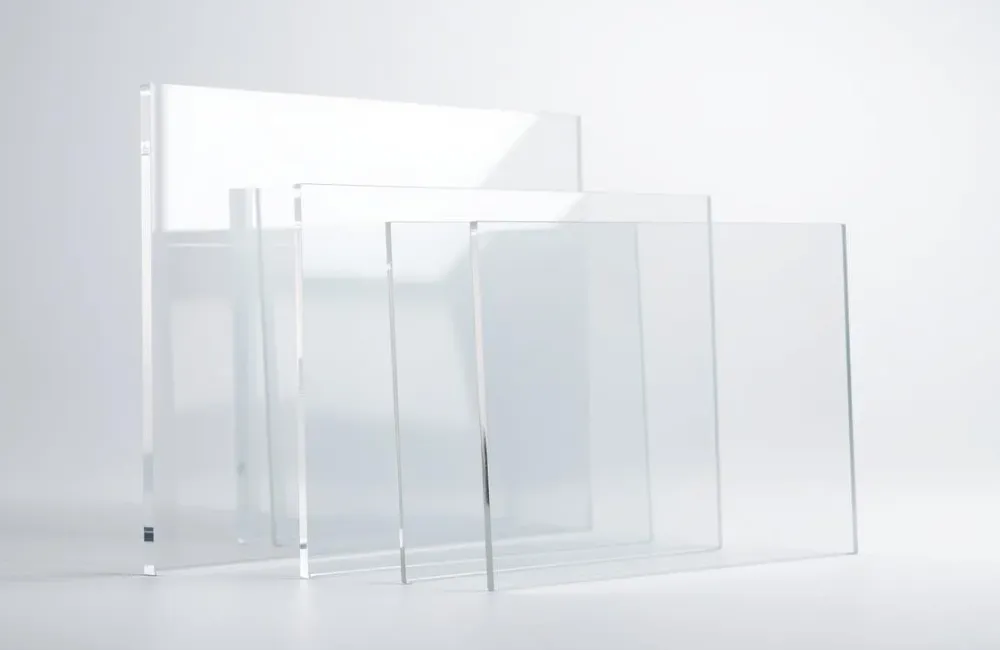
You may be surprised to know that over 90% of the world’s acrylic glass production is made from acrylic material, also known as Polymethyl methacrylate (PMMA). This versatile material is used across numerous industries, from construction to medical applications.
As a transparent thermoplastic, PMMA offers a unique combination of properties, including optical clarity, weather resistance, and mechanical stability, making it an excellent alternative to glass in many applications.
This comprehensive guide will explore the composition, manufacturing processes, and various forms of PMMA available in the market, helping you understand if this acrylic material is suitable for your specific needs.
What is Polymethyl methacrylate (PMMA)?
PMMA, or polymethyl methacrylate, is a type of plastic that’s known for its clarity, durability, and versatility, making it a popular choice across various industries. As a synthetic thermoplastic polymer, PMMA is also known as acrylic or acrylic glass, representing one of the most widely used transparent plastic materials in the world.
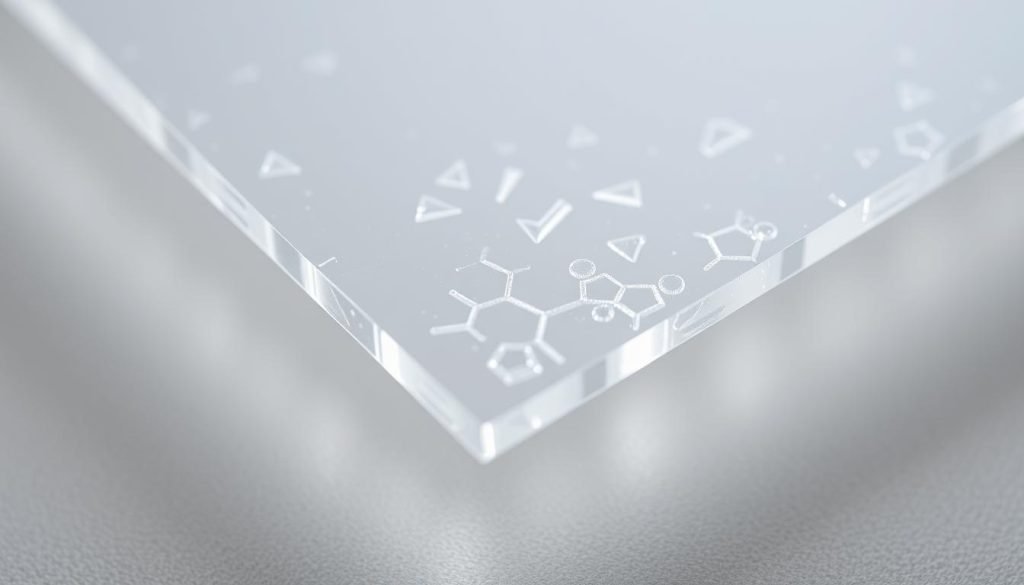
The chemical composition of PMMA consists of polymers formed from methyl methacrylate monomers, giving it a unique molecular structure that contributes to its exceptional optical clarity. This composition sets PMMA apart from other transparent materials like glass and polycarbonate, making it a preferred choice for specific applications.
Types of PMMA (Acrylic)
You can choose from two primary types of PMMA sheets: cast acrylic and extruded acrylic. These types differ significantly in their manufacturing processes and resulting properties.
Cast Acrylic Sheets
Cast acrylic sheets are produced through a cell casting process, where polymerization and molding occur simultaneously. This results in higher quality sheets with superior optical clarity and thickness consistency. Cast acrylic offers better chemical resistance, higher heat tolerance, and easier machining capabilities, making it ideal for applications requiring precision.
Extruded Acrylic Sheets
Extruded acrylic sheets are manufactured through an extrusion process, where PMMA pellets are melted and forced through a die. While more economical, extruded sheets have slightly lower optical and mechanical properties compared to cast acrylic. The choice between cast and extruded acrylic depends on your specific application requirements and desired properties.
Properties and Mechanical Specifications of PMMA
You will discover that PMMA’s unique combination of properties makes it an ideal material for many uses. Its characteristics can be broken down into physical and mechanical properties.
Physical Properties
PMMA is a lightweight material with a density of approximately 1.17-1.20 g/cm³, making it roughly half the weight of glass. This property offers significant advantages in applications where weight reduction is crucial. Additionally, PMMA exhibits impressive light transmission properties, allowing up to 92% of visible light to pass through a 3mm thick sheet.
Mechanical Characteristics
PMMA’s mechanical characteristics, including its tensile strength, flexural modulus, and impact resistance, position it between ordinary glass and impact-modified plastics like polycarbonate. While it has good impact strength, higher than both glass and polystyrene, it is significantly lower than some engineered polymers. Understanding these properties is essential for determining the suitability of PMMA for various applications.
Advantages and Disadvantages of PMMA Plastic
The versatility of PMMA plastic is rooted in its advantages, but it’s also important to acknowledge its limitations. As you consider PMMA for your project, weighing its benefits against its drawbacks will help you make an informed decision.
Key Benefits
PMMA offers numerous advantages, including exceptional optical clarity, UV resistance, and weather resistance. It serves as an economical alternative to glass and polycarbonate in applications where its specific properties align with performance requirements.
Limitations and Challenges
Despite its benefits, PMMA has limitations, such as lower impact resistance compared to polycarbonate and susceptibility to certain solvents. Understanding these challenges is crucial to determining if PMMA is the optimal material choice for your specific needs.
Is PMMA Recyclable?
As you explore the sustainability of materials, understanding if PMMA is recyclable becomes crucial. PMMA, or Polymethyl methacrylate, is a versatile material used in various applications, from construction to consumer products. The question of its recyclability is complex, involving different methods and processes.
Recycling Methods and Processes
PMMA is 100% recyclable through various methods, with depolymerization being one of the most effective processes. This involves breaking down the polymer back into its original monomer form. Techniques such as pyrolysis, which heats PMMA to at least 400°C (752°F), can recover up to 90% of the original methyl methacrylate monomer. Newer technologies use solvents and ultraviolet light under milder conditions, achieving yields of 94-98%.
Environmental Impact
The environmental impact of PMMA is influenced by its long service life, often extending to 20+ years, reducing the frequency of replacement and disposal. Understanding PMMA’s recyclability is crucial for businesses required to consider end-of-life scenarios for materials. The recycling process for PMMA also involves purifying the recovered monomers, which, although complex and costly, contributes to a more sustainable lifecycle for these materials.
Is PMMA Toxic?
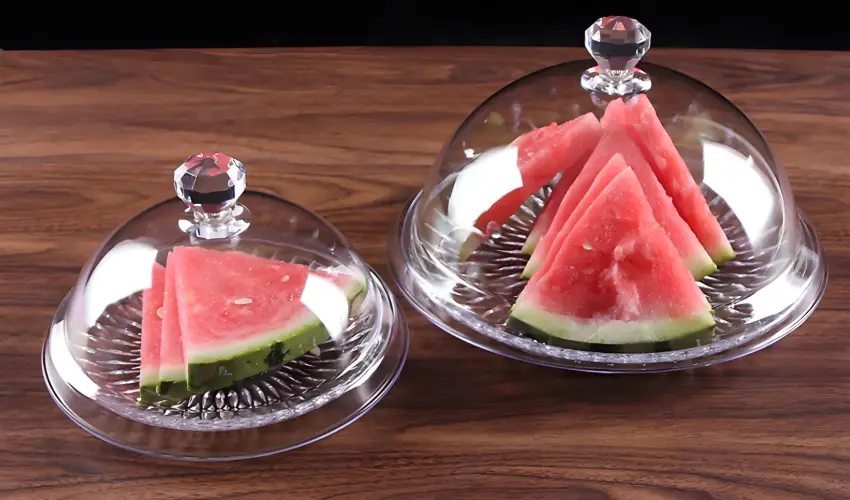
Understanding the toxicity of PMMA is essential for its safe handling and application. You need to know that cured PMMA is generally considered non-toxic and is used in food contact materials and medical devices.
Safety Considerations
The distinction between the finished PMMA polymer and its methyl methacrylate monomer is crucial. While PMMA is biologically inert, MMA can pose health risks during manufacturing and processing, requiring proper ventilation and protective measures to minimize exposure under various conditions.
Regulatory Compliance
PMMA is also used in various applications that are subject to regulatory approvals. For instance, it has FDA approvals for food contact and medical applications, and complies with international standards governing its use in consumer products, ensuring its safe use in different materials.
Biocompatibility of PMMA Material
Understanding PMMA’s biocompatibility is essential for appreciating its role in modern medicine. PMMA demonstrates excellent biocompatibility with human tissues, making it one of the most widely used synthetic materials in medical applications for over 70 years.
Medical Applications
You’ve likely heard of PMMA being used in orthopedic surgery as bone cement to affix implants and remodel lost bone. It’s supplied as a powder with liquid methyl methacrylate (MMA). PMMA bone cement acts like a grout, securing prosthetic implants to bone in joint replacement procedures. Additionally, PMMA is used in ophthalmology for intraocular lenses due to its remarkable tissue compatibility.
Biocompatibility Testing and Standards
PMMA’s biocompatibility is assessed through rigorous testing protocols according to ISO 10993 standards. These tests evaluate cytotoxicity, sensitization, irritation, and long-term implantation effects. Understanding the balance between PMMA’s biocompatibility benefits and potential limitations, such as heat generation during bone cement curing, is crucial for medical device manufacturers and healthcare professionals.
Processing Techniques for PMMA
The versatility of PMMA allows it to be processed through multiple manufacturing techniques, making it a popular choice for various applications.
Injection Molding
Injection molding is a common method for processing PMMA, offering precise dimensional control and complex geometries. This technique is ideal for producing components with detailed features and consistent quality.
Extrusion
Extrusion is another key process used to produce PMMA sheets, rods, and tubes. Specialized extrusion techniques enable the creation of multi-layer or co-extruded products with enhanced properties.
Thermoforming and Other Methods
Thermoforming involves heating PMMA sheets and forming them over molds to create three-dimensional shapes, commonly used for signage, displays, and packaging. Understanding processing parameters like temperature control and cooling rates is crucial for optimal results.
Key Applications of PMMA (Acrylic)
From construction to consumer products, PMMA’s applications are diverse and widespread. Its unique combination of transparency, durability, and versatility makes it a preferred material across various industries.
Architectural and Construction Uses
PMMA is extensively used in architectural and construction applications for skylights, canopies, and decorative elements due to its clarity, weather resistance, and light weight.
Automotive Industry Applications
In the automotive sector, PMMA is used for light covers, instrument panels, and display screens, offering designers the flexibility to create complex shapes with high optical clarity.
Medical and Dental Uses
The medical and dental fields rely on PMMA for applications such as dentures, bone cement, intraocular lenses, and medical devices, leveraging its biocompatibility and stability.
Consumer Products and Electronics
Consumer products and electronics incorporate PMMA in displays, light guides, lenses, and protective covers, benefiting from its optical properties and design flexibility.
Conclusion
In conclusion, PMMA’s unique blend of properties makes it an ideal choice for numerous applications. You’ve learned how this remarkable material is produced through various polymerization methods and can be processed using injection molding, extrusion, and thermoforming techniques.
PMMA remains one of the most versatile transparent plastics, offering an exceptional balance of optical clarity, weather resistance, and mechanical properties. Its specific combination of properties, recyclability, and biocompatibility ensure it will remain an important material in manufacturing.