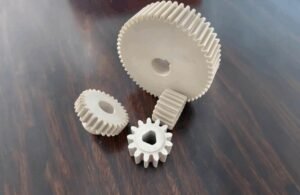
Did you know that polyethylene, a versatile synthetic resin, is the most widely used plastic in the world? It’s used in a myriad of products, from clear food wrap and shopping bags to detergent bottles and automobile fuel tanks.
This comprehensive guide will explore the world of polyethylene, a material known for its unique properties and diverse applications. You’ll discover how its fundamental chemical composition allows it to be molded into various shapes and sizes, making it a staple in modern manufacturing.
As we delve into the history and development of polyethylene, you’ll understand its transformation since its discovery in the 1930s and its impact on everyday products.
What Is Polyethylene?
Polyethylene is a type of plastic produced through the polymerization of ethylene. This process involves the use of catalysts to create a polymer chain, resulting in a versatile material with various properties. The production of polyethylene involves different processes, leading to various types of PE, each with its unique characteristics.
Properties of Polyethylene
Understanding the properties of polyethylene is crucial for selecting the right type for your specific needs. Polyethylene’s characteristics are influenced by its chemical composition, molecular structure, and processing methods.
Chemical Composition and Molecular Structure
Polyethylene is composed of ethylene monomers, resulting in a simple yet versatile molecular structure. The density and crystallinity of polyethylene vary, affecting its overall properties. For instance, high-density polyethylene (HDPE) has a more ordered molecular structure compared to low-density polyethylene (LDPE).
Physical Properties
The physical properties of polyethylene, such as density and melting point, differ across various types. HDPE has a higher density and melting point than LDPE, making it more suitable for applications requiring strength and heat resistance. In contrast, LDPE is more flexible and has a lower melting point.
Mechanical Properties
The mechanical properties of polyethylene, including strength and elasticity, vary significantly across different types. HDPE offers superior strength and stiffness due to its higher crystallinity, while LDPE provides greater flexibility and impact resistance. You can further enhance these properties through additives or processing techniques to meet specific application requirements.
Benefits of Using PE Plastic
The benefits of PE plastic are multifaceted, including its adaptability, cost-effectiveness, and durability. You can leverage these advantages in various applications, from industrial projects to consumer goods.
Versatility and Adaptability
PE plastic is highly versatile, suitable for different manufacturing processes such as molding and extrusion. Its adaptability makes it an ideal material for producing a wide range of products, from flexible containers to rigid pipes. You can easily modify its properties to suit specific application requirements.
Cost-Effectiveness
Using PE plastic is cost-effective due to its relatively low production costs and the durability it offers, reducing the need for frequent replacements. You can save on maintenance and material costs, making it an economical choice for long-term projects.
Durability and Resistance
PE plastic demonstrates exceptional strength and resistance to chemicals, UV radiation, and temperature variations. Its durability ensures that products made from PE plastic have a long lifespan, even in harsh environments. You can rely on its resistance to maintain product integrity over time.
Common Types of PE Plastic
Understanding the different types of PE plastic is crucial for selecting the right material for your application. Polyethylene plastic is categorized into several types based on its density and molecular structure, each with unique properties and applications.
High-Density Polyethylene (HDPE)
HDPE is a versatile and widely used form of PE plastic, known for its high density and strong mechanical properties. It is used in various applications, including packaging, pipes, and containers, due to its resistance to corrosion and chemicals.
Low-Density Polyethylene (LDPE)
LDPE is characterized by its low density and flexibility. It is commonly used in packaging materials, such as plastic bags and wrap, due to its pliability and resistance to moisture.
Linear Low-Density Polyethylene (LLDPE)
LLDPE offers a combination of the properties of LDPE and the strength of HDPE. It is known for its high flexibility and resistance to punctures, making it suitable for film applications and agricultural films.
Ultra-High-Molecular-Weight Polyethylene (UHMWPE)
UHMWPE represents the highest performance grade of PE, with a molecular weight ranging from 3,000,000 to 6,000,000 atomic units. It offers extraordinary abrasion resistance, self-lubricating properties, and high impact strength, making it ideal for demanding applications such as bulletproof vests and industrial components.
Comparing Different PE Types
Polyethylene (PE) plastic comes in several forms, each with its own set of characteristics that make it suitable for specific uses. Understanding these differences is crucial for selecting the most appropriate PE type for your application.
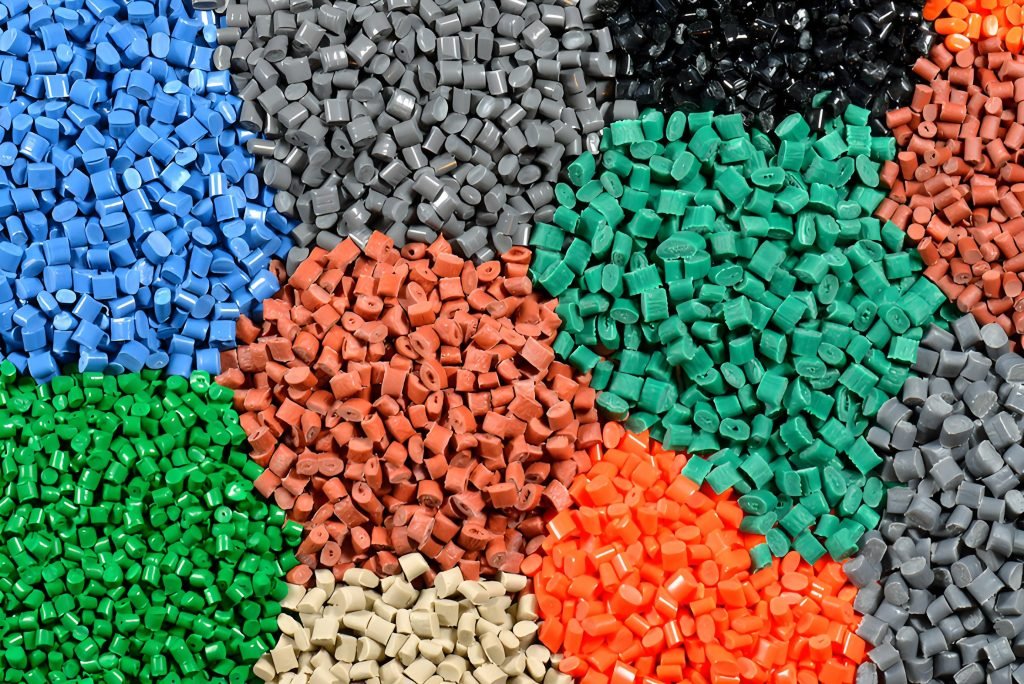
HDPE vs. LDPE: Key Differences
High-Density Polyethylene (HDPE) and Low-Density Polyethylene (LDPE) are two of the most commonly used PE types. HDPE is known for its high strength-to-weight ratio, chemical resistance, and temperature tolerance, making it ideal for applications such as chemical storage and transportation. In contrast, LDPE offers flexibility, transparency, and ease of use, which are beneficial in applications like food packaging and squeeze bottles.
PE vs. Other Plastics
PE generally offers better chemical resistance and durability than many other plastics, making it a preferred choice for a wide range of applications. The specific type of PE must be chosen based on the application’s requirements, considering factors like chemical compatibility and temperature tolerance.
Selecting the Right PE Type for Your Application
To choose the right PE type, consider factors such as chemical exposure, temperature range, mechanical stress, and environmental conditions. For instance, HDPE is typically preferred for chemical storage due to its superior chemical resistance, while LDPE or LLDPE might be more suitable for applications requiring flexibility and transparency.
Processing PE Plastic
You can process PE plastic using various techniques, each with its own advantages and challenges. The choice of processing method depends on the specific application and the desired properties of the final product.
Manufacturing Methods
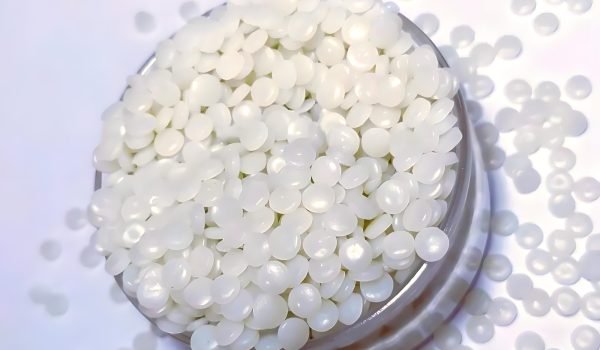
PE plastic is processed through several manufacturing methods, including extrusion, injection molding, and blow molding. The sorted film is shredded, washed, dried, and extruded to form “new” pellets, which are then used for various applications. Although these recycled pellets are of high quality, they are often used for low-grade applications in building and agricultural materials due to their limited suitability for food-grade or film manufacturing applications.
Molding and Forming Techniques
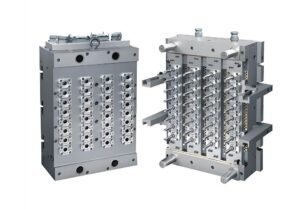
Molding and forming techniques play a crucial role in shaping PE plastic into the desired form. Techniques such as injection molding and blow molding allow for the creation of complex shapes and geometries. The process involves melting the PE material and shaping it using a mold.
Processing Challenges and Solutions
Processing PE plastic presents several challenges, including thermal stability issues, melt flow variations, and shrinkage during cooling. To address these challenges, manufacturers employ advanced temperature control systems, specialized screw designs, and computer simulation tools to predict and prevent potential issues. By optimizing processing conditions, you can achieve high-quality products with the desired properties.
Environmental Aspects of PE Plastic
With the rising awareness of plastic waste, examining the environmental aspects of PE plastic is crucial for a more sustainable future. As a widely used material in packaging and other applications, understanding its ecological footprint is essential.
Recyclability of Different PE Types
Different types of PE plastic have varying levels of recyclability. High-Density Polyethylene (HDPE) is widely recycled due to its use in bottles and containers. Low-Density Polyethylene (LDPE), while less commonly recycled, is still processed through specialized facilities. The recyclability of PE plastic is crucial for reducing its environmental impact.
Efforts to improve recycling rates and technologies are ongoing, with a focus on making PE plastic more sustainable throughout its lifecycle.
Environmental Impact and Sustainability
The environmental impact of PE plastic is significant due to its widespread use and potential for waste. However, its durability and resistance to degradation make it a valuable material when managed properly. Sustainability initiatives focus on reducing waste and increasing recycling rates.
Are PE Resins Toxic? Safety Considerations
Pure polyethylene is considered safe for use in food contact and medical applications due to its inert nature. However, additives used in some PE products can affect their safety profile. Ensuring that these additives are food-grade is crucial for maintaining the safety of PE plastic products, especially those used for packaging food and beverages.
Conclusion: The Future of PE Plastic
As the world continues to rely on plastic materials, the future of polyethylene (PE) plastic is being shaped by sustainability concerns and technological advancements. Polyethylene remains one of the most widely used plastics due to its versatility, cost-effectiveness, and wide range of applications, from packaging to automotive parts.
The PE industry is adapting to environmental regulations through reduced material usage, improved recyclability, and exploration of chemical recycling technologies. Innovations in catalyst technology continue to enable the development of new polyethylene grades with enhanced properties, ensuring its relevance in manufacturing for decades to come.
Understanding the differences between various PE types, such as HDPE and LDPE, is crucial for making informed material selections that balance performance requirements with environmental considerations. As the industry evolves, polyethylene’s fundamental advantages will continue to make it a critical material across numerous industries.
FAQ
What is the difference between HDPE and LDPE?
HDPE has a higher density and is more rigid, making it suitable for applications like fuel tanks and bottles, while LDPE is more flexible and used for packaging materials and coatings.
Is polyethylene recyclable?
Yes, polyethylene is recyclable, and different types have varying levels of recyclability. HDPE and LDPE are commonly recycled, and many communities have designated recycling programs for these materials.
Can polyethylene be used for storing food and beverages?
Yes, polyethylene is commonly used for food and beverage packaging due to its non-toxic and non-reactive properties, making it safe for storing consumables.
What is the melting point of polyethylene?
The melting point of polyethylene varies depending on the type, with HDPE typically having a higher melting point than LDPE. Generally, HDPE melts between 130°C to 137°C, while LDPE melts between 105°C to 115°C.
Is polyethylene resistant to chemicals?
Polyethylene has good resistance to many chemicals, but its resistance can vary depending on the type and concentration of the chemical. It’s essential to consult the manufacturer’s specifications for specific chemical resistance data.