The traditional manufacturing landscape is undergoing a significant transformation. More and more manufacturers now adopting on-demand production models, it’s clear that this innovative approach is gaining traction.
You might be wondering what on-demand manufacturing entails and how it’s changing the production landscape. Through the following content, you’ll discover its advantages, limitations, and applications across various industries.
What Is On-Demand Manufacturing?
On-demand manufacturing is revolutionizing the production landscape by creating products only when they are needed. This approach to production is transforming the way businesses operate, making them more efficient and responsive to customer needs.
Definition and Core Concept
On-demand manufacturing, also known as manufacturing on-demand, custom manufacturing, or cloud manufacturing, is a production system where products are manufactured in response to actual customer orders. This means that products are made in the exact quantities required, eliminating the need for large inventories and reducing waste.
The core concept of on-demand manufacturing is centered around aligning supply with demand perfectly. By producing goods only as they are ordered, businesses can avoid the costs associated with storing unsold products and reduce the environmental impact of their operations.
Evolution of Manufacturing Models
The shift from traditional manufacturing to on-demand production has been enabled by advances in digital technologies, cloud computing, and more accessible manufacturing equipment. Traditional manufacturing involves forecasting demand and producing in bulk, whereas on-demand manufacturing responds directly to actual customer orders.
This evolution represents a fundamental change in how production is conceptualized, moving from a “push” model to a “pull” model where products are created only when pulled by customer demand. As a result, on-demand manufacturing creates a more direct connection between customers and production, allowing for greater customization and personalization of products.
On-Demand Manufacturing vs. Traditional Manufacturing
As you consider your manufacturing options, understanding the differences between on-demand and traditional manufacturing is crucial. Both methods have distinct approaches to production, inventory management, and customer satisfaction.
Strategic Planning Differences
Traditional manufacturing relies on forecasting demand and producing large batches to achieve economies of scale. In contrast, on-demand manufacturing focuses on flexibility and rapid response to customer needs, producing products only when orders are received.
Production Process Comparison
The production processes differ significantly between the two methods. Traditional manufacturing uses specialized assembly lines optimized for high-volume, standardized products. On the other hand, on-demand manufacturing employs more versatile equipment that can quickly switch between different product specifications, allowing for greater customization.
Inventory Management Approaches
Inventory management represents a significant contrast between the two manufacturing methods. Traditional manufacturing requires extensive warehousing and storage facilities, while on-demand manufacturing minimizes or eliminates inventory entirely, reducing the risk of overproduction and waste.
Key Advantages of On-Demand Manufacturing
By adopting on-demand manufacturing, businesses can experience significant improvements in efficiency and profitability. This production model is designed to produce products only as they are needed, thereby reducing unnecessary costs and environmental impact.
Reduced Inventory Costs
One of the most significant advantages of on-demand manufacturing is the dramatic reduction in inventory costs. You no longer need to invest in producing and storing products that may never sell, thereby saving your business lots of money.
Enhanced Customization Capabilities
On-demand manufacturing allows for enhanced customization capabilities, enabling you to offer personalized products that command premium prices. According to Deloitte research, 1 in 5 consumers are willing to pay a 20% premium for customized products.
Improved Flexibility and Adaptability
On-demand production provides unmatched flexibility, enabling your business to quickly adapt to market trends, seasonal demands, and changing customer preferences without being locked into existing inventory.
Lower Financial Risk
The financial risk is substantially lower with on-demand manufacturing as you’re not investing in products before confirming customer interest. Every item produced already has a guaranteed buyer, reducing the risks associated with overproduction.
Sustainability Benefits
On-demand manufacturing reduces waste by eliminating overproduction and minimizing the carbon footprint associated with unnecessary manufacturing and storage. This approach not only conserves resources but also significantly lowers the environmental impact of production processes.
Technologies Powering On-Demand Manufacturing
Advanced manufacturing technologies are revolutionizing the way goods are produced on-demand. These technologies enable flexible, efficient production without the need for extensive tooling or setup, making on-demand manufacturing a viable option for businesses of all sizes.
3D Printing and Additive Manufacturing
3D printing creates physical objects from digital CAD models, layer by layer, making it ideal for complex geometries, custom parts, and low-volume production. This technology is often used for producing custom prosthetics, architectural models, phone cases, toys, and jewelry.
CNC Machining
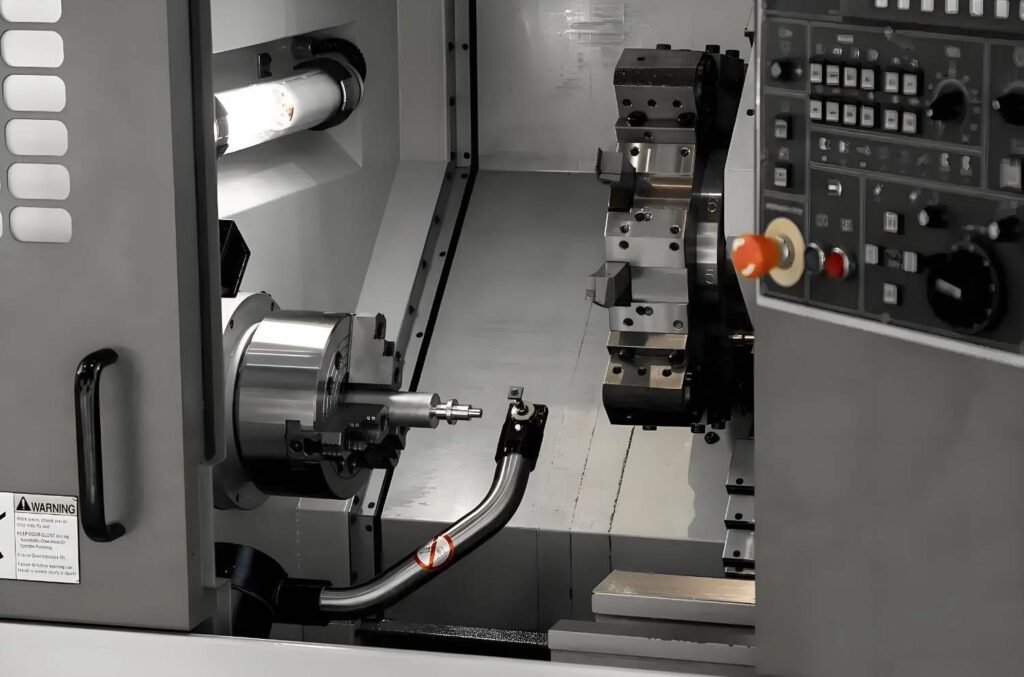
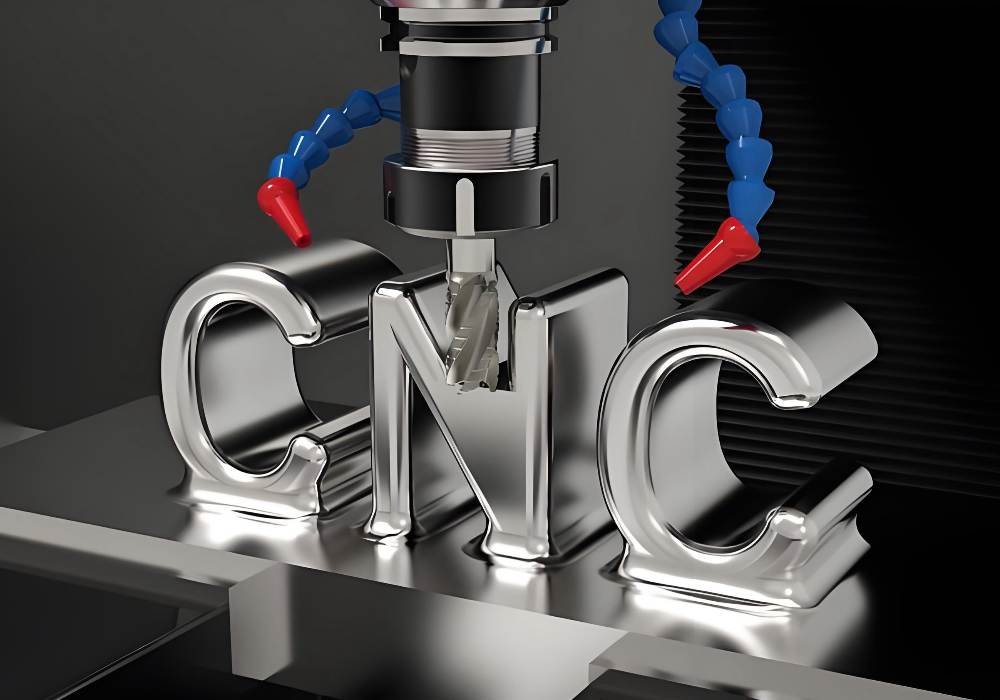
CNC machining uses computer-controlled tools to cut and shape parts from various materials, including metals, plastics, and composites. It’s commonly used for producing medical devices, automotive parts, and molds with high precision.
Laser Cutting and Engraving
Laser cutting and engraving technologies provide exceptional detail and precision for cutting or marking materials ranging from wood and acrylic to metals and fabrics. This enables the creation of customized products with intricate designs.
The On-Demand Manufacturing Process
On-demand manufacturing puts you in control, allowing you to place orders with precise specifications through various channels. This customer-centric approach ensures that the final product meets your exact needs.
Order Placement and Specifications
You can submit your product specifications through digital platforms, in person, or via sales representatives. It is especially suitable for custom machining services.
Quoting and Material Selection
During this phase, manufacturers analyze your design specifications to determine production feasibility, material requirements, and provide accurate pricing and production time estimates. You receive a quote based on factors like materials, complexity, and quantity.
Production Phase
The production begins after you approve the quote. Manufacturers select the appropriate technology based on product requirements, materials, and specifications. Digital systems track progress and maintain quality standards, ensuring the final product meets your exact specifications.
Quality Control and Delivery
Quality control is a critical step where the finished product undergoes thorough inspection against the original specifications. After passing quality checks, the product is packaged and shipped directly to you, minimizing lead time from order to delivery.
Industries and Applications of On-Demand Manufacturing
The versatility of on-demand manufacturing has led to its adoption across various sectors, revolutionizing traditional production methods. This manufacturing strategy enables companies to produce customized products and parts, improving customer satisfaction and reducing inventory costs.
Automotive and Aerospace
Companies like BMW utilize on-demand manufacturing for producing specialized parts, prototypes, and small-batch components for the automotive and aerospace industries.
Medical and Healthcare
The medical and healthcare industry has adopted custom manufacturing for creating patient-specific implants, prosthetics, and anatomical models.
Industrial Equipment and Tooling
Industrial equipment manufacturers use on-demand production for replacement parts, specialized tooling, and low-volume components.
Limitations and Challenges of On-Demand Manufacturing
Despite its many advantages, on-demand manufacturing comes with certain limitations that businesses need to consider when evaluating their production strategy.
Higher Per-Unit Costs for Small Batches
One of the primary limitations is the higher per-unit cost associated with small batches. While on-demand manufacturing eliminates inventory costs, the unit price for small batches can be higher than traditional manufacturing methods for large quantities.
Production Time Considerations
Production times can vary significantly in on-demand manufacturing. Complex products may have longer lead times compared to having ready-made items available from stock.
Supply Chain Dependencies
On-demand manufacturing relies heavily on supply chain management. Any disruption in the supply chain can directly impact fulfillment times, making it essential to have a robust supply chain strategy.
Technical Limitations
There are technical limitations to consider, as certain products or materials may not be suitable for the technologies used in on-demand manufacturing. Businesses need to assess these limitations when choosing a manufacturing method.
Partner with Fecision for Your On-Demand Manufacturing Needs
Fecision aims at offering comprehensive solutions for diverse customer needs. Our advanced manufacturing capabilities span multiple technologies, enabling us to serve diverse customer requirements across various industries with precision and efficiency.
Our team of manufacturing experts works closely with you to understand your unique requirements, providing guidance on design optimization, material selection, and production methods.
We’ve built a robust supply chain network that ensures reliable material sourcing and consistent quality, even for specialized or custom manufacturing projects. Whether you need rapid prototyping, small-batch production, or scalable manufacturing solutions, Fecision delivers the quality and service your business demands in today’s competitive marketplace.