Are you aware of the metals that are revolutionizing modern manufacturing and engineering? Unlike their ferrous counterparts, certain metals stand out for not containing iron as a primary component.
These metals, known for their diverse physical and chemical properties, offer valuable attributes such as corrosion resistance and high electrical conductivity. They are used in a wide range of applications, from everyday items like aluminum cans to specialized aerospace components. Understanding these metals and their unique characteristics is crucial for selecting the right material for your projects.
What Are Non-Ferrous Metals?
Non-ferrous metals are characterized by their minimal iron content. This characteristic results in different physical and chemical properties compared to ferrous metals. For instance, non-ferrous metals typically don’t exhibit magnetic properties, making them easily identifiable – a magnet won’t stick to pure non-ferrous metals. The basic properties of non-ferrous metals include their corrosion resistance, electrical and thermal conductivity, and malleability.
The absence of iron in non-ferrous metals also affects their strength and weight characteristics, making some of them ideal for applications where weight reduction is critical.
Unique Properties of Non-Ferrous Metals
Non-ferrous metals are prized for their exceptional attributes, which make them suitable for a wide range of applications. These metals offer a combination of properties that are not typically found in ferrous metals.
Corrosion Resistance
One of the most significant advantages of non-ferrous metals is their corrosion resistance. Metals like aluminum, copper, and titanium naturally form protective oxide layers that prevent progressive corrosion. This property makes them ideal for use in harsh environments where exposure to moisture and chemicals is a concern.
Electrical and Thermal Conductivity
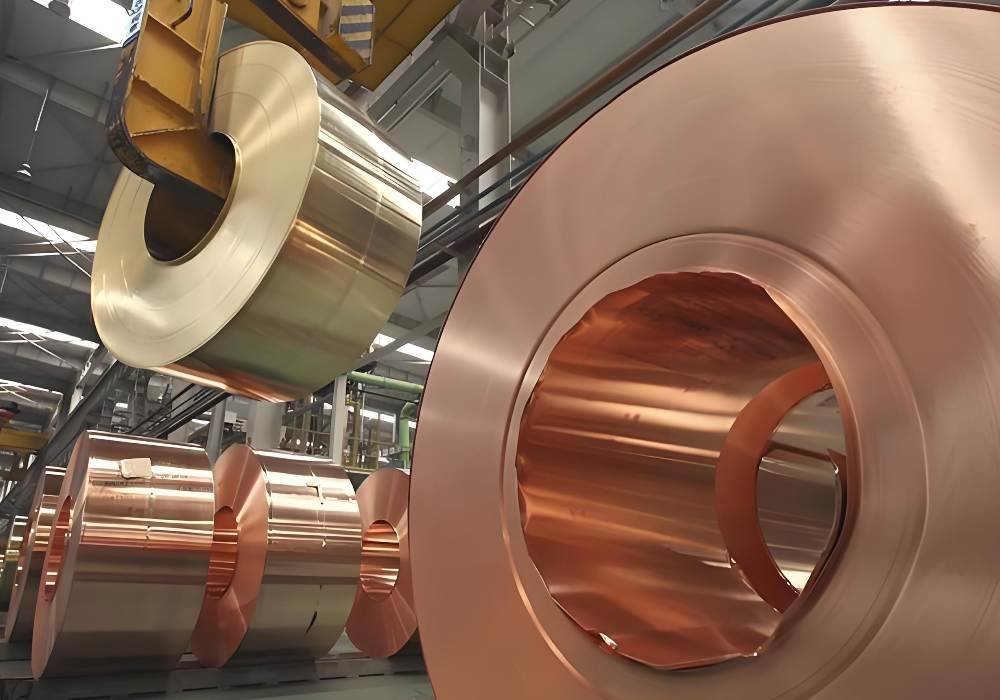
Many non-ferrous metals exhibit excellent electrical and thermal conductivity. Copper, for instance, is renowned for its superior electrical conductivity, making it the industry standard for electrical applications. Aluminum is also widely used for power transmission due to its good conductivity-to-weight ratio. Additionally, metals like copper and aluminum are ideal for heat exchangers, cooking utensils, and thermal management systems in electronics and machinery.
Weight and Density Characteristics
The weight and density characteristics of non-ferrous metals vary widely. Aluminum and magnesium, for example, are notably lightweight, with a density about one-third that of steel. This property makes them valuable in weight-critical applications such as aerospace and automotive industries, where reducing weight can significantly improve fuel efficiency and performance.
Malleability and Ductility
Most non-ferrous metals offer excellent malleability and ductility, allowing them to be formed, bent, stretched, and shaped without breaking. This property makes them ideal for manufacturing complex components through processes like forging, rolling, and extrusion. As a result, non-ferrous metals are widely used in various industries where complex shapes and designs are required.
Common Types of Non-Ferrous Metals
When considering materials for your projects, it’s crucial to understand the different types of non-ferrous metals and their uses. Non-ferrous metals are widely used in various industries due to their unique properties, such as corrosion resistance, conductivity, and strength-to-weight ratio.
Aluminum and Its Alloys
Aluminum is one of the most abundant non-ferrous metals, valued for its lightweight nature and excellent corrosion resistance. Its alloys are used extensively in aerospace, automotive, packaging, and construction industries. You can benefit from aluminum’s good thermal and electrical conductivity, making it suitable for various applications.
Copper and Copper-Based Alloys
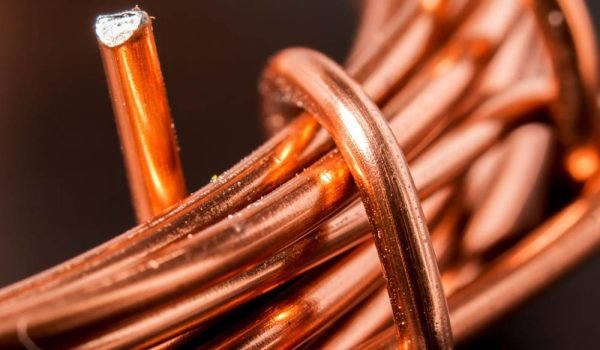
Copper stands out for its exceptional electrical and thermal conductivity, making it the metal of choice for electrical wiring, plumbing, and heat exchangers. You can also utilize copper-based alloys like brass (copper-zinc) and bronze (copper-tin) in various applications.
Lead, Zinc, and Tin
Lead is a soft, heavy metal with a low melting point, often used in batteries and radiation shielding. Zinc serves as an essential protective coating for steel (galvanization) and is used in die-casting and brass production. Tin is primarily used as a protective coating for steel (tin plating) in food packaging and as a component in solders.
Precious Metals (Gold, Silver, Platinum)
Precious metals like gold, silver, and platinum offer exceptional corrosion resistance and unique properties, making them invaluable for specialized applications in electronics, jewelry, catalytic converters, and medical devices. You can benefit from their high value and durability in various industries.
Titanium and Other Specialty Metals
Titanium represents the high-performance end of non-ferrous metals, offering an exceptional strength-to-weight ratio and corrosion resistance. It’s ideal for aerospace, medical implants, and high-performance sporting goods. You can also explore other specialty metals that cater to specific industry needs.
Popular Non-Ferrous Alloys
Non-ferrous alloys are engineered to provide specific benefits, making them ideal for a wide range of uses. These materials are crucial in modern industries, offering properties that pure metals cannot match.
Brass
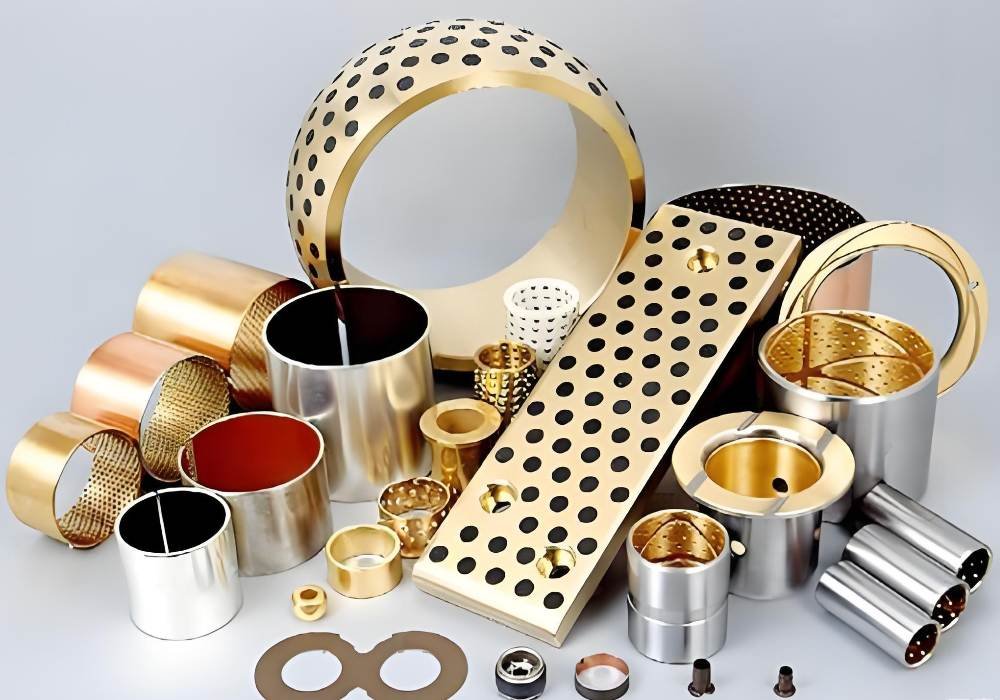
Brass, an alloy of copper and zinc, offers excellent machinability and good corrosion resistance. Its golden appearance makes it suitable for decorative hardware, while its acoustic properties are valuable in musical instruments. Brass is widely used in plumbing fixtures and electrical applications due to its conductivity and durability.
Bronze
Bronze, traditionally an alloy of copper and tin, is renowned for its exceptional corrosion resistance, especially in marine environments. Modern bronze varieties may include additional elements like aluminum or silicon to enhance specific properties. Its durability and resistance to corrosion make bronze a popular choice for marine hardware and other applications where exposure to seawater is a concern.
Aluminum Alloys
Aluminum alloys represent a diverse family of materials that combine aluminum with elements like copper, magnesium, or silicon to achieve specific performance characteristics. These alloys are categorized into series based on their composition and properties, offering a range of strengths, corrosion resistances, and other attributes that make them suitable for various applications, from aerospace to consumer products.
Other Important Non-Ferrous Alloys
Other significant non-ferrous alloys include cupronickel (copper-nickel), which offers exceptional corrosion resistance in marine environments, making it ideal for shipbuilding and offshore applications. The development of these specialized alloys has enabled engineers to create materials with customized properties, providing the perfect balance of strength, weight, conductivity, and corrosion resistance for specific uses.
Applications of Non-Ferrous Metals
You can find non-ferrous metals in numerous industries, thanks to their distinct characteristics. These metals are prized for their durability, conductivity, and lightweight properties, making them ideal for a variety of uses.
Construction and Architecture
In construction and architecture, non-ferrous metals are widely used for their durability and aesthetic appeal. Aluminum is utilized in window frames, curtain walls, and structural components. Copper is often used for roofing and flashing, developing a distinctive green patina over time. Zinc is also used for roofing and cladding systems due to its corrosion resistance.
Electrical and Electronics Industry
The electrical and electronics industry relies heavily on non-ferrous metals. Copper is the standard for electrical wiring due to its exceptional conductivity. Aluminum is used for power transmission lines, while gold, silver, and palladium are used for critical connections in electronic devices and circuit boards.
Automotive and Aerospace Applications
Automotive and aerospace industries leverage the lightweight nature of non-ferrous metals to improve fuel efficiency and performance. Aluminum is extensively used in vehicle bodies and engine components. Magnesium is used in steering wheels and seat frames, and titanium is used in critical aerospace components where the strength-to-weight ratio is paramount.
Medical and Healthcare Uses
Medical and healthcare applications benefit from the biocompatibility of certain non-ferrous metals. Titanium is the material of choice for implants due to its compatibility with human tissue. Silver is valued for its antimicrobial properties, and gold is used in dental work.
Consumer Products and Everyday Items
Consumer products and everyday items contain numerous non-ferrous metals. Aluminum is used in beverage cans, copper in cookware, zinc in die-cast components for appliances, and brass hardware in furniture and fixtures. The versatility of non-ferrous metals makes them indispensable across virtually all industries.
Ferrous vs. Non-Ferrous Metals: Key Differences
Ferrous and non-ferrous metals exhibit distinct properties that set them apart, impacting their applications and processing requirements. Understanding these differences can help you make informed decisions in various industries.
Composition and Structure
The fundamental difference between ferrous and non-ferrous metals lies in their composition. Ferrous metals contain significant amounts of iron, typically more than 50% by weight, while non-ferrous metals contain little to no iron in their composition. This difference in content affects their properties and uses.
Magnetic Properties
Magnetic properties provide one of the simplest ways to distinguish between these metal types. Ferrous metals are typically magnetic due to their iron content, while non-ferrous metals are generally non-magnetic, with rare exceptions like nickel. You can use this property to identify the type of metal.
Corrosion Behavior
Corrosion behavior differs significantly between these metal categories. Ferrous metals are highly susceptible to rusting when exposed to moisture and oxygen unless specially treated, while non-ferrous metals naturally resist corrosion through the formation of protective oxide layers. This makes non-ferrous metals ideal for applications where resistance to corrosion is crucial.
Strength and Weight Characteristics
Strength and weight characteristics vary considerably between ferrous and non-ferrous metals. Ferrous metals like steel offer exceptional strength and are often used in structural applications, while many non-ferrous metals like aluminum provide better strength-to-weight ratios, making them ideal for applications where weight is a concern.
Recycling and Sustainability of Non-Ferrous Metals
Non-ferrous metals are highly valued for their recyclability, which significantly reduces the environmental footprint associated with their production.
Economic Value of Recycling
The economic benefits of recycling non-ferrous metals are substantial. Materials like copper, aluminum, and precious metals command high prices in recycling markets, driving collection efforts and sustaining recycling infrastructure. For instance, recycling aluminum uses only about 5-10% of the energy needed to produce new aluminum from bauxite ore.
Environmental Impact and Benefits
Recycling non-ferrous metals offers numerous environmental benefits, including reduced mining impacts, decreased landfill use, lower water consumption, and minimized release of harmful substances. Modern recycling technologies continue to improve the efficiency and effectiveness of non-ferrous metal recovery, maximizing recycling rates and material quality.
Conclusion
Non-ferrous metals are essential in industries that demand lightweight strength, corrosion resistance, thermal and electrical conductivity, and reliable performance in challenging environments. Materials such as aluminum, copper, brass, and titanium enable innovative designs and long-lasting components across aerospace, electronics, automotive, medical, and industrial applications.
When selecting materials for your projects or products, considering the specific properties of different non-ferrous metals and their alloys can help you achieve the optimal balance of performance, cost, and sustainability.
At Fecision, we offer comprehensive metal part production services for components made from non-ferrous metals, supporting special and high-performance applications. From precision machining and forming to finishing and quality control, we deliver custom metal parts that meet your exact technical requirements.
If your project requires non-ferrous metal components for demanding applications, contact Fecision today to discuss how our metal part production services can support your manufacturing needs.