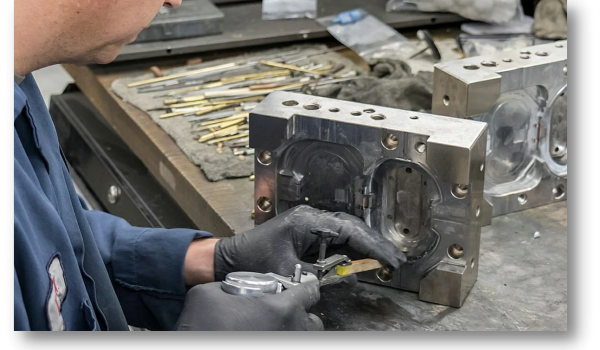
One of the most crucial stages in mold creation is mold polishing. Molds are polished for enhanced durability, improved performance, and a superior appearance. Parts made from a polished mold are stronger, cleaner, and more dependable. Ignoring polishing puts you at risk for flaws, a shabby appearance, and increased production expenses.
Product quality is determined by surface finish. It determines how long molds last, how parts release, and how they appear. To satisfy contemporary demands, you must be aware of mold polishing standards and procedures. With each mold you create, you can increase productivity, cut waste, and produce better manufacturing results by understanding these fundamentals.
What Is Mold Polishing
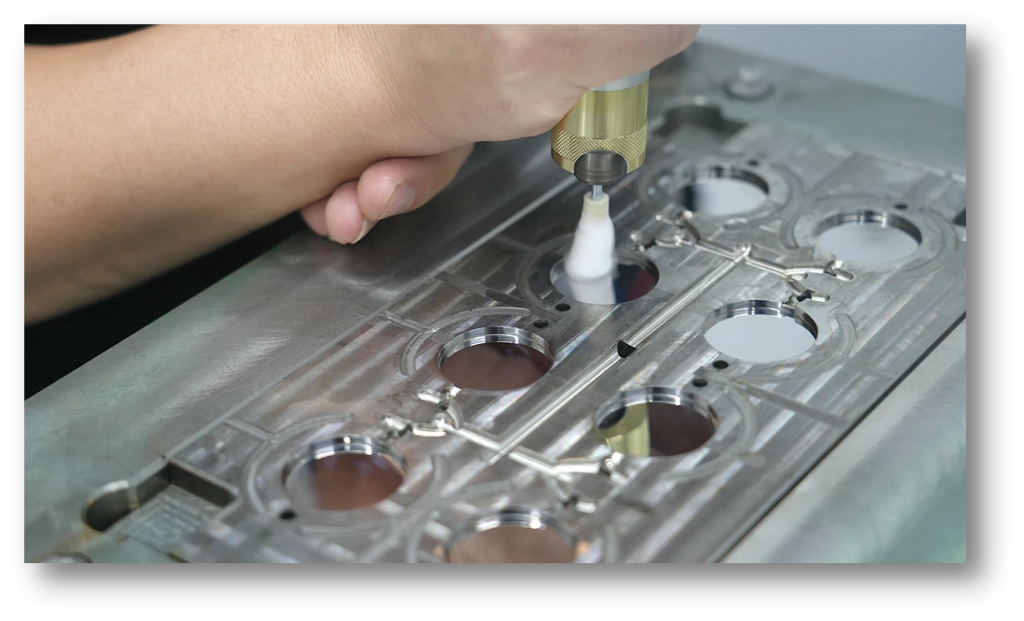
The process of smoothing the cavity surface to the desired level is called mold polishing. You eliminate machining lines, scratches, and tool marks that degrade mold performance. Cleaner cavities are produced when you polish mold directly, enhancing the quality of molded goods.
Key roles of mold polishing:
- Reduces wear and friction, improving mold performance.
- Smoother and more consistent surfaces improve the appearance of the product.
- Plastics do not adhere to rough surfaces, which makes part release easier.
- Minimizes surface imperfections, flow lines, and scratches.
- Reduces rework and prolongs mold life, thereby lowering production costs.
A glossy finish is not the only result of properly polishing molds. With each molding cycle, you achieve efficiency, improved part quality, and reliable outcomes. A crucial step in producing professional molds is polishing.
Why Surface Finish Matters In Mold Polishing
The quality of your molded parts is directly impacted by surface finish. Plastic that has been finely finished will flow uniformly, cool correctly, and form without stress marks. Parts that are not properly finished may warp, scratch, or exhibit obvious flaws, which can reduce the reliability and market value of the product.
Benefits of good surface finish:
- Improves the appearance and dimensional accuracy of plastic parts.
- Enhances transparent products’ optical clarity.
- Reduces wear and friction, thereby extending the mold’s life.
- Simplifies maintenance and cleaning throughout production runs.
Strict finishing standards are essential in industries such as electronics, automotive, and medical. Even minor flaws are unacceptable in these fields. Prioritizing surface finish enhances product longevity, reduces waste, and strengthens your reputation as a reliable manufacturer.
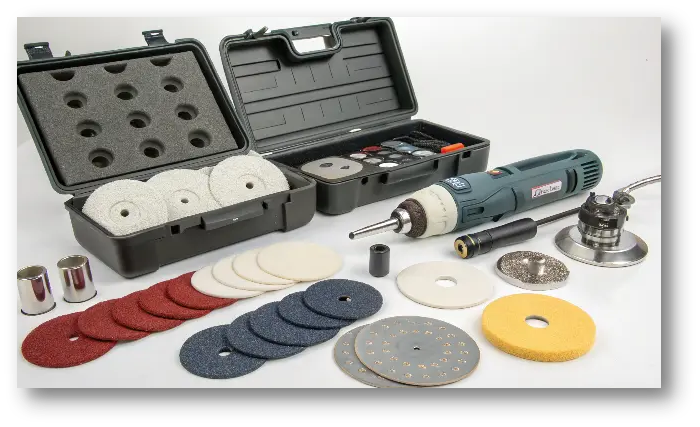
Mold Polishing Standards You Need To Know
You can define surface finish using a common language thanks to mold polishing standards. They eliminate uncertainty and ensure that clients and mold makers communicate clearly. The three most commonly used systems are JIS (Japan), DIN (Europe), and SPI (USA). Every system categorizes different levels of polishing, ranging from functional textures to mirror-like finishes.
Key polishing standards include:
- SPI Standards (USA) Grades A through D; high-gloss clarity requires diamond polishing for SPI-A.
- European DIN standards are widely used in automotive and precision engineering projects.
- Japan’s JIS Standards are centered on advanced manufacturing and precision tooling.
By using these standards, expectations are aligned and confusion is decreased. For instance, optical-grade clarity is achieved by a mold polished to SPI-A standards. Finer stones are used in lower grades, such as SPI-C, to create long-lasting functional components. Adhering to international standards ensures uniformity in markets and enhances confidence in the quality of your manufacturing.
Common Mold Polishing Techniques
Common techniques for polishing molds include:
- Hand Polishing: Utilizes diamond paste, sandpaper, and stones. Excellent for detail and control work.
- Mechanical Polishing: For large areas, rotary tools are used. Quicker, but avoiding damage takes skill.
- Ultrasonic Polishing: Vibrating tools are extremely accurate at polishing complex shapes.
- Electrolytic Polishing: Creates mirror finishes on intricate parts through chemical action.
Choosing depends on material, geometry, and finish requirements. Skilled workers often combine techniques.
Injection Mold Polishing And Plastic Part Quality
There is more to injection mold polishing than just surface polishing. It affects the flow, cooling, and solidification of molten resin. A smooth cavity ensures shorter cycles, less stress, and even filling. Perfect polishing is necessary for transparent components, such as lenses or medical equipment. Light distortion from even small scratches can impair clarity and usability.
Mold life is also increased by proper polishing. Plastic injection mold polishing enhances the surfaces’ resistance to abrasion and makes them easier to maintain. Smooth surfaces require less maintenance because they are resistant to abrasion.
With fewer disruptions, you attain steady production. Plastic components are more aesthetically pleasing, perform better, and adhere to high standards of quality. Correct mold polishing reduces overall manufacturing costs while simultaneously improving product appearance.
Challenges And Best Practices In Polishing Molds
Mold polishing isn’t always easy. Overpolishing, uneven finishes, and thermal damage are typical problems. Errors of this nature increase waste and lower performance. During polishing, you have to regulate the environment, pressure, and sequence. A mold surface can be swiftly destroyed by careless handling, wasting both time and money.
Best practices include:
- Always use the proper abrasive sequences and polish step by step.
- To avoid contamination, clean surfaces often.
- Use appropriate lubrication and controlled pressure.
- Align the polishing technique with the mold’s geometry and material.
You can achieve professional, repeatable, and consistent polishing results by adhering to best practices.
Choosing The Right Mold Polishing Partner
It’s crucial to pick the best mold polishing service. You require a partner who can provide reliability, precision, and constant quality. Making the wrong decision results in poor product performance, delays, and increased expenses. You must therefore carefully consider who will be handling your polishing projects.
What to look for in a polishing service:
- Demonstrated expertise in a variety of mold types and industries.
- With careful polishing, no dimensions are lost.
- Rigorous inspection and quality control at every level.
- Competent technicians who use both sophisticated tools and their manual expertise.
Fecision offers comprehensive mold manufacturing services, encompassing tooling, polishing, and CNC machining. You benefit from technical expertise, stringent quality control, and reliable delivery when you partner with a company like Fecision. You obtain molds that support long-term production success and operate dependably.
Conclusion:
The foundation of a flawless surface finish is mold polishing. It affects part durability, clarity, and release. You can lower expenses and enhance product quality by being aware of industry standards and best practices. For comprehensive solutions, such as CNC machining and precision mold tooling, Fecision provides the expertise you need to achieve reliable manufacturing results.