Did you know that over one million organizations worldwide have achieved ISO9001 Certification, a testament to the global emphasis on quality management? This staggering number underscores the importance of quality standards in various industries, including plastic injection molding.
When selecting a partner for plastic injection molding, you want to ensure that they adhere to rigorous quality control measures. ISO certifications serve as a crucial indicator of a manufacturer’s commitment to quality and standardized processes. By understanding these certifications, you can make informed decisions about your manufacturing needs.
As a business owner, you’re likely aware of the significance of quality in the products you source. ISO certifications play a vital role in ensuring that plastic injection molding companies maintain high-quality standards throughout their operations.
Understanding ISO Certifications in Manufacturing
What Are ISO Certifications?
ISO certifications are a set of internationally recognized standards that verify your organization’s adherence to specific quality management systems and processes. These certifications serve as third-party validation that you consistently meet or exceed predetermined quality standards and regulatory requirements.
The International Organization for Standardization (ISO) Framework
The ISO framework provides structured guidelines for implementing quality management systems that focus on customer satisfaction, process improvement, and risk mitigation. By adopting ISO standards, you can ensure that your manufacturing processes are optimized for quality, efficiency, and customer satisfaction.
ISO Certifications for Plastic Injection Molding: An Overview
Achieving ISO certification is a significant milestone for companies involved in plastic injection molding. It signifies a commitment to quality and a systematic approach to managing processes.
ISO9001: Quality Management System Fundamentals
ISO9001 serves as the foundation for quality management in plastic injection molding, establishing requirements for consistent quality control throughout the production process. It emphasizes the importance of process control, documentation, and continuous improvement.
The implementation of ISO9001 in plastic injection molding involves rigorous controls during material selection, melting, injection, cooling, and ejection. Parameters such as temperature, pressure, and flow rates are continuously monitored to ensure consistency and quality.
How ISO Standards Are Implemented in Injection Molding Processes
ISO standards are integrated into the injection molding process through documented procedures, ensuring traceability and quality from the start. Continuous improvement is a cornerstone of ISO certification, requiring companies to regularly evaluate and optimize their processes and quality control methods.
By implementing ISO standards, plastic injection molding companies can achieve more predictable outcomes, reduce waste, and improve overall quality. This systematic approach to operations management is key to maintaining high standards in the industry.
Why ISO Certifications Matter for Injection Molders

For injection molders, obtaining ISO certifications is more than just a formal procedure; it’s a commitment to excellence and customer satisfaction. When you work with an ISO-certified injection molder, you benefit from their adherence to rigorous quality control measures and best practices throughout the manufacturing process.
Quality Assurance and Consistency Benefits
ISO certifications provide a structured framework that ensures consistent quality control, leading to higher quality products. By following these standards, injection molders can significantly reduce the risk of producing defective or inconsistent products. This results in cost savings and increased customer satisfaction due to the delivery of reliable, high-quality products.
Risk Management and Reduction
Risk management is a core component of ISO standards, requiring injection molders to identify potential issues before they occur and implement preventive measures. This proactive approach protects both the manufacturer and the customer from potential losses due to defective products or production downtime. By minimizing risks, ISO-certified molders can ensure smoother production processes.
Enhanced Customer Trust and Market Competitiveness
Working with an ISO-certified injection molder enhances customer trust due to the third-party validation of their quality management systems. This certification signals to potential customers that quality is a priority, increasing market competitiveness. As a result, ISO-certified molders can differentiate themselves in a crowded marketplace, attracting customers who value high-quality products and reliable service.
Industry-Specific ISO Standards for Injection Molding
Different industries have unique ISO standards for injection molding, reflecting their distinct quality and safety requirements. This diversity ensures that injection molders can meet the specific demands of various sectors, from medical devices to automotive components.
ISO13485:2016 for Medical Device Manufacturing
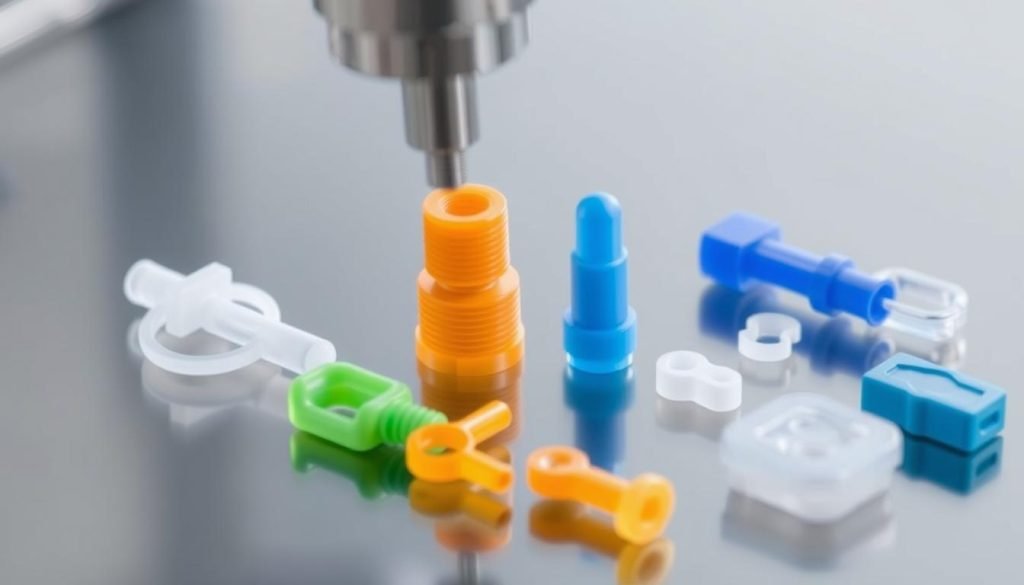
ISO13485:2016 is specifically designed for medical device manufacturing, establishing stringent requirements for quality management systems that ensure patient safety and regulatory compliance. Medical device manufacturers benefit from working with ISO13485:2016 certified injection molders who understand the critical nature of components used in healthcare applications and maintain rigorous quality control.
IATF16949:2016 for Automotive Components

IATF16949:2016 certification is essential for injection molders producing automotive components, as it addresses the specific quality requirements of the automotive industry while building upon the ISO9001 framework. Automotive manufacturers rely on IATF16949:2016 certified injection molders to ensure consistent quality, reduce defects, and minimize variation in plastic components that may affect vehicle safety and performance.
Additional Industry-Specific Certifications
Additional industry-specific certifications may include those related to aerospace (AS9100), food packaging safety, or environmental management (ISO14001), each addressing unique requirements for plastic injection molding in specialized applications. These specialized ISO standards go beyond general quality management to address industry-specific concerns such as traceability, risk management, and regulatory compliance that are critical in highly regulated sectors.
Selecting an ISO-Certified Plastic Injection Molding Partner
When searching for an ISO-certified plastic injection molding partner, it’s crucial to evaluate their credentials thoroughly. This involves verifying their ISO certifications and understanding how these certifications align with your industry requirements and product specifications.
Key Questions to Ask Potential Suppliers
Ask potential suppliers detailed questions about their quality management systems, including how they implement continuous improvement practices and what measurable results they’ve achieved through these initiatives.
Verifying Certification Validity and Scope
Verify the validity and scope of the molder’s ISO certifications by requesting documentation and checking certification bodies’ databases to ensure their credentials are current and relevant to your specific requirements.
Evaluating Continuous Improvement Practices
Assess the supplier’s commitment to continuous improvement by examining their investment in technology, employee training programs, and process refinement initiatives that contribute to better quality and cost savings.
By following these steps, you can confidently select an ISO-certified plastic injection molding partner that meets your needs and enhances your production efficiency.
Conclusion: The Value of ISO Certification in Custom Plastic Injection Molding
In the competitive world of custom plastic injection molding, achieving ISO certification is a significant milestone. ISO certification represents a commitment to quality, safety, and continuous improvement, setting a company apart in the industry.
By adopting ISO standards, businesses can ensure consistent product quality, reduce risks, and improve operational efficiency. This leads to cost savings and enhanced customer satisfaction.
Ultimately, ISO certification in custom plastic injection molding delivers real business benefits, including enhanced product quality, optimized processes, and stronger customer relationships.