
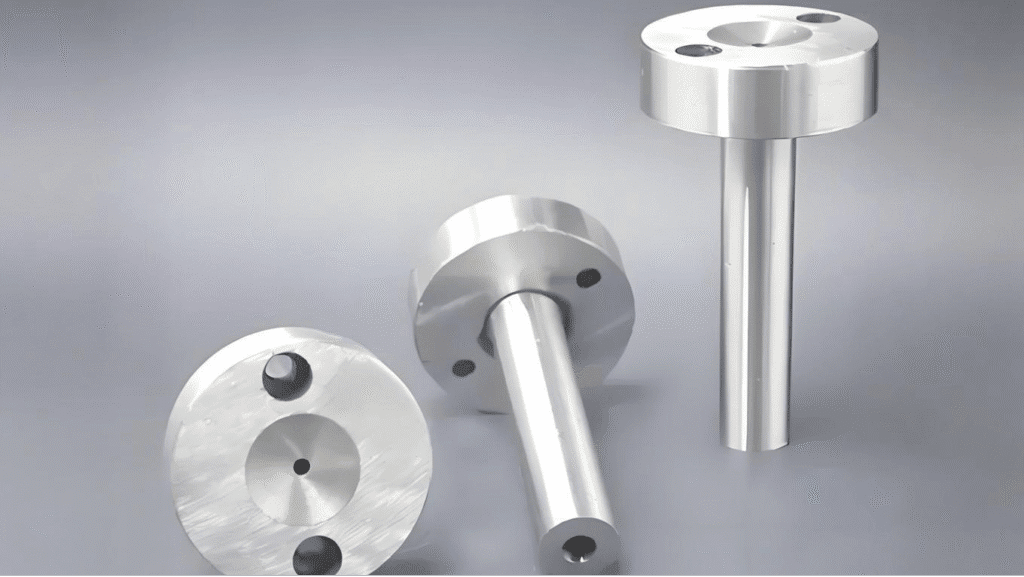
Getting the gate right is the hidden profit lever in every plastics project. The smallest flow correction could be the difference between perfect cosmetic housing and one ruined by shrinkage. In this guide, you will discover what a mold gate really controls, the injection molding gate types, how to select one, and some ideal design practices for perfect parts.
What Is a Mold Gate in Injection Molding?
An injection molding gate is a machined orifice that transfers molten polymer from the runner to the cavity. This works similarly to a faucet — once this critical gate is opened, the high pressure, shear rate, and temperature profile of the plastic melt will become fixed until the part cools down and solidifies.
Gate dimensions often include the depth, width, and land length, and will dictate how fast a cavity packs and determine where cosmetic issues such as weld lines, blush, or jetting will occur. Correct plastic injection molding gate design therefore balances the necessary fill speed, required packing pressure, and the crucial cosmetic acceptability in one tiny, precise geometry.
Main Types of Injection Molding Gates
Selecting the correct gate will begin with understanding some basic injection molding gate types available to you. These gates are usually grouped into categories based on how they will then be separated from the finished plastic part after molding.
1. Manually-Trimmed Injection Molding Gates
These types of injection molding gates require a secondary operation—manual cutting or trimming—after your part is ejected from the mold. They are simpler to tool and often used for low-volume production runs.
Edge Gate
This is a rectangular entry point located directly on the parting line. It provides a simple, high-flow path and is cheap to machine. You must manually trim this gate after ejection, which leaves a permanent, visible scar on the side of your finished part.
Tab Gate
You use this gate mainly for thin, flat parts where flow stress is a concern. It adds a sacrificial piece of material that absorbs high shear before the melt enters the thin section. It is ideal for high-clarity parts like acrylic lenses to prevent optical distortion.
Direct/Sprue Gate
This gate connects the runner straight into the cavity without a sub-runner system. It gives you the lowest possible pressure drop, which is great for filling stiff materials. However, it leaves a very large vestige or stub that must be machined off, adding significant post-processing labor.
This gate flares out wide like a fan as it enters the part. Its purpose is to spread the molten material evenly, which helps reduce orientation stress in very large, flat panels. You should use this type for sensitive, amorphous materials like polycarbonate (PC) or PMMA plastics.
This gate is perfect for creating truly concentric cylindrical parts because it forms a ring-shaped entry around the core. While it guarantees symmetry, be prepared for a secondary operation as it requires lathe de-gating to cleanly remove the surrounding plastic ring.
This gate features a curved channel that tunnels beneath the part surface, allowing you to hide the vestige under a recessed lip or feature. While cosmetically appealing, note that this type requires complex, moving slide inserts in the mold for the part to be properly extracted and released.
These are better if the part being produced is a deep tube-like shape or a bushing. The outer ring of the gate will ensure that a uniform flow path is developed around the entire circumferential cylinder. The spoke design helps minimize material waste, but you risk creating unwanted weld lines where the flow strands converge.
2. Automatically-Trimmed Injection Molding Gates
These gates separate from your finished part automatically when the mold opens and the mold ejects the part, thus saving you considerable labor and simplifying your production cycle when dealing with high-volume parts.
This gate is angled below the parting line and shears off cleanly upon mold ejection, with the part being forced out. This completely eliminates the need for manual trimming, making it perfect for high-volume jobs using simpler and cheaper two-plate mold tools.
Located on the B-side (ejector side), this gate is designed to be torn off as the mold separates and the part is ejected by the pins. It leaves only a tiny, acceptable dot mark. You often find these efficient, small gates in three-plate tools that utilize hot runner systems.
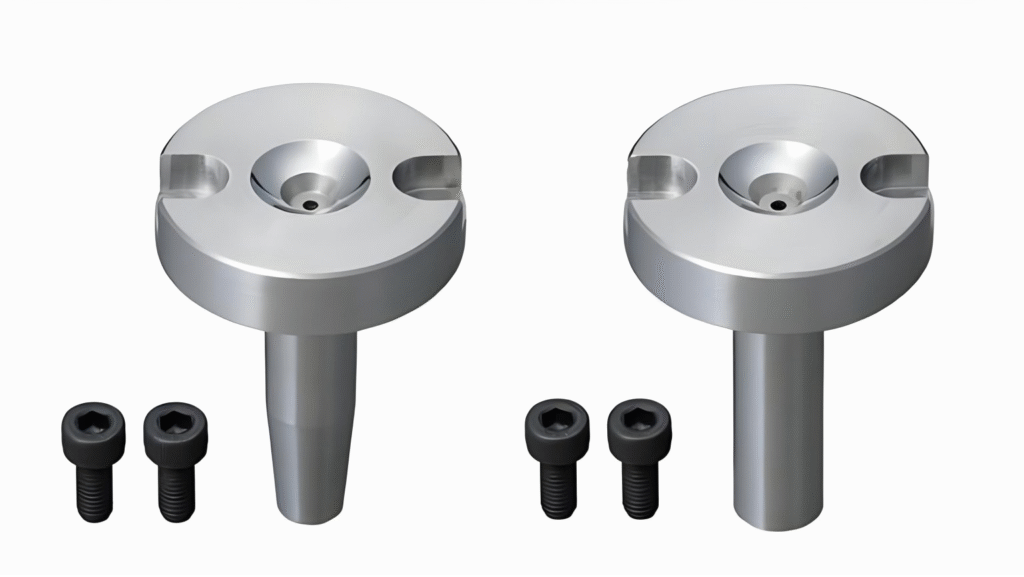
This system uses a heated nozzle that maintains a precise temperature at the gate point, keeping the melt flowing. A small cold slug forms the seal cycle after cycle, resulting in very minimal vestige. This is a highly efficient way to control the flow and seal time precisely.
How to Choose the Right Gate for Your Project?
The choice of an appropriate gate is a trade-off between part quality, total cost, and your productive volume required. Here is a summary of considerations that you should think about for your specific project.
Part Geometry Checklist
The shape of your part is the first thing you need to check. For a simple flat plaque or panel, an edge or fan gate is often suitable. If you have a hollow cylinder or tube, you should consider a diaphragm or ring gate to ensure perfect symmetry. For high cosmetic shells, try a submarine or hot-tip gate placed strategically on a hidden rib or internal wall.
Resin Flow & Shear Limits
Different polymers have unique sensitivities to high flow forces and shear. A shear-sensitive material like PVC needs large, generous edge gates to minimize internal stress and friction. However, a fast-flowing resin like Polypropylene (PP) can usually tolerate a tiny pin gate. Always check the supplier’s maximum shear-rate curves before you commit to the final gate size.
Production Volume & Labor Cost
Your projected volume is a huge factor in cost. Are you running a small 1,000-piece prototype run? Then you can probably accept the cost of manual de-gating with a simple edge gate. For a 24/7 lights-out production cell, you must use submarine or pin gates for fully automatic separation, even if the initial tooling cost is higher.
Cosmetic & Dimensional Tolerances
If your part has A-class surfaces—the visible, high-quality cosmetic areas—you must reject any noticeable vestige or witness mark. In this case, choose hot-tip gates and place them carefully on hidden ribs or non-visible internal side walls to maintain a flawless external appearance.
Common Injection Molding Gate Defects
The gate area is a common source of injection molding defects. Understanding these critical issues will help you quickly troubleshoot and adjust your design or your process parameters to save time and material.
Gate Blush
Gate Blush is a discolored, dull, or cloud-like halo that appears near the injection molding gate area. It’s caused by either excessive shear or moisture in the polymer melt as it enters the cavity. To fix this, you should try enlarging the gate size or lowering your overall injection speed to reduce friction.
Jetting
Jetting looks like a snake-like ripple or a visible worm trail that trails across the part surface. It occurs when the melt squirts quickly through a small orifice before it has time to impinge and flow against the cavity wall. You must relocate the gate to impinge on a wall or switch to a fan shape to smooth the entry.
Flow Marks & Hesitations
You will see visible concentric rings or swirl marks that result from the plastic melt stopping and starting its motion. This happens when the melt loses its necessary temperature and viscosity. To correct this, increase the gate width or move the gate closer to a thick section to help maintain a stable melt temperature.
Short Shot
A Short Shot means the part is incomplete, with one or more sections remaining unfilled by the polymer. It usually happens because an undersized gate solidifies too early in the cycle. You can try raising the melt temperature or switch to a larger gate for a prolonged, effective packing phase.
Sink & Void
Sink is an observable surface depression, and a Void is a bubble trapped within the part. Both indicate an insufficient amount of packing time as the gate sealed too early and did not allow for enough polymer into the cavity. Enlarge the gate depth to keep it open longer, or increase the mold’s holding pressure.
Flash at Gate
Flash is thin, unwanted material squeezed out of the mold cavity. Flash at the gate area specifically means that excessive injection pressure is forcing material to open or shear the steel shut-off area. Reduce the clamp force or add a precise tapered land to the gate geometry to strengthen the steel shut-off.
High Gate Vestige
This is a sharp, unsightly stub of material left on the part after it has been trimmed or automatically sheared off. It’s a purely cosmetic and sometimes functional defect. Use a sub-gate with a steep 30-degree included angle to encourage a clean tear-off, or ensure proper cooling and shear conditions at the gate for a guaranteed zero-vestige finish.
Injection Molding Gate Design Considerations (7 Best Strategies)
Moving beyond basic type selection, these seven strategies are what expert toolmakers use to optimize plastic injection molding gate design for maximum efficiency, speed, and quality.
1. Optimize Gate Location
Always place your injection molding gate at the thickest wall section of the part. This allows you to pack the part’s heavy areas effectively and minimizes volumetric shrinkage in those regions. Also, locate the gate farthest from any critical dimensional tolerances to balance the overall mold fill and reduce potential weld lines.
2. Size the Gate for Shear, Not Just Volume
You need to calculate the actual shear rate and keep it below the resin supplier’s maximum limit to prevent material degradation from friction. At the same time, the gate must be large enough to allow adequate packing time. A typical starting point for the gate depth is 50–80% of the nominal part wall thickness.
3. Match Gate Geometry to Part Shape
The geometry must be functionally correct for the component. A fan gate is best for wide flat parts because it spreads the stress evenly. A disc gate is perfect for creating true cylindrical shapes, and the cashew gate is ideal for hiding the vestige under internal clips. The part’s shape should always drive your plastic injection mold gate design choice.
4. Simulate Flow Before Steel Is Cut
Never just guess; you should use powerful flow simulation tools like Moldflow or Cadmould. These programs allow you to accurately predict the exact position of weld lines, identify potential air traps, and determine the required injection pressure. Adjusting the gate location virtually is far cheaper and faster than modifying hard steel later.
5. Plan De-gating & Ejection Upfront
Think about the process from the moment the part is ejected. Submarine gates need a generous 15–25 degree draft angle and a clean shearing land to ensure a reliable, automatic separation. If you choose any automatic gate, you must plan for the necessary pin clearance and the pneumatic actuation space required in the mold’s B-plate.
6. Integrate Cooling Channels Near the Gate
The gate area is typically the last section of the part to cool and fully solidify, and thus can greatly dictate your total cycle time. You can significantly reduce the cycle by adding additional dedicated cooling channels or high-conductivity beryllium copper inserts just within the injection mold gate area, as well as minimizing the defects associated with the gate blush.
7. Standardize Gate Specs Across Mold Families
If you are running multi-cavity or family molds, you must maintain identical submarine gate angles and land lengths for all cavities being molded. This critical standardization is necessary to guarantee a balanced filling of all parts and will help simplify your long-term mold maintenance and troubleshooting efforts.
Conclusion
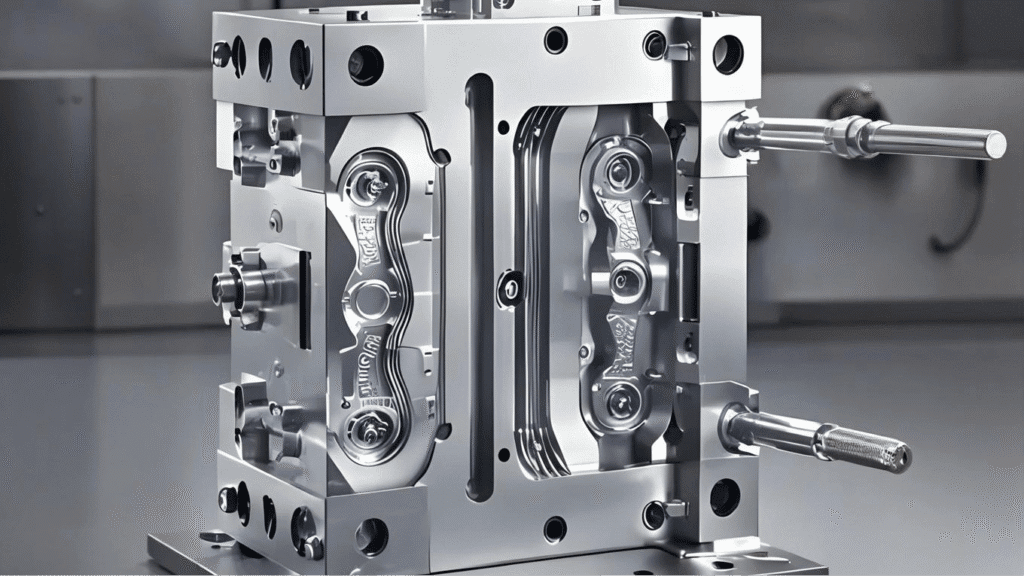
Mastering plastic injection mold gate design is the fastest, lowest-cost way to boost profit. Getting the gate right—from selecting the correct type to precise sizing and flow simulation—slashes scrap, cuts cycle time, and guarantees flawless part cosmetics.
If you need expert gate validation, Fecision is your partner. We specialize in precision mold tooling for mass production, utilizing Mold Flow Analysis to optimize gate location and design before steel is cut. Our process, which includes machining to tight tolerances (as low as ±0.01 mm), ensures production molds—from prototype to multi-cavity hardened steel—are delivered fast to eliminate defects like blush and jetting.
Ready to eliminate defects and accelerate production? Contact Fecision Mold Tooling Services today to start your gate design validation!