
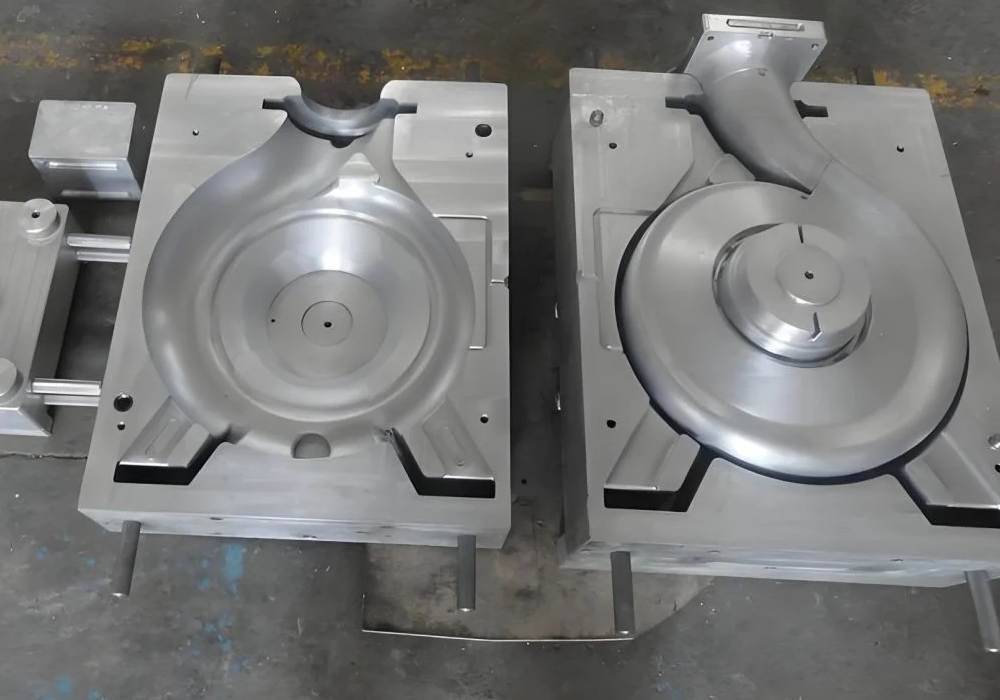
Many sources claim that an injection mold lasts hundreds to millions of cycles. While that’s true, it’s not that simple. A mold’s durability depends on various factors, including material wear, operating conditions, and maintenance.
Once you understand these factors, you can easily maximize mold life, reduce costs, and maintain product quality. Let’s explore how it’s possible, the average lifespan of an injection mold, and the factors that influence mold longevity.
Average Lifespan of Different Types of Injection Molds
The lifespan of an injection mold depends mainly on the material it’s made from and how well it’s maintained. Here’s a comprehensive breakdown for you:
| Mold Type | Average Lifespan |
| Aluminum | 5,000 to 10,000 cycles. |
| Steel | 100,000 to 1,000,000+ cycles. |
| Plastic | 100,000 to 300,000 cycles. |
| Nylon | 100,000 to 300,000 cycles. |
| PVC | 5,000 to 20,000 cycles. |
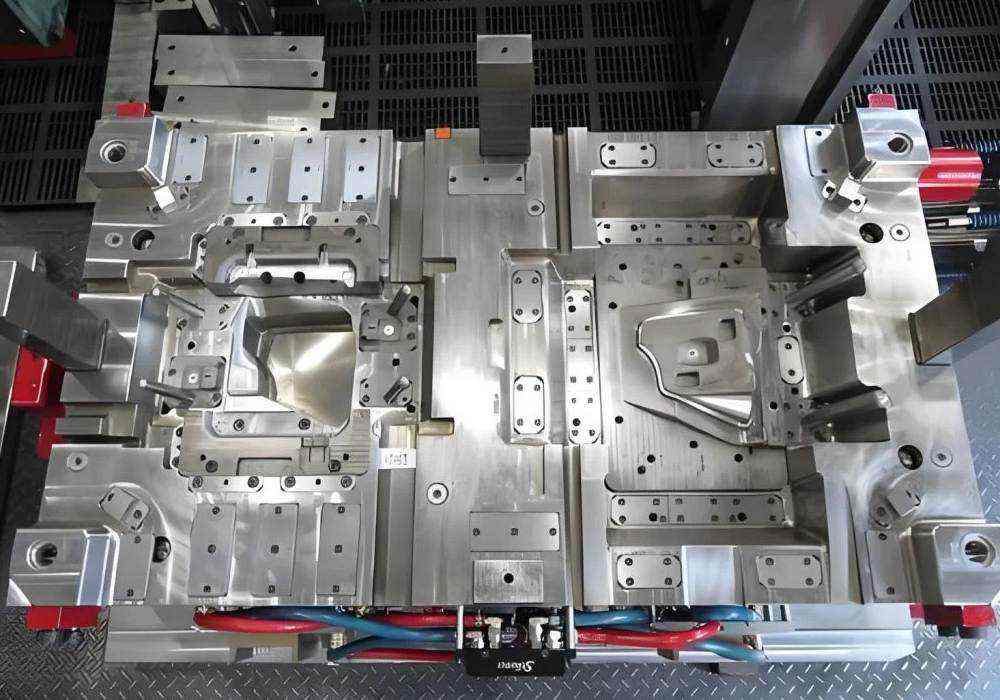
1. Aluminum Molds
Aluminum molds are commonly used for prototyping, low-volume production, and short-run manufacturing. However, aluminum is softer and less durable, making it more susceptible to wear and damage during high-volume production.
The average lifespan of such a mold ranges from 5,000 to 10,000 cycles, depending on the resin used and mold care. These molds should not be used after 10,000 cycles, as they may degrade rapidly, increasing downtime and requiring retooling.
2. Steel Molds
Steel molds are the industry standard for high-volume production because they are more durable than aluminum and can withstand millions of cycles with proper care. However, the longevity and application of the mold depends on the specific type of steel used.
The average lifespan of different types of steel molds is the following:
- P20 Steel Molds: 100,000 to 500,000 cycles. Recommended for medium-volume production.
- H13 Steel Molds: 500,000 to 1,000,000 cycles. Perfect for high-volume production.
- S136 / 420 Stainless Steel Molds: 1,000,000+ cycles. Best for medical, food-grade, and high-precision applications.
3. Other Types of Molds: Plastic, Nylon, and PVC
While metals like aluminum and steel are the most common materials for molds, other materials such as plastics, nylon (polyamide), and PVC are also used in specific applications. Here’s an overview of their average lifespan:
- Plastic Molds: These molds are typically used for low to medium-volume production. Plastics like acrylic or polycarbonate offer flexibility in design, but tend to wear out faster. The lifespan of plastic molds usually ranges from 100,000 to 300,000 cycles.
- Nylon (Polyamide) Molds: Nylon molds are durable and highly resistant to wear and abrasion, making them suitable for medium-volume production. Their lifespan can range from 100,000 to 300,000.
- PVC Molds: PVC molds are less common but are sometimes used for low-volume production, particularly in industries like plumbing or electrical. They tend to have a shorter lifespan, typically 5,000 to 20,000 cycles.
Factors That Affect Injection Mold Lifespan
Here are the main factors that influence how long an injection mold lasts:
1. Material of the Mold
The material you might use to manufacture the mold significantly impacts its durability. For instance:
- Aluminum molds are lightweight and cost-effective but wear out faster, typically lasting 5,000 to 10,000 cycles.
- Steel molds provide a balance of durability and machinability, lasting 100,000 to 500,000 cycles, depending on the steel used.
- Soft plastics (e.g., PP, PE, ABS) are less abrasive and cause minimal wear, which leads to longer mold life.
- Glass-filled or fiber-reinforced plastics (e.g., GF Nylon, PEEK) are highly abrasive and can wear down even hardened steel molds.
These are just a couple of examples showing that you need to choose the right material so that the mold can withstand repeated use without premature wear or damage. You can choose harder materials as they last longer, but come at a higher initial cost.
2. Mold Design and Complexity
The design of the mold significantly impacts its lifespan because:
- Simple molds with fewer moving parts last longer and require less maintenance.
- Complex molds with intricate cavities, undercuts, and moving components (such as slides and lifters) are more prone to wear and mechanical failure.
- Thin-walled mold cavities experience higher stress and increase the risk of cracking or deformation.
In other words, always use a well-optimized design as it reduces mechanical stress, prevents premature wear, and ensures constant production quality. You can also use CAD simulations to identify weak points and improve mold durability.
3. Production Volume and Cycle Count
The number of parts produced by a mold directly affects its longevity. For instance, molds used for low-volume production experience minimal wear and can last years with proper care, compared to high-production molds.
The difference is primarily due to the effects of a higher cycle count, which increases thermal fatigue, material erosion, and mechanical wear. This makes strong materials and coatings essential for molds long-term durability.
Molds are classified based on their durability, and production volume:
- Low-Volume Molds (Class 104 and 105): Class 104 molds can last between 10,000 and 25,000 cycles, while Class 105 molds typically endure fewer than 500 cycles.
- Medium-Volume Molds (Class 102 and 103): Class 102 molds typically have a life expectancy ranging from 100,000 to 500,000 cycles. Meanwhile, the Class 103 molds are designed for slightly lighter production of around 100,000 cycles.
- High-Volume Molds (Class 101): These molds are built for high-volume production of nearly 1 million or more molds and are crafted from durable materials such as hardened steel.
4. Maintenance and Cleaning
Regular maintenance can extend the lifespan of an injection mold by two to three times. Neglecting upkeep can cause flashing, surface wear, or even mold failure.
Key maintenance practices include:
- Cleaning the mold regularly to prevent material buildup.
- Lubricating moving parts (e.g., ejector pins, slides) to prevent friction and wear.
- Inspecting and repairing minor defects early to avoid costly replacements.
- Polishing mold surfaces to prevent corrosion and maintain part quality.
A well-maintained mold lasts significantly longer and reduces downtime.
5. Operating Conditions
External factors like temperature, pressure, and environmental conditions also impact mold longevity. For instance:
- Excessive injection pressure can lead to mold cracking or mechanical failure over time.
- High operating temperatures cause thermal expansion, which leads to warping or microfractures.
- Poor cooling system efficiency results in uneven heating, which increases thermal fatigue.

How to Extend the Life of an Injection Mold
Here are a few strategies you can use to reduce wear, prevent damage, and keep molds running efficiently for longer:
- Proper Cooling and Lubrication: Maintain consistent cooling, use quality lubricants on moving parts, and prevent overheating to reduce wear and tear.
- Using the Right Materials and Coatings: Choose durable mold materials (steel for high-volume, aluminum for prototypes) and apply protective coatings like nitriding or chrome plating.
- Optimizing Cycle Times to Reduce Wear: Avoid excessive injection pressure, control cooling times, and use smooth ejection to minimize stress on the mold.
Extend Your Mold’s Lifespan with Quality and Maintenance
Proper care is the key to getting the most out of your injection molds. Regular maintenance not only enhances durability but also ensures consistent and cost-effective production.
You can clean your molds thoroughly with industrial methods like chemical cleaning, ultrasonic immersion cleaning, dry ice blasting, soft plastic media blasting, and laser cleaning. Also, invest in high-quality materials and use protective coatings to extend the life of your molds.
By doing so, you’ll experience reduced downtime, less costly repair, and a higher ROI on your molds.