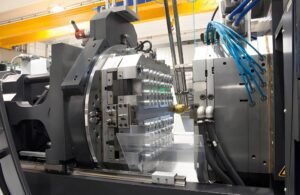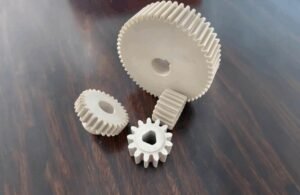
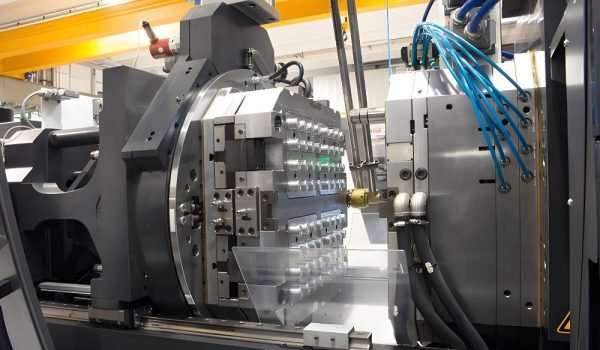
High temperature injection molding can produce precision components with heat resistant plastic from aerospace connectors to surgical instruments. These parts survive extreme environments where standard materials fail. You can rely on these advanced polymers to maintain strength and shape under intense thermal stress in your most critical engineering applications.
Below you will meet the elite polymers that tolerate 300°C+ service temperatures. You will master thermal management tactics and learn proven process tips for flawless high temperature injection molding. These insights help you choose the right materials and design strategies for your next demanding project and complex part.
Common High Temperature Injection Molded Plastics
The following polymers would be perfect candidates for your most demanding engineering applications and for manufacturing high performance parts.
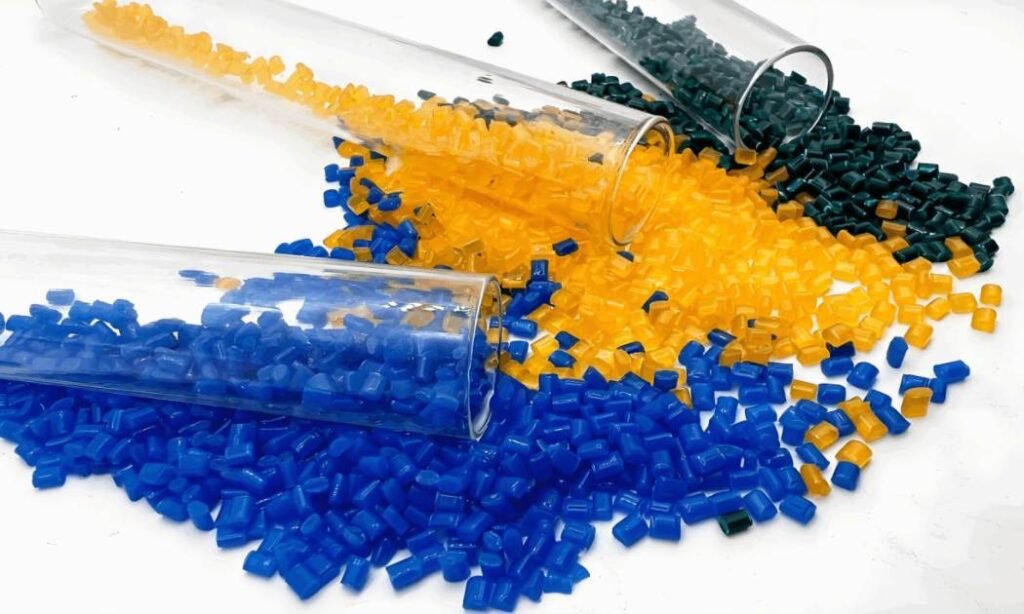
PEEK (Polyether Ether Ketone)
PEEK is a high-performance polymer for use in high temperature applications. With a service temperature of up to 260°C, PEEK can withstand short-term spikes in heat of up to 310°C, and has a melting point approaching 343°C. PEEK is also known for its exceptional chemical resistance, making it suitable for medical implants, semiconductor wafer carriers and oil field connectors.
Because PEEK is a semi-crystalline polymer, the cooling rate during the molding process must be controlled very carefully by the manufacturers. If the temperature of the mold is too low, the part will not achieve full crystallinity. Many times, manufacturers will use oil heaters designed for that specific purpose to keep their molds at high enough temperatures to achieve the best mechanical properties.
Torlon® (Polyamide-Imide, PAI)
Torlon stays stable at very high temperatures and offers excellent long-term service at 260°C. It does not stretch or deform under pressure like other heat resistant plastics. You can use it for gears and engine parts that must work in very messy or corrosive chemical areas.
Manufacturers generally perform a post-cure process on Torlon components after they exit the high temperature plastics injection molding machine. This specific heat treatment cycles the parts through set temperatures over several days to maximize strength. Proper venting is vital in the mold because this resin can release volatiles during high-heat injection.
Vespel® (Polyimide)
Vespel will be your best option when you need service temperatures of 300°C or greater. Vespel’s near-zero outgassing characteristics are critical for any application involving delicate equipment. Applications include spacecraft seals, plasma chamber components, and high vacuum environments where traditional metal materials would not be able to outperform.
Processing many polyimides is very challenging; however, certain grades are specifically formulated for high temperature plastics injection molding. Manufacturers use specialized screws and high tonnage presses to control the challenging melt viscosity of these resins. In addition, precise temperature control is maintained within each heating zone to prevent the material from degrading during production.
ULTEM® (Polyetherimide, PEI)
ULTEM is an amber-gold transparent resin with a 170°C heat deflection temperature and a melting point of 219°C. There is no flame retardants added to ULTEM to achieve flame resistance; it is inherently flame resistant. This material is commonly used in the manufacture of sterilization trays for medical use, electrical insulation, and aircraft interior panels.
Resin must be thoroughly dried as part of the molding process. To do this, manufacturers use desiccant dryers to achieve low levels of moisture before the resin enters the hopper. High injection pressures are often required to fill thin-walled sections of the mold due to its relatively high melt viscosity.
Celazole® PBI (Polybenzimidazole)
Celazole PBI offers you the highest heat resistance among all melt-processable polymers. It has a capability of 400°C or more in the right conditions. This material is typically reserved for extreme aerospace and defense applications where a component failure would be considered absolutely catastrophic for the mission.
Due to their high melting points, the molding equipment must reach extreme temperature ranges. Therefore, ceramic heater bands and specialized insulation blankets are frequently utilized by manufacturers to keep the required thermal conditions. Rapid cycles are avoided to ensure the material does not sit too long in the heated barrel.
Other High Temperature Contenders
Consider Noryl for affordable electrical housings that must survive 120°C environments. Rulon is a great pick for self-lubricating seals that work at 260°C. For industrial parts facing heat and corrosion, pDCPD is a tough material option that provides you with excellent long-term performance and high ruggedness.
Manufacturers select these specific materials based on the chemical and thermal needs of your unique design. Tooling for these resins often needs special coatings to stop abrasion if glass fibers are present. The thermal expansion of the mold is calculated carefully to keep very tight tolerances on your finished parts.
Best High Temperature Injection Molding Tips
Winning with these polymers means taming heat. Here is how the pros ensure your parts come out perfect every single time.
Optimize Heat Transfer Channels
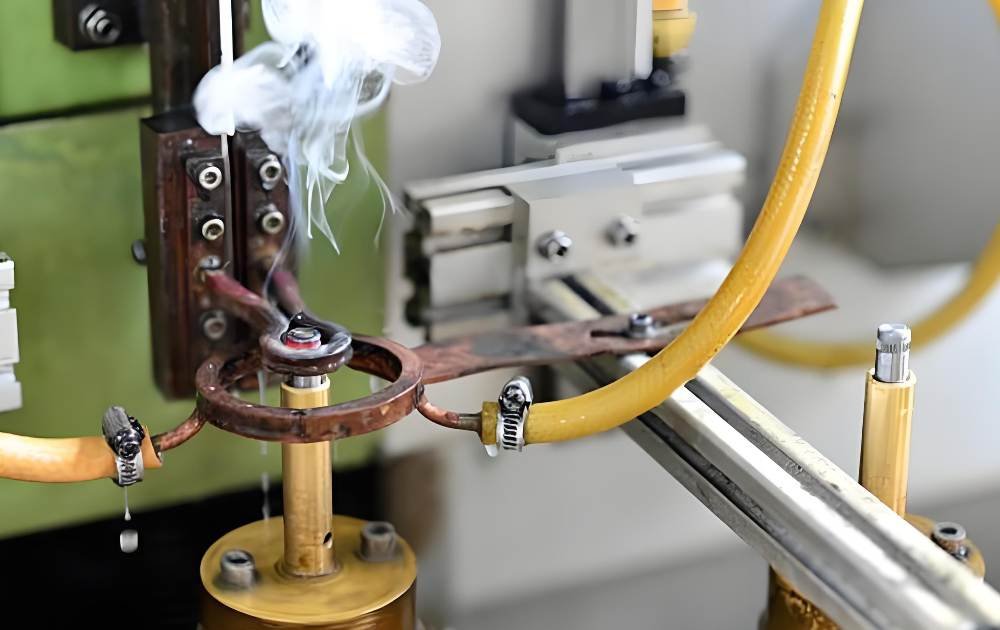
The use of high temperature injection molded plastics generally requires a melt temperature of approximately 350-400°C, and thus produces a significantly large amount of thermal load to the tooling. Careful attention should be given when designing your part geometry with respect to this heat. Efficient cooling is the only way to ensure dimensional stability and keep your production costs within a reasonable budget.
Conformal cooling channels are designed to follow the specific contours of the mold cavity. Manufacturers often use 3D-printed metal inserts to create these complex paths. This allows heat to be extracted rapidly and uniformly. It also prevents the formation of hot spots that could otherwise degrade the polymer’s crystallinity.
Deploy Strategic Thermal Pins
You will find that thick sections of a part often cool unevenly. This leads to internal voids, sink marks, and dimensional drift that can ruin your project. By having an understanding of where the concentration of heat occurs in the mold, the engineering team can then design and place features in the part geometry that improve the rate at which heat is dissipated.
Thermal pins made from either copper or beryllium-copper should be placed within the core of the mold to support this process. These components act as “heat highways” to move thermal energy away from the heat resistant plastic quickly. This technique accelerates the cooling of bosses and thick ribs. It improves part quality without significantly extending the overall molding cycle time.
Select Mold Materials for Thermal Extremes
Standard H13 steel is not always enough because it softens and erodes under sustained high temperature exposure. You should expect your manufacturer to use high-grade steels for your production tools. Using the right metal ensures that your parts remain consistent over thousands of cycles and multiple production runs.
High quality tool steels, particularly S7 or D2, are generally used in these demanding environments; in addition, the use of powder metallurgy tool steels will give the user additional wear and heat resistance. The tools used will generally have metal coatings (for example, titanium aluminum nitride (TiAlN)) applied to their surfaces, which provide tools with increased resistance to wear and therefore lengthen the tooling life when using abrasive or hot-running resins.
Maintain Uniform Wall Thickness
Design your parts with walls between 0.8 mm and 3 mm whenever possible. Sudden thickness variations create differential shrinkage and warpage in crystalline high temperature polymers. Keeping your design consistent helps the material flow better and ensures that the final product meets your exact mechanical specifications.
Gradual transitions are used between sections of different thicknesses to reduce stress. Manufacturers apply generous radii at all corners to prevent the formation of sink marks. These design choices help minimize residual stress. Reducing stress is critical because it prevents the part from cracking or failing when exposed to high heat.
Engineer Proper Draft Angles
High temperature plastics shrink aggressively onto mold cores as they cool down. This increases the ejection force required and can lead to parts sticking in the tool. Specify a minimum draft angle of 1 to 2 degrees per side to prevent these common manufacturing delays and defects.
The draft angle is increased to 3 degrees for deep cavities or parts with textured surfaces. This will guarantee proper ejection of the part from the mold without distortion of the part from physical forces. Prior to product release from the molding machine, all manufacturers or toolmakers closely monitor the ejection mechanism to ensure that there is no surface marring by the ejection pins on the molded heat resistant plastic part.
Conclusion
High temperature injection molding demands respect for thermal physics. When you combine the right polymer with engineered cooling and robust tooling, you succeed. These factors transform extreme heat from an enemy into an ally. You can achieve incredible precision and durability by following these professional thermal management and design guidelines.
Do you have a project that requires extreme heat resistance? Upload your high temperature part design to Fecision today for specialized support. We leverage ISO-certified quality and advanced thermal simulation to master the unique shrinkage and cooling challenges of high-performance resins. Our experts optimize your tool design and cooling channels, ensuring dimensional precision and peak material performance for your most demanding heat resistant applications.
Contact Fecision today to get a professional review and a free quote for your next high temperature injection molding project!