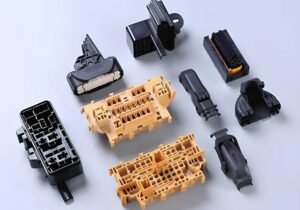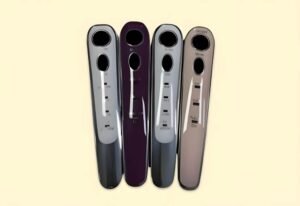
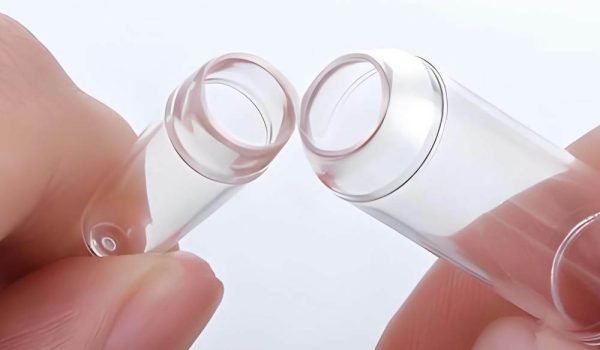
Are you looking to create clear, durable plastic components with complex geometries? PETG injection molding is a versatile and effective manufacturing process that suits diverse products across various industries, including medical, electronics, packaging, and consumer goods.
This comprehensive guide will walk you through the PETG material choice for your projects, exploring its unique properties, such as superior impact resistance and chemical compatibility. You’ll discover why PETG has become a popular alternative to other clear plastics and understand the complete injection molding process, its benefits, and common applications.
By the end of this guide, you’ll be equipped with the knowledge to get started with your next project, leveraging the advantages of PETG injection molding for your production needs.
PETG Material: More Than Just a Clear Plastic
What is PETG?
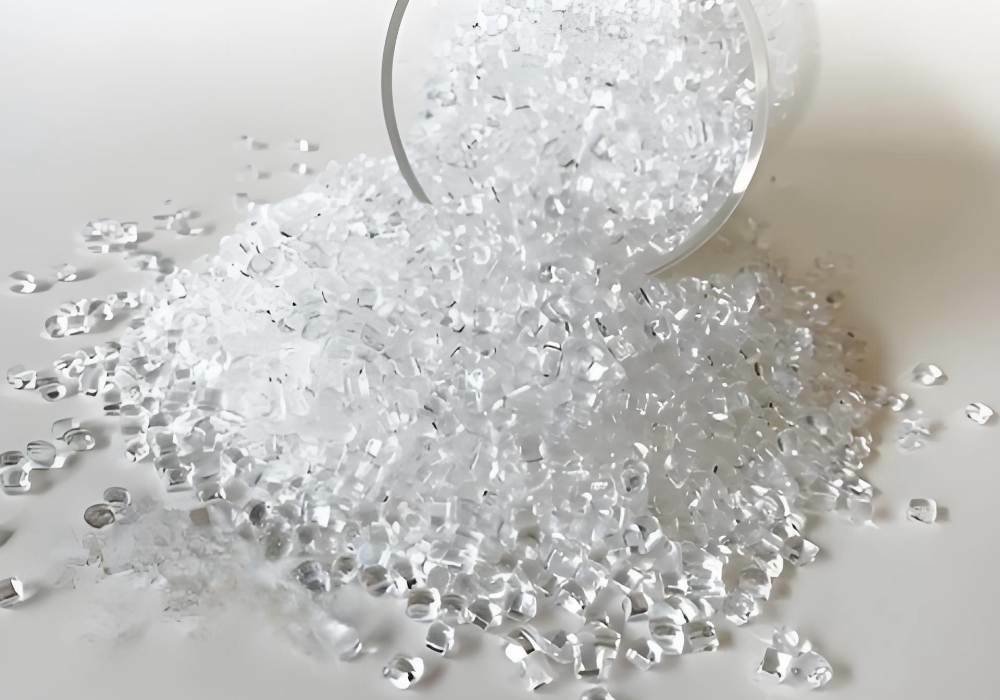
PETG is a thermoplastic polyester that is known for its excellent clarity and gloss. It is a glycol-modified version of polyethylene terephthalate (PET), which enhances its processability and impact resistance. PETG is often used in applications where transparency and durability are crucial.
Key Properties and Characteristics
PETG boasts several key properties that make it an attractive material for various uses. Its exceptional optical clarity and high-gloss surface finish rival those of acrylic, while its impact strength and toughness surpass those of standard PET and some other transparent polymers. Additionally, PETG offers good chemical resistance to many common chemicals, including acids, bases, alcohols, and oils, making it suitable for applications where exposure to such substances is a concern.
The clarity and other properties of PETG, combined with its ease of processing and thermoformability, makes it suitable for a wide range of applications, from food contact and medical devices to consumer goods and displays. Its FDA compliance and BPA-free composition further enhance its value for applications where safety is paramount.
The PETG Injection Molding Process
Injection molding with PETG offers a versatile method for producing high-quality plastic parts. This process is widely used in various industries due to PETG’s excellent properties, such as clarity, impact resistance, and chemical resistance.
Can PETG Be Injection Molded?
Yes, PETG can be injection molded. It is a suitable material for this process due to its thermoplastic nature and relatively low processing temperatures. PETG’s properties make it an ideal choice for producing complex geometries and detailed parts.
Process Overview
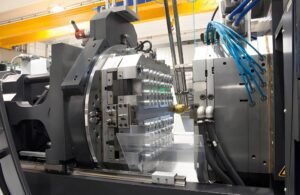
The PETG injection molding process involves several key steps: drying PETG to remove moisture, melting the material, injecting it into a mold, cooling, and ejecting the final part. Proper control of these steps is crucial for producing high-quality parts.
Critical Processing Parameters
Critical parameters in PETG injection molding include moisture control, melt temperature (typically between 220°C to 290°C), mold temperature (usually between 15°C to 40°C), injection speed, and cooling time. Optimizing these parameters ensures minimal defects and efficient production.
Advantages of PETG for Injection Molding
When it comes to injection molding, PETG stands out for its numerous benefits that enhance production efficiency and product quality. The advantages of using PETG can be broadly categorized into mechanical and physical benefits, as well as processing advantages.
Mechanical and Physical Benefits
PETG offers excellent mechanical properties, including high impact resistance and flexibility, making it suitable for producing parts that require durability and versatility. Its physical properties, such as clarity and transparency, are also beneficial for applications where visibility is crucial. Moreover, PETG’s minimal shrinkage and warpage tendencies result in more precise parts with better dimensional stability.
Processing Advantages
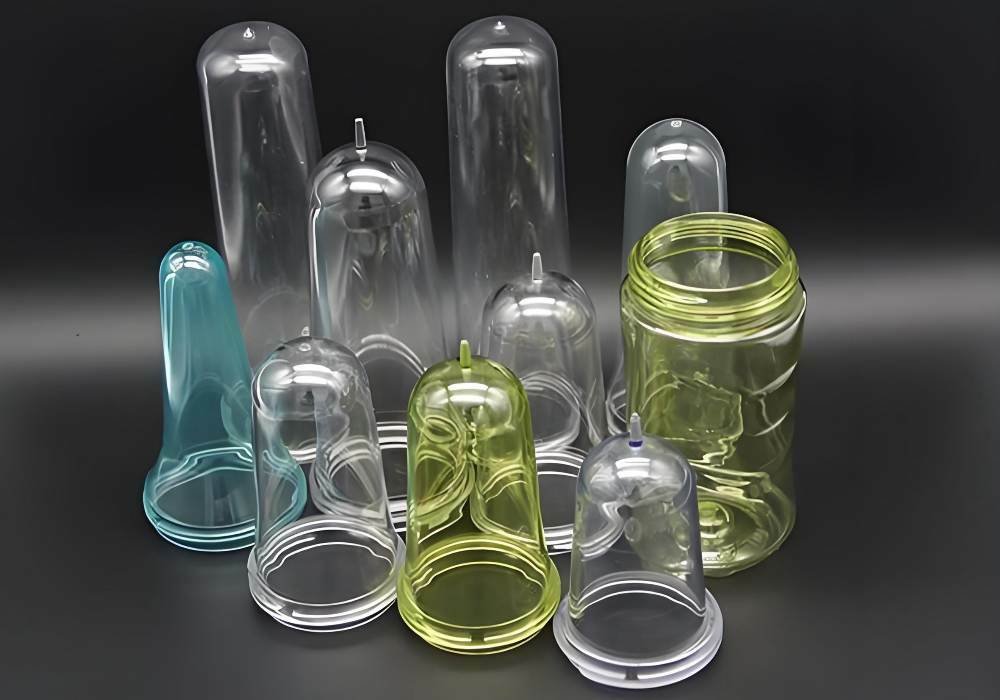
PETG’s wide processing window provides greater manufacturing flexibility and forgiveness during production setup. Its excellent flow characteristics allow for thinner walls and more complex geometries than many alternative materials. Additionally, PETG’s compatibility with various colorants, additives, and in-mold decorating techniques expands design possibilities while maintaining processing efficiency. This makes PETG an ideal choice for injection molding applications where precision and customization are key.
PETG vs. Other Clear Plastics for Injection Molding
Injection molding with clear plastics requires careful material selection, and PETG is a strong candidate due to its balanced performance. When evaluating materials for your project, you’ll want to consider how PETG compares to other clear plastics.
PETG vs. Polycarbonate (PC)
PETG and Polycarbonate (PC) are both impact-resistant, but PETG offers better chemical resistance and is more cost-effective. While PC has higher heat resistance, PETG’s overall balance of properties makes it suitable for many applications.
PETG vs. Acrylic (PMMA)
PETG and Acrylic (PMMA) share optical clarity, but PETG surpasses Acrylic in toughness and impact resistance. Acrylic is more prone to cracking, making PETG a better choice for parts that require durability.
When to Choose PETG
Choose PETG when your application requires a balance of optical clarity, toughness, and chemical resistance. It’s particularly suitable for projects where cost-effectiveness is crucial, and its ease of processing can help reduce production costs.
Common Applications for Injection Molded PETG Parts
You can find PETG injection molded products in multiple sectors, benefiting from its characteristics. The versatility of PETG makes it a popular material across various industries.
Medical and Pharmaceutical Products
PETG is widely used in medical and pharmaceutical applications due to its clarity, impact resistance, and compatibility with sterilization processes. It’s often used for medical device components and packaging.
Food and Beverage Packaging
In the food and beverage industry, PETG is used for packaging due to its non-toxicity, clarity, and ability to withstand various temperatures. It’s ideal for creating attractive and safe packaging.
Consumer Goods and Electronics
PETG’s durability and aesthetic appeal make it suitable for consumer goods and electronics. It’s used in the manufacture of components that require both form and function.
Displays and Signage
The ease with which PETG can be formed, printed on, and colored makes it ideal for retail displays, stands, and signage. Its clarity and gloss provide an attractive finish, while its impact resistance ensures longevity in busy retail environments.
Getting Started With Fecision for PETG Injection Molding
By understanding PETG’s characteristics and the injection molding process, you can leverage its full potential for your product needs. PETG injection molding offers a versatile solution for various industries, including medical, packaging, and consumer goods, where clarity, durability, and chemical resistance are crucial.
With its optimal balance of performance, design latitude, and economics, PETG stands out as an exceptional thermoplastic for producing high-quality plastic parts. Fecision’s expertise in PETG injection molding can help you achieve optimal results for your specific project requirements, ensuring high-performance components and products.