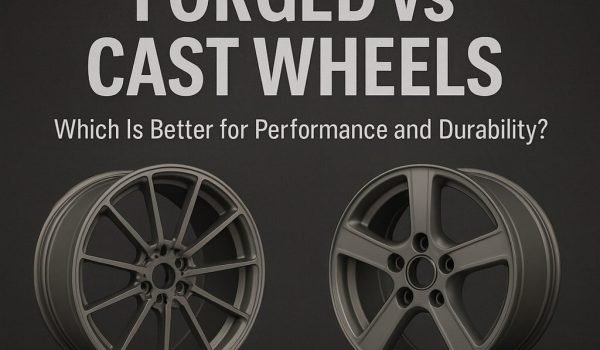
This article explains everything you need to know about forged vs cast wheels.Selecting the right wheel manufacturing route is a strategic decision for OEMs, aftermarket brands, assembly plants, and trading partners. Wheel type impacts not only vehicle performance and safety, but also your bill of materials (BOM), warranty risk, supply chain stability, and market positioning.
Two dominant manufacturing approaches, casting and forging, can both produce high-quality wheels. But they differ significantly in mechanical properties, unit economics, scalability, and target applications. This guide explains forged vs cast wheels from a B2B manufacturing and sourcing perspective, helping you choose the right solution for your product line, customer segment, and volume plan.
What Are Cast Wheels?
Cast wheels make up 90% of OEM wheel production today, making them the most common type of aftermarket wheel available.
Cast wheels are made by pouring molten aluminum into a mold where it cools and solidifies into the desired wheel shape. This metalworking technique has been refined over thousands of years but follows the same basic principle used since the Bronze Age. After cooling, the wheels are machined, drilled and trimmed into their final form.
Pros of cast wheels
Cast wheels are a strong option for many drivers because they offer:
- Affordable pricing
- Huge variety of designs and finishes
- Suitable for daily driving and mild performance use
- Easy availability in most sizes
Cons of cast wheels
However, cast wheels have limitations:
- More prone to porosity (air pockets inside the metal)
- Typically 20-30% heavier than forged wheels
- Higher likelihood of cracking or shattering under impact
- Less durable for aggressive driving, track use or heavy loads
In short: cast wheels are cost-effective for standard vehicles, but they can become the limiting factor in high-performance, high-load or harsh-environment programs.
What Are Forged Wheels?
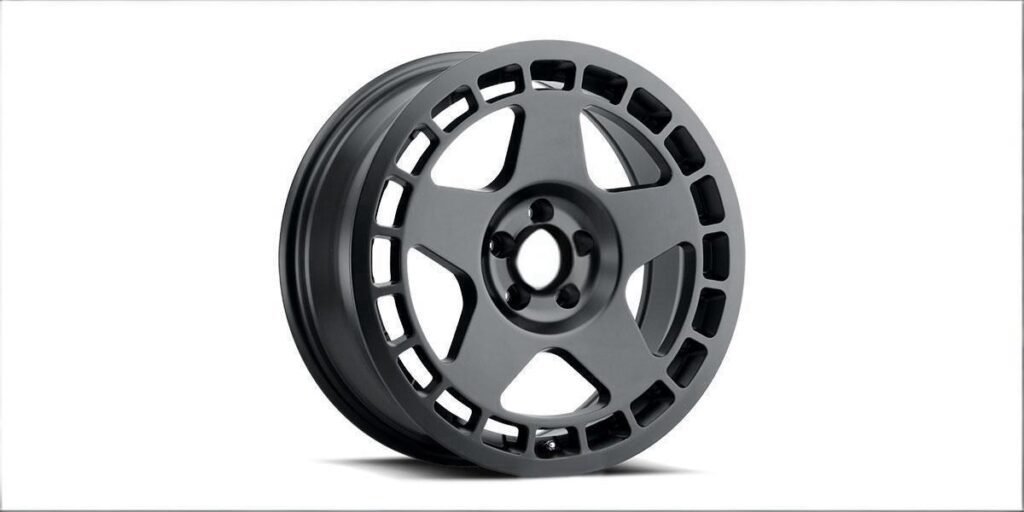
Unlike cast alternatives, forged wheels start life as solid blocks of aerospace grade aluminum that go through an intensive manufacturing process. These wheels are shaped through extreme pressure, typically 8,000 to 10,000 tons, applied to heated aluminum billets. This compression fundamentally changes the metal’s internal structure, creating a denser, more uniform grain pattern.
The forging process keeps the aluminum in solid state throughout production. After compression, Computer Numerical Control (CNC) machines carve away excess material to create the final wheel specifications. This manufacturing process eliminates porosity issues common in cast wheels and produces a material with much higher strength-to-weight ratio.
Pros of forged wheels
Forged wheels deliver measurable gains in both performance and durability:
- Up to 3× stronger
- Higher impact resistance
- More likely to bend than crack
- Better heat dissipation for brakes
- More flexible customization options
Cons of forged wheels
The main disadvantages are practical ones:
- More expensive (often 3-5x more than cast)
- Smaller selection of mass produced designs
- Repairs can be specialized and expensive
For brands positioning a performance, premium or heavy-duty product line, forged wheels can be a differentiating technology that supports both marketing and engineering claims.
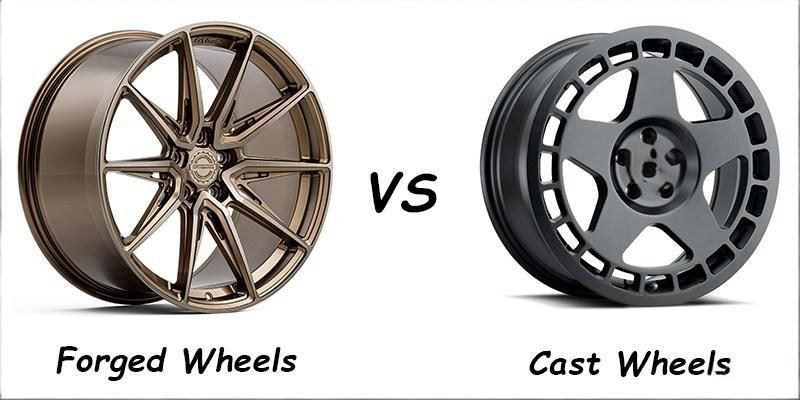
Forged Wheels vs Cast Wheels: Key Comparison Factors
When brands choose between forged and cast wheels for a new vehicle model, an aftermarket line, or an assembly program, the decision usually comes down to a few practical factors. These factors affect performance targets, durability levels, cost planning, and long-term reliability.
1) Weight Reduction and Vehicle Performance Targets
Forged wheels are lighter than cast wheels. In most cases, they are about 20–30% lighter in the same size. For example, a 20-inch forged wheel may weigh around 9 kg, while a cast wheel may weigh 11–14 kg.
This weight difference becomes meaningful across four wheels. Lower wheel weight reduces unsprung mass, so the suspension reacts faster. This improves steering, acceleration, and braking. For car brands and assembly programs, lighter wheels make it easier to hit performance and efficiency targets, especially for sport trims, premium SUVs, and EVs where range is important.
2) Durability, and Warranty Risk
Forged wheels are stronger because of how they are made. The forging process presses solid aluminum under high pressure, creating a tight and consistent structure. This helps the wheel handle repeated stress over time. If an impact happens, a forged wheel usually bends instead of cracking.
Cast wheels are made by pouring melted aluminum into molds. Small air gaps can form inside the metal. These gaps make the wheel more brittle, so under heavy impact it is more likely to crack or break. For B2B buyers, this means higher failure risk in the field and more warranty cost. That is why forged wheels are often used for performance cars, heavy vehicles, and rough-road markets.
3) Heat Dissipation and Brake System Stability
Forged wheels handle heat better than cast wheels. During fast driving or heavy braking, heat builds up near the brakes and tires. Forged wheels dissipate heat more quickly, which helps brakes stay stable for longer.
Good heat control reduces brake fade and protects tires from extra heat stress. This matters for performance trims, heavy SUVs and trucks, EVs with frequent braking, and vehicles used in hot climates, mountains, or towing conditions. It also helps brands pass safety tests more smoothly.
4) Cost Structure and Long-Term Value
Forged wheels cost more at the start. They are usually 3–5 times more expensive than cast wheels, depending on size and design. Cast wheels are cheaper to mass-produce, so they fit high-volume and price-sensitive trims well.
But forged wheels can offer better value over time. They last longer, fail less, and improve efficiency because of lower weight. They also help brands price premium trims higher by offering a clear quality upgrade. For many B2B programs, the higher unit cost is balanced by lower risk and stronger market positioning.
5) Maintenance, Repairability, and After-Sales Economics
Forged wheels often last 10–20 years with normal care. Because they bend more than they crack, repair is often possible within safety limits. This lowers replacement needs.
Cast wheels are harder to repair because impact damage often causes cracks. In many cases, cracked cast wheels must be replaced. For traders and distributors, this increases after-sales cost and replacement rates. Fewer replacements with forged wheels improve ownership value for professional buyers.
6) Resale Value and Brand Perception
Forged wheels keep their value better. They are seen as premium and durable, so demand stays stronger. Prices drop less than cast wheels in resale markets. For OEMs, forged wheels lift the image of a trim level and make the vehicle feel more high-end. For aftermarket brands and traders, strong resale value protects margins and improves selling power in premium segments.
7) Fitment Range, Aesthetics, and Custom Manufacturing
Forged wheels give brands more freedom in size and design. Cast wheels are common in standard sizes and simpler designs because they suit fast mass production. Forged wheels can be made in larger diameters, wider widths, and higher load ratings. This works well for luxury builds, lifted trucks, heavy SUVs, and off-highway vehicles.
Forging also allows more offset options and deeper concave styles without losing strength. Finishes are more flexible too, including brushed, dark, tinted, and two-tone looks. Multi-piece forged wheels add even more custom options while still supporting efficient production. In simple terms, cast wheels suit standard high-volume programs, while forged wheels fit custom, high-value programs where strength, weight, and brand positioning matter more.
Comparison Table
Let’s compare these two wheel types side by side so you can see the pros and cons of each.
| Feature | Forged Wheels | Cast Wheels |
| Manufacturing | Solid billet pressed under high pressure | Molten aluminum poured into a mold |
| Weight | 20–30% lighter | 20–30% heavier |
| Strength | ~3x stronger | Adequate for daily use |
| Porosity | None | Present, reduces strength |
| Impact Response | Bends | Cracks or shatters |
| Heat Dissipation | Excellent | Moderate |
| Cost | High | Affordable |
| Design Options | Customizable | More preset styles |
| Usage | Performance, racing, heavy-duty | Daily commuting |
| Lifespan | 7–10+ years | Shorter |
| Repairability | Repairable | Harder to repair |
| Resale Value | High | Low |
Conclusion: Choosing the Right Wheel Technology for Your Business
Selecting forged vs cast wheels should be based on your vehicle program goals, duty cycle, target price point, and brand positioning. Cast wheels remain the most efficient choice for high-volume, cost-sensitive platforms where standard durability and styling are sufficient. Forged wheels are ideal for premium, performance, off-highway, or heavy-load applications because their lighter weight, higher strength, and safer impact behavior improve vehicle handling, reduce failures, and enhance brand positioning.
If you are an OEM, aftermarket brand, assembly plant or trading company looking for wheels built for real-world working conditions rather than just appearance, consider partnering with Fecision. We deliver custom forged and cast wheels with high strength, low weight, strong impact resistance, flexible fitment and long service life.