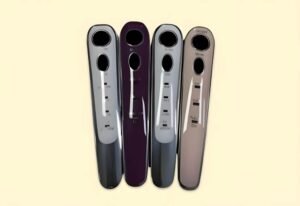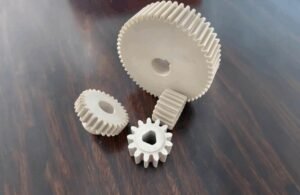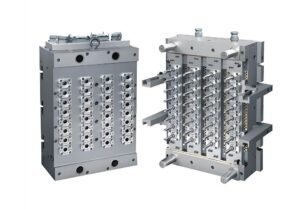

Injection molding electronics transforms raw resin into mission-critical parts in seconds, from micro-USB ports to 5G base-station shells. It is the engine behind nearly every modern gadget used on a daily basis. This process produces remarkably tolerant parts at blazing speed that build durable and slim electronic components.
Master this core technology to be successful in the electronics market! Below, you will learn about the injection molding’s lead in the market, applications, polymer recommendations, latest-use technologies, and unforeseen risks.
Why Choose Injection Molding for Electronics?
If you require precision and productivity in your manufacturing process, injection molding is the answer. Let’s look at four reasons to see why injection molding is an industry leader for manufacturers in the electronics market.
Ultra-High Volume Economy
The speed is unmatched. Cycle times are usually very short, which dramatically lowers the cost per piece. This drop in price to just a few cents makes it perfect for consumer electronics injection molding runs of a million units or more. It’s the only way to scale affordably.
Micron-Level Repeatability
Precision is everything for electronics. Multi-cavity tools can maintain tolerances of ±0.01 mm, assuring the user that every single USB-C connector will mate properly – even after 10,000 insertions. These tolerances are especially important for maintaining signal integrity and product performance.
Freedom in Ergonomic Design
Electronics plastic injection molding offers immense design freedom. You can easily create curved shapes, complex snap-fit features, and living-hinge housings. These parts would be impossible or too expensive to make with traditional sheet-metal fabrication. The one-shot electronic injection molding simplifies your design.
Built-In Functionality
You can integrate features right into the molding step. This includes over-molded gaskets for water resistance, EMI shielding layers to block interference, and laser-etchable legends for buttons. This built-in functionality of electronics housing injection molding eliminates costly, time-consuming secondary operations.
Key Applications of Injection Molded Electronics
The versatility of injection molding plastic electronics parts is clearly evident in its vast and diverse range of applications. It’s used in components that are both simple and highly complex.
Hand-Held Housings
Lightweight PC/ABS combinations keep smartphones well protected while providing a silky surface feel. These high-quality materials also have the perfect blend of toughness and aesthetics. This gives a user confidence that their device can withstand everyday drops while still providing a substantial premium feel in the palm of the hand. This is a core application in consumer devices where quality matters.
Connectors & Port Shrouds
Tight tolerance pockets to hold those USB-C, HDMI, and RJ-45 connections ensure smooth plug force insertions over the lifespan of thousands of cycles. That level of precision is everything when designing small component electronics. You need high accuracy to ensure perfect mating with cables, which prevents damage and guarantees reliable signal transmission. It’s a true test of the process’s precision.
Switch Plates & Outlet Covers
UL glow-wire rated PBT keeps smart-home wall devices safe even under overload conditions. Safety is the most significant concern for anything in connection with your house’s power system. The material meets strict safety standards, and you get peace of mind knowing your smart devices stay safe and fire-resistant.
Conduit Fittings
UV-stabilized nylon stands up to sunlight, oil, and rooftop heat in industrial Ethernet lines. Outdoor and industrial environments require extreme durability in materials. You need a material that won’t fall apart from being exposed to high temperatures or other extreme elements while providing long-term reliability for your network infrastructure. It’s about robust protection for outdoor systems.
Keypads & Tactile Buttons
Two-shot TPE on clear PC yields back-lit keys that survive million-cycle tests. The two-material process creates durable, light-transmitting buttons that feel great and last for years. You get clear, crisp backlighting that won’t wear off with heavy use, making this technology essential for keyboards and remote controls.
Dashboard Knobs
PMMA light-pipes are molded in-body; laser-etched icons glow evenly without extra lenses. This integration simplifies assembly in car interiors by guiding the light precisely through the plastic. This results in professional and durable vehicle components, creating a clean, uniform look for your dashboard.
Cable Ties & Clips
High-flow PPS meets halogen-free mandates and stays strong in engine-bay temperatures. These small parts must handle extreme heat while maintaining their integrity. This specific material assures regulatory compliance and high temperature performance so that even during rough conditions, your critical wiring stays neat and secured.
Common Materials Used in Injection Molding Electronics
Careful consideration of the right material is important. Here are some of the most frequently used polymers and the associated benefits to your application.
ABS – The Everyday Shield
ABS is easy to plate, paint, and glue; you’ll find it in keyboards, routers, and remote controls. It’s the go-to material for general-purpose electronic casings. It offers a good balance of cost and performance. You’ll appreciate its versatility and ease of processing. It gives your product a solid, conventional feel.
PC – Crystal-Clear Strength
PC (Polycarbonate) transparent grades give lens covers and display windows excellent impact resistance. This incredible strength is something that traditional glass simply cannot match. You get a durable window that withstands significant knocks and drops. It’s perfect for screens and light diffusers when both visibility and toughness are needed.
Nylon – Tough Under Hood
Glass-reinforced versions of Nylon often replace metal in laptop fans and power-tool housings. It provides high strength and heat resistance. It’s an excellent choice for components that require rigidity and thermal stability. You get a lightweight alternative to traditional metal parts, making Nylon built for tough environments.
PBT – Relay and Socket Favorite
PBT (Polybutylene Terephthalate)’s low moisture uptake keeps insulation properties high even under tropical aging or high humidity. You can rely on it for parts that need consistent electrical performance over time. It’s essential for connectors and switch components, as PBT is known for its excellent electrical stability.
PPS – Reflow-Solder Survivor
PPS (Polyphenylene sulfide) is able to handle the extreme temperatures in the oven associated with an SMT (Surface-Mount Technology) line. This means that PPS is a great material choice for parts that sit directly over the PCB during the assembly process. You need this high-temperature resistance to ensure a level of quality and integrity of the board-mounted parts. It is a true high-performance polymer.
PEEK – Aerospace Extreme
Carbon-reinforced PEEK (Polyether Ether Ketone) is used as a lightweight antenna mount in satellite and drone applications. It has excellent strength and excellent chemical resistance, and it is often specified for mission-critical injection molding plastic electronics parts where failure is not an option. PEEK delivers the top performance levels in difficult environments for the most demanding applications.
TPU & TPE – Soft-Touch Edge
Over-molded bumpers made of TPU (Thermoplastic Polyurethane) and TPE (Thermoplastic Elastomer) provide tablets and wearables with a better level of drop protection, and remove the need for additional protective sleeves. You will appreciate how soft and non-slip they feel. TPU and TPE provide a more comfortable, durable product that is a must in the age of modern, portable electronics.
PMMA – Light-Pipe Specialist
The optical clarity of PMMA (Polymethyl Methacrylate) makes it a suitable material for LED backlight optics. It can be molded with integral diffuser dots for a consistent illuminated glow across indicator panels. This results in professional, uniform illumination for your display or indicator lights. It’s critical for achieving a clean aesthetic, as PMMA is perfect for optical clarity and light control.

Quick-Look Property Table
| Property | ABS | PC | Nylon | PBT | PPS | PEEK | TPU/TPE | PMMA |
| Key Benefit | Versatile, Easy to Process | High Impact, Clear grades | High Strength, Heat Resistance | Low Moisture, Electrical Stability | High Heat/Reflow Solder Resistance | Extreme Performance | Soft-Touch, Shock Absorption | High Clarity, Light Guide |
| Flexibility | Low | Low | Moderate | Low | Low | Low | Very High | Low |
| Heat Resistance | Moderate | High | High | High | Very High (SMT Survivor) | Extreme (Aerospace) | Moderate to High | Low |
| Toughness | Good | Excellent | High | High | Very High | Extreme | High | Fair |
| Cost | Low | Moderate | Moderate to High | Moderate | High | Very High | Moderate | Low |
| Typical Use | Keyboards, Routers, Remote Casings | Lens Covers, Display Windows | Laptop Fans, Power Tool Housings | Connectors, Switch Components | PCB-Mounted Parts | Satellite/Drone Antenna Holders | Wearable Bumpers, Grips | LED Backlights, Light Pipes |
Technologies In Consumer Electronics Injection Molding
The electronics industry has been at the forefront of continually stretching manufacturing abilities, requiring new advanced molding techniques. Here are five advanced molding techniques that will improve the competitive edge of your products.
Insert Molding
Brass threads or circuit films are placed by a robot and encapsulated in situ. This gives a pull-out strength that post-insertion methods cannot reach. The insert is locked permanently in place.
You get extremely robust components, especially for critical connection points. It’s perfect for adding metal strength to plastic parts. This method ensures maximum durability.
Multi-Shot Molding
Two-color or two-material parts, such as power buttons, are produced in one cycle. This advanced technique cuts down on assembly labor significantly. You get a finished, integrated component.
You can create complex parts with both a hard core and a soft-touch surface simultaneously. This improves part quality and reduces manufacturing steps. Multi-shot molding is highly efficient.
In-Mold Decoration
Graphic films are fused to the surface during the filling process. This creates scratch-proof carbon-fiber or wood-look finishes without painting.
The design is protected below the surface, allowing you to enjoy high-quality, durable graphics that won’t scratch off or fade away. Forget about messy, solvent-based painting processes! IMD provides beautiful and durable finishes.
Micro-Molding
Specialized presses and screws inject fractions of a gram of material. This forms earbud strain reliefs and micro-connector insulators. It’s essential for creating tiny, intricate parts.
You can achieve extremely fine features and tolerances on a microscopic scale. This process is crucial for miniaturized electronics like wearables. Micro-molding is precision at its smallest.
Industry 4.0 & Automation
Cavity-pressure sensors feed data to AI that adjusts packing pressure in real time. This prevents short shots during lights-out production runs. The process is constantly self-optimizing.
You benefit from higher yield rates and incredibly consistent part quality. This level of automation reduces human error and downtime. Smart manufacturing makes the process more reliable.

Challenges In Injection Molding for Electronics & How to Mitigate
Working with advanced polymers and tight tolerances presents unique challenges that you must solve. In order to work with these materials effectively, it takes a smart design and processing to solve these problems.
Warpage in Thin-Wall Parts
Sequential valve gating plus conformal-cooling inserts help balance the filling process. This ensures your part flatness stays within specification. Controlling the flow is key to preventing distortion.
You need expert tool design to manage the stresses in thin plastic walls. This prevents the part from bowing or twisting after cooling. Good design solves the problem before it starts.
Static Build-Up
Compounding ABS with permanent anti-static additives protects sensitive SMT components. This prevents field failures caused by electrostatic discharge (ESD) in your product. Static control is non-negotiable for electronics.
You ensure that your electronic components remain safe during assembly and use. This small material addition is a massive shield against damage. ESD protection keeps your devices working.
Reflow-Zone Heat
Selecting PPS or PEEK grades with a high heat-deflection temperature is crucial. This prevents the part from softening during lead-free solder oven processes. Your housing must withstand high heat.
You are guaranteeing the dimensional stability of the component through the final assembly step. This prevents costly part deformation or failure on the line. Choosing the right polymer is vital here.
EMI Shielding vs. Recycling
Conductive LCP with carbon fiber replaces metal coatings for shielding. This gives you the necessary protection yet still allows for single-polymer regrind and recycling. It is a more sustainable solution.
There are great EMI (Electromagnetic Interference) shielding characteristics without sacrificing any sustainability goals. This material is not only less mass than metal plating, but it is also easier to process. It’s a modern, green approach.
Micro-Flash on Connector Pins
Mirror-polished cavities and precise clamp force control reduce flash to micron levels. This eliminates the need for any secondary deburr process after molding. Precision molding saves you time.
You ensure the tiny, delicate features of connectors are perfectly clean and functional. This high level of control is essential for electrical performance. Clean parts come straight from the tool.
Conclusion
Injection molding electronics has evolved far beyond simple plastic boxes. It now integrates electromagnetic shielding, light management, water sealing, and structural strength in a single, repeatable shot. This process is the “unsung hero” of the modern electronic world that enables designs that are complex and durable.
Fecision offers precision injection molding for electronics from prototype to full volume production. You can choose from 200 + materials, with our quality systems holding ±0.001 inches tolerances consistently. Our automated production process ensures we maintain high efficiencies and scalability while providing an expected standard of quality with respect to your injection molded structural electronics needs.
For electronics and semiconductor applications, Fecision offers specialized manufacturing in ISO Class 5 cleanrooms. We manufacture high-precision molds, connectors, and assemblies to the rigorous DFM and validation process. Utilizing our integrated supply chain and value-engineered solutions creates a great level of reliability and lead time competitiveness.
Contact Fecision to leverage our expertise for your cutting-edge electronic components today!