Are you torn between choosing a CNC router or a CNC mill for your manufacturing needs? Understanding the differences between these two machines is crucial for producing high-quality, custom parts.
The key to making an informed decision lies in understanding the fundamental characteristics, operational principles, and ideal use cases for both machines. This guide will explore the differences in precision capabilities, material compatibility, cost considerations, and industry applications.
Understanding CNC Technology
Computer numerical control, or CNC, is the technology that enables the precision and accuracy of both CNC routers and mills.
The Basics of Computer Numerical Control
CNC technology involves the use of computers to control machine tools. This allows for precise control over the manufacturing process, enabling the creation of complex shapes from various materials.
Subtractive Manufacturing Process
Both CNC routers and mills utilize subtractive manufacturing, where a cutting tool removes material from a workpiece to achieve the desired shape. This process is efficient for working with a range of materials, including wood, plastics, and metals.
What Is a CNC Router?
Definition and Basic Components
A CNC router is a computer-control led machine used for cutting and shaping various materials with high precision. It consists of a frame, a spindle, and a control system. The spindle holds the cutting tool, and the control system directs the machine’s movements based on programmed instructions.
How CNC Routers Work
CNC routers work by using computer-aided design (CAD) software to create a design, which is then converted into a format the machine can understand. The router follows these instructions to cut the material accurately.
Materials Suitable for CNC Routing
CNC routers excel at cutting softer materials, including wood, plastics, foam, composites, and non-ferrous metals like aluminum. They are ideal for processing wood products such as MDF, plywood, and hardwoods for furniture and decorative items. Plastic materials like acrylic and PVC are also suitable for creating signs and prototypes. Soft metals can be machined, though at slower speeds.
What Is a CNC Milling Machine?
Definition and Basic Components
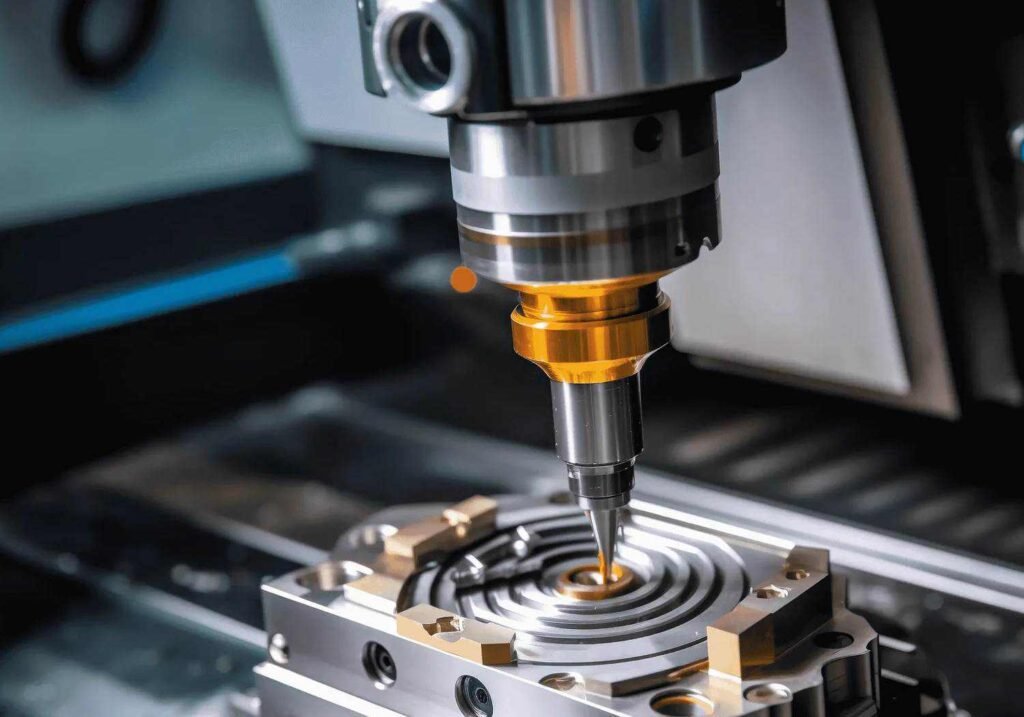
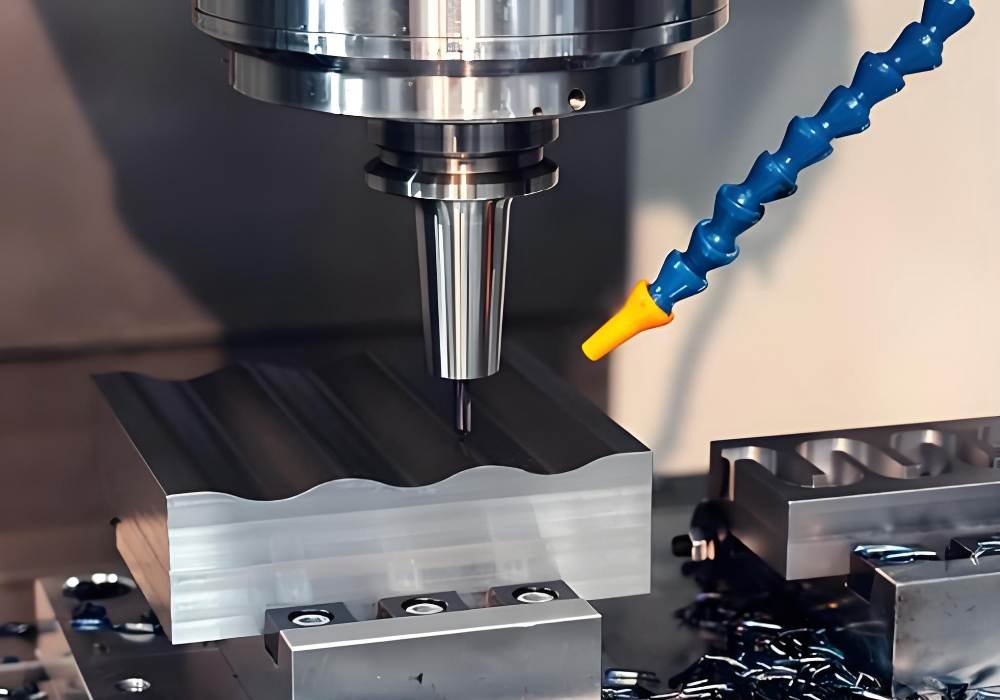
A CNC milling machine is a computer-controlled device that shapes and cuts different materials with high accuracy. It’s a crucial tool in modern manufacturing, allowing for the production of complex parts with precision. It is defined by its ability to remove material from a workpiece using rotating cutting tools. The basic components include a spindle, cutting tools, and a control system that executes programmed instructions.
How CNC Mills Work
CNC mills work by using computer programs to control the movement of the cutting tools. The process involves loading a design into the CNC system, setting the appropriate tools, and executing the machining process.
Materials Suitable for CNC Milling
CNC mills can machine a wide range of materials, including metals like aluminum, steel, and titanium, as well as engineering plastics and composites. They’re particularly useful for working with harder materials that are challenging for CNC routers.
The versatility of CNC mills in handling various materials makes them essential for industries requiring high-strength, precision components, such as aerospace and automotive manufacturing.
CNC Router vs CNC Mill: Key Differences
CNC routers and CNC mills are both used for precision manufacturing, but they have distinct differences in design, functionality, and application. Understanding these differences is crucial for selecting the right equipment for your production needs.
Design and Construction Differences
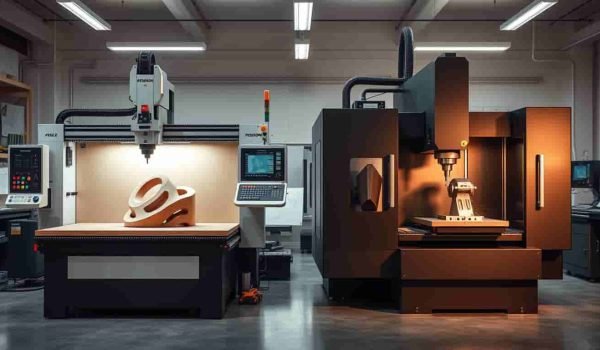
CNC routers typically have a more open structure compared to CNC mills, which are often enclosed. This difference affects their rigidity and the type of materials they can handle. CNC mills are generally more robust and designed for heavier-duty applications.
Precision and Accuracy Comparison
CNC mills are known for their high precision and accuracy, making them suitable for complex and intricate parts. CNC routers, while precise, are often used for less demanding tasks but still offer high-quality results.
Speed and Power Differences
CNC routers generally operate at higher speeds than CNC mills, especially when it comes to non-metal materials. However, CNC mills have more powerful spindles, enabling them to handle tougher materials like metals.
Cutting Capabilities and Limitations
The cutting capabilities of CNC routers and mills differ significantly. CNC routers are ideal for materials like wood, plastic, and aluminum, while CNC mills can handle a broader range of materials, including harder metals.
Cost and Space Considerations
Entry-level CNC routers are typically more affordable, whereas CNC mills are more expensive. Additionally, CNC routers require less floor space relative to their work area, making them suitable for smaller workshops. Operational and maintenance costs also vary, with CNC mills being more expensive to maintain due to their complexity.
Applications of CNC Routers
CNC routers have become indispensable in various industries due to their versatility and precision. These machines are capable of handling a wide range of materials, from wood and plastic to metal and composite materials, making them a valuable asset in diverse manufacturing processes.
Woodworking and Furniture Industry
In the woodworking and furniture industry, CNC routers are used for precise cutting and shaping of wood, enabling the creation of intricate designs and patterns. This precision enhances the quality and aesthetic appeal of the final product.
Sign Making and Engraving
CNC routers are widely used in sign making and engraving for producing custom signs with intricate details. They can work with various materials, including wood, plastic, and metal, to create durable and visually appealing signs.
Plastic Fabrication
In plastic fabrication, CNC routers are utilized for cutting and shaping plastic materials with high precision. This is particularly useful for creating custom plastic parts and components for various industries.
Electronics and Circuit Board Production
The electronics industry benefits significantly from CNC routers, which are used for milling circuit boards, creating chassis and enclosures, and producing custom panels. The precision of CNC routers allows for accurate drilling and cutting, which is crucial for the production of high-quality electronic components.
Applications of CNC Mills
CNC mills have become indispensable in various industries due to their precision and versatility. They are capable of achieving tight tolerances, typically ranging from ±0.0005″ to ±0.001″ (0.0127mm to 0.0254mm), making them ideal for producing high-precision mechanical components.
Aerospace and Automotive Industries
The aerospace and automotive industries rely heavily on CNC mills for producing complex parts with exacting tolerances. These parts are critical for the safety and performance of vehicles and aircraft.
Medical Device Manufacturing
In medical device manufacturing, CNC mills are used to produce parts with intricate designs and precise dimensions, ensuring the reliability and functionality of medical devices.
Tool and Die Making
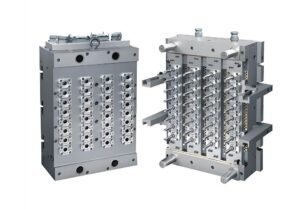
CNC mills are essential in tool and die making, allowing for the production of complex molds and dies with high precision. This is crucial for the production of parts in various industries.
Precision Parts Production
The ability of CNC mills to hold tight tolerances makes them ideal for precision parts production. Industries such as robotics, optics, and scientific instruments rely on these parts for their operations.
How to Choose Between CNC Milling and Routing
When deciding between CNC milling and routing, it’s crucial to assess your project’s specific needs. The decision hinges on several factors, including the type of material you’re working with, your budget, and your production volume requirements.
Project Requirements Assessment
Start by evaluating the complexity and precision required for your projects. CNC mills are generally better suited for projects that demand high precision and intricate details, especially in metalworking. On the other hand, CNC routers are often preferred for projects involving wood, plastic, or foam, where the focus is on cutting and shaping rather than fine detailing.
Material Considerations
The material you work with plays a significant role in your decision. CNC routers are typically used for softer materials like wood and plastic, while CNC mills can handle both soft materials and harder metals. Consider the types of projects you undertake and the materials involved.
Conclusion
As you’ve explored the capabilities of CNC routers and CNC mills, it’s clear that each has its own strengths and ideal applications. Both machines serve valuable roles in modern manufacturing, with CNC technology being at the forefront.
The choice between a CNC router and a CNC mill should be guided by your project’s specific needs, including material type and precision requirements. Understanding the differences between these machines and their machining capabilities is key to optimizing production efficiency and part quality.