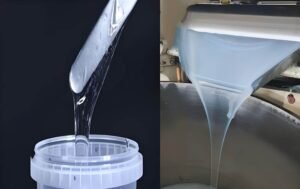
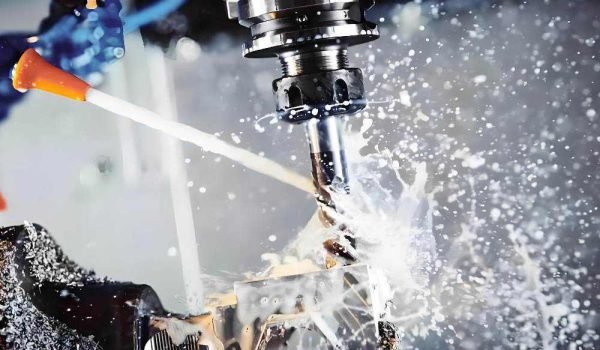
Have you ever wondered how modern manufacturing processes manage to achieve such high precision and efficiency in metal cutting operations? The secret lies in a specially formulated industrial fluid known as coolant.
By effectively managing heat and friction, coolant significantly improves the quality and efficiency of machining operations. Proper selection and management of coolant are essential for achieving optimal results.
What Is CNC Machining Coolant
CNC machining coolant is a substance used to cool and lubricate the cutting tool and workpiece during machining operations. Its primary purpose is to reduce friction and heat generated between the cutting tool and the workpiece, thereby increasing the tool’s lifespan and improving the surface finish of the machined part.
The coolant also helps in lubricating the cutting tool, reducing wear and tear, and preventing corrosion on the tool and workpiece. By controlling the temperature, coolant prevents thermal expansion of the workpiece, ensuring dimensional accuracy.
The performance of the coolant is closely related to machining parameters like speed and feed rates. Proper coolant application can help overcome common machining challenges like built-up edge formation and poor chip breaking, ensuring smooth and efficient machining operations.
The Critical Functions of CNC Coolants
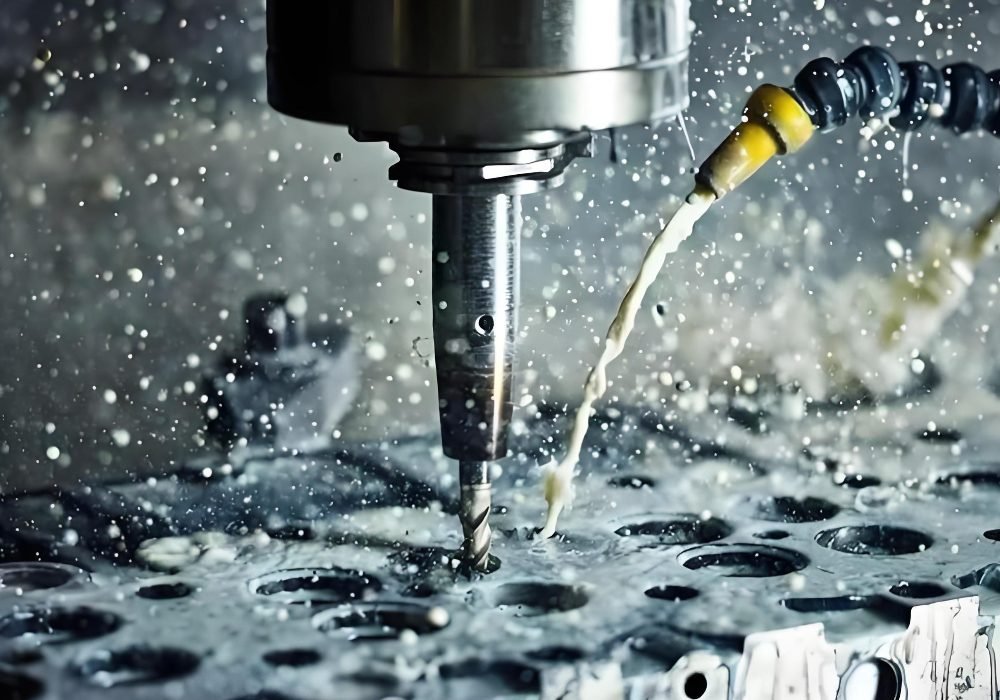
CNC coolants play a crucial role in machining operations, serving multiple critical functions that impact the overall efficiency and quality of the process.
Heat Dissipation and Temperature Control
One of the primary functions of CNC coolants is to dissipate heat generated during the machining process. By controlling temperature, coolants prevent tool wear and workpiece damage, ensuring precise machining operations. Effective heat dissipation is crucial for maintaining the integrity of both the tool and the workpiece.
Lubrication Benefits
CNC coolants also provide lubrication benefits, reducing friction between the cutting tool and the workpiece. This lubrication is essential for improving surface finish, reducing tool wear, and facilitating smoother machining processes. By minimizing friction, coolants help you achieve better results in your machining work.
Chip Evacuation and Cleanliness
Another critical function of CNC coolants is chip evacuation and maintaining cleanliness in the cutting zone. Coolants help wash away chips and debris, preventing chip recutting and tool damage. This keeps your workspace clean, reducing the need for post-processing cleaning and minimizing maintenance time and costs associated with cleaning and processes.
Types of CNC Machining Coolants
Understanding the different types of CNC machining coolants is crucial for optimizing machining performance. CNC machining coolants are designed to meet various machining requirements, and selecting the right type can significantly impact the efficiency and quality of the machining process.
Synthetic Fluids
Synthetic fluids are a type of CNC machining coolant that is formulated from chemical compounds. They are known for their excellent cooling properties and are often used in high-speed machining operations. Synthetic fluids are typically free from mineral oil, making them a good choice for operations where oil contamination is a concern. They offer good corrosion protection and are generally more environmentally friendly than oil-based coolants.
Semi-Synthetic Fluids
Semi-synthetic fluids combine the benefits of synthetic and conventional oil-based coolants. They offer a balance between the cooling properties of synthetic fluids and the lubricity of oil-based coolants. Semi-synthetic fluids are versatile and can be used in a variety of machining operations, including those involving ferrous and non-ferrous metals. They are known for their stability and long sump life.
Straight Oils
Straight oils are petroleum-based coolants that are used in machining operations where high lubricity is required. They are particularly effective in operations involving tough materials like steel. Straight oils provide excellent lubrication, reducing tool wear and improving surface finish. However, they can be messy and may require additional cleaning steps.
Soluble Oils (Water-Based Emulsions)
Soluble oils, also known as emulsions or water-soluble oils, are a popular choice for general machining purposes. When mixed with water, they create a milky emulsion that offers both cooling and lubrication properties. Soluble oils are cost-effective and versatile, making them suitable for a wide range of machining operations. To achieve optimal performance, it’s crucial to manage the mixing ratios and concentration of soluble oils. Proper maintenance is also necessary to prevent issues like bacterial growth and tramp oil contamination.
How CNC Coolant Systems Work
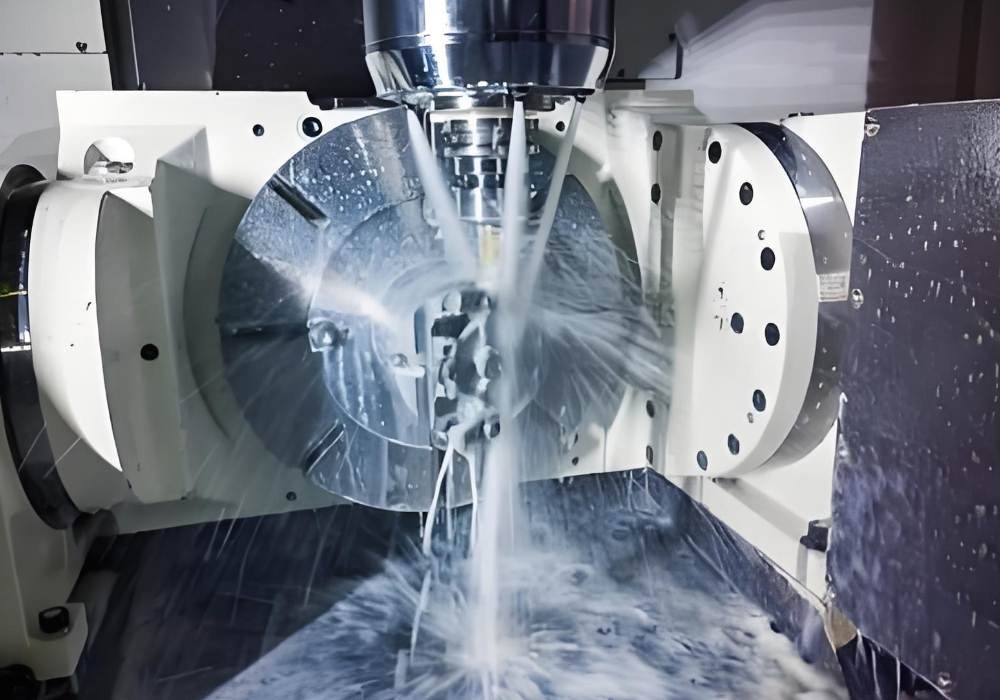
A CNC machine coolant mixture flows over the work area during CNC machining operations, washing away chips and particles. This coolant then flows into the sump at the machine’s bottom, where it is pumped and recirculated to the work area for continuous use.
Coolant Delivery Methods
CNC machines employ various coolant delivery methods to ensure effective cooling and lubrication. The choice of delivery method depends on the specific machining operation, the material being machined, and the machine’s design. Common methods include flood cooling, where a large volume of coolant is directed at the cutting zone, and high-pressure coolant systems, which are particularly effective for deep hole drilling and machining hard materials like steel.
Circulation and Filtration Process
The circulation and filtration process is critical for maintaining the quality and effectiveness of the CNC coolant. As the coolant circulates, it passes through filters that remove contaminants such as metal chips, tramp oil, and bacterial growth. Proper filtration is essential to prevent damage to tools and machines. Regular maintenance practices, including concentration monitoring, pH control, and biocide treatment, are also vital for ensuring the coolant remains effective and prolongs its lifespan.
Coolant Delivery Mechanisms in CNC Machines
CNC machines utilize various coolant delivery mechanisms to optimize machining processes. These mechanisms are crucial for maintaining the quality and efficiency of CNC operations.
Mist Cooling Systems
Mist cooling systems deliver coolant in the form of a fine mist, which is particularly effective for cutting and milling operations involving steel and other metal alloys. This method provides excellent cooling and lubrication with minimal coolant usage.
Air Cooling Techniques
Air cooling techniques use compressed air to cool the machining area. While not suitable for all applications, air cooling is beneficial for operations where coolant might contaminate the workpiece or interfere with the machining process.
Minimum Quantity Lubrication (MQL)
MQL systems provide a very small amount of lubricant, often in combination with air, directly to the cutting edge. This method is particularly useful for reducing fluid waste and is applicable in various CNC machining processes, including drilling and milling of steel.
High-Pressure Coolant Systems
High-pressure CNC coolant systems deliver coolant at pressures exceeding 1,000 psi directly to the cutting zone. This method is particularly effective for challenging operations such as deep-hole drilling and machining of tough steel alloys, improving tool life and product quality.

Optimizing Coolant Concentration and Performance
To ensure the longevity of your CNC machine and the quality of the machined parts, it’s essential to optimize coolant concentration and performance. Proper coolant management is critical for maintaining the efficiency, precision, and safety of CNC machining operations.
Understanding Proper Concentration Ratios
The concentration ratio of your CNC coolant is a critical factor that directly impacts its performance and the quality of your machining operations. Most coolants are mixed with water, and the ideal concentration ratio varies depending on the type of coolant and the specific machining operation. A refractometer is typically used to measure the concentration of the coolant solution. For most metalworking operations, a concentration between 5% and 10% is recommended. It’s crucial to follow the manufacturer’s guidelines for the correct mixing ratio to ensure optimal performance.
Maintenance and Monitoring Practices
Regular maintenance and monitoring of your CNC coolant are vital for extending its life and ensuring consistent performance. This includes regular testing of key parameters such as pH levels, bacterial contamination, and tramp oil content. Implementing a routine maintenance schedule that includes filtration, skimming, and biocide treatments as needed can significantly enhance coolant longevity. Additionally, monitoring for signs of coolant degradation, such as unpleasant odors or visible contamination, allows for timely intervention, preventing damage to your CNC machine and machined parts.
Selecting the Right Coolant for Different Materials and Operations
Different materials and machining operations require coolants with specific properties to ensure efficient and effective machining. The right coolant can significantly improve the outcome of your CNC machining operations by considering the material and operation. You need to select a coolant that matches your specific needs.
Material-Specific Coolant Recommendations
For machining steel, a coolant with high lubricity is essential. You should use a coolant that is specifically designed for steel, as it provides the necessary protection against wear and corrosion. The coolant should be compatible with the steel alloy being machined.
Operation-Specific Considerations
Different operations such as milling, drilling, and turning require different coolant strategies. For milling and drilling, soluble oil is often recommended for most materials. For turning, mineral oil with lard or sulfur base oil may be used depending on the material. You should adjust your coolant delivery method and pressure based on the operation.
Conclusion: The Impact of Proper Coolant Management on CNC Machining Success
Optimizing coolant use is essential for achieving optimal results in CNC machining applications. Proper coolant management extends tool life, improves part quality, and boosts productivity. By selecting the right coolant and maintaining its performance, you can reduce tooling costs and downtime. Fecision, as your CNC machining partner, with expertise in coolant applications and optimization, can arrange ideal coolant solution for your CNC machining needs.