When selecting materials for manufacturing, one crucial decision is whether to use cast or forged aluminum. But what makes one better than the other?
The manufacturing process affects not only the structural integrity but also the performance characteristics and cost of the final product. As we explore the comparison between cast and forged aluminum, you’ll gain insights into which type might be better suited for your needs.
Is Forged Aluminum Better Than Cast Aluminum?
Understanding whether forged aluminum is better than cast aluminum requires examining their differences. The choice between these two forms of aluminum depends on the specific requirements of the application, including factors such as strength, cost, and design complexity.
Forged aluminum generally offers superior strength and durability due to the forging process, which involves shaping the metal under high pressure. This process aligns the grain structure, enhancing the material’s mechanical properties. On the other hand, cast aluminum excels in creating complex shapes cost-effectively, making it suitable for applications where intricate designs are necessary.
The selection between cast and forged aluminum involves tradeoffs between mechanical properties, production costs, and design flexibility. While forged aluminum may offer greater strength and resistance, cast aluminum provides the advantage of complex geometries at a lower cost.
In conclusion, neither forged nor cast aluminum is universally “better.” The optimal choice depends on balancing performance requirements, budget constraints, and design specifications. By understanding the differences between these two materials, you can make an informed decision that best suits your needs.
What is Cast Aluminum?
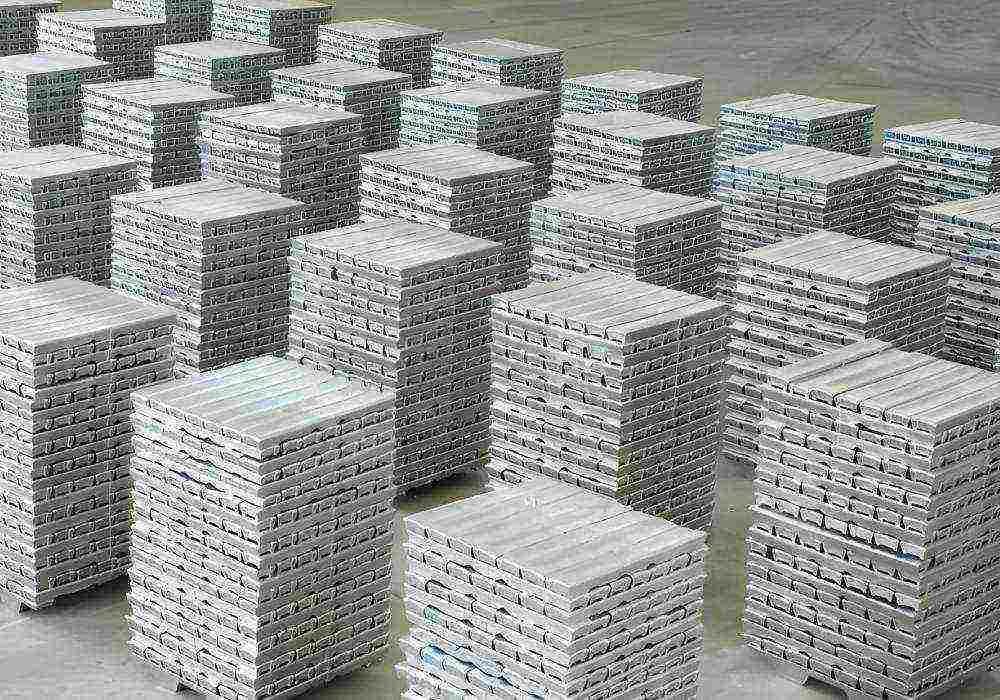
The process of creating cast aluminum involves heating aluminum alloy ingots to a molten state and then casting them into desired shapes. This method allows for the production of complex aluminum parts with specific features.
The Casting Process
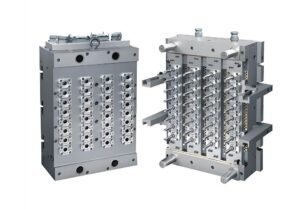
The casting process begins with preparing pure aluminum or aluminum alloy ingots according to standard composition ratios. These ingots are then artificially heated beyond their melting point to create a molten aluminum alloy. The molten alloy is poured into a mold cavity through a professional mold or corresponding process. Once poured, the alloy is allowed to cool and solidify, forming aluminum parts of the required shape.
Properties of Cast Aluminum
Cast aluminum exhibits several key properties, including good fluidity when molten, some shrinkage during cooling, and high air tightness. These properties make it suitable for various applications. The good fluidity allows the molten aluminum to fill intricate mold designs, while the high air tightness ensures the cast parts are durable.
Advantages of Cast Aluminum
Cast aluminum offers several advantages, including low production costs, good corrosion resistance, and lightweight properties. The casting process enables the creation of complex shapes and intricate internal chambers that would be challenging to achieve through other manufacturing methods. This makes cast aluminum a cost-effective choice for mass production.
| Property | Description | Benefit |
|---|---|---|
| Fluidity | Good fluidity when molten | Allows for intricate designs |
| Shrinkage | Some shrinkage during cooling | Needs to be considered in mold design |
| Air Tightness | High air tightness | Ensures durability of cast parts |
What is Forged Aluminum?
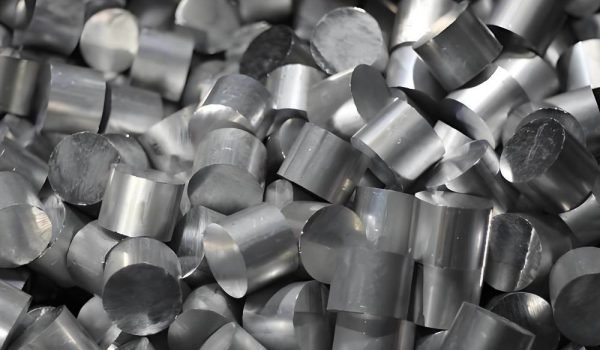
The process of forging aluminum involves heating it to a plastic state and then shaping it through pressure or impact. This method allows for the creation of complex shapes with high precision.
The Forging Process
The forging process begins with heating an aluminum alloy to a specific temperature, making it malleable. The heated aluminum is then subjected to pressure or impact using hammers, presses, or other specialized tools to achieve the desired shape. This process not only changes the shape but also improves the metal’s internal structure.
Properties of Forged Aluminum
Forged aluminum exhibits remarkable properties, including high strength, excellent fatigue resistance, and superior impact resistance. The forging process refines the grain structure of the aluminum, resulting in a denser and more uniform material. This enhances the overall quality and performance of the forged aluminum.
Advantages of Forged Aluminum
The advantages of forged aluminum include its high strength and toughness, excellent impact resistance, and good processing performance. The forging process allows for the creation of complex geometries with high precision, making it suitable for a wide range of applications. Additionally, forged aluminum offers improved structural integrity and reliability in demanding environments.
Cast Aluminum vs Forged Aluminum: What Are the Differences
Manufacturing Process
Temperature and State Differences
The most fundamental difference between casting and forging lies in the temperature and state of the aluminum during processing. Casting involves melting the aluminum alloy, typically at temperatures above 1,220°F (660°C), and then pouring it into a mold to achieve the desired shape. In contrast, forging involves shaping the aluminum in its solid state, usually at temperatures below the melting point, through deformation using presses or hammers.
Equipment and Tooling Requirements
The equipment and tooling required for casting and forging are distinct. Casting necessitates furnaces for melting the aluminum and molds to shape the molten metal. Forging, on the other hand, requires presses, hammers, and dies to deform the solid aluminum into the desired form. The choice of equipment directly impacts the production efficiency and the quality of the final product.
Production Efficiency and Scalability
Casting is often more efficient for mass-producing complex parts because it can create intricate shapes in a single step. Forging, while potentially more energy-intensive and requiring specialized equipment, offers advantages in terms of the mechanical properties of the final product. The scalability of both processes depends on the specific application, the volume of production, and the equipment available.
Mechanical Properties
Strength and Hardness
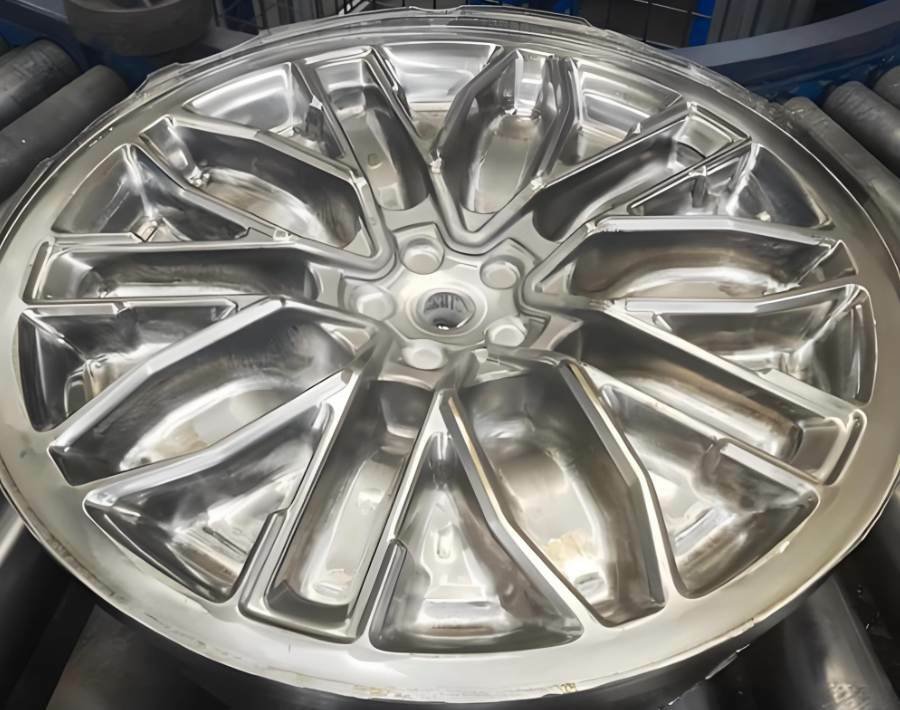
Forged aluminum typically offers superior strength and hardness compared to cast aluminum. The tensile strength of forged aluminum can exceed 50,000 psi, while cast aluminum usually ranges from 23,000 to 34,500 psi. This increased strength is due to the denser and more continuous fiber structure formed during the forging process.
Fatigue and Impact Resistance
Forged aluminum also exhibits better fatigue and impact resistance than cast aluminum. The refined grain structure of forged aluminum provides improved performance under cyclic loading and sudden impacts. This makes forged aluminum a preferred choice for applications where high reliability is critical.
Grain Structure and Density
The grain structure and density of aluminum alloys are significantly affected by the manufacturing process. Forging creates a more continuous, aligned grain structure, while casting can result in more random grain orientation and potential porosity. This difference in grain structure contributes to the superior mechanical properties of forged aluminum.
Common Alloys and Their Applications
Popular Cast Aluminum Alloys
Cast aluminum alloys such as A356 (AlSi7Mg) and A380 (AlSi8Cu3) are widely used in industries like automotive and consumer products. A356 is known for its good fluidity and resistance to corrosion, making it ideal for engine blocks and complex castings. A380, on the other hand, offers high strength and good wear resistance, suitable for applications requiring durability.
Popular Forged Aluminum Alloys
Forged aluminum alloys, including 2xxx series (aluminum-copper), 6xxx series (aluminum-magnesium-silicon), and 7xxx series (aluminum-zinc), are chosen for their specific strengths and applications. The 2xxx series is known for its high strength and hardness, while the 6xxx series offers good processing properties and moderate strength. The 7xxx series is favored for its high strength-to-weight ratio.
Industry-Specific Applications
Different industries favor specific alloys based on their requirements. For instance, aerospace applications often use forged 7075 aluminum for structural components due to its high strength and resistance to fatigue. In contrast, automotive manufacturers may choose cast A356 for engine blocks because of its good castability and mechanical properties. The selection of specific alloys within each manufacturing method can be tailored to optimize performance for particular requirements.
Surface Finishing and Post-Processing
Finishing Options for Cast Aluminum
Cast aluminum often requires more extensive surface preparation due to potential porosity and surface imperfections. Common finishing options include sanding, polishing, and anodizing. Anodizing is particularly beneficial as it allows for dyeing, creating unique looks with different colors.
Finishing Options for Forged Aluminum
Forged aluminum, with its denser structure, offers different finishing opportunities. Machining, polishing, and various coating methods are commonly used. The denser structure can result in a smoother initial surface, potentially reducing the need for extensive finishing.
Heat Treatment and Other Processes
Both cast and forged aluminum can benefit from heat treatment and other post-processing techniques. Solution heat treatment, aging, and stress relieving are used to enhance mechanical properties. These processes can address some of the inherent limitations of each manufacturing method, improving overall product quality.
| Finishing Process | Cast Aluminum | Forged Aluminum |
|---|---|---|
| Sanding/Polishing | Often required to address surface imperfections | Used for achieving high surface quality |
| Anodizing | Excellent for creating colored finishes | Applicable, but less common |
| Heat Treatment | Used to enhance mechanical properties | Used to optimize strength and durability |
Cost Considerations
Initial Tooling and Setup Costs
The initial investment in tooling and setup differs significantly between casting and forging. Casting typically requires molds and patterns, while forging demands dies and specialized equipment. For instance, creating molds for cast aluminum can be costly, but these costs can be amortized over large production runs, making it more economical for mass production.
Per-Unit Production Costs
Cast aluminum generally offers lower per-unit costs, especially for complex parts and high-volume production. In contrast, forged aluminum parts typically incur higher costs per unit due to the multiple processing steps involved, such as forging, heat treatment, and machining.
Lifecycle and Long-Term Value
While forged aluminum may have a higher initial cost, its superior durability and performance can offset this expense in applications where failure would be costly or catastrophic. You should consider the long-term value and potential cost savings when choosing between cast and forged aluminum for your specific needs.
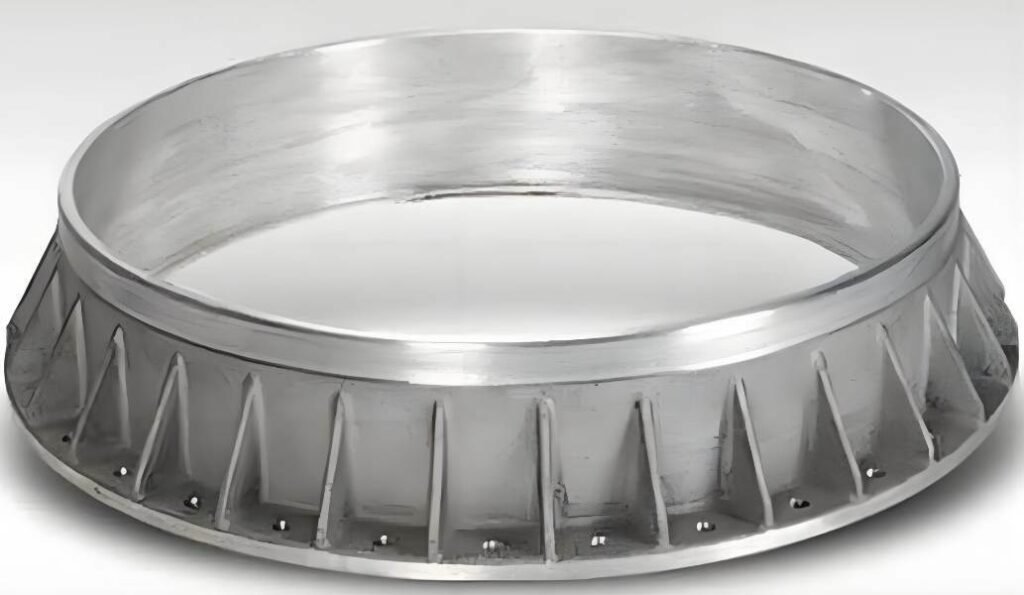
Cast Aluminum vs Forged Aluminum: Comparison Table
To help you make an informed decision, we’ve compiled a comprehensive comparison table between cast aluminum and forged aluminum, highlighting their key differences in manufacturing process, strength, applications, and cost.
| Characteristics | Cast Aluminum | Forged Aluminum |
|---|---|---|
| Manufacturing Process | Casting | Forging |
| Strength (PSI) | 20,000 – 40,000 | 40,000 – 60,000 |
| Density | 2.7 g/cm³ | 2.7 g/cm³ |
| Grain Structure | Random, porous | Uniform, dense |
| Typical Applications | Engine blocks, gearboxes | Aerospace components, high-stress parts |
| Cost Factors | Lower tooling costs | Higher tooling costs |
How to Choose Between Cast and Forged Aluminum
To determine whether cast or forged aluminum is better suited for your needs, it’s crucial to examine several key factors.
- When choosing between these two materials, you must consider the specific requirements of your application.
- You should evaluate the mechanical properties required for your product, such as strength and fatigue resistance. Forged aluminum often offers superior strength, making it ideal for high-stress applications.
- Design considerations are also vital. The complexity of your part, dimensional tolerances, and internal features can influence whether casting or forging is more suitable.
- Production volume is another critical factor. The economics of each manufacturing method can vary significantly with batch size, affecting the overall cost-effectiveness of your chosen process.
- Different industries have different preferences. For instance, aerospace often favors forged aluminum for its high strength-to-weight ratio, while consumer products might use cast aluminum for its cost-effectiveness and versatility.
By considering these factors, you can make an informed decision that meets your application’s specific needs.
Conclusion
As we’ve explored the differences between cast and forged aluminum, it’s clear that each has its own set of advantages tailored to specific uses. Cast aluminum offers low cost and excellent casting performance, making it ideal for mass production of parts with complex shapes. On the other hand, forged aluminum is renowned for its high strength, high toughness, and precise dimensional control, making it suitable for high-performance applications.
The manufacturing process plays a crucial role in determining the material properties of the final product. The distinction between working with molten metal for casting and solid metal for forging results in different material characteristics. When choosing between cast and forged aluminum, you must consider factors such as mechanical properties, design complexity, production volume, and budget constraints to make an informed decision.