
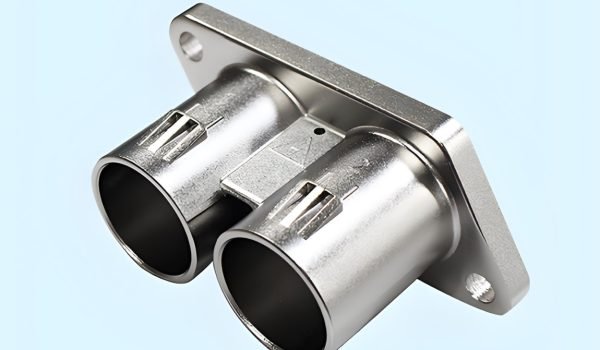
In injection molding, a gate is the critical entry point where molten plastic flows into the mold cavity. This small but vital feature controls the speed, pressure, and direction of the material, directly impacting part quality, finish, and structural integrity. From edge gates to tunnel gates, the type and design of the gate play a key role in avoiding defects and optimizing production efficiency. Let’s explore their types, designs, and more.
Why Injection Molding Gates are Important for Molded Parts?
The injection molding gate serves as the vital passage between the runner and mold cavity. Its design and placement control how molten plastic fills the cavity, directly influencing:
- Material flow patterns
- Molecular orientation
- Fiber distribution (crucial for reinforced plastics like glass-filled materials)
Precise gate selection ensures proper filling, minimizes defects, and optimizes part strength and appearance.
Manual vs. Automatically Trimmed Gates
Gate trimming is a critical post-processing step in injection molding, directly impacting product appearance and quality. The two primary methods are manual trimming and automatic trimming, each suited for specific molding gate types and applications.
Manually Trimmed Injection Molding Gates
Manual trimming involves removing gates or burrs from molded parts using hand tools (e.g., scissors, blades, or pliers). This method is cost-effective for low-volume production but may lack consistency for high-precision parts. Common manually trimmed gate types include:
Edge Gate
Edge gate injection molding options are prized for their simplicity, cost-effectiveness, and high operational efficiency. Their straightforward design not only simplifies production but also enables quick adjustments to meet varying requirements. Edge gates are particularly indispensable for manufacturing large or thick-walled parts, where uniform plastic flow is critical to product quality. By ensuring smooth and even material distribution within the mold, edge gates consistently produce high-quality molded components with dimensional stability.
Fan Gate
As the name suggests, the fan gate molding features a distinctive fan-shaped structure that begins with a wide opening and tapers gradually toward the mold cavity. This design promotes uniform pressure distribution across the part during molding, resulting in consistent wall thickness and dimensional stability. Due to these characteristics, fan gate injection molding process is particularly well-suited for large-scale products requiring stable plastic flow, ensuring reliable quality and uniformity in the final injection-molded parts.
Tab Gate
The tab gate provides distinct advantages for molding flat and thin-walled components. Since such parts are highly sensitive to shear stress during production, the tab gate’s ability to maintain low shear stress creates optimal molding conditions – effectively preventing deformation and defects. This gate type demonstrates excellent material compatibility, working particularly well with acrylic, ABS, and PC materials that require precise stress control during injection.
The tab gate’s unique design localizes stress concentration near the gate area, shielding the rest of the part from adverse effects. This ensures consistent quality throughout the molding process while maintaining the product’s structural integrity and performance characteristics.
Direct or Sprue Gate
Direct gates have gained widespread adoption in injection molding due to their inherent simplicity. In this design, the runner serves as a critical pathway, efficiently channeling molten plastic directly into the mold cavity. This configuration enables high-volume production while reducing both cycle times and injection pressure, resulting in optimized process efficiency. The straightforward nature of direct gates provides substantial operational benefits, minimizing both design complexity and development time.
Most significantly, components produced with direct gates demonstrate enhanced mechanical properties – particularly superior tensile strength compared to alternative gate designs – making them ideal for applications requiring exceptional structural performance.
Disc or Diaphragm Gate
Disc gates and diaphragm gates feature conical structures similar to runner gates, but serve distinct applications – particularly for angular molded parts where they deliver superior performance. These gate designs offer two primary benefits: significantly reduced part deformation and exceptional weld line minimization, resulting in smoother, more cosmetically complete products.
While these advantages make disc/diaphragm gates valuable solutions, final product quality remains dependent on three critical process parameters: pressure, speed, and temperature. These interdependent factors must be carefully balanced, as any deviation can compromise material flow, curing behavior, and ultimately the part’s dimensional accuracy, surface finish, and structural integrity. Successful production therefore requires precise control of all molding parameters when implementing these gate designs.
Ring Gate
The ring gate’s distinctive placement along the mold cavity’s outer edge makes it particularly suitable for producing long, thin-walled components like tubes. Operating on a similar principle to inner gates, it ensures uniform material distribution throughout the molding process. This consistent flow pattern provides two key benefits: it eliminates visible weld marks and guarantees an exceptionally smooth surface finish. By maintaining this controlled material flow, ring gates consistently deliver products with superior aesthetic quality and structural integrity.
Automatically Trimmed Mold Gates
Automatically trimmed mold gates are specially designed gate systems that separate from the molded part during ejection through integrated mold mechanisms like sliders, angled pins, or cutting devices. This self-trimming function eliminates manual gate removal, significantly improving production efficiency while reducing labor requirements and ensuring consistent gate surface quality. The system operates entirely through the mold’s mechanical action, maintaining precision throughout high-volume production runs.
Common self-trimming mold gate types include hot tip gates, pin gates, and submarine gates:
Hot Tip Gate
The hot tip gate is specifically engineered to integrate with hot runner systems, utilizing heated nozzle technology. Positioned on the part’s surface rather than at the parting line, this gate configuration offers distinct advantages for molding conical and circular components. By maintaining consistent plastic flow, the hot tip gate improves part concentricity during formation. This results in superior dimensional accuracy and geometric integrity for rotationally symmetric parts, ultimately enhancing overall product quality.
Pin Gate
The pin gate is positioned on the mold’s B-side in close proximity to the ejector pins. This configuration makes it particularly suitable for three-plate mold designs, where runners are distributed across multiple plates. The gate’s design enables effective distribution of molten plastic through multiple entry points, ensuring smooth cavity filling. By optimizing the plastic flow path within the mold, the pin gate promotes uniform material distribution and efficient cavity filling – essential factors for manufacturing high-precision plastic components with consistent quality.
Submarine Gate
Submarine gates (or tunnel gates) are positioned below the mold’s parting line, enabling automatic gate trimming during ejection and streamlining production. These gates connect to the cavity through a narrow channel near the parting line, directing molten plastic upward into the mold for uniform filling and consistent part quality.
The design incorporates an optimized demolding angle that facilitates smooth part ejection. This critical feature minimizes potential damage or deformation during removal, ultimately enhancing both production efficiency and product yield.
How to Optimize Gate Design for Better Quality and Efficiency?
Effective molding gate design optimization is fundamental to achieving superior part quality, maximizing production efficiency, and reducing costs in injection molding. This systematic approach focuses on three critical parameters: gate location, size, and geometry.
Gate Location Strategy
Primary gate placement should target the product’s thickest wall sections to prevent premature melt front solidification. Gates must be positioned away from high-stress areas (including clip features and assembly points) to avoid stress concentration. Additionally, weld lines should be strategically located on non-visible surfaces or low-stress zones, with positions verified through mold flow analysis.
Gate Size Determination
Optimal gate dimensions are achieved through iterative refinement combining Moldflow simulation data with physical mold testing results. This process enables the development of customized gate design specifications tailored to specific production requirements.
Gate Geometry Considerations
The gate’s geometric parameters – including shape, dimensional specifications, and entry angle – critically influence multiple process outcomes: part quality consistency, melt-filling behavior, and overall cycle time efficiency.
Conclusion
Selecting the right gate molding design requires specialized expertise, particularly for complex configurations like edge gates and fan gates. Partnering with an experienced molding gate design specialist like Fecision ensures optimal solutions that address both technical and operational requirements. Our comprehensive service capabilities deliver significant advantages throughout the manufacturing process:
√Technical Expertise
Fecision’s engineering team possesses deep knowledge of critical injection molding parameters including temperature, pressure, and speed control. This expertise enables precise process adjustments tailored to each product’s specifications, guaranteeing consistent quality output.
√Proven Industry Experience
Our extensive project portfolio demonstrates the successful production of diverse product types across various materials, structural designs, and application requirements. This experience translates into efficient problem-solving throughout the production cycle.
√Advanced Manufacturing Capabilities
We maintain a modern equipment fleet featuring:
- High-precision injection molding machines ensuring dimensional accuracy and superior surface finish
- Comprehensive supporting infrastructure including mold fabrication systems, automated production lines, and quality inspection equipment
- Full-process integration from mold development to final product testing]
√Competitive Advantages
Fecision delivers additional value through:
- Economies of scale that reduce per-unit costs across materials, equipment, and labor
- Customized project teams providing end-to-end solutions from design to packaging
- Tailored approaches addressing specific client requirements and challenges
Our combination of technical proficiency, production capacity, and customized service makes Fecision the ideal partner for your injection molding needs.
Ready to elevate your production? Contact Fecision to discuss precision-engineered solutions for your next project.