
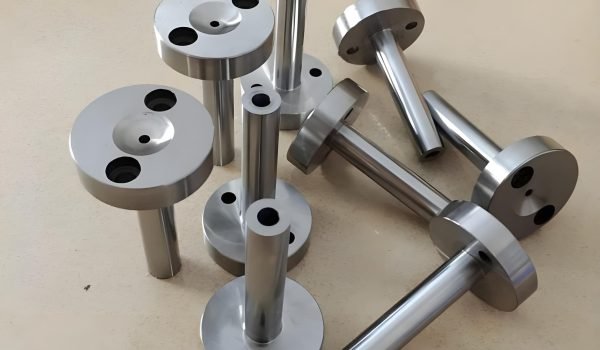
Have you ever thought about how a plastic part is formed into its shape? The injection molding gate is a tiny but important part of that process. It is a small opening where the molten plastic enters the mold cavity. Although the gate may seem insignificant, its design directly impacts part quality, cost, and production speed.
The correct gate type can avoid common defects such as warpage and sink marks, and reduce material waste. This guide will cover the various gate types and how to select the right one for your application to achieve better and more efficient manufacturing.
What Is a Gate in Injection Molding?
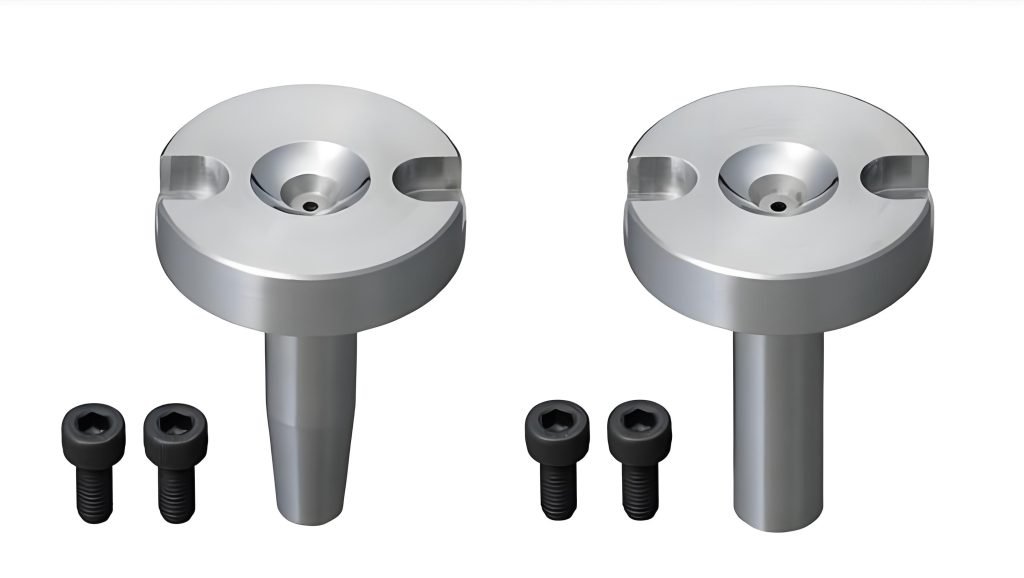
So, what is a gate in injection molding? A gate is a precisely sized opening that connects the main runner to the mold cavity, and it operates by restricting the flow of the molten plastic. This restriction in flow generates pressure and controls the plastic speed in filling the mold cavity. With a careful plan for the gate’s size and shape, it is more likely that the part forms correctly and that defects are limited.
Functional Importance
The injection molding gate is critical for multiple reasons. It helps regulate the pressure drop and fill pattern of the molten plastic. A well-designed gate can ensure a consistent fill into the cavity and avoid common defects such as voids or short shots. This is key to producing quality and integrity in parts.
The gate is also important during the packing and shrinkage compensation phase. It keeps pressure on the plastic while cooling, which helps prevent sink marks from occurring. Many modern gate designs allow for automatic degating. It means the part detaches from the runner automatically, removing the need for a manual trimming operation, which can further speed production.
Gate and Runner Systems: Cold vs. Hot
The gate is the final part of the runner system. In a cold runner system, both the runner and the gate are molded with the part and later trimmed off, creating unwanted waste. In a hot runner system, the runner is kept hot so the plastic remains molten. The gate is the only part that freezes, meaning there’s no runner waste.
Understanding Key Gate Terminology
Let’s define a few key terms so you can more easily understand the injection molding gate.
- Gate Vestige: This is the small mark left on the part at the site of the gate attachment.
- Freeze-off Time: The time it takes for the gate to solidify. It can control the cooling and packing stages in the process.
- Shear Rate: The rate at which the plastic flows through the gate. Extremely high shear rates can potentially damage the material.
- Gate Seal: The moment the gate freezes completely, preventing any more plastic from entering/exiting the mold cavity.
Different Types of Gates in Injection Molding
Choosing from the different types of injection molding gates is a fundamental step in design, as each directly influences the part’s appearance, strength, and manufacturability. Let’s break down the different types of gates in injection molding in the industry.
1. Direct or Sprue Gates
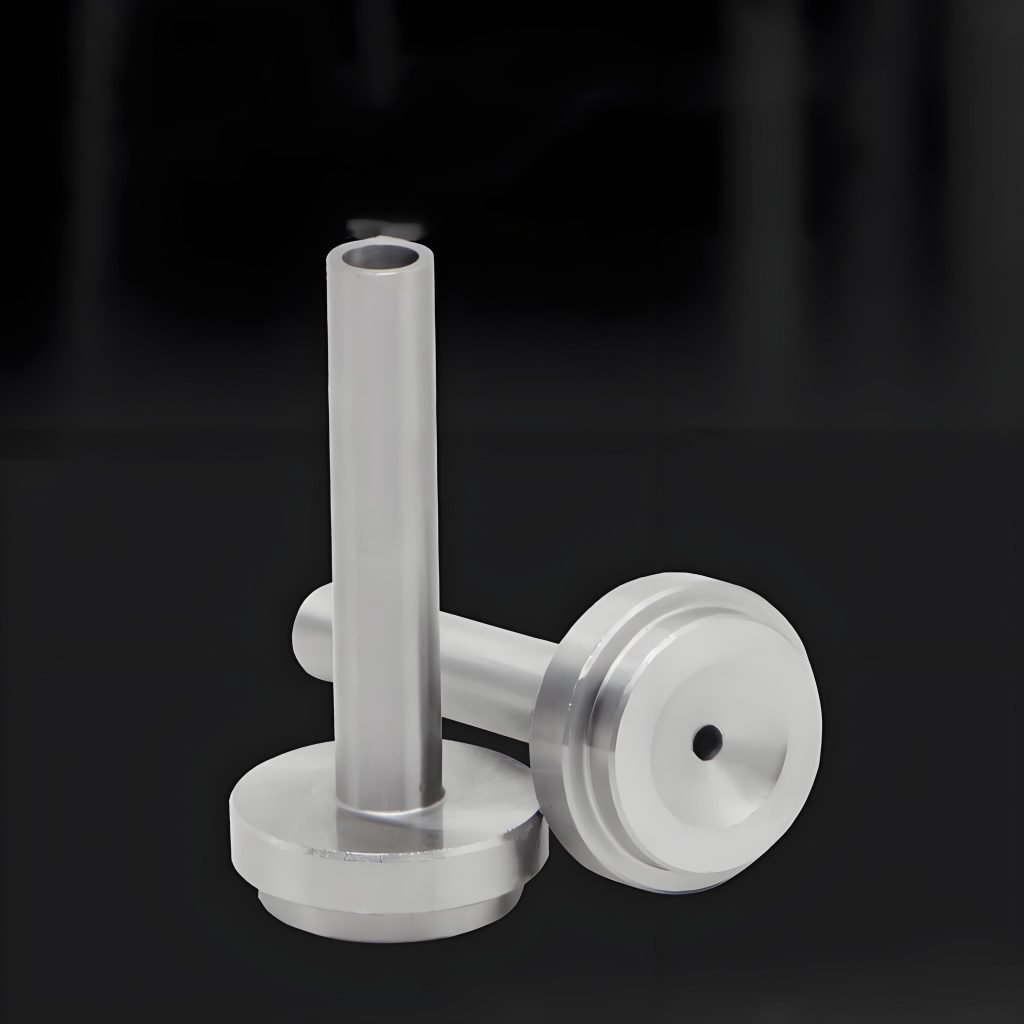
The direct or sprue gate, as the oldest and simplest type, has no gate land, and the runner goes directly to the part. The great thing about sprue or direct gate injection molding is that they have very low pressure drops and allow for large flows of material. They are great for large, thick wall parts where a consistent fill is important.
However, the main drawback is the large gate vestige. This requires a manual trimming operation after the part is ejected, which increases labor costs. The gate area can also have residual stress, which might be a problem for certain applications. It’s often used for single-cavity molds with parts that don’t have strict cosmetic requirements.
2. Edge Gates
The edge gate in injection molding is very common and is usually positioned on the parting line of the mold. Its simple rectangular shape can be machined quickly and economically, making the mold much less costly to manufacture. Edge gates are adaptable to a variety of parts and materials for processing.
There are many variations of edge gates. The tab gate is a basic rectangular edge gate. The stepped gate is an edge gate used for parts with variable wall section thicknesses. The tapered design of the chisel gate helps with automatic degating as it promotes easy separation. Because of this versatility, edge gates are often the most popular type of gate employed.
3. Submarine (Tunnel) Gate
The submarine gate is designed for automatic degating, making it great for high-volume production. It is situated below the parting line, and the molten plastic enters the cavity from below through a narrow, angled channel. This design ensures the gate is sheared off automatically upon ejection.
This gate’s main advantage is its efficiency. As the mold opens, the gate snaps cleanly from the part, leaving a small, often hidden mark. This eliminates the need for any secondary trimming. Because of its high-shear, high-velocity flow, it’s best for small, lightweight parts and not recommended for large or thick-walled components.
4. Fan Gates
A fan gate is wide and thin like a fan to evenly distribute the plastic flow front, which leads to reduced shear stress and warpage in large, flat, or thin parts. The wide opening allows for smoother filling and helps eliminate defects like jetting.
The main disadvantage is that the wide shape of the fan gate injection molding allows for a larger vestige, which typically requires additional machining to remove the gate mark. Therefore, when designing a part with a fan gate, be sure to account for that step in your finishing process.
5. Cashew Gates
The cashew gate is a type of tunnel gate with a 90° curve. It’s an excellent choice for parts where the gate mark needs to be completely invisible on the side wall. The curved shape allows the gate to be cut off cleanly when the part is ejected, leaving a very small vestige.
Precision is critical with cashew gate injection molding, and the mold steel should be hardened and polished in the exact direction of the gate in order to ensure it shears off correctly. This type of gate is commonly used for high-end parts where an exceptional surface finish is critical.
6. Diaphragm Gates
Also known as a disk gate injection molding style, a diaphragm gate is a ring-shaped gate that surrounds a central core. It’s used for cylindrical or tube-shaped parts. The plastic enters the cavity evenly from all directions. This design ensures concentricity and prevents warpage in round parts.
This gate type provides a very uniform fill, which is crucial for parts that need to be perfectly round. It can be a bit more complex to design and machine. The vestige is a ring on the top or bottom of the part, which may require a simple trimming operation.
7. Pin Gates
A pin gate is a very small, circular gate typically located on the B-side of the mold, often around ejector pins. It’s used in three-plate tools, where the runner is on a separate plate. The gate’s tiny size allows it to shear automatically when the mold opens, leaving an almost invisible vestige.
The main advantage of a pin gate is its ability to leave a minimal, hidden gate mark, making it ideal for small, cosmetic parts. However, this design usually requires a large cold runner system. This leads to a high amount of material waste and a greater scrap rate, which can increase production costs.
8. Hot Runner Valve Gates
A hot runner valve gate uses a mechanical pin to control the flow of plastic into the mold cavity. This pin opens and closes with great precision, allowing you to control the timing of the fill. When the pin closes, it creates a perfect seal, leaving a zero vestige.
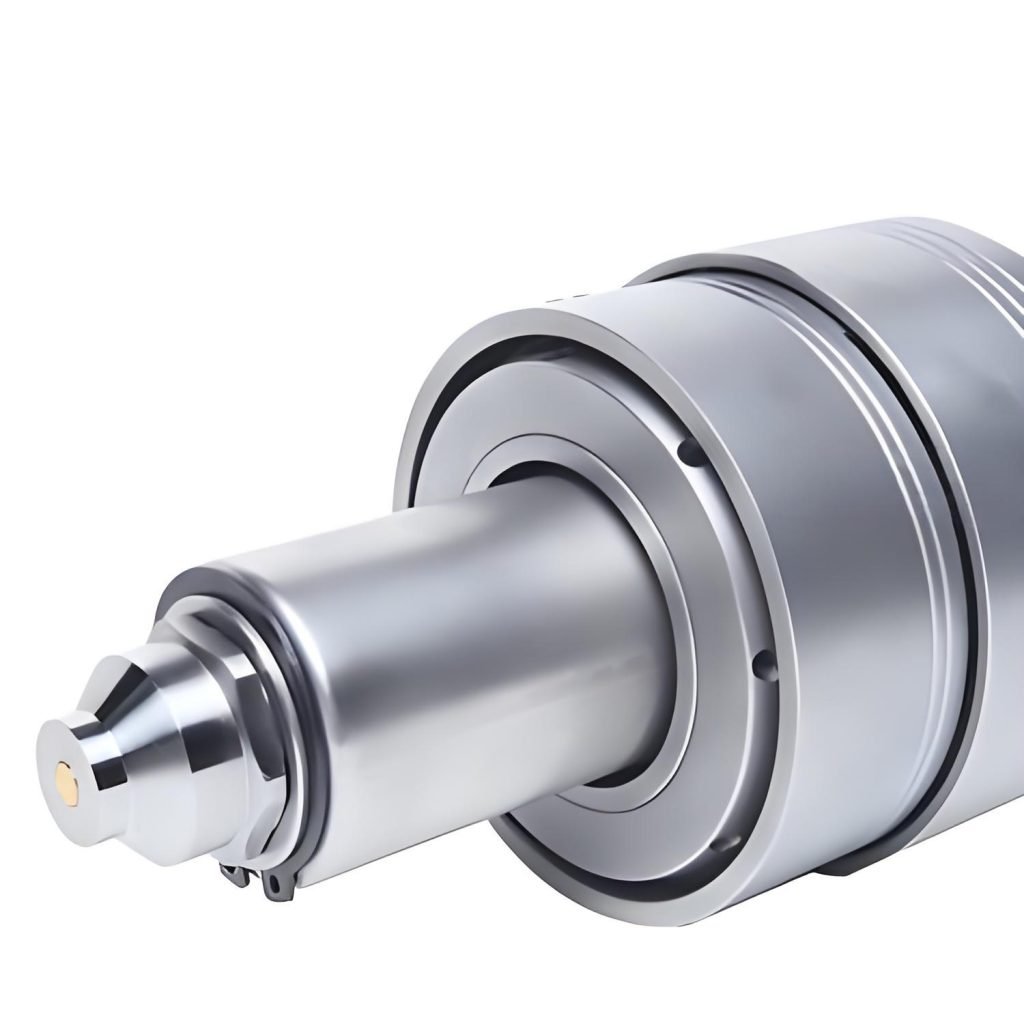
Valve gate injection molding is perfect for high cavitation molds in terms of maximizing control and efficiency, especially for parts like caps and closures. A hot runner system with valve gates has a high initial cost, but practical savings in material, labor, and also cycle time drive mounting benefits for high volume production.
9. Hot Runner Thermal Gates
A hot runner thermal gate is a type of gate used in hot runner systems. Unlike the valve gate, it does not have a mechanical pin. Instead, it relies on temperature control. The plastic in the gate area is kept hot, and it freezes off when the part cools. It’s simple and effective.
This gate type is recommended for resins that are not shear-insensitive and flow easily. This is a good economic alternative to using a valve gate system. The vestige from the gate is very small and will often yield just a slight bump, making it desirable for parts requiring a clean surface finish.
Plastic Injection Molding Gate Types: Quick Comparison
| Type | Main Advantage | Main Drawback / Consideration |
| Direct/Sprue Gate | Low pressure drop, large flow | Large vestige, requires manual trimming |
| Edge Gate | Simple, versatile, easy to machine | Basic design, may leave a visible mark |
| Submarine/Tunnel Gate | Automatic degating, efficient | Not for large/thick parts |
| Fan Gate | Even flow, reduces stress and warpage | Large vestige, requires secondary trim |
| Cashew Gate | Invisible mark, clean shear-off | Requires high mold precision |
| Diaphragm Gate | Uniform fill for round parts | Complex design, may require trimming |
| Pin Gate | Minimal, hidden vestige | High material waste (cold runner) |
| Hot Runner Valve Gate | Zero vestige, precise control | High initial cost |
| Hot Runner Thermal Gate | Small vestige, economical | Best for free-flowing resins |
Factors to Consider When Choosing a Gate Type
Deciding on the best type of gate for your part is an important step. This is not a one-size-fits-all choice; it is advised to consider many important factors to arrive at a successful production process with efficiency.
Part Design & Geometry
The design of your part is the most important factor. A part with varying wall thickness might need a larger gate. For a tight flatness spec, a fan gate or flash gate injection molding helps prevent warpage. For cosmetic surfaces or parts with internal threads, a hidden submarine or cashew gate is ideal.
Material Behaviour
The type of plastic you use matters. Shear-sensitive materials like ABS and PC require gates that minimize stress, so you should avoid small pin gates. Fast-freezing materials like PP might need a larger gate, such as a fan gate, to ensure a smooth, even fill.
Production Volume & Cycle Target
Your production goals are key. For a large volume project over 1 million shots, the upfront expense of utilizing a hot runner system is justified considering the savings you will see over time. For lower volume runs of less than 10,000 parts, you will want to use a less complicated cold runner mold for cost-effectiveness.
Cost & Lead-time Constraints
Cold runner molds are often 30-50% cheaper to make. However, the final parts can be more expensive due to material waste and manual labor. Complex gates like cashew or banana gate injection molding require special machining of steel inserts, which can significantly increase both cost and lead time.
Mold Structure Limitations
The mold design itself can limit your gate choices. The gate must be accessible on the parting line and shouldn’t interfere with mold components like slides or lifters. Submarine gates, for example, require specific shut-off angles to ensure they work correctly.
Sustainability & Regrind Ratio
The environmental impact is another consideration. Cold runner systems generate scrap material that needs to be reground, which can affect plastic quality and increase the carbon footprint. Hot runner systems create virtually no waste, which is a major win for sustainability.
Conclusion & Next Steps: Choosing Your Gate Solution
When you select the right gate, you are saving time, money, and headaches. Knowing the different plastic injection molding gate types and their influences can allow you to minimize defect rates and cycle times. This is a critical part of the design for manufacturability process.
At Fecision, we excel at producing high-quality gate components. Our process ensures a standard of consistency, quality, and repeatability that is second to none by using premium and durable materials, with quick lead times and affordable pricing. For improved functionality and wear-resistance, we offer value-added post-processing options through heat treatments, coatings (TiN, DLC), and polishing to a mirror-like finish, etc.
Why Choose Fecision?
- Precision and Accuracy: We deliver on tight tolerances through CNC machining and EDM.
- Customization: We customize your mold system, providing unique solutions for your situation.
- Rapid Prototyping: We help you evaluate your concepts quickly by providing prototypes for testing prior to committing to a full production run.
- End-to-End Services: We assist you in any phase of project completion, from completing a DFM analysis to delivering a fully assembled product.
Ready to optimize your part design? Contact Fecision today for expert advice to help you achieve the perfect gate!