You’re probably familiar with the term “rust,” but have you ever wondered if titanium is susceptible to it? When exposed to air and water, many metals corrode or rust, but titanium behaves differently. Unlike metals containing iron, pure titanium doesn’t rust in the same way.
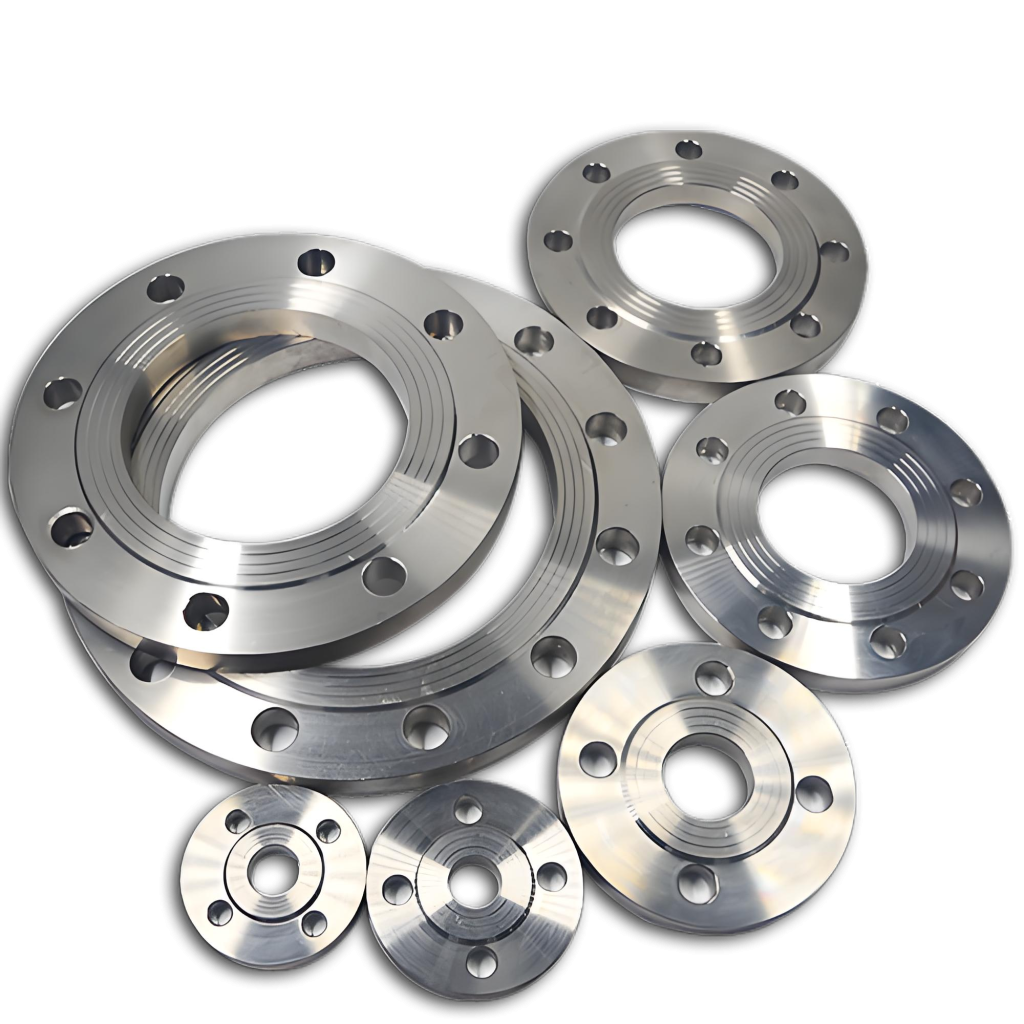
When titanium is exposed to the environment, it forms a protective oxide layer that shields the underlying metal from corrosion. This natural barrier is what makes titanium so valuable in various industries, from aerospace to medical implants, where durability and resistance to environmental degradation are crucial.
Understanding titanium’s corrosion resistance properties can help you make informed decisions about using this versatile metal in your applications.
Understanding Titanium and Corrosion Basics
To grasp the concept of titanium’s corrosion resistance, you first need to understand the basics of titanium and corrosion. Corrosion is a complex process that affects various metals differently, and its impact is significant in various industries.
What is Titanium and Its Key Properties
Titanium is a metal known for its high strength-to-weight ratio, excellent corrosion resistance, and ability to withstand extreme temperatures. Its unique properties make it an ideal material for aerospace, medical, and industrial applications. You might be wondering what makes titanium so resistant to corrosion. The answer lies in its natural oxide layer, which forms when titanium is exposed to air.
The Difference Between Rust and Corrosion
Rust and corrosion are often used interchangeably, but they have distinct meanings. Rust specifically refers to the oxidation of iron or its alloys when exposed to water and oxygen, resulting in a reddish-brown flaky substance called iron oxide. Corrosion, on the other hand, is a broader term that encompasses the degradation of any material due to environmental reactions. Understanding the difference is crucial because while rust is limited to iron and its alloys, corrosion can affect a wide range of metals, including titanium.
The process of rusting is electrochemical, involving the transfer of electrons and resulting in the formation of iron oxide. Water acts as an electrolyte, and oxygen is the oxidizing agent. This process weakens metal structures by converting solid iron into a porous oxide, exposing more metal to further corrosion. In contrast, titanium’s corrosion resistance is attributed to its stable oxide layer, which protects it from further degradation.
Does Titanium Rust?
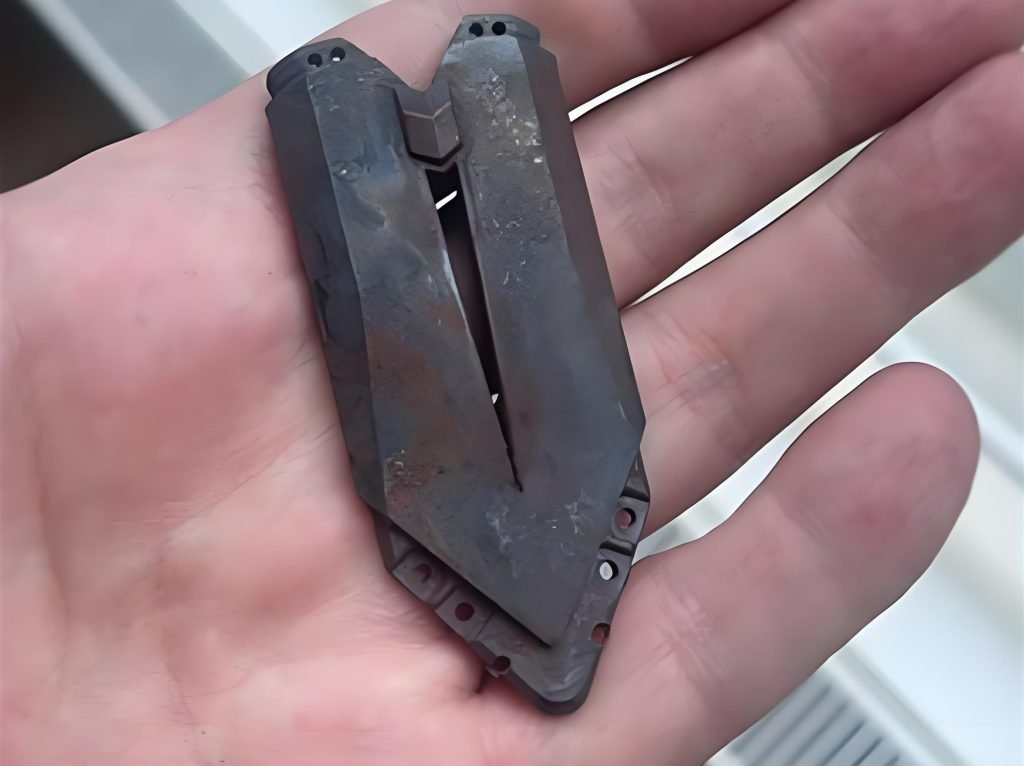
The science behind titanium’s resistance to rust lies in its inherent characteristics and the formation of a protective layer when exposed to oxygen. You might wonder how this metal behaves in corrosive environments and what makes it so resistant.
The Behavior of Pure Titanium in Corrosive Environments
Pure titanium exhibits remarkable resistance to corrosion when exposed to oxygen, whether through air or water, without excessive heat. This resistance is not due to a lack of reaction but rather the nature of the reaction. When titanium reacts with oxygen, it forms titanium dioxide (TiO2), creating a thin, invisible, and protective film on its surface.
Titanium’s Unique Oxide Layer Formation
The oxide layer that forms on titanium is incredibly thin and grows over time. Initially, after exposure to air and moisture, the oxide film is about 12-16 Å thick. This layer grows to approximately 50 Å after 70 days, 80-90 Å after 545 days, and up to 250 Å in four years. This gradual growth, coupled with the layer’s self-healing nature, ensures that titanium remains protected against corrosion.
| Time | Oxide Layer Thickness |
|---|---|
| Initial Exposure | 12-16 Å |
| 70 Days | 50 Å |
| 545 Days | 80-90 Å |
| 4 Years | 250 Å |
This unique oxide layer is not only thin but also remarkably adherent to the titanium surface, serving as an effective barrier against further corrosion. The self-healing property of this layer means that if it’s damaged, it can repair itself almost instantly as long as oxygen is present.
Factors Affecting Titanium’s Corrosion Resistance
Titanium’s corrosion resistance is influenced by several key factors that you should understand to maximize its durability. These factors can significantly impact how well titanium performs in various environments.
Environmental Conditions and Their Impact
Environmental conditions, such as temperature, humidity, and exposure to chemicals, play a crucial role in determining titanium’s corrosion resistance. For instance, high temperatures can accelerate corrosion, while certain chemicals can compromise the protective oxide layer on titanium.
Titanium Alloys vs. Pure Titanium
The composition of titanium, whether it’s pure or alloyed with other elements, affects its corrosion resistance. Titanium alloys can offer enhanced strength and corrosion resistance compared to pure titanium, depending on the alloying elements used.
Surface Treatments and Their Effects
Surface treatments, including anodizing, PVD coatings, and passivation, can significantly enhance titanium’s corrosion resistance. These treatments help create a more stable and protective oxide layer, improving the metal’s overall durability.
By understanding and applying these factors, you can optimize titanium’s performance and extend its lifespan in various applications.
Titanium vs. Other Metals: Comparative Corrosion Resistance
Titanium’s exceptional corrosion resistance sets it apart from other metals, making it a preferred choice for various industries. When comparing titanium to other materials, its unique properties become particularly evident.
Titanium vs. Stainless Steel
Titanium outperforms stainless steel in corrosion resistance, particularly in environments with high chloride concentrations or extreme temperatures. While stainless steel can corrode under certain conditions, titanium maintains its integrity, making it ideal for marine and chemical processing applications.
Titanium vs. Aluminum
Compared to aluminum, titanium offers superior corrosion resistance and strength, especially at elevated temperatures. Aluminum may corrode or degrade when exposed to certain chemicals or high temperatures, whereas titanium remains durable, making it suitable for aerospace and high-performance applications.
Practical Applications Due to Superior Rust Resistance
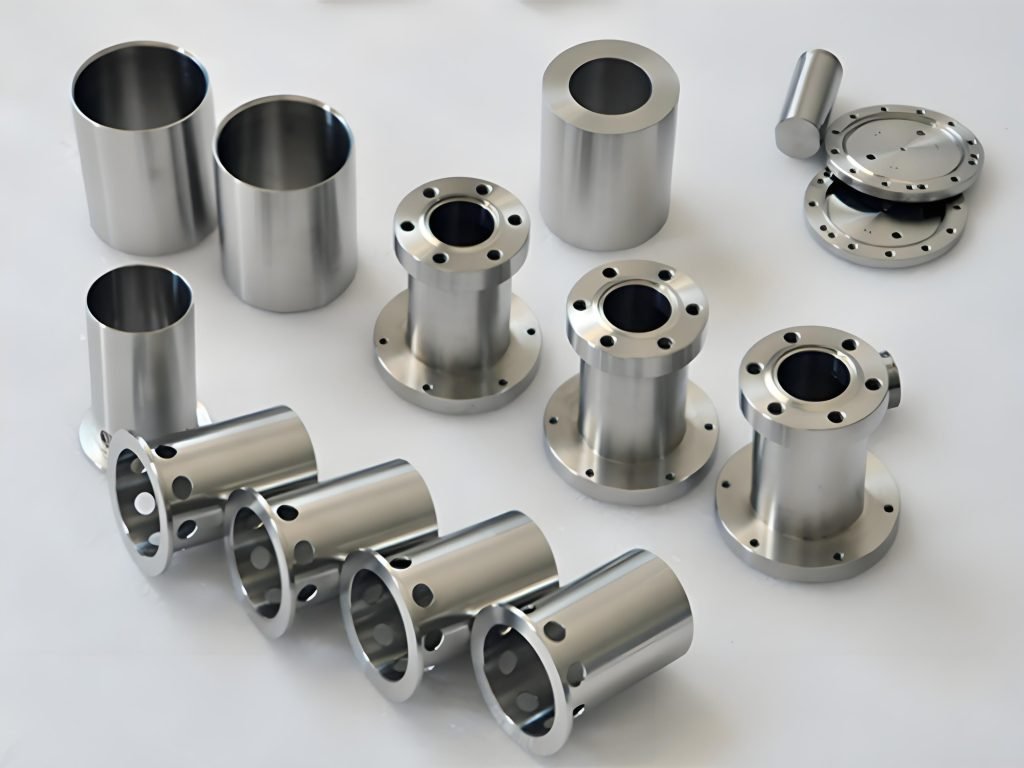
Titanium’s superior corrosion resistance has led to its adoption in various critical applications. In aerospace, it’s used for structural components and engine parts. In marine environments, titanium is chosen for its resistance to saltwater corrosion. Medical implants, such as joint replacements and dental implants, benefit from titanium’s biocompatibility and corrosion resistance. Additionally, titanium is used in chemical processing equipment and high-end consumer products like jewelry and watches, where its durability and hypoallergenic properties are valued.
Conclusion: Protecting and Maximizing Titanium’s Corrosion Resistance
In summary, titanium’s remarkable corrosion resistance is due to its spontaneous oxide layer formation. This unique property makes titanium invaluable in industries such as aerospace, medicine, and marine applications. You can maximize titanium’s corrosion performance by selecting the right alloy, considering surface treatments, and avoiding crevices or galvanic couples. Proper maintenance, including gentle cleaning and regular inspections, ensures long-term durability.
Titanium doesn’t rust like iron, but it can experience other forms of corrosion under specific conditions. By understanding these factors and taking appropriate precautions, you can enjoy the benefits of titanium’s exceptional corrosion resistance for decades. Whether used in jewelry, implants, or industrial components, titanium’s combination of strength, lightweight, and biocompatibility makes it an ideal choice for demanding environments.
FAQ
Titanium’s corrosion resistance is due to its naturally occurring oxide layer, which forms when it is exposed to oxygen. This layer acts as a barrier, protecting the metal from corrosive environments.
Titanium exhibits excellent corrosion resistance in saltwater environments, making it a popular choice for marine applications. Its oxide layer provides a robust barrier against the corrosive effects of saltwater.
Yes, titanium can be used in high-temperature applications due to its high melting point and resistance to oxidation. However, its corrosion resistance may be affected by extreme temperatures, and the specific alloy used should be considered.
Titanium generally outperforms stainless steel in terms of corrosion resistance, particularly in environments with high chloride concentrations. However, stainless steel may still be suitable for certain applications where corrosion is not a significant concern.
Yes, surface treatments such as anodizing can enhance titanium’s corrosion resistance by thickening its oxide layer or modifying its surface properties. These treatments can be used to further improve titanium’s already excellent corrosion resistance.