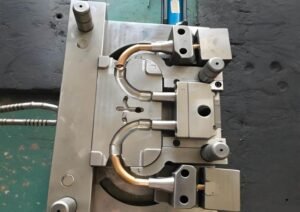
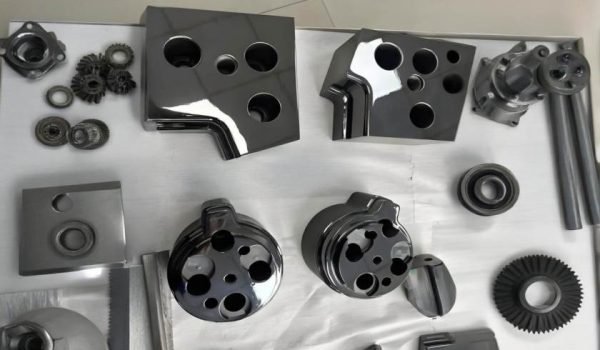
Manufacturers often face high costs due to mold wear, stuck components, and corrosion issues that result in significant production losses. The application of injection mold coatings to tool steel provides protection from friction, heat, and chemicals on molds. By applying these advanced layers, you can significantly extend mold life while improving part release for smoother, more profitable production runs.
This guide unpacks injection mold coating technology in simple terms. We compare PVD, CVD, and DLC processes to help you map benefits to real production pain points. You will learn how to apply injection mold coating effectively to ensure maximum ROI for your projects.
What Is Injection Mold Coating?
Injection mold coatings consist of super-thin films, typically in the range of 2-10 microns thick, applied to the surfaces of molds and moving parts. These coatings are not like paint; rather, they bond at the atomic level, resulting in their becoming part of the tool steel itself. As a result, they create an extremely hard shell that reduces friction and eliminates plastic sticking to the mold.
When used for high-speed production and intricate part designs, these coatings provide the manufacturer with an extremely efficient way to combat surface wear, as well as provide protection against chemical corrosion when molding occurs. The use of mold coatings ensures that your molds remain accurate for millions of cycles, allowing your production to proceed uninterrupted while reducing maintenance costs at the same time.
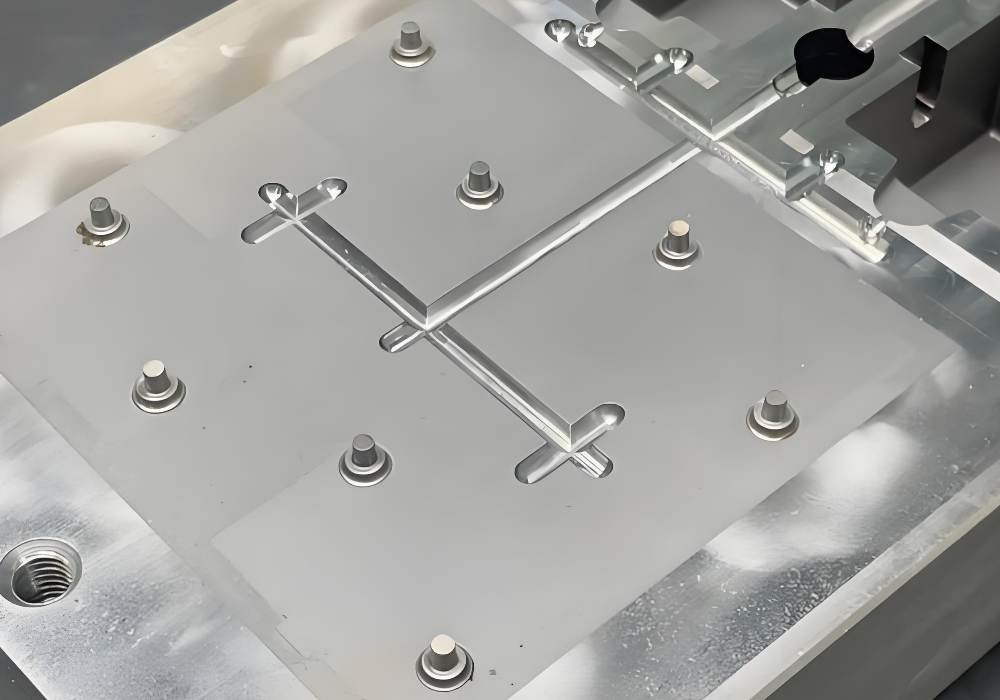
Types of Injection Mold Coatings
The choice of correct technology is the first step towards optimizing your production line; therefore let’s examine the most popular coating procedures that are available today.
PVD Coating – Physical Vapor Deposition
Manufacturers use PVD to deposit coatings onto molds. This is accomplished by vaporizing a solid target material—such as Titanium Nitride—in a vacuum chamber and allowing the vaporized material to condense onto the mold surfaces. It is a highly precise method that coats exposed surfaces with exceptional uniformity—including fine threads and external features—without changing the part’s shape.
Because these films are only 2–5 microns thick, they preserve tight tolerances perfectly. You might see these in various colors: gold Titanium Nitride offers excellent wear resistance, while bronze Zirconium Nitride provides extreme hardness. Chromium Nitride is also popular when manufacturers need superior protection against rust and chemical corrosion.
CVD Coating – Chemical Vapor Deposition
In the CVD process, reactive gases are introduced into a vacuum chamber at very high temperatures. A chemical reaction occurs, depositing a tough coating on every single surface. This method is excellent because it reaches interior channels and deep cooling lines that other line-of-sight methods simply cannot touch.
These films can be thicker and more uniform than PVD coatings, as a result of the metallurgical bond created by the application heat, which eliminates the possibility of the coating peeling during the induction heating process. Furthermore, since they are applied at temperatures ranging from 800 °C to 1100 °C, the substrate must either be tool steel or similar.
DLC Coating – Diamond-Like Carbon
DLC coatings provide an amorphous carbon film that combines the extreme hardness of a diamond with the slippery nature of graphite. PVD and plasma-assisted CVD techniques used by manufacturers provide excellent versatility for applying coatings onto molds in high-performance applications.
The main draw here is the incredibly low coefficient of friction. For rapid-cycle molds, DLC coatings provide a perfect surface for parts that need to be released instantly. The coatings also have excellent thermal conductivity, allowing heat to escape from the plastics quickly, which can decrease overall cooling times.
Other Functional Coatings
Beyond the standard vapor depositions, other specialized layers solve specific molding headaches. PTFE-infused layers, often called Teflon, provide extreme anti-stick properties. These are the go-to choice for manufacturers working with difficult materials like rubber or elastomers that tend to bond to raw steel surfaces.
For manufacturing medical cleanroom equipment, the ideal option is electroless nickel combined with PTFE. These offer smooth surfaces with an exceptionally low coefficient of friction. Chrome plating remains a good barrier against extremely corrosive plastics, including PVC, as they release corrosive acids during heating that can damage steel tooling.
Advantages of Injection Mold Coatings
Beyond the professional appearance of these coatings, their direct effect on the bottom line comes from their ability to help solve a number of issues in manufacturing.
Extended Mold Service Life
Manufacturers employing high-pressure plastic flow or abrasive filler materials, such as glass fibers, frequently experience rapid tool wear, resulting in eroded cavities and cores. Abrasive and hard materials have a sandpaper-like effect on the sharp edges of the tools over time. This erosion causes your parts to fall below specifications or required dimensions.
Hard coatings such as TiN or DLC can achieve surface hardness of HV 2000–4000. Such protective shells provide much less material loss per cycle compared to untreated tools. As a result, tool rebuilds can be delayed, and production can continue at much higher rates with no need for expensive maintenance.
Improved Part Release and Cycle Efficiency
When plastic sticks inside the mold cavity, it creates drag marks on the part and requires excessive ejection force. This sticking increases cycle time, as the machine must wait for the ejector system to clear. The resulting friction often damages the part’s visual finish, leading to higher scrap rates or the need for post-mold polishing.
Low-friction coatings like DLC or CrN solve this by reducing the surface energy of the mold. Parts release cleanly with very little pressure from the ejector pins. According to research from Fraunhofer IFAM, advanced release coatings can significantly reduce demolding forces and even eliminate external release agents, potentially cutting cycle times by up to 20% in specific applications.
Corrosion and Chemical Resistance
Heating and processing of certain materials, including PVC or flame-retardant materials, generates hydrochloric acid. This acid is extremely reactive, and when it contacts steel that has not been protected by a coating, it will quickly corrode and destroy unprotected steel surfaces. Once a mold is pitted, the surface finish of your parts will suffer significantly.
PVD nitride coatings and electroless nickel plating provide impermeable barriers that protect against chemical attack from hydrochloric acid and other corrosive agents. CrN coatings, in particular, are formulated specifically to resist acidic gases in medical and electronic molding applications. As a result, the mold surface will remain completely unaffected even after thousands of hours of exposure to aggressive chemical environments.
Maintained Dimensional Precision
Traditional thick plating layers can sometimes change the critical dimensions of a mold. This often requires manufacturers to perform extra re-machining or accept a loss in tolerance. For high-precision engineering projects, even a tiny change in size can cause the final assembly to fail.
Since PVD films are only 2–5 microns thick, they add a negligible amount of material to the tool. This allows the tools to stay within their original tolerance bands without any extra work. The protective benefits of the coating are achieved without sacrificing the precision of the original design.
Thermal Stability Under Heat Cycling
Repeated heating and cooling cycles create massive amounts of stress on tool steel. This thermal fatigue eventually leads to small cracks that can grow and ruin the mold. The problem is compounded when processing high-temperature resins, as the demands placed on tool steel are now greater than they were previously.
Advanced coatings such as AlTiN are stable at temperatures exceeding 800 °C. They allow heat to be distributed more evenly over the surface of the tooling, so that thermal shock damage is lessened. For this reason, these coatings are crucial for producers who operate hot-runner systems or process high-performance engineering plastics.
Enhanced Part Surface Quality
Mold surface imperfections are generally carried over into the final plastic component. They typically appear in the form of flow marks, welding lines, or inconsistent gloss levels, making the end product appear cheap. Finishes of good quality are especially critical for consumer electronics or automotive exposure-type components.
Mirror-finish coatings create virtually flawless cavity surfaces that are able to conceal mold imperfections. The consistent texture of these coatings lends itself to fewer secondary finishing requirements (painting, polishing, etc.), so that you receive a more aesthetically pleasing finished component when exiting the machine, resulting in time and cost savings.
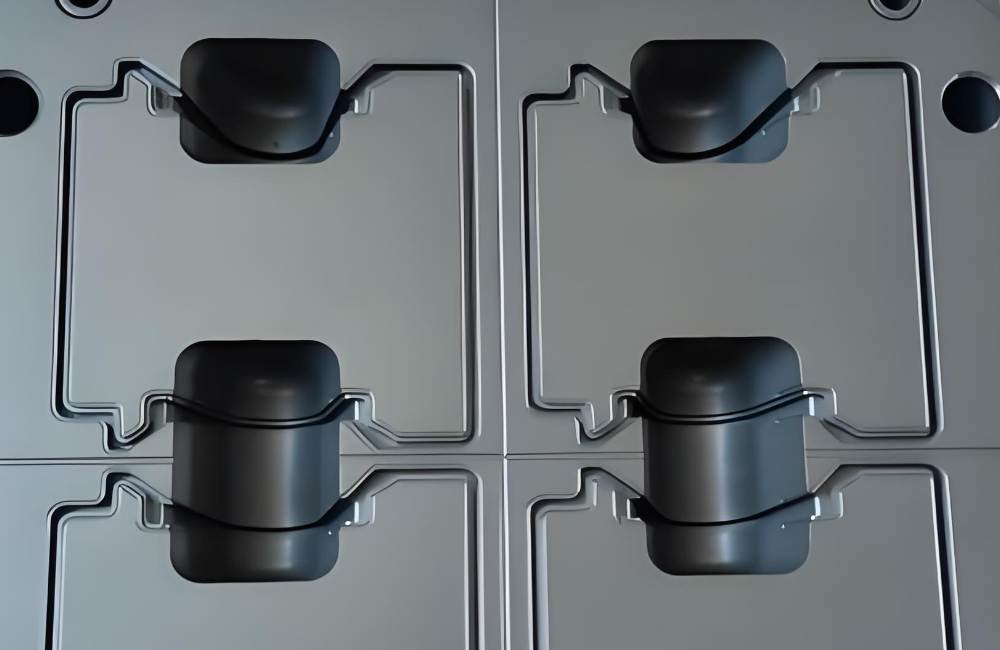
How to Pick the Right Injection Mold Coating for Your Application?
Selecting the perfect match depends on several factors, so you should evaluate your specific project needs before deciding.
Match Coating to Plastic Type
If you are using abrasive filled resins like glass fiber, manufacturers usually recommend TiCN or DLC for their extreme hardness. For corrosive resins like PVC, you should opt for CrN or electroless nickel. Sticky elastomers work best with PTFE-infused coatings to ensure a clean release every time.
| Resin Challenge | Coating Response | Key Property |
| Glass fiber wear | TiCN, DLC | High hardness |
| Acid gas attack | CrN, Electroless Ni | Corrosion barrier |
| Rubber adhesion | DLC, PTFE | Low surface energy |
Consider Mold Temperature Regime
The operating temperature of your mold is a major deciding factor. For cold molds running under 80 °C, most PVD processes are highly effective. However, if you are using hot runners or high-temperature resins, manufacturers should use CVD or AlTiN coatings that remain stable even above 300 °C.
Evaluate Geometric Complexity
For simple cavities where the coating material can be “sprayed” directly, PVD is an economical and fast choice. If your part design includes deep ribs, blind holes, or complex undercuts, CVD is often better. It ensures complete coverage in areas that a straight line-of-sight method cannot reach.
Factor in Stripping and Recoating
Think about how long you plan to run the tool. PVD coatings are great because manufacturers can strip and reapply them without damaging the underlying steel. If you have a long-life tool that won’t need frequent updates, the permanent and superior adhesion of CVD might justify the initial investment.
Balance Cost Against Cycle Gains
Premium coatings like DLC may cost more upfront, but they pay for themselves quickly. The break-even point should be calculated based on planned production volume. Usually, the reduction in downtime and the faster cycle times make these “expensive” coatings the most cost-effective choice in the long run.
Conclusion
Selecting the right injection mold coating technology transforms tool steel from a consumable into a durable asset. Whether you apply injection mold coating to extend wear life, improve release, or resist chemical attack, the payoff multiplies across millions of cycles. These small layers make a massive difference in quality and efficiency.
Fecision applies advanced injection mold coatings to ensure your tools withstand the toughest production environments. By selecting the right surface treatments, we minimize friction and prevent material sticking, directly boosting your cycle efficiency. Our expertise in coating technology guarantees superior wear resistance and long-lasting precision for every complex part we manufacture.
Ready to optimize your production? Contact Fecision today for high-performance injection mold coatings that extend tool life and speed up your cycles.