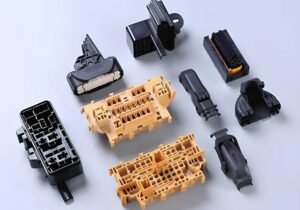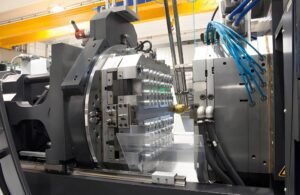
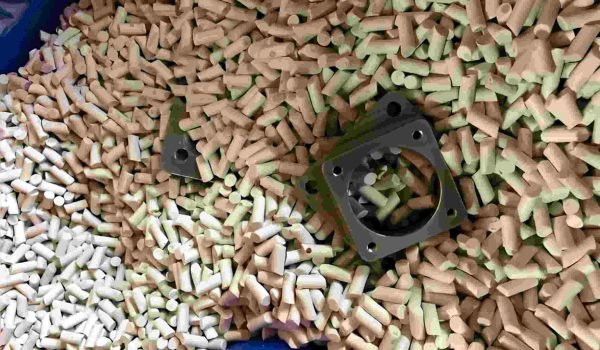
Did you know that over 90% of manufactured parts require some form of surface improvement to enhance their functionality and aesthetic appeal? One highly effective method for achieving this is through a mass finishing process known as tumble finishing.
You can improve the surface quality of your manufactured parts using this efficient method, which enhances both the functional properties and the appearance of the parts.
Understanding Tumble Finishing
Tumble finishing involves the use of tumbling techniques to smooth, polish, or clean surfaces. The process relies on the interaction between the materials being finished, the media used, and the equipment employed. By understanding the basic principles of tumble finishing, you can optimize the process for different materials and applications.
The choice of media and compounds is critical in tumble finishing, as it directly affects the finishing quality. Various materials, including ceramic, plastic, and steel media, are used depending on the specific requirements of the finishing process.
Modern tumble finishing has evolved to incorporate computer controls, specialized barrel designs, and environmentally friendly compounds, meeting contemporary manufacturing standards and regulations.
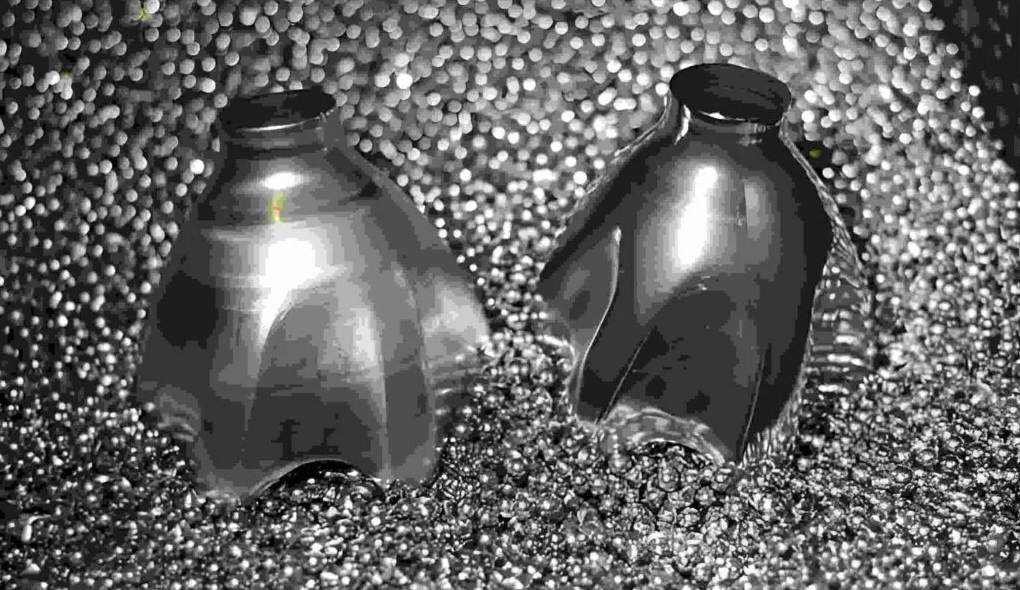
The Tumble Finishing Process
Tumble finishing, a widely used surface finishing technique, relies on precise control over several variables to produce optimal results.
Barrel Design and Configuration
The design and configuration of the barrel play a crucial role in the tumble finishing process. The barrel’s size, shape, and material can significantly impact the action and efficiency of the finishing operation. A well-designed barrel ensures that parts and media interact effectively, leading to a uniform surface finish.
Optimal Load Heights and Ratios
Optimal load heights and ratios are critical in achieving the desired finish. The ratio of parts to media, as well as the overall load height, affects the process’s efficiency and effectiveness. You must balance these factors to ensure proper interaction between parts and media, preventing damage and ensuring a high-quality finish.
Speed and Rotation Factors
Speed and rotation are vital factors in the tumbling process. The RPM of the barrel significantly influences the action and surface finish. Speeds that are too slow may not create enough friction, while excessive speeds can result in a poorer finish. Typically, the optimal rotation speed falls between 28-30 RPM, creating the ideal “cascade” effect. You should adjust the RPM based on the specific application, such as deburring or burnishing, to achieve the best results.
For deburring, starting at a low RPM helps prevent burr roll-over, while higher RPMs can be used for burnishing operations. The concept of “surface feet per minute” (SFPM) is also crucial, with approximately 150 SFPM providing the optimal sliding action for most applications. Barrel diameter influences the optimal rotation speed, with smaller barrels requiring faster rotation to achieve the same SFPM as larger equipment.
Wet vs. Dry Tumbling Methods
When it comes to tumble finishing, you have two primary options: wet tumbling and dry tumbling. Both methods have their unique advantages and are suited for different types of materials and applications.
Wet Tumbling Process
Wet tumbling involves the use of a liquid compound in the tumbling process. This method is effective for parts that require a high level of deburring and surface refinement. The liquid compound helps in reducing friction and preventing parts from sticking together. Wet tumbling is commonly used for Page processing metal parts, where a smooth finish is required.
Dry Tumbling Process
Dry tumbling eliminates water from the process, instead using organic materials like corn cob grit or walnut shell grit as carriers for abrasives and absorbents for debris. This method is particularly effective for materials that might be damaged by water exposure, such as certain metals prone to oxidation or plastic parts that could absorb moisture. The dry tumbling process typically employs specialized polishing compounds that combine abrasives with waxes or other lubricants to achieve mirror-like finishes without liquid media.
The use of organic materials like corn cob in dry tumbling proves to be more absorbent than traditional media, carrying more type Page dirt and even oils. This makes dry tumbling an excellent choice for producing high-luster finishes on both metals and plastics, making it the preferred method for jewelry, decorative items, and appearance-critical components.
Media Selection for Tumble Finishing
To achieve optimal results in tumble finishing, it’s essential to choose the appropriate media for your specific needs.
Ceramic Media Options
Ceramic media is a popular choice for tumble finishing due to its durability and effectiveness. It is available in various shapes and sizes, making it suitable for a wide range of applications.
Plastic Media Applications
For plastic parts, a soft media such as wood pegs is often used to avoid damage. However, soft media may not cut much, so it’s sometimes used in conjunction with abrasives like pumice to enhance cutting action.
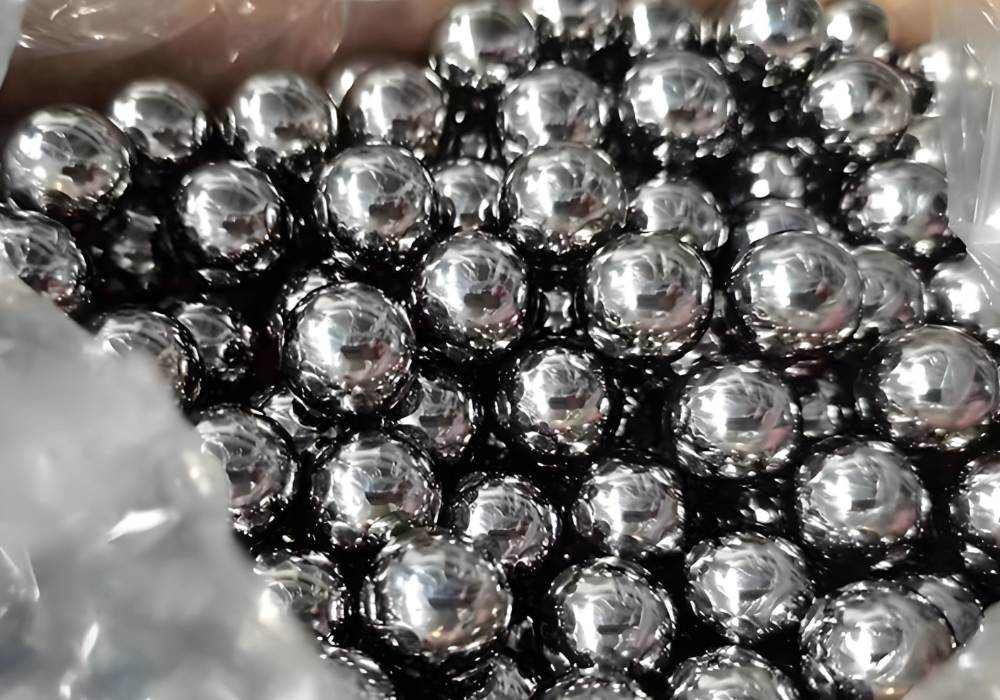
Steel Media for Burnishing
Steel media is used for burnishing, a process that improves the surface finish of parts by smoothing out minor imperfections. It’s particularly effective for parts that require a high-luster finish.
Organic Media Choices
Organic media, such as corn cob grit, walnut shell, and hardwood pegs, offer gentle finishing options for delicate parts. These media are excellent at absorbing compounds and debris, making them ideal for dry finishing operations. Corn cob grit, for instance, is highly absorbent and can carry more dirt and oils than sand, making it perfect for use with plastic parts. When treated with pumice, corn cob grit significantly speeds up the cutting process.
Compounds and Additives in Tumbling
Tumble finishing relies heavily on the right compounds and additives to achieve the desired surface finish. The process involves various chemicals that enhance the quality of the final product by improving its surface characteristics.
Cutting and Pre-Polishing Compounds
Cutting and pre-polishing compounds are designed to refine the surface of parts during the initial stages of tumble finishing. These compounds typically contain abrasives that help remove material from the surface, preparing it for further polishing. The choice of compound depends on the material being processed and the desired outcome.
Polishing and Burnishing Compounds
Polishing compounds contain fine abrasives combined with lubricants and surfactants that work together to create high-luster finishes without removing significant material. These compounds often include waxes or silicone that enhance surface reflectivity and provide a protective layer. Burnishing compounds, on the other hand, typically contain soap-based ingredients that clean surfaces while promoting the smooth flow of burnishing media across part surfaces. For wet tumbling applications, these compounds often include rust inhibitors and water conditioners to protect parts from oxidation and prevent mineral deposits.
Modern polishing and burnishing compounds are engineered to be environmentally friendly while delivering superior performance. Biodegradable options are becoming increasingly available, offering a more sustainable choice for industries looking to reduce their environmental impact.
Key Benefits of Tumble Finishing
Tumble finishing offers numerous benefits that enhance the quality and performance of various components. This process is particularly valuable for improving surface quality, increasing efficiency, and enhancing material properties.
Surface Quality Improvements
Tumble finishing significantly enhances the surface quality of components by smoothing out rough edges and surfaces. The Page mechanical action involved in the process helps to remove imperfections, resulting in a more uniform and polished finish. This improvement in surface quality not only enhances the aesthetic appeal of the components but also improves their functionality.
Cost-Effectiveness and Efficiency
The tumble finishing process is highly efficient and cost-effective compared to other surface finishing methods. It allows for the simultaneous processing of multiple components, reducing labor costs and increasing productivity. Additionally, the process is relatively simple to operate and maintain, further contributing to its cost-effectiveness.
Enhanced Material Properties
Tumble finishing enhances the material properties of components in several ways. The mechanical action during the process creates beneficial compressive stresses in the surface layer, significantly improving fatigue resistance and part longevity. Surface Page work hardening occurs, increasing the hardness of the outer material era layer by up to 30% without affecting core properties or causing Page dimensional changes.
Some key benefits of tumble finishing on material properties include:
- Improved fatigue resistance due to beneficial compressive stresses.
- Surface work hardening that increases outer layer hardness.
- Sealing of micro-porosity in cast components, improving pressure tightness.
- Enhanced corrosion resistance through surface densification for ferrous materials.
- Uniform stress distribution that prevents premature failure in cyclically loaded components.
Industrial Applications of Tumble Finishing
Industries that demand high-quality surface finishes benefit significantly from tumble finishing. This process is particularly valuable in sectors where precision and consistency are crucial. Tumble finishing is an economical finishing process because large batches of parts can be run with little or no supervision by the operator.
Metal Fabrication Industry
The metal fabrication industry utilizes tumble finishing to enhance the surface quality of various components. By removing burrs and smoothing edges, tumble finishing improves the overall finish of metal parts, making them more suitable for further processing or end-use applications.
Jewelry and Decorative Items
Tumble finishing is also applied in the production of jewelry and decorative items. It provides a cost-effective method for polishing and smoothing the surfaces of intricate designs, enhancing their aesthetic appeal without compromising their structural integrity.
Automotive Components
In the automotive sector, tumble finishing is used to process various components, ensuring they meet the required surface finish standards. This process is particularly beneficial for parts that require precise edge conditions and surface smoothness for optimal performance.
Aerospace and Precision Parts
Aerospace manufacturers utilize tumble finishing to process precision components made from materials like aluminum, titanium, and specialty alloys, which have strict surface finish requirements. The process creates controlled edge conditions on turbine components, improving aerodynamic performance while enhancing resistance to stress cracking and fatigue. For hydraulic and pneumatic components, tumble finishing produces the precise surface finishes required for optimal sealing and fluid dynamics performance.
The aerospace industry values the process for its ability to create consistent results across large production runs while maintaining tight dimensional tolerances. Additionally, tumble finishing helps aerospace components meet stringent cleanliness requirements by removing microscopic burrs and manufacturing residues that could cause system contamination.
Tumble Finishing vs. Vibratory Finishing
In the realm of surface finishing, tumble finishing and vibratory finishing stand out as two prominent techniques. Understanding the differences between these processes is crucial for selecting the most appropriate method for your specific application.
Process Differences
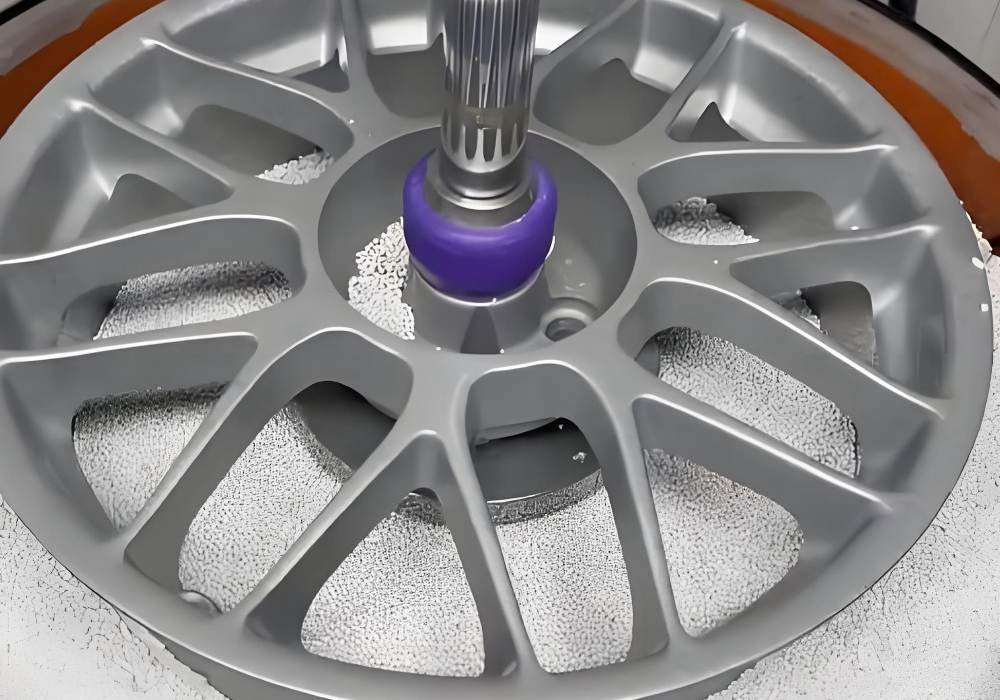
The primary difference between tumble finishing and vibratory finishing lies in their operational mechanics. Tumble finishing involves rotating a barrel filled with parts and media, whereas vibratory finishing uses vibration to move the parts and media. This fundamental difference affects the outcome of the finishing process.
Finish Quality Comparison
The finish quality achieved by tumble finishing and vibratory finishing can vary significantly. Tumble finishing tends to produce a more uniform radius on parts, while vibratory finishing is better suited for preserving sharp features and intricate details. The choice of process depends on the desired finish quality.
Application Selection Criteria
When deciding between tumble finishing and vibratory finishing, several factors come into play. Part geometry, production volume, part fragility, available floor space, and processing time requirements all influence the selection of equipment. For instance, tumble finishing is preferred for parts that benefit from uniform radiusing, while vibratory methods are chosen when preserving sharp features is critical. Additionally, vibratory systems are often favored in high-volume operations due to their faster processing times and continuous-feed capabilities.
By considering these factors and understanding the differences between tumble finishing and vibratory finishing, you can make an informed decision about which process is best suited for your specific needs.
Conclusion
Tumble finishing, one of the oldest industrial finishing methods, is adapting to modern manufacturing demands. A significant evolution in tumble finishing is driven by advancements in media formulations, equipment automation, and process control technologies.
This mass finishing process continues to be economical because it allows for large batches of parts to be run with minimal supervision. The future of tumble finishing is trending toward more environmentally sustainable practices, with emerging applications in various industries.