
Did you know that over 90% of aluminum products used in industries such as aerospace, automotive, and consumer goods undergo some form of surface treatment to enhance their durability and aesthetic appeal? One of the most popular methods is sulfuric acid anodizing, an electrochemical process that converts aluminum into a durable, corrosion-resistant aluminum oxide layer.
This anodizing technique is widely used due to its ability to create a porous oxide coating that can be sealed for enhanced protection or dyed for decorative purposes. By understanding the process and benefits of sulfuric acid anodizing, you can determine if it’s the right surface treatment for your aluminum components, enhancing both their functional properties and visual appearance.
Sulfuric Acid Anodizing Overview
What Is Sulfuric Acid Anodizing?
Sulfuric acid anodizing is an electrochemical process that involves submerging aluminum parts in a sulfuric acid bath and passing an electric current through the solution. This process results in the formation of a thick, porous oxide layer on the surface of the aluminum, which can be further treated to enhance its properties. The anodizing process is carefully controlled to achieve the desired thickness and quality of the oxide layer.
Purpose and Functions
The primary purpose of sulfuric acid anodizing is to enhance the natural properties of aluminum by creating a more durable, corrosion-resistant surface. This process significantly improves the metal’s resistance to weathering, salt spray, and various chemical environments that would otherwise degrade untreated aluminum.
The anodized coating provides excellent wear and abrasion resistance, making parts more durable in applications where friction or contact with other surfaces occurs. Also, the oxide layer is electrically insulating, allowing anodized parts to be used in electrical applications where conductivity must be controlled.
Additionally, the porous nature of the anodic coating before sealing makes it an excellent base for dyeing, enabling decorative colored finishes that are fade-resistant and durable. You can also use anodized surfaces as a base for adhesives and paints when left unsealed, improving bonding capabilities for composite assemblies.
The Sulfuric Acid Anodizing Process
You can significantly improve the performance of aluminum parts by understanding the sulfuric acid anodizing process, which includes pre-treatment, anodizing, and post-anodizing treatments.
Pre-Treatment Steps
Before the anodizing process begins, the aluminum parts undergo thorough pre-treatment. This involves cleaning the surface to remove any dirt, oils, or other contaminants that could interfere with the anodizing process. The parts are then rinsed and subjected to a chemical etching process to create a uniform surface for anodizing.
The Anodizing Bath
The heart of the sulfuric acid anodizing process is the anodizing bath, where the aluminum parts are immersed in a solution of sulfuric acid and water. The bath is maintained at specific conditions, including temperature and voltage, to achieve the desired oxide layer thickness. The anodizing process involves the controlled growth of the oxide layer on the aluminum surface, resulting in a robust and corrosion-resistant coating.
Post-Anodizing Treatments
After achieving the desired oxide layer thickness, the parts are removed from the anodizing bath and rinsed thoroughly. Depending on the specifications, the anodized parts may or may not be dyed. For decorative applications, dyeing is used to achieve the desired color, taking advantage of the porous structure of the anodic coating. Finally, a sealing step is performed to close the pores and enhance the corrosion resistance and color fastness of the coating. Common sealing methods include hot water sealing, nickel acetate sealing, and cold sealing processes.

Types of Sulfuric Acid Anodizing
Sulfuric acid anodizing is a versatile process that comes in various types, each with its unique characteristics and applications. You can select the most appropriate type based on your specific requirements, whether it’s for functional or decorative purposes.
Type II Anodizing (Standard)
Type II anodizing, also known as standard anodizing, is the most commonly used type. It provides a durable, corrosion-resistant coating that is ideal for a wide range of applications, from industrial parts to consumer goods. The thickness of the anodized layer can vary depending on the specifications.
Type IIB Anodizing (Thin Coating)
Type IIB anodizing produces a thinner coating compared to Type II. This type is used when a less pronounced anodized layer is required, often for precision parts or when dimensional tolerances are tight. It still offers good corrosion resistance and is suitable for many applications.
Colored Anodizing Options
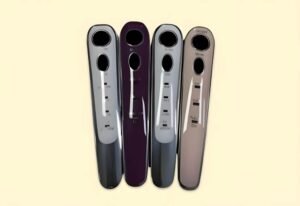
One of the significant advantages of sulfuric acid anodizing is the ability to achieve various colors through different coloring methods. You can opt for organic dyeing, electrolytic coloring, or integral coloring processes to achieve the desired color. The porous nature of the anodized coating allows for durable and long-lasting colors, ranging from subtle earth tones to vibrant primary colors.
The coloring process involves penetrating the porous oxide layer with dyes or pigments, ensuring excellent color fastness. Depending on the method used, you can achieve a wide range of colors, enhancing the aesthetic appeal of the anodized aluminum.
Benefits and Limitations of Sulfuric Acid Anodizing
When evaluating sulfuric acid anodizing, it’s crucial to weigh its advantages against its drawbacks.
Key Advantages
Corrosion and Abrasion Resistance
The anodizing process creates a durable oxide layer that significantly enhances corrosion and abrasion resistance. This is particularly valuable in harsh environments where components are exposed to wear and corrosive elements.
Aesthetic Properties
Sulfuric acid anodizing also allows for various aesthetic options through different coloring techniques, making it suitable for applications where appearance matters. The process can produce a range of colors and finishes, enhancing the visual appeal of the anodized parts.
Electrical Insulation
Another significant advantage is the electrical insulation provided by the anodized layer. This property is crucial in applications where electrical components need to be protected or insulated.
Limitations to Consider
Fatigue Strength Reduction
One of the limitations is the potential reduction in fatigue strength due to the anodizing process. This is a critical consideration for components subjected to cyclic loading.
Material Constraints
Not all materials are suitable for sulfuric acid anodizing. The process is primarily limited to aluminum and its alloys, which can be a constraint for applications requiring other materials.
Process Considerations
The sulfuric acid anodizing process requires careful control of multiple parameters, including temperature, current density, and processing time. Variations in these parameters can lead to inconsistent coating thickness and performance characteristics.

Applications of Sulfuric Acid Anodizing
With its unique combination of functional and aesthetic benefits, sulfuric acid anodizing is widely adopted across different sectors. This process enhances the durability and appearance of aluminum components, making it a preferred choice for various industries.
Sulfuric acid anodizing finds applications in numerous industries, including aerospace, architecture, consumer electronics, automotive, medical, and marine sectors. In aerospace, anodized aluminum is used for both structural and non-structural components due to its excellent strength-to-weight ratio and corrosion resistance.
In architecture, anodized aluminum is extensively used for curtain walls, window frames, and decorative elements due to its durability and low maintenance requirements. Similarly, consumer electronics manufacturers utilize anodized aluminum for device housings, providing both protection and premium aesthetics.
The thickness, type, and sealing method of anodic coatings are customized based on the specific requirements of each application, balancing factors such as corrosion resistance, wear resistance, and appearance. This versatility makes sulfuric acid anodizing a vital process in enhancing the performance and longevity of aluminum parts across various industries.
Conclusion
Sulfuric acid anodizing remains one of the most widely used surface treatment methods thanks to its versatility, excellent corrosion resistance, and ability to enhance both appearance and performance. Whether applied to consumer products, aerospace components, automotive parts, or precision industrial hardware, sulfuric anodizing provides a durable and reliable finish that significantly improves the lifespan and functionality of aluminum components.
At Fecision, we not only understand the importance of high-quality anodizing—we integrate it directly into our one-stop manufacturing workflow. From metal machining to metal forming, and finally to professional anodizing surface treatments, we ensure every part is produced and finished under one coordinated process. This means better quality control, faster lead times, and solutions tailored precisely to your requirements.
If you’re looking for seamless manufacturing with anodizing options that perfectly complement your metal parts, Fecision is ready to support your project from start to finish. Contact us today!
FAQ
What is the typical thickness of the oxide coating produced by the anodizing process?
The thickness of the oxide coating can vary depending on the specific application and the type of anodizing used, but it is typically between 0.0002 and 0.002 inches.
How does the anodizing process affect the corrosion resistance of aluminum parts?
The anodizing process enhances the corrosion resistance of aluminum parts by creating a protective oxide layer that prevents the metal from coming into contact with corrosive substances.
What is the purpose of sealing the anodized coating?
Sealing the anodized coating helps to improve its corrosion resistance and durability by filling in the pores of the oxide layer, making it more resistant to wear and tear.
Can the anodizing process be used on other metals besides aluminum?
While the anodizing process is most commonly used on aluminum, it can also be used on other metals such as titanium and magnesium, although the process may need to be modified to accommodate the specific properties of these metals.
What are some common applications of anodized aluminum in various industries?
Anodized aluminum is used in a wide range of applications, including aerospace, automotive, construction, and consumer products, due to its corrosion resistance, durability, and attractive appearance.
Can anodized aluminum be colored or dyed?
Yes, anodized aluminum can be colored or dyed using various techniques, including electrolytic coloring and dyeing, to produce a range of colors and shades.