Did you know that nearly 50% of bearing failures are due to inadequate lubrication? This staggering statistic highlights the importance of innovative solutions in bearing technology.
Self-Lubricating Bearings represent a significant advancement, eliminating the need for external lubrication systems that require regular maintenance. This comprehensive guide will explore the inner workings, types, and substantial benefits of these innovative bearings across different industrial applications.
Understanding Self-Lubricating Bearings
Understanding self-lubricating bearings begins with grasping their fundamental design and operational advantages. You are about to explore how these innovative bearings can simplify machinery operation.
What Are Self-Lubricating Bearings?
Self-lubricating bearings are designed to operate without external lubricants like grease or oil throughout their service life. They incorporate lubricating materials directly into their construction, creating a continuous lubrication effect. This design eliminates the need for periodic lubrication maintenance, making them ideal for challenging environments.
Key Components and Structure
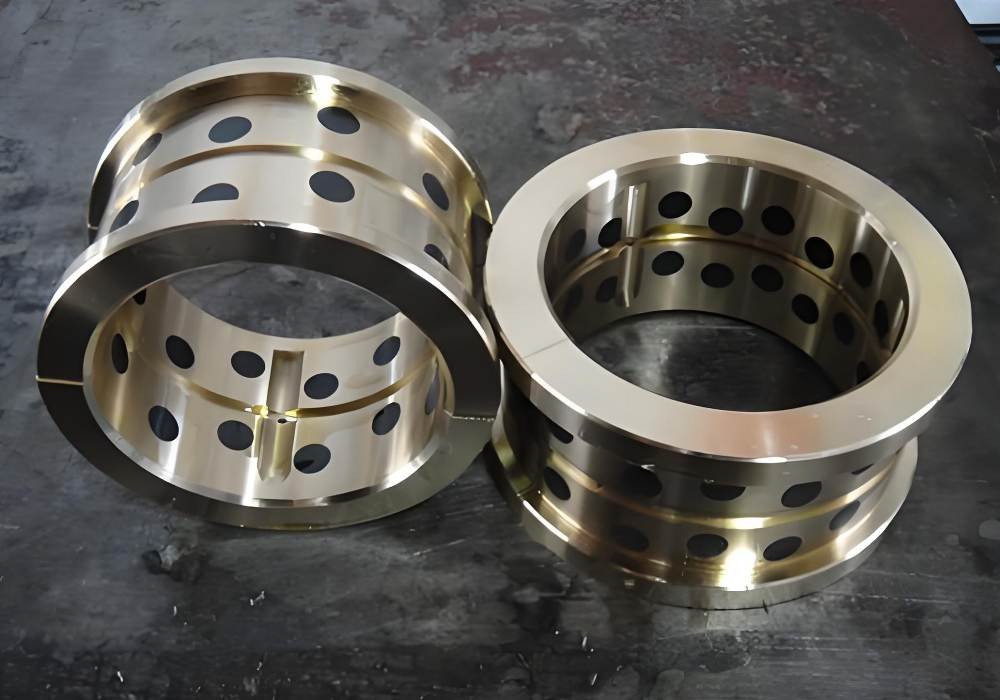
The key components of self-lubricating bearings include a structural backing that provides strength and a specialized sliding layer containing embedded solid lubricants. These bearings are engineered with microscopic reservoirs or a homogeneous material composition that gradually releases lubricating substances during operation. This innovative design allows the bearing to maintain low friction properties, simplifying machinery design and reducing maintenance requirements.
How Self-Lubricating Bearings Work
Understanding how self-lubricating bearings work requires a look into their internal structure and lubrication process. Self-lubricating bearings are designed to provide consistent performance without the need for external lubrication.
The Science Behind Self-Lubrication
The science behind self-lubrication involves a sophisticated material engineering approach where solid lubricants are strategically incorporated into the bearing structure. This results in a consistent release of lubricants during operation, reducing friction between moving parts.
Embedded Lubricants and Gradual Release Process
Self-lubricating bearings contain embedded lubricants within a special sliding layer. As the bearing operates, these lubricants are gradually released through tiny pores, ensuring a consistent lubrication process.
Running-in Surface Functionality
The “running-in” surface at the top of the sliding layer provides low-friction performance during startup. This surface allows for a gentle introduction to full lubrication, ensuring smooth operation from the beginning.
Types of Self-Lubricating Bearings
You can choose from multiple types of self-lubricating bearings, depending on your needs. The selection is based on the bearing’s composition, functionality, and the specific application it will be used for.
Composite Plain Bearings
Composite plain bearings are one of the most common types, featuring a multi-layer construction. They have a strong metal backing and a specialized low-friction inner layer containing lubricating materials. These bearings excel in high-load applications, making them ideal for heavy machinery and automotive uses.
Plastic Self-Lubricating Bearings
Plastic self-lubricating bearings are made from engineering polymers with lubricating additives. They offer corrosion resistance, lightweight construction, and excellent performance in wet environments.
Metal-Based Self-Lubricating Bearings
Metal-based self-lubricating bearings feature porous bronze or sintered metal structures impregnated with lubricants. They combine metal’s strength with continuous lubrication, making them suitable for high-temperature applications.
Materials Used in Self-Lubricating Bearings
The effectiveness of self-lubricating bearings relies heavily on the materials used in their construction. These bearings are designed to operate without external lubrication, making the choice of material critical for their performance and longevity.
Common Solid Lubricants
Solid lubricants are fine particles or microscopic platelets that reduce friction between surfaces. Common examples include PTFE (Teflon), Graphite, and Molybdenum Disulfide.
PTFE (Teflon)
PTFE stands out due to its exceptionally low coefficient of friction, chemical inertness, and ability to perform across a wide temperature range, making it one of the most widely used solid lubricants.
Graphite
Graphite is particularly effective at high temperatures, making it ideal for bearings used in applications like ovens or kilns where other lubricants might fail.
Molybdenum Disulfide
Molybdenum Disulfide offers superior performance under extreme pressure conditions. Its layered structure allows for easy shearing between surfaces while maintaining structural integrity.
Carrier Materials and Their Properties
Carrier materials provide the structural foundation for self-lubricating bearings. These include bronze, steel, and various engineering polymers, each selected based on specific requirements such as strength, temperature resistance, and chemical compatibility.
The combination of carrier materials and lubricating additives must be carefully engineered to ensure optimal performance across the intended operating conditions, including load, speed, temperature, and environmental factors.
Manufacturing of Self-Lubricating Bearings
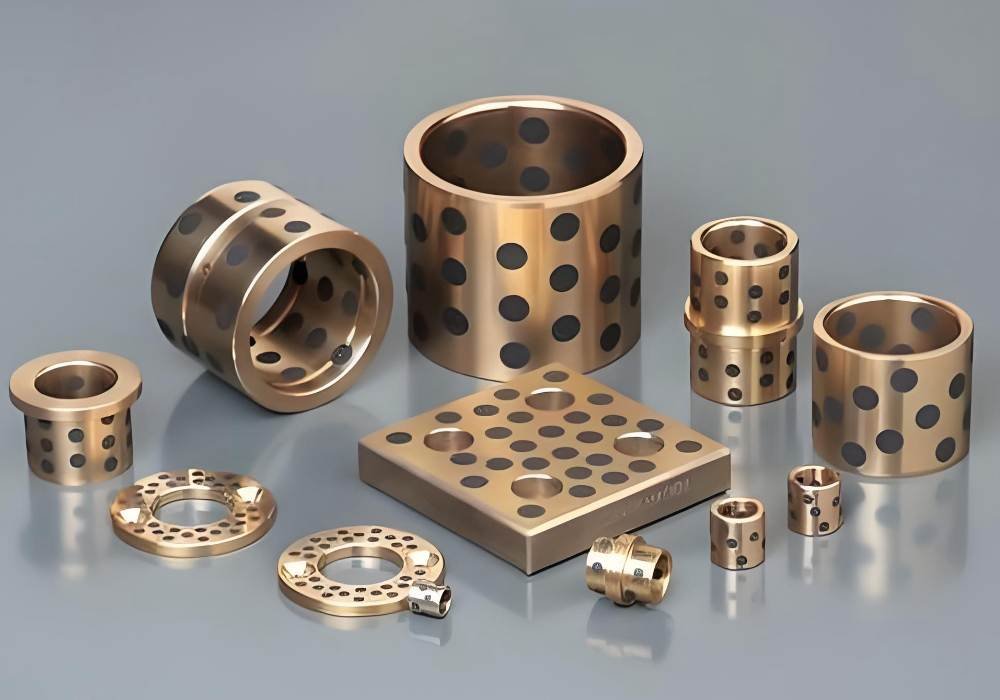
Manufacturing self-lubricating bearings requires a deep understanding of the materials and processes involved, as well as the ability to balance multiple factors to achieve optimal performance. The production process varies significantly depending on the type of bearing being manufactured.
Production Methods for Different Types of Self-Lubricating Bearings
Powder-Metallurgy Sintering
Producing self-lubricating bearings requires carefully engineered manufacturing methods, each tailored to the bearing’s structure, load capacity, and lubrication mechanism. Among the most widely used approaches, powder-metallurgy sintering remains foundational.
In this process, metal powders such as bronze or iron are pressed into shape and sintered at high temperature to create a porous structure. These interconnected pores are then vacuum-impregnated with lubricating oil, allowing the bearing to release lubricant during operation and reabsorb it during rest. This method is ideal for high-volume production and delivers consistent, maintenance-free performance.
Manufacturing of Composite Bearings
Composite bearings follow a different path, combining metal strength with polymer self-lubrication. A steel or bronze backing is first bonded with a porous bronze layer, which is then overlaid with PTFE or a PTFE-filled polymer. After sintering, the layered structure forms a durable, low-friction surface that performs exceptionally well in dry-running applications and corrosive environments.
Similarly, woven-fabric composite bearings use reinforced fibers—such as PTFE, polyester, or aramid—impregnated with resins and lubricants. These materials are heat-pressed to create a bearing that is both strong and highly wear-resistant, making them suitable for hydraulic, automotive, and heavy-duty mechanical systems.
CNC Machining of Graphite-Plugged Bronze Bearings
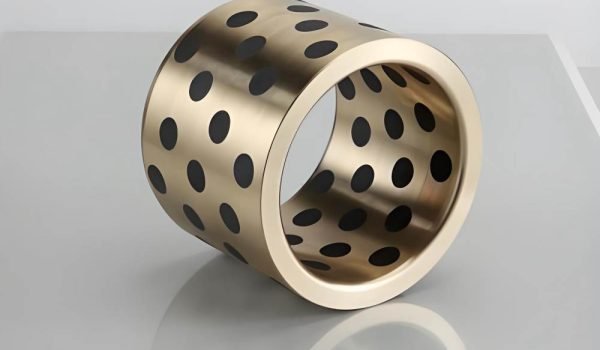
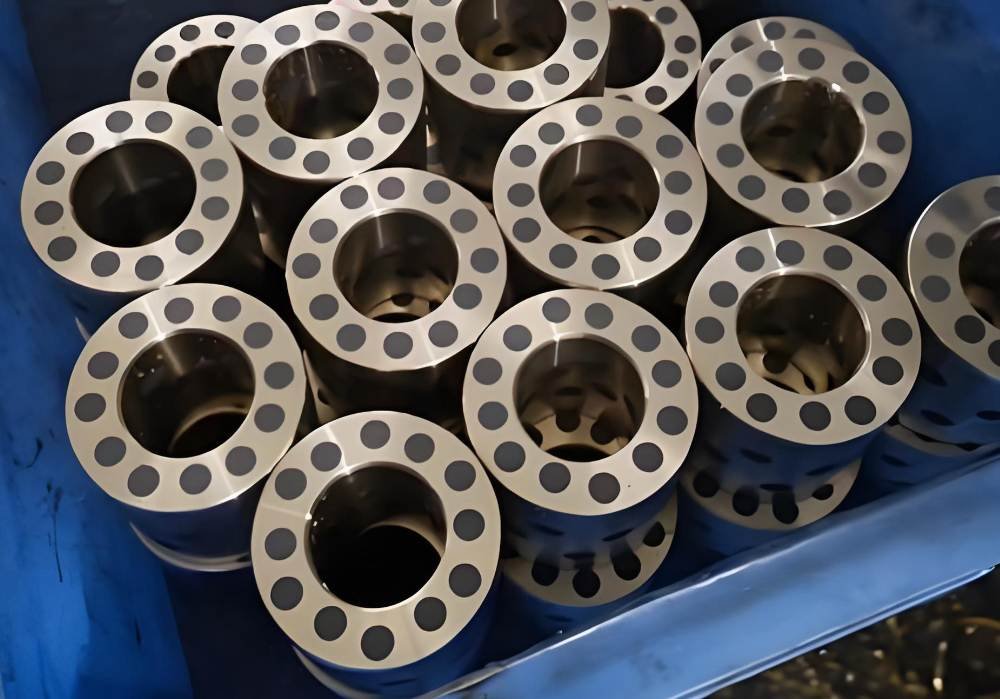
For applications requiring extreme load capability, graphite-plugged bronze bearings are produced by machining a solid bronze substrate and inserting graphite or MoS₂ plugs into pre-drilled holes or grooves. These solid lubricant plugs provide continuous lubrication even under high temperatures or slow, intermittent motion, making this method well suited for construction machinery, molds, and industrial equipment.
Plastic Molding Self-Lubricating Bearings
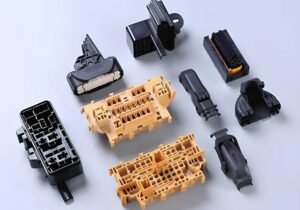
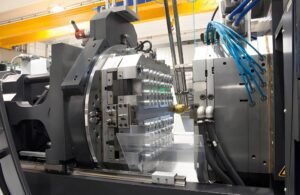
Polymer self-lubricating bearings take a more modern manufacturing route, using engineered plastics such as PEEK, PTFE blends, UHMW-PE, or nylon combined with solid lubricants. These formulations are injection-molded, extruded, or machined into final shapes. The resulting bearings offer excellent corrosion resistance, lightweight performance, and completely dry operation—ideal for food equipment, medical devices, and chemical environments.
Some applications require bearings made entirely of solid lubrication material, such as carbon-graphite or resin-bonded compounds. These bearings are molded, compressed, or sintered from materials that inherently contain lubricating phases, providing excellent performance in extreme temperatures, vacuum, or chemically aggressive conditions.
Across all these manufacturing methods, the common goal is to deliver bearings that operate reliably with minimal or zero external lubrication. By selecting the appropriate production technique, engineers can achieve optimal performance based on load, speed, temperature, and environmental conditions—ensuring long-lasting, efficient motion systems across a wide range of industries.
Quality Control Considerations
Quality control is critical during the manufacturing process to ensure that the bearings meet the required specifications. This involves testing for proper lubricant distribution, structural integrity, dimensional accuracy, and friction characteristics under various operating conditions. By implementing robust quality control measures, manufacturers can ensure that their self-lubricating bearings deliver consistent performance throughout their service life.
Advantages of Self-Lubricating Bearings
One of the key benefits of self-lubricating bearings is their ability to operate efficiently without the need for additional lubrication. This characteristic provides several advantages that make them an attractive option for various industrial applications.
Maintenance-Free Operation
Self-lubricating bearings offer maintenance-free operation, significantly reducing the need for periodic relubrication. This not only decreases maintenance schedules and labor costs but also eliminates the need for specialized equipment required for applying lubricants in hard-to-reach areas.
Cost-Effectiveness and Reduced Downtime
These bearings are cost-effective as they provide longer service life in challenging environments, reducing the frequency and cost of replacements. By minimizing downtime, self-lubricating bearings allow machinery to operate continuously, enhancing productivity.
Environmental Benefits
Self-lubricating bearings are more environmentally friendly as they eliminate the risk of lubricant leakage, making them ideal for clean room, food processing, and environmentally sensitive applications.
Performance in Extreme Conditions
They outperform traditional bearings in extreme conditions, including high temperatures and corrosive environments, by maintaining consistent friction properties and providing predictable performance.
Industries That Rely on Self-Lubricating Bearings
Self-lubricating bearings have become indispensable across multiple industries. These bearings offer significant advantages in terms of maintenance reduction and performance enhancement.
Aerospace Applications
In aerospace, self-lubricating bearings are critical for components in aircraft, satellites, and space vehicles. They withstand extreme temperatures and vacuum conditions, ensuring precise movement control.
Automotive Industry Uses
The automotive sector utilizes self-lubricating bearings in suspension systems, steering components, and seat mechanisms. They provide consistent performance while reducing vehicle weight and maintenance needs.
Industrial Machinery
Industrial machinery benefits from self-lubricating bearings in conveyor systems, packaging equipment, and food processing machinery. They eliminate the need for additional lubrication, reducing downtime.
Medical Equipment
In medical equipment, self-lubricating bearings are used in diagnostic machines, surgical equipment, and prosthetic devices. Their clean operation and precision movement are crucial for patient care.
Conclusion: The Future of Self-Lubricating Bearing Technology
Self-lubricating bearings are on the cusp of a revolution, driven by advancements in material science and technology. As you look to the future, ongoing research is focused on developing new bearing materials with enhanced performance characteristics and longer service life.
Fecision stands at the forefront of these developments as a reliable supplier for custom self-lubricating bearing manufacturing. By combining industry expertise with advanced production processes, you can benefit from tailored solutions that improve efficiency and reduce costs.