
Custom Insert Molding Services
Start your project now
ISO 9001: 2015 Certified Processes
ISO 14001: 2015 Certified Processes
ISO 45001: 2018 Certified
ISO 13485: 2016 Medical Device
IATF16949:2016 Automotive
Fecision's Insert Molding Solutions
What is Insert Molding?
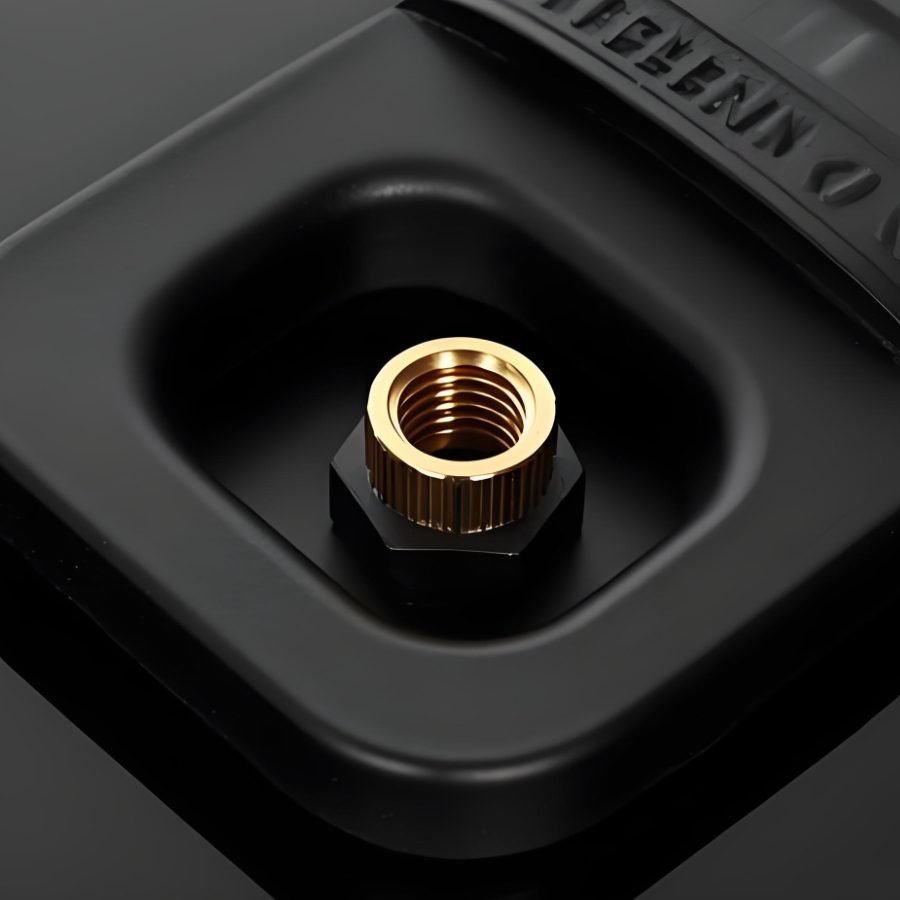
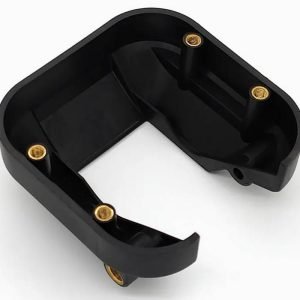
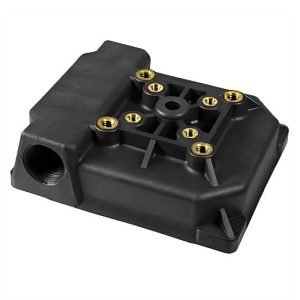
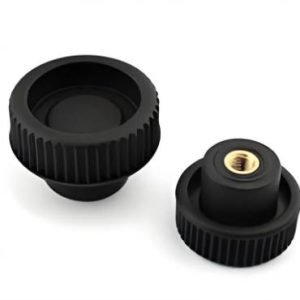
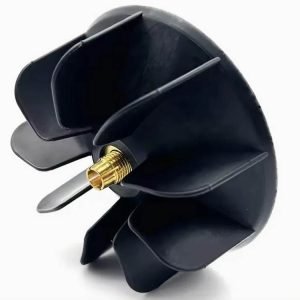
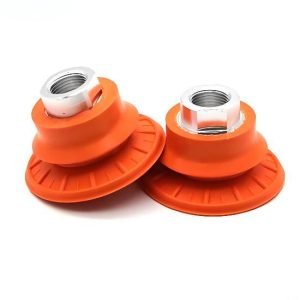
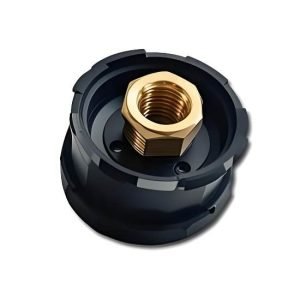
Insert molding is an injection molding process where pre-fabricated components (inserts) are placed into the mold cavity before plastic injection. As molten plastic flows around these inserts, it creates a strong bond, resulting in a single integrated part. This technique allows for combining different materials—typically metal and plastic—into one cohesive component.
Tooling for Insert Injection Molding
Rapid Tooling
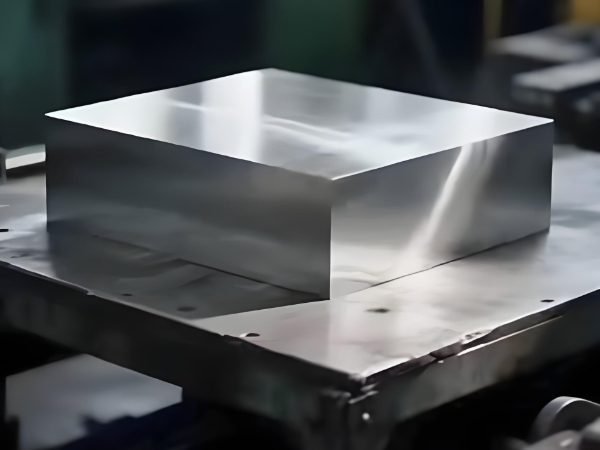
Validate your design before full-scale production with our prototype tooling service. We specialize in aluminum molds that balance speed, affordability, and functionality, enabling small-batch production of injection molding prototypes — typically tens to a few thousand parts.
This allows you to quickly test form, fit, function, material performance, and assembly. Aluminum shortens lead times and lowers tooling costs compared to steel, letting you iterate designs faster with reduced risk.
Production Tooling
Our production molds deliver the durability and precision needed for reliable high-volume plastic parts production. We build high-quality steel molds engineered for long service life, tight tolerances, and consistent quality across hundreds of thousands or millions of parts.
You can benefit from our expertise in material selection, cooling optimization, gate design, ejection strategy, and parting-line engineering—tailored to your resin, geometry, cycle time, and volume targets.
Tooling Materials
The mold tooling used in insert molding must withstand high pressures and temperatures while maintaining precise dimensions. Our tooling options include:
Aluminum
Cost-effective option for prototyping and low-volume production
Stainless Steel
Corrosion-resistant for molding aggressive materials.
Standard production tooling with excellent durability and moderate cost.
P20 Tool Steel
H13 Tool Steel
Heat-treated for extended life in high-volume applications.
Superior heat dissipation for thermally sensitive applications
Beryllium Copper
Materials for Insert Molding
Insert Molded Part Materials
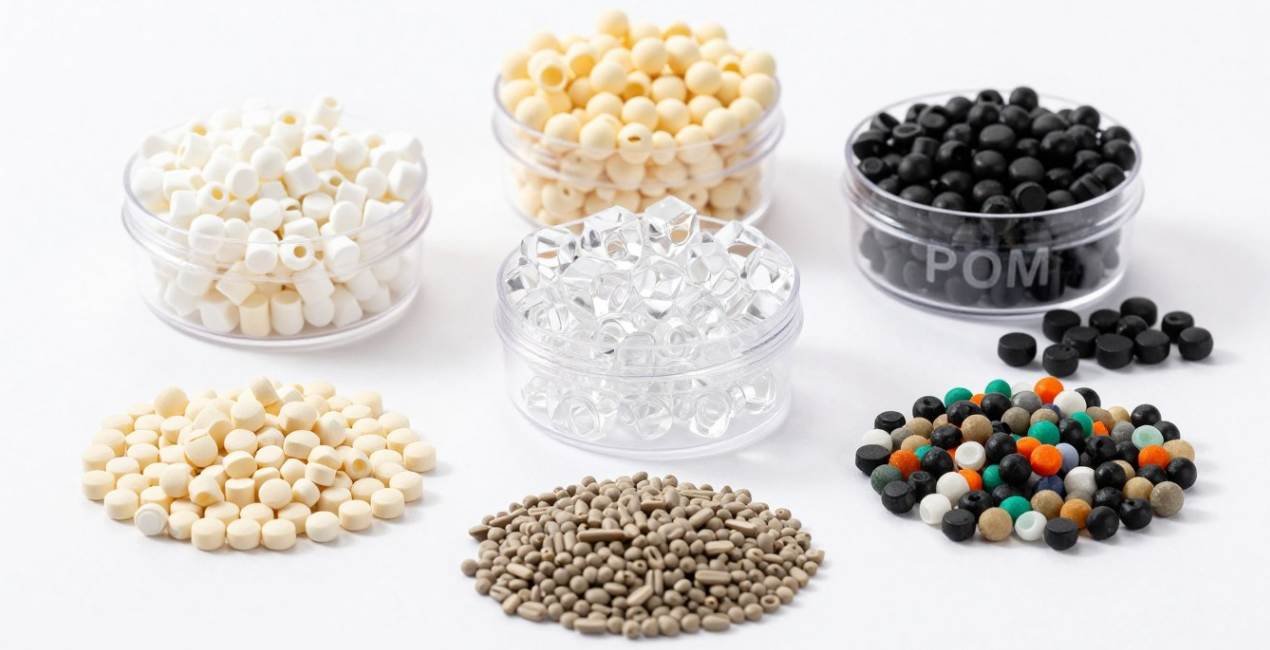
| Material | Properties | Common Applications |
| ABS | Impact resistant, good surface finish | Consumer electronics, automotive components |
| Polycarbonate (PC) | Optical clarity, high impact strength | Medical devices, electrical housings |
| Nylon (PA6, PA66) | High strength, wear resistance | Gears, bearings, structural components |
| POM (Acetal) | Low friction, dimensional stability | Precision mechanical parts, fasteners |
| TPE/TPU | Flexibility, soft touch | Overmolded grips, seals, gaskets |
Insert Materials
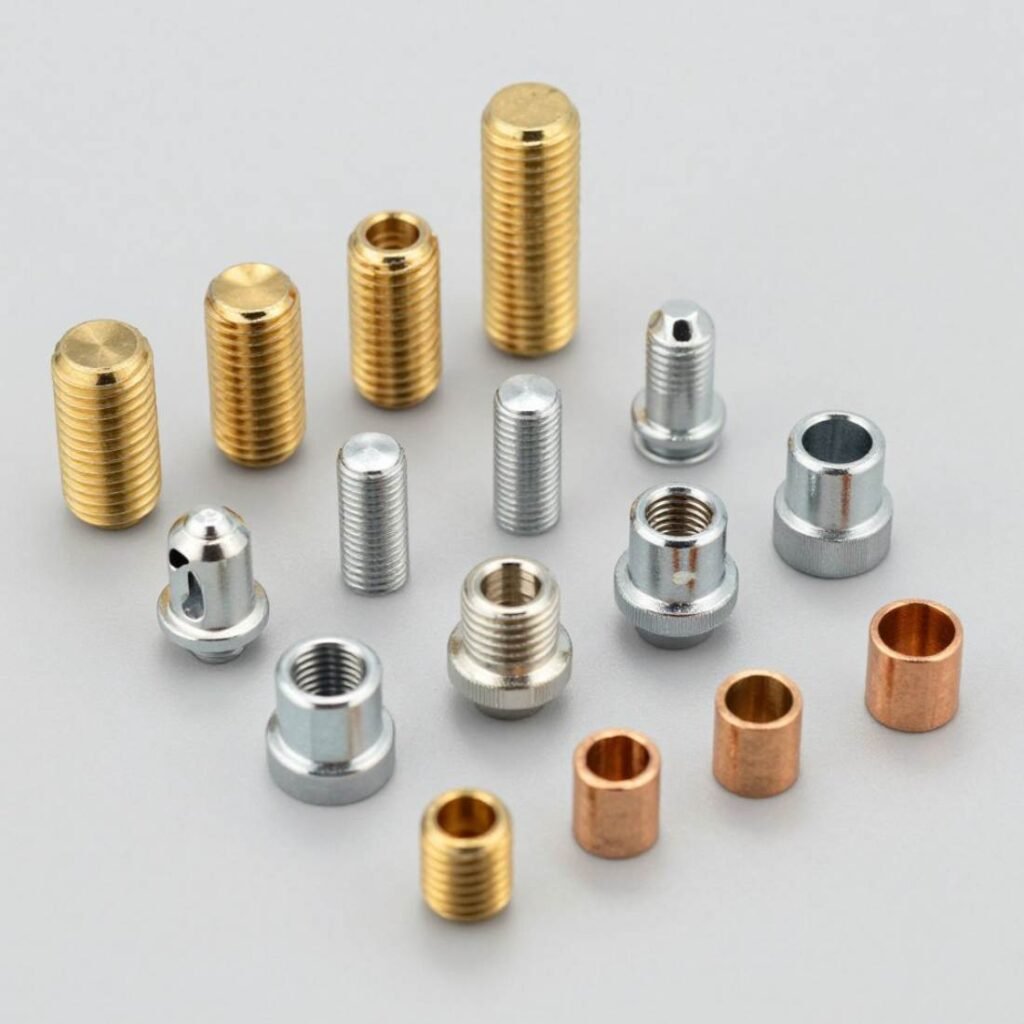
The insert component provides specific properties that complement the plastic material. Common insert materials include:
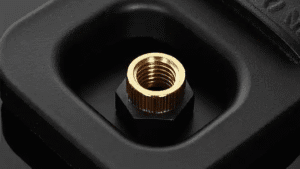
- Brass – Excellent for threaded inserts due to machinability and corrosion resistance
- Stainless Steel – Superior strength and corrosion resistance for structural applications
- Aluminum – Lightweight option with good thermal conductivity
- Copper – Optimal electrical conductivity for electronic applications
- Pre-molded Plastic – Used when combining different plastic types with incompatible processing temperatures
- Ceramic – Provides electrical insulation and heat resistance
Insert Molding Technologies
Our professional insert molding facility offers comprehensive capabilities to handle projects of varying complexity and scale.
Let's see our technical parameters to help you determine if your project aligns with our manufacturing capabilities.
| Parameter | Capability | Notes |
| Machine Tonnage | 25 – 500 tons | Accommodates small precision parts to large components |
| Shot Size | Up to 1000g | Varies by material and machine selection |
| Part Dimensions | Up to 500mm x 500mm x 200mm | Larger parts may require special consideration |
| Insert Placement | Manual and automated | Automated for high-volume production |
| Tolerances | ±0.05mm (material dependent) | Tighter tolerances available for critical features |
| Insert Types | Threaded, non-threaded, pins, bushings, electronics | Custom insert designs accommodated |
Design for Manufacturability in Insert Molding
Optimizing your design for the insert molding process can significantly improve part quality while reducing costs and production time.
Our engineering team provides comprehensive DFM support to ensure your components are designed for successful manufacturing.
Discuss Your Technical Requirements
Our engineering team can help you determine the optimal parameters for your insert
Common Insert Molding Design Guide
Insert shifting during injection
Poor bonding between insert and plastic
Stress cracking around inserts
Incomplete filling around complex inserts
Utilize Inherent Benefits
Advantages of Plastic Insert Molding
Insert molding combines metal inserts with plastic in one efficient step, offering numerous benefits compared to traditional assembly methods.
Reduced Assembly Costs
By integrating multiple components into a single part, insert molding eliminates secondary assembly operations, reducing labor costs and production time, especially compared to traditional assembly methods.
Enhanced Structural Integrity
The molded plastic forms a permanent bond with the insert, creating a stronger connection than mechanical fasteners. This results in improved durability, better load distribution, and enhanced resistance to vibration and impact.
Design Flexibility
Insert molding allows for complex geometries and integration of multiple functions into a single component. This design freedom enables innovative solutions that would be difficult or impossible to achieve with conventional manufacturing methods.
Improved Reliability
With fewer connection points and assembly interfaces, insert-molded parts have fewer potential failure points. This increased reliability is particularly valuable in critical applications where component failure could lead to system downtime or safety concerns.
Size and Weight Reduction
By eliminating fasteners and combining components, insert molding creates more compact and lightweight parts. This weight reduction is especially beneficial in automotive and aerospace applications where every gram matters for fuel efficiency.
Environmental Benefits
The reduction in parts, elimination of assembly steps, and material optimization contribute to a smaller environmental footprint. Insert-molded components often require less energy to produce and can be designed for easier recycling at end-of-life.
Insert Molding Service for Various Industries
Insert Molding Applications
Automotive
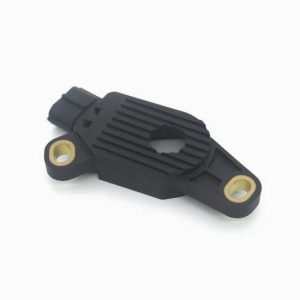
Sensor housings with integrated mounting points
Under-hood components requiring thermal stability
Interior trim with threaded fastening points
Gear systems with metal reinforcement
Medical Devices
Drug delivery devices with precise components
Diagnostic equipment with embedded electronics
Implantable devices requiring biocompatibility
Medical connectors with reliable contacts
Consumer Electronics
Headphone jacks and audio components
Remote controls with integrated circuit boards
Power supply housings with thermal management
Wearable device components with sensors
Industrial Equipment
Bearing housings with metal inserts
Pump components
Electrical enclosures with integrated mounting features
Telecommunications
Network equipment with EMI shielding
Fiber optic connectors with precise alignment
Mobile device components with integrated features
Aerospace
Electrical connectors
Interior components with flame-retardant properties
Control systems with precise tolerances
Insert Molded Parts
Let's Start!
Take the next step towards realizing your high-performance Liquid Silicone Rubber components.
Insert Molding FAQs
We commonly work with brass terminals, threaded inserts, electrical contacts, metal pins, bushings, shafts, magnets, screws, and custom metal stampings. Virtually any metal insert that can withstand injection pressure can be used.
We use proper insert surface preparation (knurling, texturing, or coating), optimized material selection, precise mold temperature control, controlled injection parameters, and sometimes mechanical features (undercuts or grooves) on the insert.
Yes. Many projects combine both techniques — for example, insert molding a metal terminal and then overmolding a second material (soft-touch TPE) in a two-shot process.
We support prototype and low-volume runs (50–5,000 pcs) using aluminum tooling, and high-volume production (50,000+ pcs) with hardened steel molds. We’re flexible and happy to scale with your project.
Prototype tooling (aluminum) usually takes 2–4 weeks; production tooling (steel) takes 4–8 weeks depending on complexity. First samples are delivered shortly after tool completion.
Related Resources

Mold Design for Insert Molding: A Detailed Guideline
Stop scrapping parts due to poor design. Master insert molding rules, material compatibility, and key geometry to build reliable, high-strength metal-plastic components efficiently.
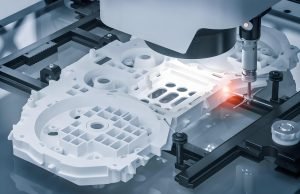
Overmolding vs Insert Molding: What’s the Difference?
Discover the key differences between overmolding vs insert molding—two essential injection molding techniques for manufacturing. Learn their unique features, applications, and benefits to optimize your production process.
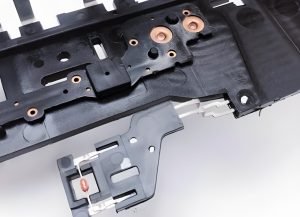
What Is Insert Molding?
Insert Molding is an injection molding process where pre-manufactured inserts are placed into the mold before injecting molten plastic. After cooling, the inserts and plastic bond together to form an integrated part.