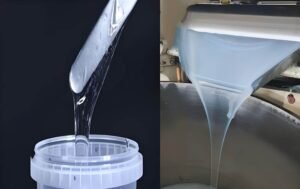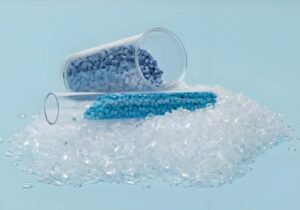
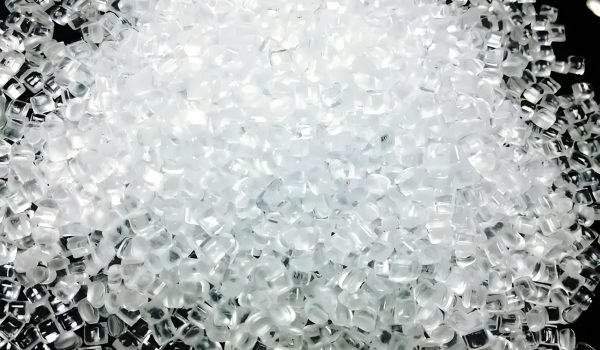
The melting point of polycarbonate typically ranges between 295°C to 315°C, but this can vary depending on factors like thickness, grade, and formulation. As an amorphous material, polycarbonate’s transition from solid to liquid state differs from many other plastics.
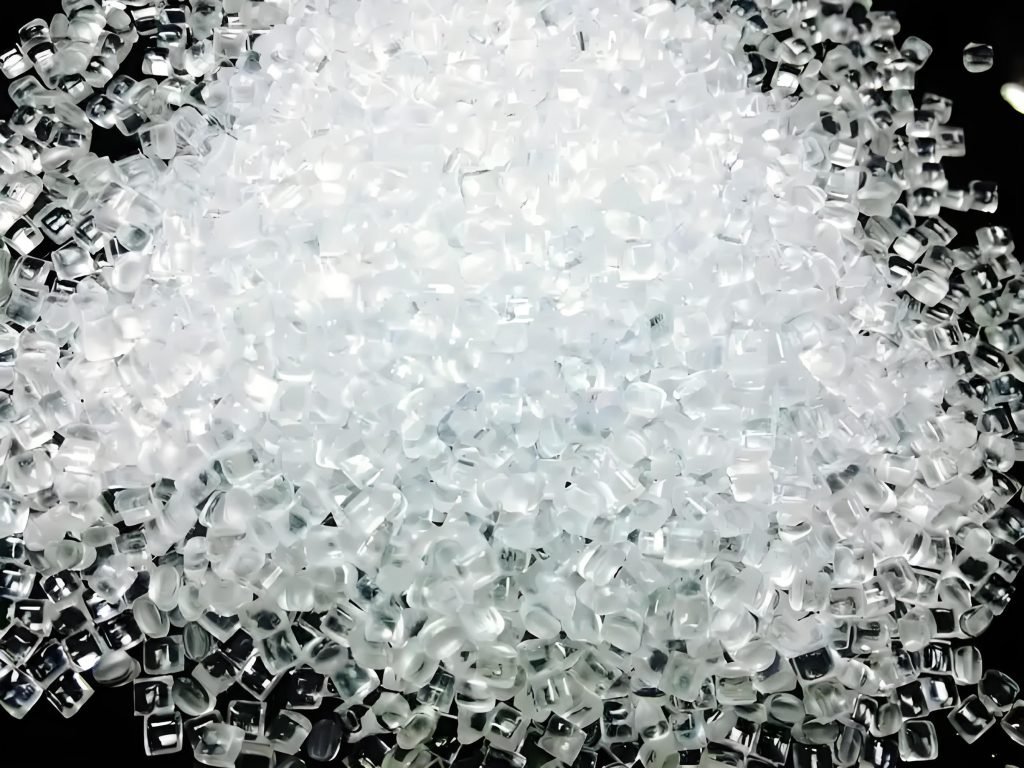
Understanding the thermal properties of polycarbonate is essential for proper processing and application selection. By knowing how this material behaves under different conditions, you can avoid processing issues and ensure your final product meets the required performance specifications.
The Science Behind Polycarbonate Melting Point
To grasp the concept of polycarbonate’s melting point, it’s essential to explore the material’s inherent characteristics and how they respond to temperature changes. You will gain a deeper understanding of why polycarbonate is a preferred choice in various engineering applications.
What Is Polycarbonate?
Polycarbonate (PC) is a group of thermoplastic polymers that contain carbonate groups in their chemical structures. Developed in the 1950s, polycarbonates are strong, tough materials, with some grades being optically transparent. As an amorphous material rather than crystalline, polycarbonate’s melting behavior and transition from solid to liquid state are significantly affected.
Defining Melting Point vs. Glass Transition Temperature
The distinction between melting point and glass transition temperature is crucial for understanding polycarbonate processing. Unlike crystalline polymers that have defined melting points, amorphous polycarbonate has a glass transition temperature (Tg) of approximately 147°C, where it begins to soften. This characteristic influences how polycarbonate is processed and applied in various industries.
Polycarbonate’s Thermal Properties
Polycarbonate’s thermal properties include excellent heat resistance, with a heat deflection temperature between 128-138°C at 1.8 MPa and the ability to withstand continuous use temperatures up to 115-130°C. The polymer’s molecular structure, featuring rigid carbonate groups and aromatic rings, contributes to its high thermal stability and relatively high processing temperatures compared to other engineering thermoplastics.
Polycarbonate Melting Point: Technical Specifications
To effectively process polycarbonate, you need to understand its melting point and other thermal properties. The technical specifications of polycarbonate’s melting point are crucial in determining its suitability for various manufacturing processes and end-use environments.
Standard Melting Point Range
The standard melting point range for polycarbonate typically falls between 295-315°C (563-599°F), although this can vary slightly depending on the specific grade, molecular weight, and additives present in the formulation. Technical data sheets for polycarbonate materials often specify processing temperature ranges rather than exact melting points due to the amorphous nature of the polymer and its gradual softening behavior.
Glass Transition Temperature (Tg)
The glass transition temperature (Tg) of polycarbonate is approximately 147°C (297°F), marking the point where the material transitions from a rigid, glassy state to a more flexible, rubbery state before reaching its flow temperature. Understanding Tg is essential for processing polycarbonate sheets and parts, as it defines the temperature windows for various manufacturing processes.
Heat Deflection Temperature
Heat deflection temperature (HDT) is a critical specification for polycarbonate, measuring 137°C at 0.45 MPa and 128-138°C at 1.8 MPa. HDT indicates the temperature at which a standard test bar deflects under a specified load, determining polycarbonate’s performance in high-temperature applications and its resistance to thermal deformation under load.
Understanding these technical specifications is vital for manufacturers to design molds, set processing parameters, and determine the suitability of polycarbonate for specific end-use environments. The relationship between these thermal properties determines polycarbonate’s performance and resistance to thermal deformation.
Factors Influencing Polycarbonate’s Melting Point
Understanding the factors that affect polycarbonate’s melting point is crucial for optimizing its processing and application. The melting behavior of polycarbonate is influenced by its inherent properties as well as external conditions.
Molecular Weight and Structure
The molecular weight of polycarbonate significantly impacts its melting behavior. Higher molecular weight grades have higher melt viscosity and require higher processing temperatures, but they offer superior mechanical properties and impact resistance. The arrangement of carbonate groups and aromatic rings in the polymer’s molecular structure directly influences its thermal stability and melting characteristics.
Additives and Fillers
Additives and fillers incorporated into polycarbonate formulations can substantially alter the material’s melting point and flow behavior. Flame retardants, UV stabilizers, and impact modifiers each affect thermal properties differently. For instance, glass fiber reinforcement, commonly added to enhance strength, increases the heat deflection temperature but can make processing more challenging by raising the effective melting viscosity.
Environmental Conditions
Environmental conditions during processing, particularly moisture content, critically affect polycarbonate’s melting behavior. Even small amounts of moisture can cause hydrolytic degradation during melting. The thickness of polycarbonate sheet products also influences heat distribution and cooling rates during processing, requiring adjustments to temperature parameters for optimal results.
Why Melting Point Matters in Manufacturing
The melting point of polycarbonate is a critical factor that affects the manufacturing process, from injection molding to extrusion and thermoforming. You need to understand how the melting point influences various manufacturing processes to produce high-quality polycarbonate products.
Injection Molding Considerations
For injection molding, precise temperature control between 280-320°C is necessary to achieve optimal flow properties without causing thermal degradation. You must maintain mold temperatures between 85-120°C to ensure proper filling, packing, and crystallization behavior. This temperature range is significantly higher than that used for many other thermoplastics, requiring specialized equipment.
Extrusion Processing Requirements
Extrusion processing of polycarbonate requires careful consideration of its melting point to maintain consistent material flow through the die. You should avoid overheating, which can lead to polymer degradation and yellowing. By controlling the temperature, you can produce high-quality extruded products, such as tubes, rods, and sheets.
Thermoforming Applications
In thermoforming applications, you need to heat polycarbonate sheets to just below their melting point, typically between 170-190°C. This temperature range allows for sufficient pliability without material sagging or degradation. By understanding the melting point, you can optimize the thermoforming process to produce high-quality, complex shapes.
How Melting Point Affects Polycarbonate Performance
You need to consider the melting point of polycarbonate to ensure it meets the performance requirements of your specific application. The melting point significantly influences the material’s behavior under various temperature conditions.
Temperature Resistance in Various Applications
Polycarbonate’s high melting point directly translates to exceptional temperature resistance in end-use applications. It maintains structural integrity in environments where other plastics would deform or fail. The material’s heat resistance properties enable it to withstand continuous use at temperatures up to 130°C (266°F) and short-term exposure to even higher temperatures without significant degradation.
Impact on Mechanical Properties
The relationship between melting point and mechanical properties is evident in polycarbonate’s ability to maintain its impact strength and rigidity at elevated temperatures. This characteristic makes it ideal for precision components in automotive and electronic applications where dimensional stability under fluctuating temperature conditions is crucial.
Long-term Stability and Aging
The high melting point of polycarbonate correlates with its resistance to thermal aging, allowing products to maintain their performance characteristics over extended periods even when exposed to moderate heat. Understanding the relationship between processing temperatures and final performance is crucial for optimizing polycarbonate formulations for specific applications with different thermal requirements.
Critical Applications Requiring Precise Melting Point Control

Precise control over polycarbonate’s melting point is vital for its use in demanding applications. The material’s performance under various conditions is crucial for industries that rely on its strength, impact resistance, and heat resistance.
Automotive and Aerospace Components
In the automotive industry, polycarbonate is used for manufacturing headlamp lenses and interior components that must withstand high temperatures while maintaining optical clarity and impact resistance. Aerospace applications utilize polycarbonate sheets in cockpit canopies, where the material’s lightweight properties, impact strength, and heat resistance are critical for safety and performance.
Electronic and Electrical Applications
Electronic and electrical applications depend on polycarbonate’s high melting point and excellent electrical insulation properties. Components made from polycarbonate must maintain dimensional stability and electrical characteristics even when operating at elevated temperatures, making precise melting point control essential.
Medical and Safety Equipment
The medical industry leverages polycarbonate’s biocompatibility and ability to withstand sterilization temperatures in equipment housings and diagnostic devices. Safety equipment such as protective eyewear and face shields benefit from polycarbonate’s high impact resistance and ability to withstand temperature extremes without compromising protective capabilities.
These critical applications necessitate strict quality control of polycarbonate’s melting characteristics during manufacturing to ensure consistent performance in the field. By controlling the melting point, manufacturers can ensure that polycarbonate components meet the required standards for safety, strength, and resistance to environmental factors.
Challenges in Processing Polycarbonate Due to Its Melting Properties
Processing polycarbonate presents several challenges due to its unique melting properties. You need to be aware of these challenges to ensure successful manufacturing. The material’s characteristics require careful handling and precise control during the processing stage.
Moisture Sensitivity
Polycarbonate is extremely sensitive to moisture, which can cause hydrolytic degradation during melting. This results in reduced molecular weight and compromised mechanical properties. To mitigate this, manufacturers must thoroughly dry the material before processing, typically at 120°C for 2-4 hours, to reduce moisture content below 0.02%.
Thermal Degradation Concerns
Thermal degradation of polycarbonate occurs at temperatures above 320-330°C, leading to yellowing, reduced mechanical properties, and the release of volatile compounds. This can cause surface defects in molded parts. You must maintain precise temperature control to avoid these issues.
Processing Window Limitations
The relatively narrow processing window of polycarbonate requires careful temperature management. Temperatures that are too low result in incomplete melting and poor flow, while temperatures that are too high lead to thermal degradation and discoloration. This narrow window demands precise control throughout the manufacturing process.
Conclusion:
Polycarbonate’s unique thermal properties, particularly its melting point range of 295-315°C and glass transition temperature of approximately 147°C, make it a standout choice for demanding applications across industries like automotive, aerospace, electronics, and medical equipment. By understanding and precisely controlling its melting behavior, manufacturers can unlock the material’s full potential, ensuring high-quality products with exceptional strength, impact resistance, and thermal stability.
Despite challenges like moisture sensitivity and a narrow processing window, careful management of these factors enables polycarbonate to outperform many other engineering plastics. Whether you’re designing precision components or robust safety equipment, leveraging polycarbonate’s thermal characteristics ensures reliable performance in even the most challenging environments. For further insights into optimizing polycarbonate processing or selecting the right material for your project, explore additional resources or consult with material experts to make informed decisions.
FAQ
The glass transition temperature is the temperature at which polycarbonate transitions from a glassy, brittle state to a more rubbery, flexible state, whereas the melting point is the temperature at which it transitions from a solid to a liquid state.
Factors such as molecular weight, additives, fillers, and environmental conditions can all impact the melting point of polycarbonate, making it essential to consider these factors in manufacturing processes.
Understanding the melting point is crucial in injection molding as it directly affects the processing conditions, such as temperature and pressure, required to produce high-quality parts.
The melting point affects the temperature resistance, mechanical properties, and long-term stability of polycarbonate, making it a critical consideration in applications such as automotive, aerospace, and medical equipment.
Applications such as automotive and aerospace components, electronic and electrical applications, and medical and safety equipment require precise melting point control to ensure optimal performance and reliability.