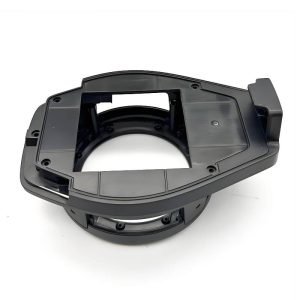
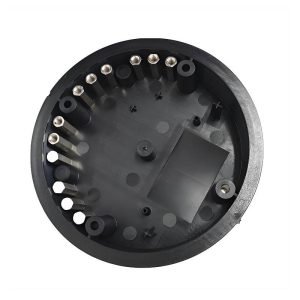
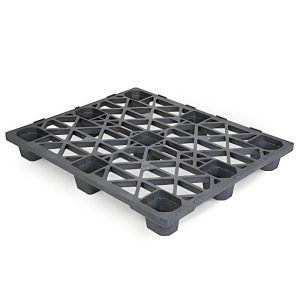
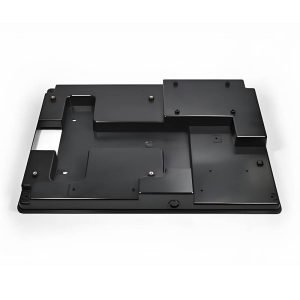
Large Part Injection Molding Services

Large part injection molding demands specialized equipment, technical expertise, and precise process control. When your project requires oversized plastic components, choosing the right manufacturing partner makes all the difference.

Our comprehensive capabilities address every aspect of high-tonnage injection molding production to enable production of substantial components that meet exacting quality standards.

Start Your Project Now

ISO 9001: 2015 Certified Processes

ISO 14001: 2015 Certified Processes

ISO 45001: 2018 Certified

ISO 13485: 2016 Medical Device

AS 9100 Aerospace

Large Part Injection Molding Services

Large Part Injection Molding

Large part injection molding produces oversized plastic components through specialized manufacturing processes. This technique uses high-tonnage injection molding machines capable of generating substantial clamping force.

Components qualify as large parts when they exceed standard injection molding size parameters. Typical large parts measure over 24 inches in any dimension or weigh more than 5 pounds.

Unlike standard injection molding, which typically focuses on smaller parts, this method requires advanced equipment, high-capacity molds, and carefully controlled processing conditions to handle larger volumes of material. Industries such as aerospace, construction, and consumer goods rely on large part injection molding to create durable, lightweight components that would be difficult or costly to manufacture using alternative methods.

Our Large Part Injection Molding Capabilities

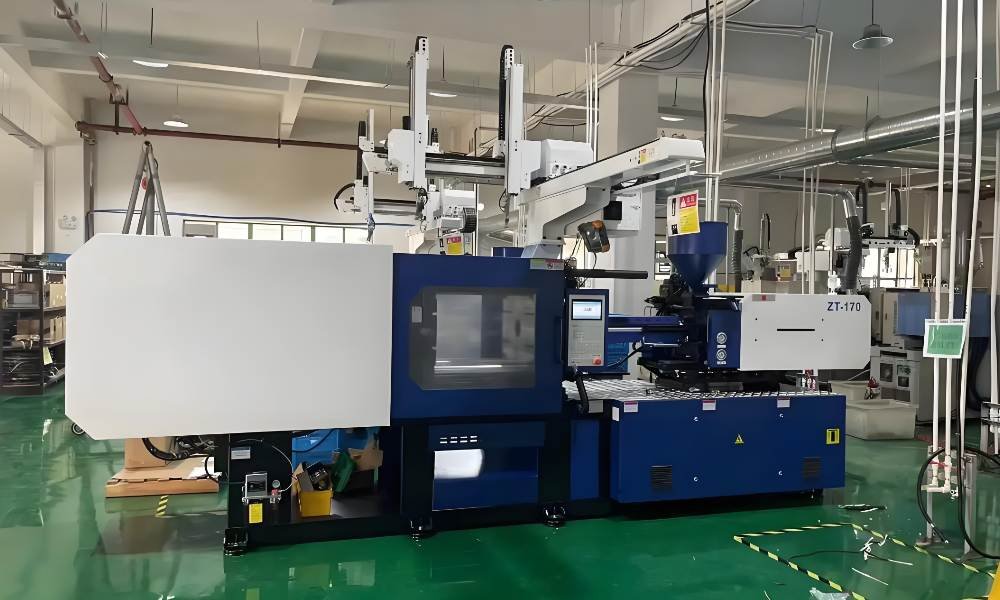
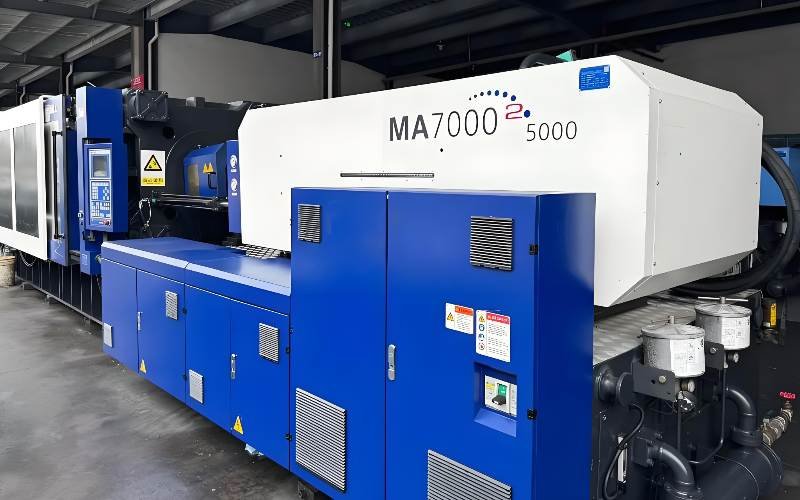
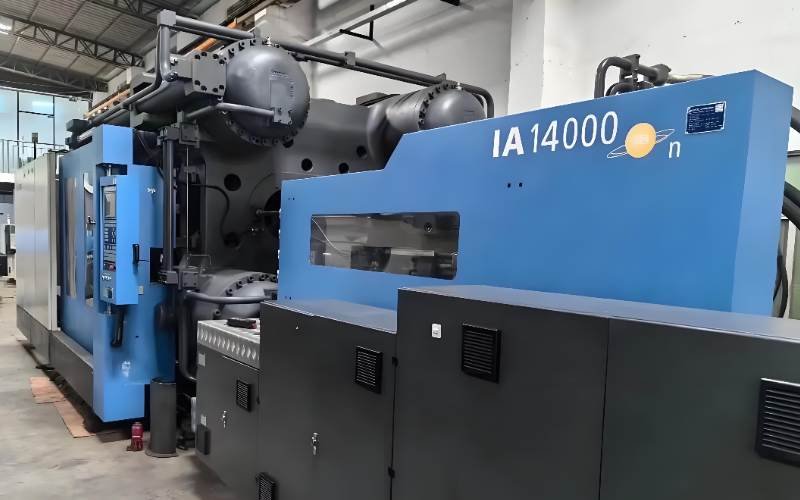
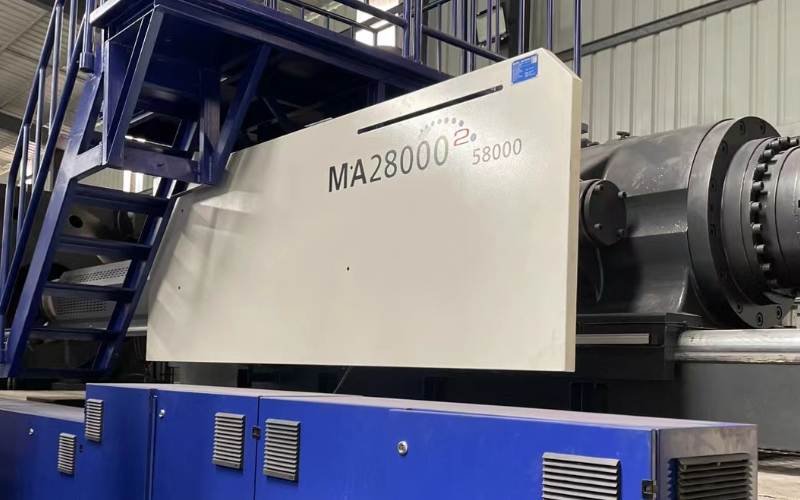
Our facility houses advanced injection molding machines designed specifically for large part production.
We operate presses ranging from 500 to 3000 tons of clamping force. This extensive equipment lineup enables us to handle diverse project requirements.

Press Capacity Range

Our injection machines provide the necessary tonnage for parts or components of various sizes and complexity levels.

  • 500-ton to 3000-ton presses available
  • Shot sizes up to 400 ounces
  • Platen sizes accommodating large molds
  • Tie bar spacing for oversized parts

Technical Expertise

Our engineering team brings decades of experience in large part injection molding processes and troubleshooting.

  • Mold design optimization support
  • Process parameter development
  • Material selection guidance
  • Quality assurance protocols

Quality Systems

We maintain comprehensive quality management systems ensuring consistent large part production excellence.

  • ISO 9001 certified processes
  • Statistical process control implementation
  • First article inspection procedures
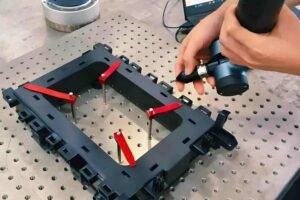
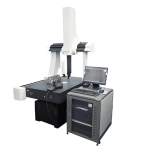
  • Dimensional verification equipment
large part injection molding services-Size Specifications

Size Specifications

Large part dimensions typically exceed conventional molding capabilities and require specialized equipment.

  • Parts exceeding 24 inches in length
  • Components weighing 5+ pounds
  • Surface areas over 500 square inches
  • Wall thickness variations up to 0.5 inches
large part injection molding services-Equipment Requirements

Equipment Requirements

Manufacturing large plastic parts demands substantial machinery and advanced process control systems.

  • Injection machines with 500+ ton capacity
  • Large tonnage presses for clamping force
  • Precision temperature control systems
  • Automated handling equipment for part removal

Quality Standards

Large part production maintains rigorous quality control throughout the molding process and inspection phases.

  • Dimensional accuracy verification
  • Surface finish inspection protocols
  • Material property testing
  • Warpage and shrinkage measurement
large part injection molding services-Production Benefits

Production Benefits

Large part injection molding offers benefits over alternative manufacturing methods and assembly processes.

  • Single-piece construction eliminates assembly
  • Consistent part-to-part repeatability
  • Complex geometry integration capability
  • Reduced labor and assembly costs

Materials for Injection Molded Large Parts

Material selection significantly impacts the performance and cost of large plastic parts.
We work with a comprehensive range of engineering plastics and commodity resins. Each material offers distinct properties suited to specific applications.

Material TypeKey PropertiesTypical ApplicationsProcessing Temperature
Polypropylene (PP)Chemical resistance, flexibility, low densityAutomotive components, containers, industrial parts180-240°C
Polyethylene (PE)Impact strength, moisture resistance, durabilityStorage tanks, outdoor equipment, pallets160-220°C
ABSToughness, surface finish, dimensional stabilityAutomotive interiors, housings, enclosures200-250°C
PC (Polycarbonate)High impact strength, clarity, heat resistanceSafety components, lighting, medical devices280-320°C
Nylon (PA)Wear resistance, strength, thermal stabilityGears, bearings, structural components250-290°C
Glass-Filled CompositesEnhanced stiffness, reduced shrinkage, strengthHeavy-duty industrial parts, structural elementsVaries by base resin

Material Selection Considerations

Choosing the right plastic material involves evaluating mechanical requirements, environmental conditions, and production costs. Our material experts provide detailed analysis and recommendations based on your specific application needs and performance criteria.

Discuss Your Material Requirements

Our materials engineering team can recommend the optimal plastic for your large part application. We consider performance, cost, and processing characteristics to ensure project success.

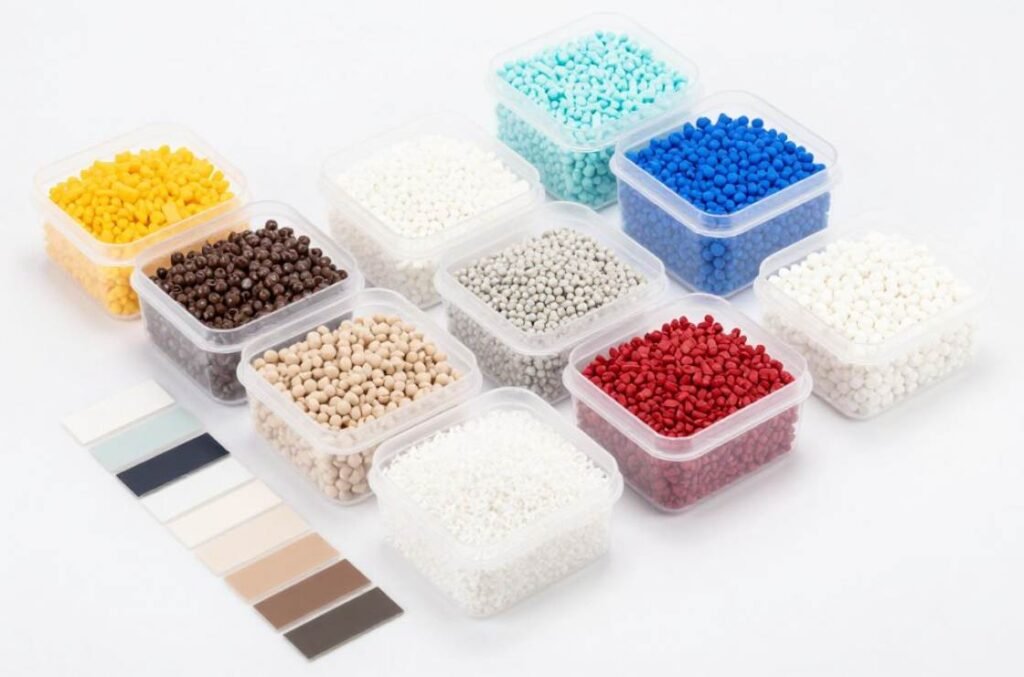
large part plastic injection molding materials and plastic resin pellets

Large Part Injection Molding Processes

The molding process for large parts requires careful attention to multiple variables. Temperature control, injection pressure, and cooling time all impact final part quality.
Our process begins with material preparation and continues through part ejection. Each step follows proven protocols developed through years of production experience.

Material Drying and Preparation

Plastic resins undergo thorough drying to eliminate moisture that could compromise part quality. Material handling systems deliver consistent feedstock to injection machines.

Packing and Holding

Additional material is packed into the cavity to compensate for shrinkage. Holding pressure maintains part density during initial cooling.

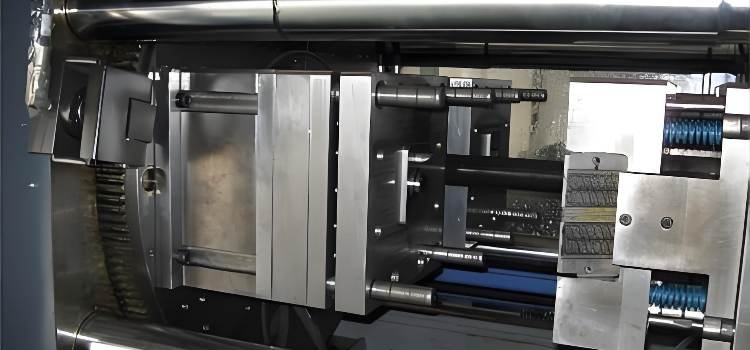
Mold Heating and Setup

Molds are preheated to optimal temperatures before production begins. Temperature zones are verified across the entire mold surface.

Cooling Cycle

Parts cool within the mold for extended periods due to their substantial mass. Cooling channels maintain uniform temperature distribution.

Injection Phase

Molten plastic material is injected into the mold cavity under controlled pressure. Injection speed and pressure profiles are optimized for large part geometry.

Part Ejection

Automated systems safely remove finished components from molds. Ejection mechanisms are designed to prevent part distortion or damage.

Quality Verification

Each part undergoes inspection to confirm dimensional accuracy and surface quality. Non-conforming components are identified and segregated.

Customization Options for Large Part Injection Molding

Large part injection molding accommodates extensive customization to meet precise specifications. Design flexibility enables integration of complex features and functional requirements.
Our engineering capabilities support various customization approaches. These options enhance part functionality while maintaining manufacturing efficiency.

Design Features

  • Multi-cavity mold configurations for increased output
  • Insert molding for metal component integration
  • Overmolding for soft-touch surfaces and grips
  • Thin wall molding for weight reduction
  • Textured surfaces and cosmetic finishes
  • Threaded features for assembly components
  • Living hinges for movable sections
  • Undercuts using side-action mechanisms

Surface Treatments

  • Texture application for aesthetics and grip
  • High-gloss polished finishes
  • Matte and satin surface options
  • Custom color matching and pigmentation
  • UV-resistant coatings for outdoor use
  • Anti-microbial surface treatments

Advanced Manufacturing Techniques

Specialized molding processes expand design possibilities for large components. These techniques address specific engineering challenges and functional requirements.

Gas Assist Injection Molding

Gas assist technology reduces material usage and cycle time. Nitrogen gas creates hollow sections within thick-walled parts. This process minimizes sink marks and warpage while maintaining structural integrity.

Multi-Shot Molding

Multi-shot processes combine different materials or colors in a single part. Sequential injection creates components with varied properties in specific zones. This eliminates secondary assembly operations.

Structural Foam Molding

Foam molding produces lightweight parts with solid surface skins. A foaming agent creates cellular core structure while maintaining outer density. Parts achieve excellent strength-to-weight ratios for large components.

Cost-Effective Solutions for Large Part Injection Molding

Managing costs for large part production requires strategic planning and process optimization. We employ multiple approaches to deliver value without compromising quality.
Our cost reduction strategies focus on efficiency improvements throughout the manufacturing process. These methods lower per-part costs while maintaining specifications.

Cost Reduction Strategies

  • Family mold designs producing multiple parts per cycle
  • Optimized cooling systems reducing cycle times
  • Material regrind programs minimizing waste
  • Automation reducing labor requirements
  • Process monitoring preventing defects and scrap
  • Design for manufacturability consultation
  • Long-term supply agreements for volume discounts

Value Engineering Services

  • Part design analysis and optimization recommendations
  • Material substitution studies for cost savings
  • Mold design review for production efficiency
  • Alternative manufacturing process evaluation
  • Tolerance analysis for reduced precision requirements
  • Finishing process optimization strategies
  • Supply chain streamlining for reduced lead times

Volume Pricing Benefits

  • Economies of scale for larger production runs
  • Reduced setup costs amortized over quantities
  • Bulk material purchasing discounts
  • Optimized production scheduling efficiency
  • Lower per-part tooling depreciation
  • Streamlined quality control processes
  • Just-in-time delivery reducing inventory costs

Technical Challenge Solutions

Overcoming Common Challenges of Large Part Injection Molding

Large part production presents unique technical challenges requiring specialized solutions. Our engineering team applies proven methodologies to address common large part molding issues.

Common Challenges of Large Part Injection Molding-Warpage and Dimensional Control

Warpage and Dimensional Control

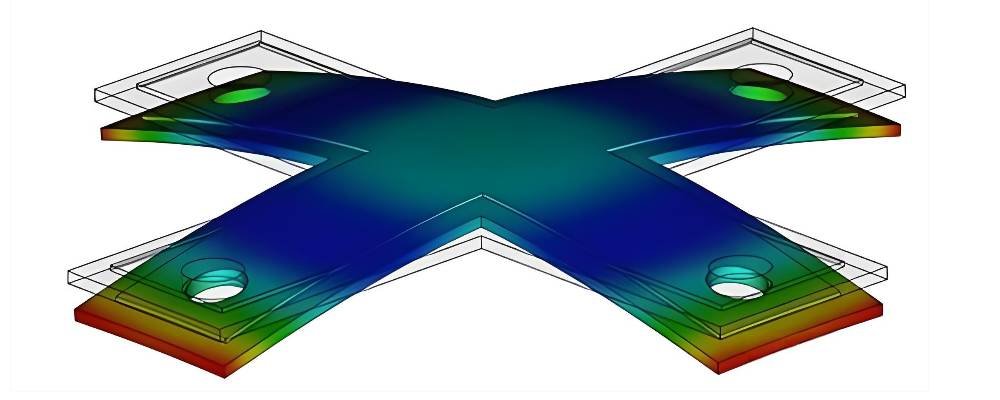
Large parts are susceptible to warpage during cooling due to uneven temperature distribution. We combat this through:

  • Conformal cooling channel design in molds
  • Balanced gate locations for even fill patterns
  • Controlled cooling rates and ejection timing
  • Post-mold annealing for stress relief
  • Material selection with low shrinkage characteristics

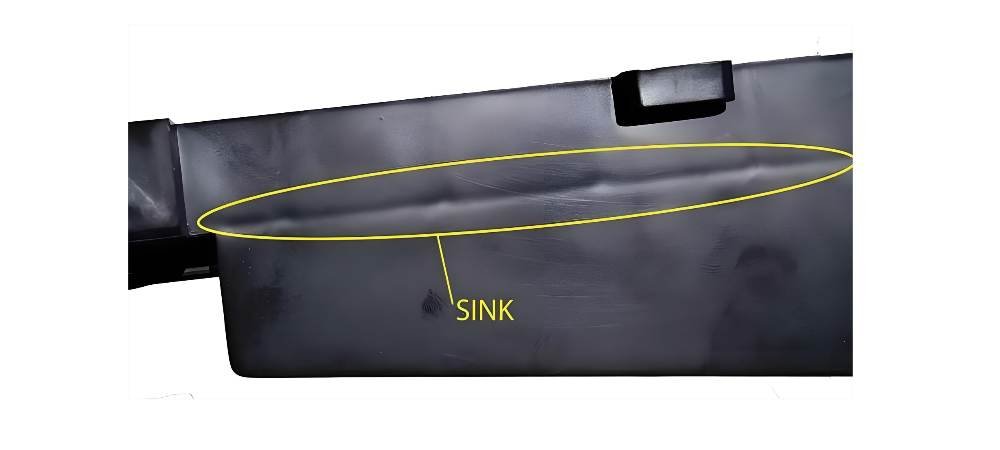
Sink Marks and Voids

Thick sections in large components can develop internal defects. Prevention methods include:

  • Uniform wall thickness design principles
  • Gas assist molding for thick sections
  • Extended packing pressure and time
  • Strategic rib and boss placement
  • Mold temperature optimization
Common Challenges of Large Part Injection Molding-Sink Marks and Voids
Common Challenges of Large Part Injection Molding-Surface Quality Issues

Surface Quality Issues

Maintaining consistent surface finish on large plastic parts demands attention to detail:

  • Mold surface preparation and polishing
  • Proper venting to eliminate gas traps
  • Optimized injection speed and pressure profiles
  • Material drying to prevent moisture contamination
  • Temperature control preventing flow marks

Long Cycle Times

Large part mass extends cooling requirements and production cycles. We reduce cycle time through:

  • Enhanced cooling system design
  • Material selection with faster crystallization
  • Process parameter optimization
  • Multi-cavity tooling for parallel production
  • Automated part handling for reduced downtime
Common Challenges of Large Part Injection Molding-Long Cycle Times

Overcome Your Production Challenges

Our process engineers specialize in solving complex large part molding challenges.
Benefit from our experience and technical expertise to ensure your project success from prototype to production.

Use an Injection Molding Machine of Right Tonnage for Big Parts

Selecting appropriate press tonnage is critical for large part injection molding success. Insufficient clamping force causes flash and dimensional problems.

Tonnage requirements depend on projected part area and material flow characteristics. Proper calculation ensures quality production and equipment longevity.

Tonnage Calculation Methodology for Large Part Injection Molding
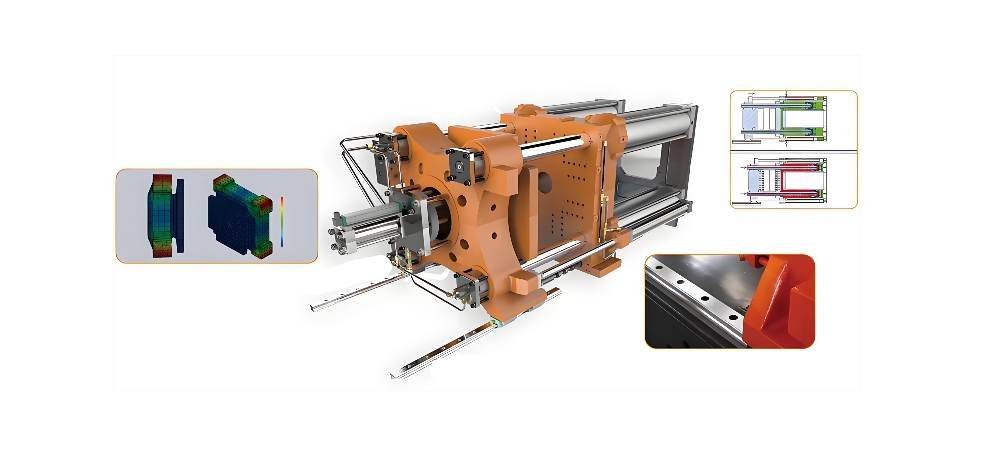
Injection Molding Machine of Right Tonnage for Big Parts

Tonnage Calculation Methodology

Press tonnage needs are determined by multiplying projected part area by material-specific cavity pressure. This calculation accounts for the force required to keep the mold closed during injection.

“Rule of thumb: Multiply the projected area of all cavities (in square inches) by the material’s typical injection pressure (2 to 8 tons per square inch). Add 10-20% safety margin for process variations.”

Large Part Molding Engineering Handbook

Factors Affecting Tonnage Requirements

Multiple variables influence the necessary clamping force for large part injection molding:

  • Total projected area of the part perpendicular to mold opening
  • Plastic material type and melt flow characteristics
  • Wall thickness affecting required injection pressure
  • Number of cavities in the mold configuration
  • Part geometry complexity and flow path length
  • Gate size, location, and quantity
  • Mold design including runner and sprue systems
  • Required surface finish and dimensional tolerances

Consequences of Incorrect Tonnage

Using inappropriate press tonnage creates production problems and quality defects. Insufficient clamping force allows mold separation during injection. This produces flash along parting lines and dimensional inconsistencies.

Excessive tonnage damages molds and increases wear on machine components. It also extends setup time and reduces production flexibility.

Our High-Tonnage Equipment Portfolio

Our facility maintains injection machines across the full tonnage spectrum for large parts. This diverse equipment lineup ensures optimal machine selection for each project.

500-800 Ton Machines

Ideal for medium-large components including automotive trim, appliance housings, and industrial covers. Shot capacity up to 150 ounces with 48-inch platen spacing.

900-1500 Ton Machines

Designed for large automotive components, storage containers, and equipment enclosures. Shot capacity to 250 ounces with 60-inch platen capability.

1600-3000 Ton Machines

Our largest presses handle oversized components including automotive bumpers, agricultural equipment panels, and industrial pallets. Shot capacity exceeds 400 ounces.

700 ton injection machine
1400 ton injection machine
2800 ton injection machine

Key Industries Relying on Large Part Injection Molding Solutions

Large part injection molding serves diverse industries requiring substantial plastic components. Each sector presents unique requirements and performance standards.
Our production expertise spans multiple market segments. We understand industry-specific regulations, quality expectations, and performance criteria.

Medical and Healthcare

Medical device manufacturers require large molded components for equipment housings, diagnostic systems, and hospital furniture. Parts must meet FDA regulations and biocompatibility standards. Clean room manufacturing capabilities ensure contamination-free production.

Industrial Equipment

Industrial machinery utilizes large plastic components for covers, guards, and structural elements. These parts provide protection while reducing weight compared to metal alternatives. Chemical resistance and durability are primary requirements.

Material Handling

Pallets, bins, containers, and transport equipment rely on large injection molded components. These parts must support substantial loads while maintaining dimensional stability. High-volume production keeps unit costs competitive.

FAQs About Large Parts Injection Molding

Standard tolerances for large parts range from ±0.010 to ±0.030 inches depending on dimension and material. Tighter tolerances are achievable through precision tooling and process control, though costs increase. Material shrinkage rates affect dimensional accuracy, with values varying by plastic type. Engineering consultation during design phase establishes realistic tolerance expectations.

Our largest injection machines accommodate parts up to 96 inches in length with 3000 tons of clamping force. Platen size, tie bar spacing, and shot capacity determine maximum part dimensions. Extremely large components may require structural foam molding or multi-piece assembly approaches. Consultation with our engineering team determines feasibility for oversized component requirements.

Yes, though maintaining uniform wall thickness provides optimal results. Wall thickness variations should transition gradually to prevent stress concentrations and sink marks. Typical large parts accommodate thickness ranges of 0.125 to 0.500 inches. Ribs and bosses can be added for structural reinforcement while maintaining base wall uniformity. Design review helps optimize wall thickness distribution.

Minimum order quantities depend on project economics and tooling investment amortization. Production runs typically start at 500-1000 pieces to justify tooling costs. High-volume projects benefit from economies of scale with quantities reaching tens of thousands of parts annually.

Mold fabrication for large parts typically requires 8-16 weeks depending on complexity. First article samples are available 1-2 weeks after tool completion. Production lead times vary by quantity, with smaller runs completing in 2-4 weeks and larger volumes requiring 6-12 weeks. Expedited services may be available for urgent requirements.

Need to discuss large part injection molding project?

Our expert engineers can analyze your application requirements and recommend the optimal solution.

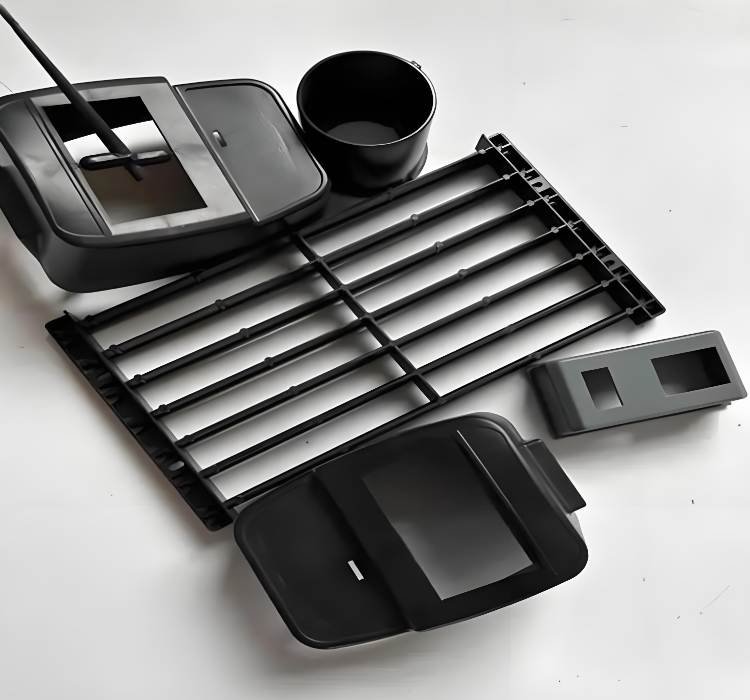
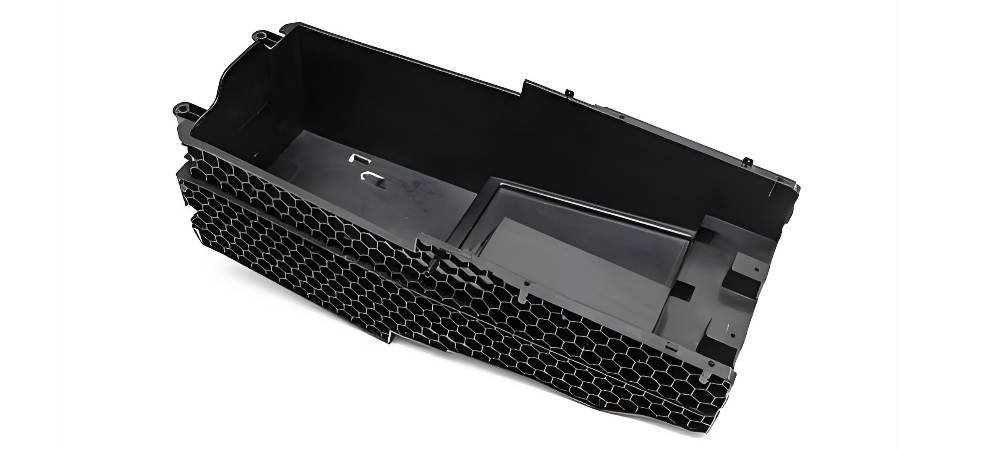
Injection Molded Large Parts at Glance

Request Your Free Large Part Molding Quote

Get started with a comprehensive project evaluation and competitive pricing. Our injection molding specialists provide expert guidance on materials, design optimization, and production strategies tailored to your specific requirements.

Related Resources

Start your project now