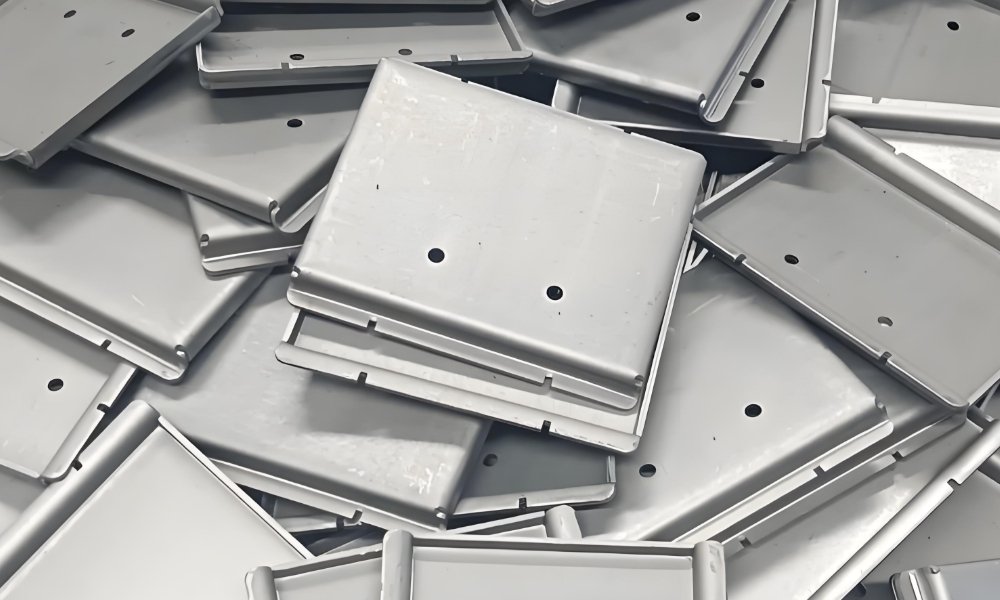
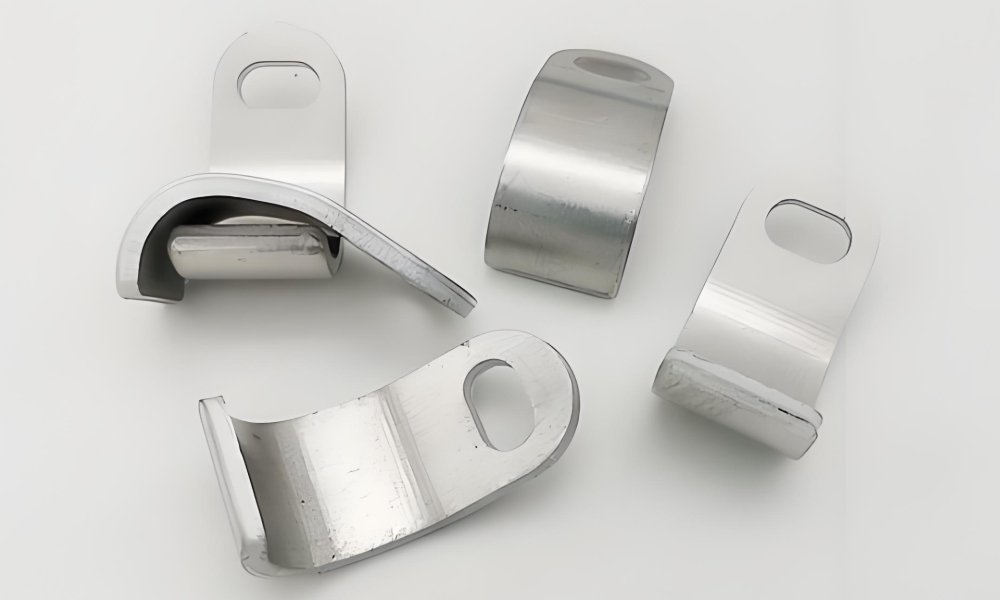
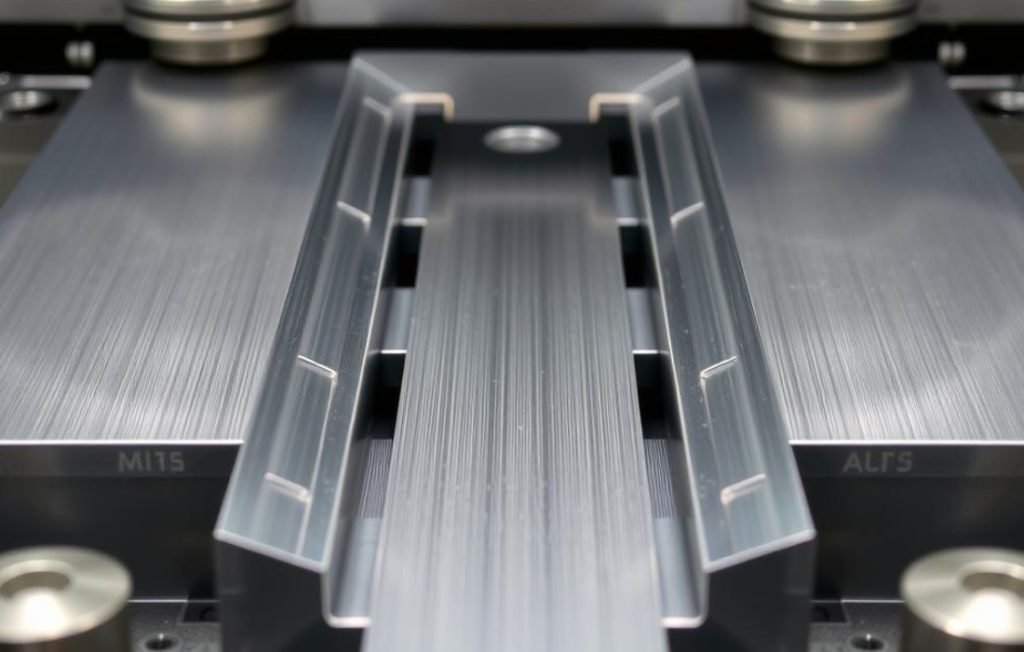
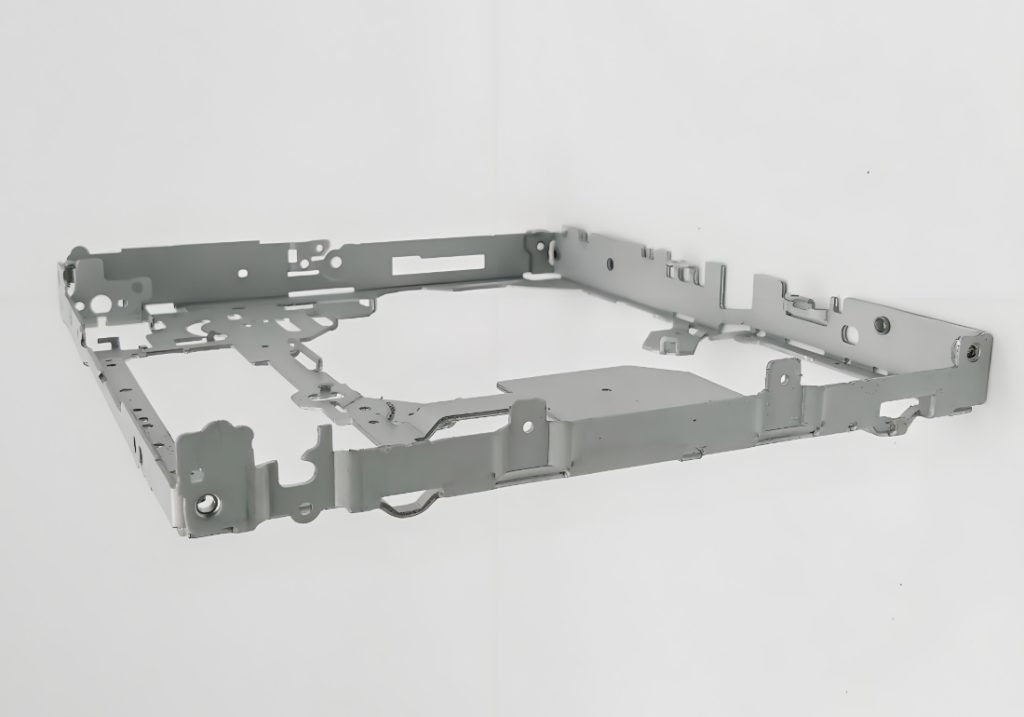
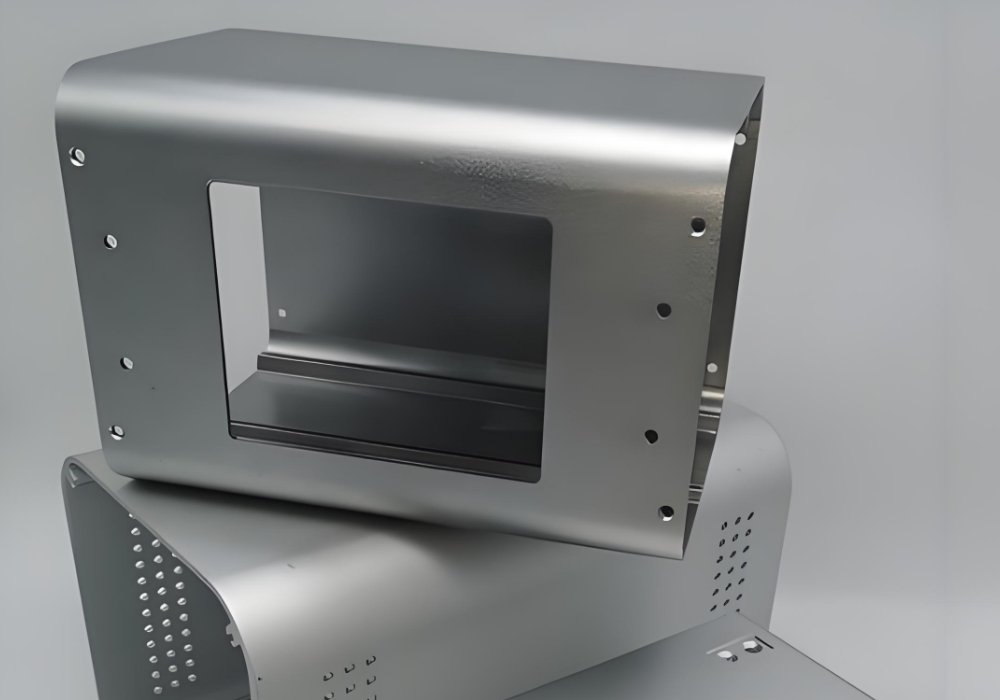
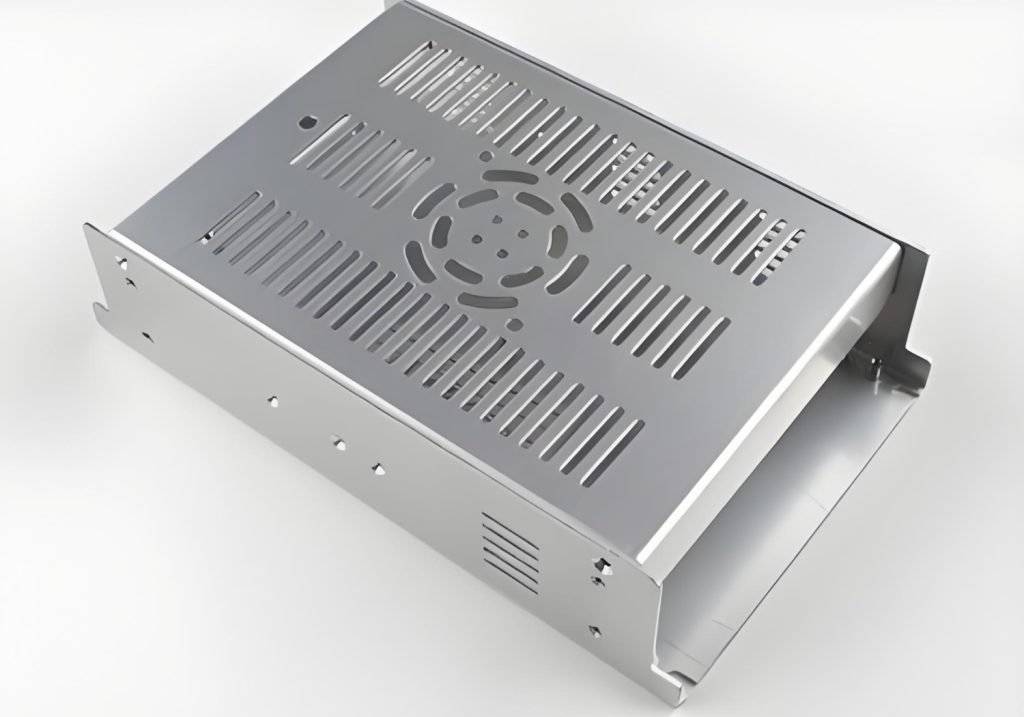
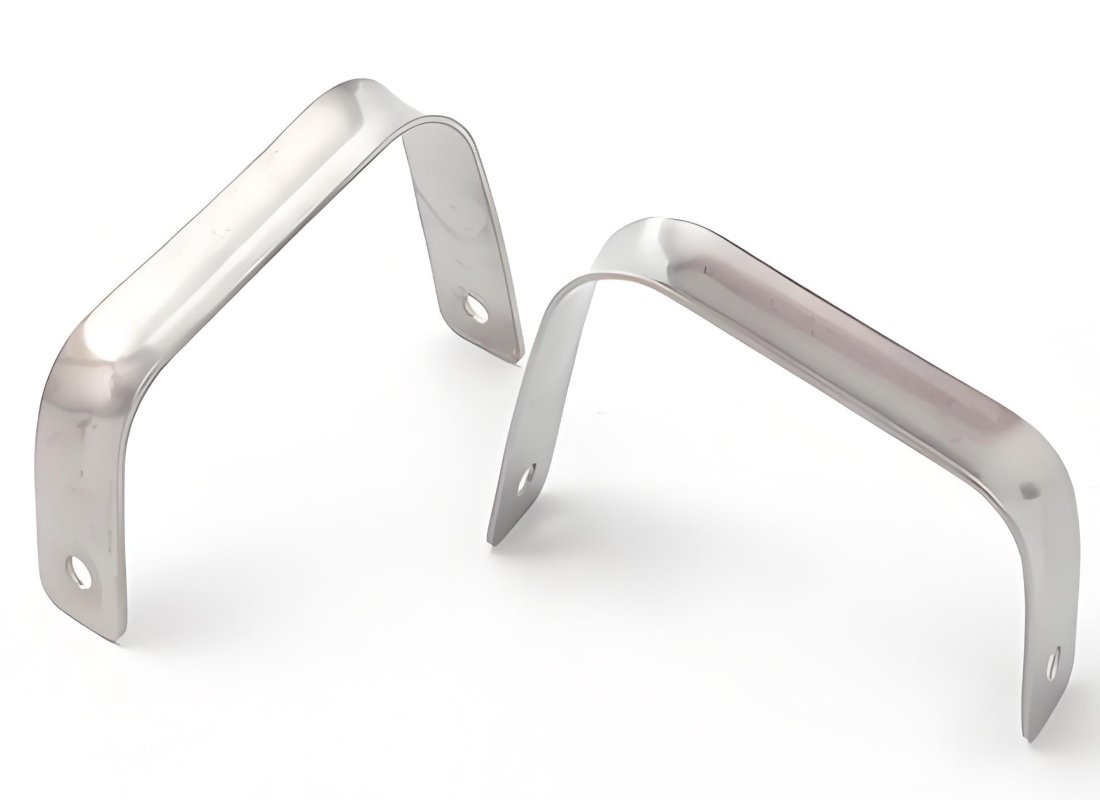
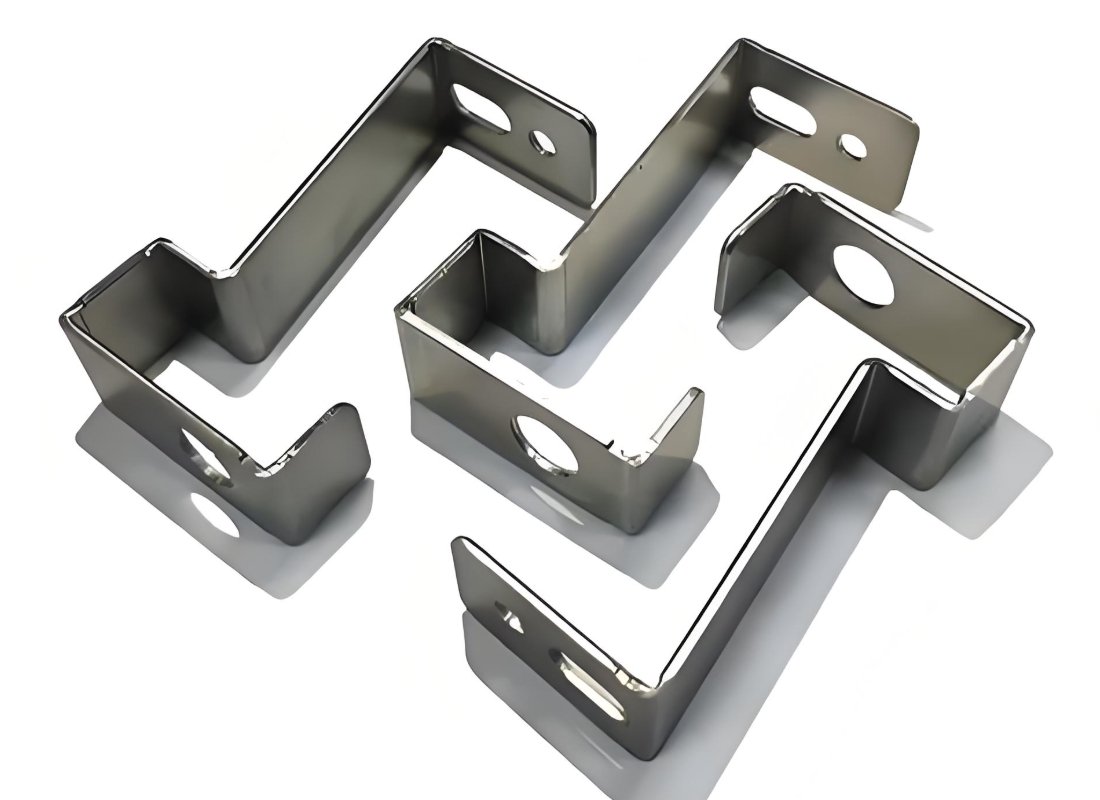
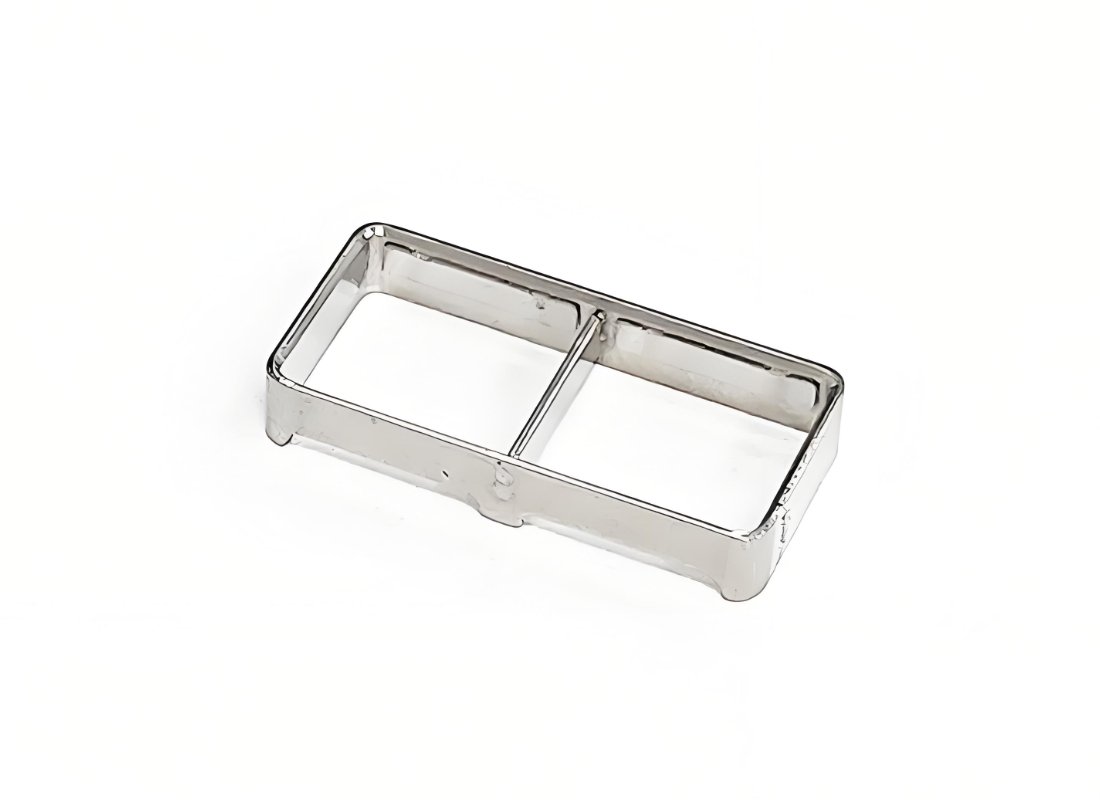
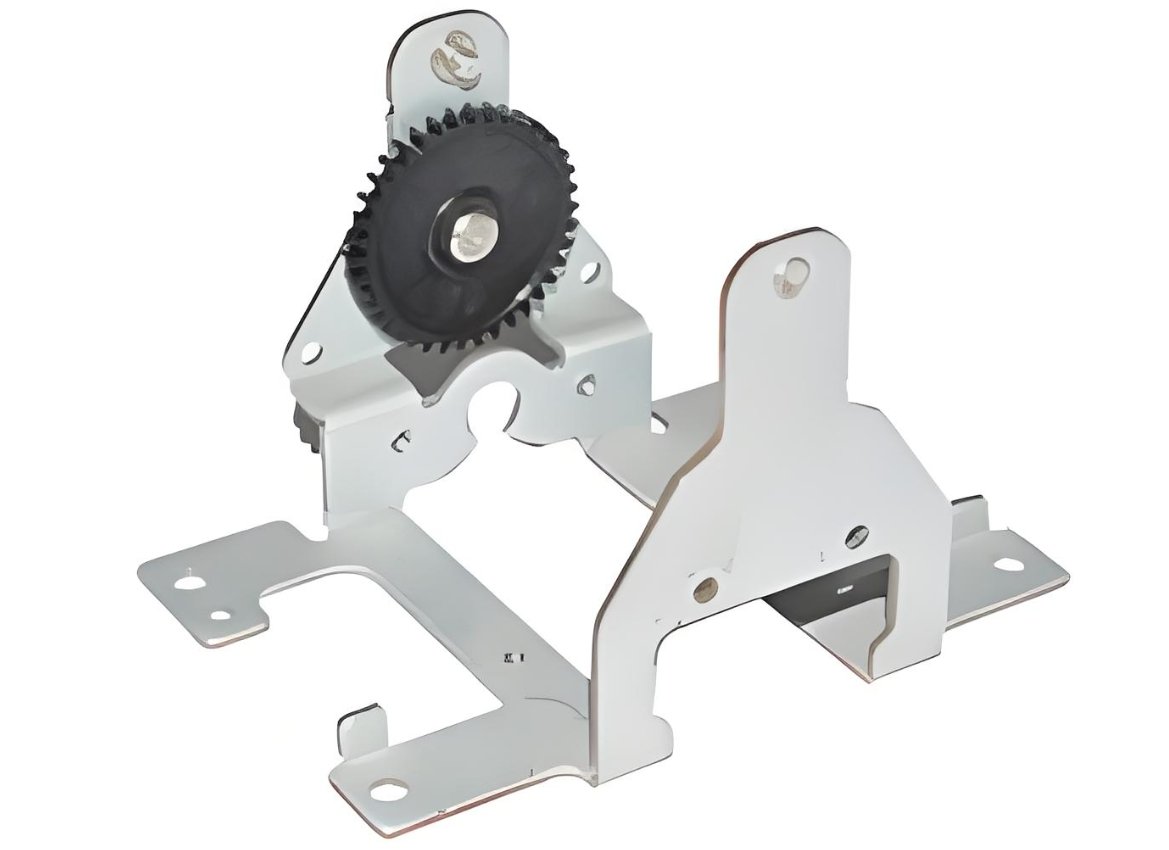
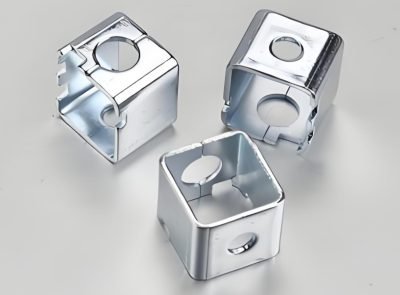
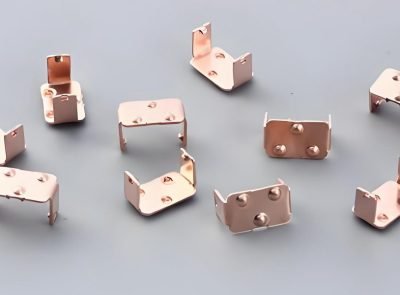
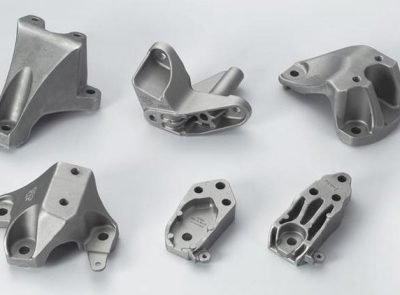
Aluminum metal stamping transforms sheet metal into precise components through specialized forming techniques. This versatile fabrication process creates durable, lightweight parts essential across multiple industries. At Fecision, we combine advanced technology with metallurgical expertise to deliver custom aluminum stamped parts that meet exacting specifications while maintaining cost efficiency.
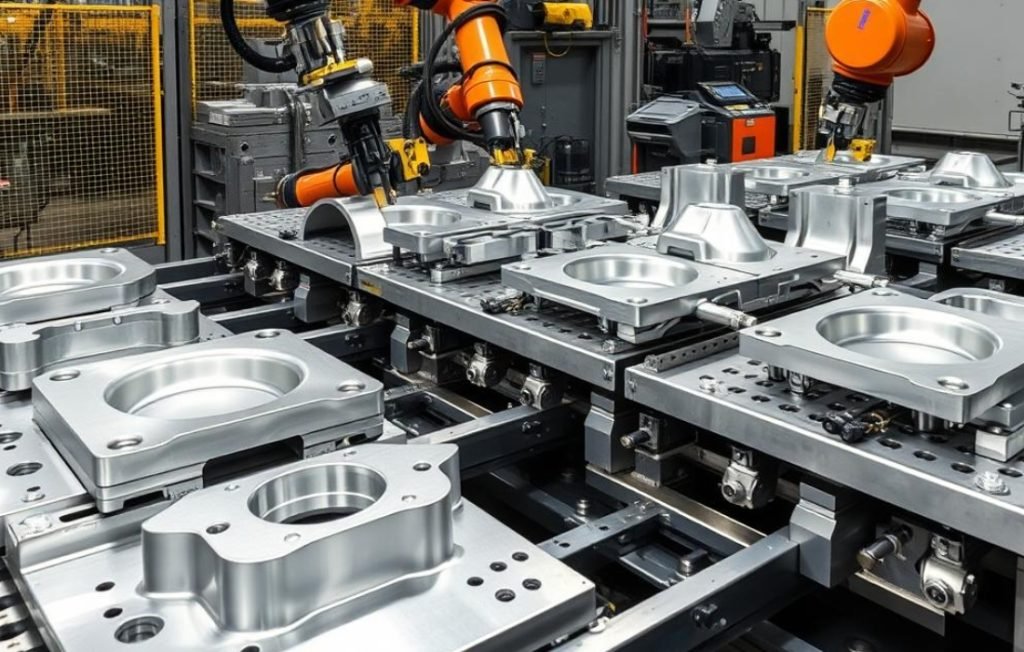
Fecision specializes in precision aluminum metal stamping services tailored to diverse manufacturing needs. Our state-of-the-art facility houses advanced stamping equipment capable of handling projects from prototype development to high-volume production runs.
Our engineering team works closely with clients to develop custom aluminum stamping solutions that optimize both performance and production efficiency.
Aluminum offers unique advantages that make it ideal for progressive stamping applications across numerous industries.
Exceptional strength-to-weight ratio (up to 3x lighter than steel)
Natural corrosion resistance through oxide layer formation
Excellent thermal and electrical conductivity
Superior formability and workability
100% recyclable with minimal quality degradation
Non-magnetic and non-sparking properties
Maintains strength in low-temperature environments
For applications requiring lightweight, corrosion-resistant components with good conductivity, aluminum metal stamping provides an optimal balance of performance and cost-efficiency.
Limitations to Consider
Lower tensile strength compared to steel
Higher material cost than some alternatives
More challenging welding requirements
Potential for springback during forming
Some alloys are not heat-treatable
Commonly Used Aluminum Alloys for Metal Stamping
Each alloy offers specific properties that make it suitable for different applications and forming requirements.
Alloy
Key Properties
Formability
Common Applications
1100
99% pure aluminum, excellent corrosion resistance, high thermal conductivity
Excellent – highly ductile
Decorative parts, cookware, chemical equipment, heat exchangers
3003
Manganese-alloyed, moderate strength, good workability
Very good
Kitchen equipment, storage tanks, general sheet metal work
5052
Magnesium-alloyed, high fatigue strength, excellent corrosion resistance
The aluminum metal stamping process involves several precise steps to transform raw sheet metal into finished components.
Design & Engineering
Our team creates detailed CAD models and simulations to optimize part design for manufacturability and performance.
Forming Operations
The blank undergoes various operations including bending, drawing, embossing, or coining to create the desired shape.
Tooling Development
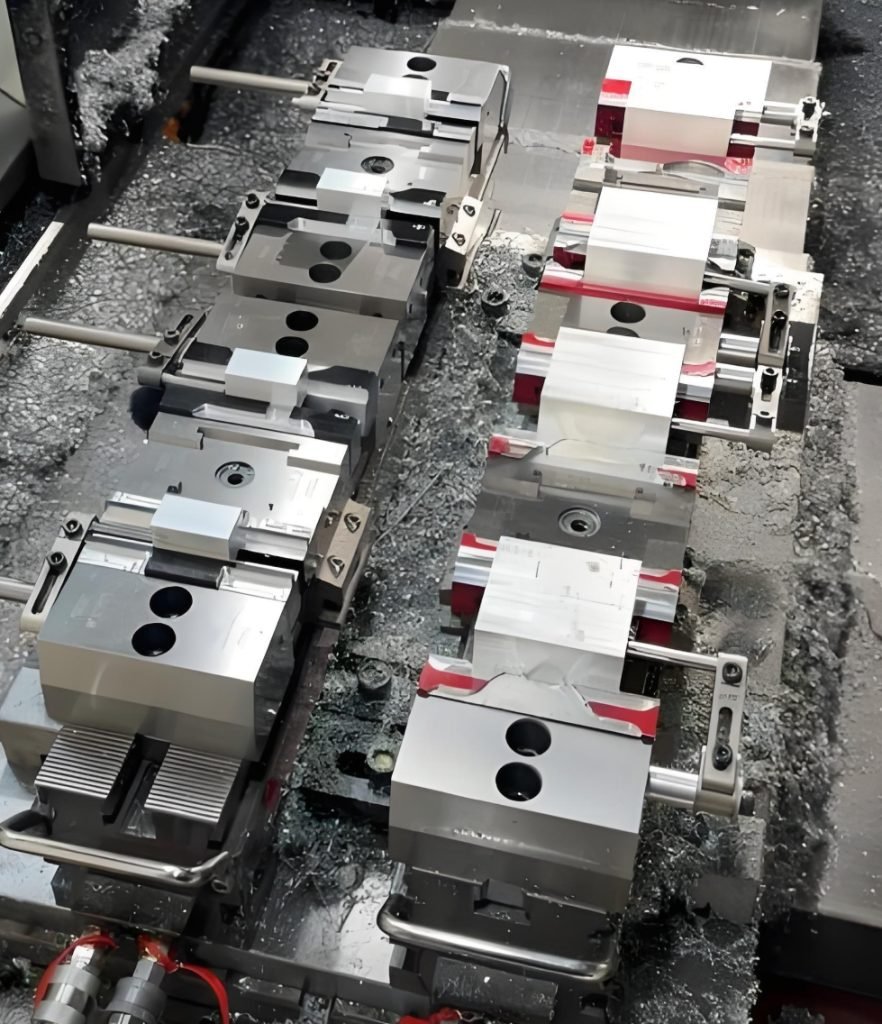
Custom dies and tooling are precision-machined to exact specifications, ensuring consistent part quality.
Piercing & Cutting
Holes, slots, and other features are added through precision cutting operations.
Material Selection
The appropriate aluminum alloy is selected based on application requirements and forming characteristics.
Quality Inspection
Parts undergo dimensional verification and quality checks to ensure they meet specifications.
Blanking
Sheet aluminum is cut to create the initial form (blank) that will be further processed.
Finishing
Optional surface treatments like anodizing, painting, or powder coating may be applied.
Stamping Operation Types
Progressive Die Stamping
Ideal for high-volume production, it performs multiple operations as the aluminum sheet advances through a series of stations within a single die set. It’s perfect for complex parts requiring multiple forming steps.
For larger aluminum components, it uses automated systems to move parts between separate dies. This provides flexibility for complex geometries while maintaining production efficiency.
When exceptional edge quality and tight tolerances are required, fine blanking produces aluminum parts with smooth, perpendicular edges. This eliminates secondary operations for critical components.
Aluminum metal stamping offers significant advantages over other manufacturing methods and materials.
Cost Efficiency
High-speed production reduces labor costs
Minimal material waste compared to machining
Lower energy consumption than casting or forging
Reduced need for secondary operations
Economical for both low and high-volume production
Technical Advantages
Exceptional dimensional accuracy and repeatability
Complex geometries achievable in single operations
Superior surface finish requiring minimal post-processing
Consistent mechanical properties throughout parts
Ability to incorporate multiple features in one component
Industrial Applications for Stamped Aluminum Parts
Aluminum stamped parts serve critical functions across numerous industries. Their combination of lightweight properties, corrosion resistance, and formability makes them ideal for applications where weight reduction and durability are essential.
Automotive
Aluminum stamped components help reduce vehicle weight, improving fuel efficiency and performance.
Body panels and structural components
Heat shields and thermal management parts
Brackets, clips, and mounting hardware
Interior trim components
Electrical housings and connectors
Aerospace
The aerospace industry relies on lightweight, high-strength aluminum components for:
Aircraft interior components
Avionics housings and enclosures
Structural support brackets
Fuel system components
Ventilation and cooling system part
Electronics
Aluminum’s excellent conductivity and EMI shielding properties make it ideal for:
At Fecision, quality control is integrated throughout our aluminum metal stamping process.
Our commitment to excellence ensures that every component meets or exceeds industry standards and customer specifications.
Certifications
ISO 9001:2015 Certified
IATF 16949 Automotive Compliance
AS9100D Aerospace Standards
Testing Capabilities
3D Coordinate Measuring Machines
Mechanical Property Testing
Surface Finish Verification
Quality Guarantees
100% Inspection Options
Statistical Process Control
Documented Quality Procedures
Ready to Discuss Your Aluminum Metal Stamping Project?
Our engineering team is available to review your specifications and provide expert recommendations for your custom aluminum stamping needs.