Have you ever thought about how that crisp, durable logo enters your favorite plastic gadget? Frequently, the answer is screen printing. It is a versatile method for high-quality and long-lasting designs on plastic parts. Products able to be screen printed include everything from small electronic devices to sizeable automotive components.
This guide will provide you with all that you need to know about screen printing on plastic, including the step-by-step process, the advantages and applications of screen printing, and how to remove screen prints if necessary. Get ready to learn about this essential finishing technique.
What is Screen Printing?
Screen printing, or silk screen printing, is a traditional post-finishing process that forces ink onto the surface through a mesh that has been screen stenciled. It is a popular method because the prints are bright and are durable on a variety of substrates, including plastic. Screen printing is an easier way to brand your product with a high-quality finish.
Pros of Screen Printing
Screen printing offers many advantages. The process is relatively easy to learn, whether doing it by hand or via a machine. The basic tools are low in cost, and they work on many different materials, shapes, and sizes. Because of this, screen printing can be used in many applications, and even for more complicated designs.
The print quality is another plus. Screen printing puts down a lot of thick ink, making the finished design very durable. It will resist fading, scratching, and cracking. Once the initial set-up is done, the speed and efficiency of just printing is pretty fast, which is perfect if a large run of product is needed.
Cons of Screen Printing
Despite its benefits, screen printing does have some drawbacks. One of the biggest cons is the expensive start-up costs. Screens and stencils are probably the biggest expense, especially for multiple colors, as you will need a separate screen for each color. This can sometimes lead to it being less cost-effective for smaller print runs.
The process also gets more complicated with multiple colors. The costs can rise quickly, and it can be difficult to align each color since it requires precision. Screen printing is quite versatile, but it’s not going to be optimal on all surfaces, especially when the surface has a very irregular or uneven texture.
Can You Screen Print on Plastic?
Can you screen print on plastic? Yes, you can! It is a widely used process for printing logos, text, or designs on plastic parts. This method is good for a variety of plastics. With the right inks, your print will be vivid and last a long time. Whether you are customizing a product or adding branding graphics to an item, screen printing is a great choice and will lead to a professional-looking print.
Screen printing can be done on almost any plastic material. You can print a hard plastic (e.g., acrylic, polycarbonate) or a softer plastic (e.g., PVC, polyethylene). The most important thing is that you use the appropriate inks to adhere to the type of plastic. It will give your design durability, and your print should not chip, peel, or scratch off, either – a choice for high-use products.
How to Screen Print on Plastic? A Step-by-Step Guide
So, how to screen print on plastic? This technique has its steps to ensure a great print that will last. Don’t worry, it is quite easy once you understand what the steps are.
Step 1: Create Your Design
The first step will be creating the design. You will print your design on a piece of translucent acetate film. This film is what creates your stencil, so it is important that your print is sharp and clear. This is the blueprint for the finished product.
Step 2: Prepare the Screen
Next, you will be preparing your mesh screen. You need to decide on a suitable screen for printing on plastic. Once you have it, coat it with a light-sensitive emulsion. The emulsion is to create the stencil, so make sure it covers evenly and adequately.
Step 3: Expose the Stencil
Now, it is time to prepare the stencil. Position your acetate film on the mesh screen and expose it to a bright light. The light will harden the emulsion where the film is clear, then the area where your design is will be soft. This part of the procedure is similar to a magic trick. You will have moved or transferred your design to the screen.
Step 4: Wash the Screen
After exposing the screen, you will wash out the emulsion that has not hardened, and you will reveal your design on the mesh to effectively make a perfect stencil. This is a critical aspect, ensuring your final print is clean and crisp.
Step 5: Print Your Design
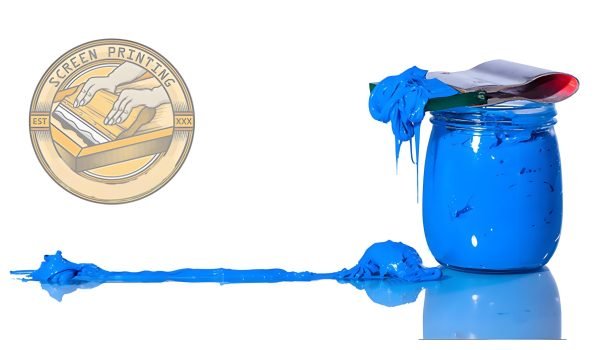
Place the screen onto your plastic surface. Next, you apply the ink to the screen and squeegee the ink through the mesh onto the plastic. The ink will go through the open parts of the stencil only and leave your design behind. This is the step where your creation comes to life.
Step 6: Heat-Cure the Print
The last and most crucial step is to dry the printed plastic with a heat source. The heat-curing process properly adheres the ink to the plastic substrate. This allows the print to be durable and lasting. Without this process, the ink would only smudge and peel off.
Types of Screen Printing Processes
There are several techniques to do screen printing to accomplish different effects. They are definitely applicable, depending on what your designs are; you get to select which is best for you.
Grayscale Printing
Grayscale printing is useful for black-and-white images and graphics that require shades of grey. It is great for simple, classic, and elegant prints, and has great applications for monochromatic designs. This method provides a classic product look and has been successfully used on many plastic products.
Spot-Color Printing
The spot-color printing method is great for bold, solid designs using specific mixing of ink colors. Ideal for logos and graphic designs, this method is able to consistently ensure the same brand colors every time. It is useful for brand identity in customer experience.
CMYK (4-Color Printing)
CMYK printing is used with 4 colors: cyan, magenta, yellow, and black. Inks are mixed over these four inks to create many colors. This technique is especially useful for complex full-color graphics, such as photographs or fine detail illustrations, that give you infinite design possibilities.
Simulated Process Printing
Simulated process printing is an advanced technique that combines spot colors and CMYK. It creates photorealistic prints that exhibit great detail and color range. If you require an image that looks close to a photograph, a simulated process is an appropriate method for giving a high-quality, professional finish.
Duotone Printing
Duotone printing uses two colors in layers. It can create a vintage or artistic look for your design, allowing you to take a basic design from simple to more complex and distinctive, while imparting depth and character to your product.
Half-tone Printing
Half-tone printing uses one single color but is printed using gradations to produce an illusion of multiple colors. It provides a cost-effective print method that can be used when designs have a sense of depth without adding colors. This process is a clever approach to make a complex design look.
Applications of Silk Screen Printing
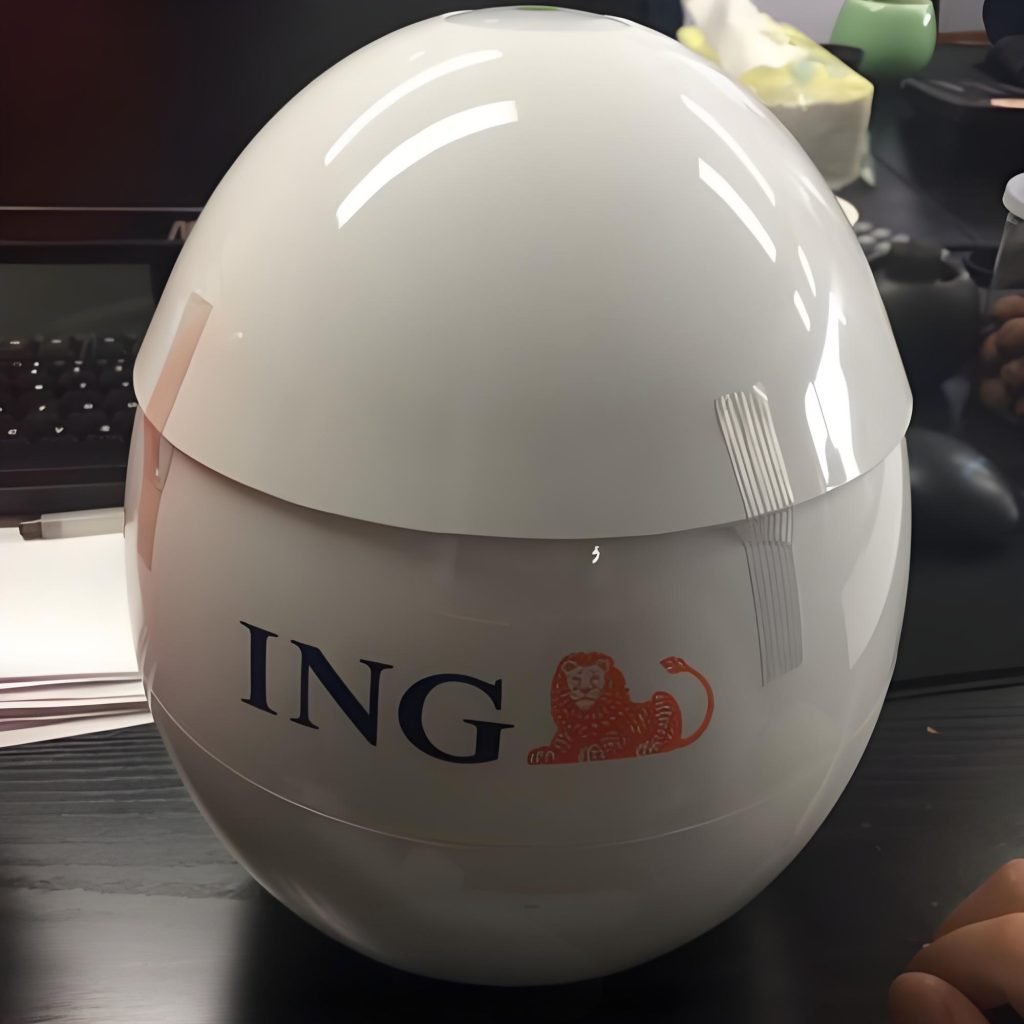
The applications for silk screen printing on plastic are vast in a wide variety of industries. Such flexibility in application makes screen printing a go-to choice for a variety of products.
Electronics
Screen printing is widely used in the electronics sector. You can use it for logos, labels, and text on electronic devices. Consider the brand name on your TV or the labels on a computer keyboard. Screen printing provides these prints in a durable form, which is necessary when developing long-lasting branding on products.
Glass and Ceramics
Screen printing also provides many uses in glass and ceramic items. In addition to imprinting decorative print onto mugs, bottles, and dishes, this method ensures designs are adhered to long after repeated washes without coming off, giving consumers a reliable choice for either household or commercial use.
Textiles
This blog is focused on plastic; however, plastic silk screen printing is also well-known for use in the textiles industry due to its connection to custom t-shirt designs, banners, or any type of fabric print. Printed designs using durable ink are less likely to fade, allowing your apparel to look great even after multiple washings.
Automotive Parts
Screen printing is also common in the reproduction of branding and labeling on plastic car parts, from interior to exterior, such as dashboard, buttons, and other plastic components. By combating temperature changes and wear-and-tear, it ensures that the print lasts longer than ordinary print processes.
Window Stickers
Decals, window stickers, and other forms of branding and promotional material often use screen printing because this process allows the printed piece to produce rich and vibrant color while also being resistant to weather. This creates a perfect way to display your brand or products.
Medical Devices
In the medical field, screen printing is used to add important information. Plastic medical devices have to be printed with precise locations, scales, or instructions, using inks that will withstand sterilization processes, while still allowing for clear, informative, and reliable information for professional uses.
How to Remove Screen Printing from Plastic?
Although screen printing is meant to be permanent, you might want to know how to remove screen printing from plastic. Fortunately, there are a variety of proven techniques to remove it. Each has its own advantages and disadvantages, so choose the technique that is right for you.
Method 1: Using Acetone
Acetone can be a very effective chemical and will remove screen printing quickly from plastic. Don’t forget that it is a high-risk, harsh chemical and can easily damage certain kinds of plastics. It will likely have strong fumes, and it is flammable, so use it in a ventilated area.
Method 2: Using Rubbing Alcohol
Rubbing alcohol is a much milder option than acetone. It has fewer odors, too. The negative side is that you may have to use several applications, and it isn’t very good with tough, permanent inks. It will take patience and extra effort if you try this option.
Method 3: Applying Heat
You can use heat to soften the ink, making it easier to remove. It is a great chemical-free option that works with many kinds of inks. However, just be extremely careful, as there is a chance of melting or warping the plastic if you let the heat get too high. You can use a heat gun or hair dryer, and take your time and be extremely careful.
Method 4: Using a Plastic Scraper
This method is simple and straightforward, and it does not involve chemicals. The main downside is that it becomes labor-intensive, and you would risk scarring the plastic surface. Use a soft, non-abrasive plastic tool and be as gentle as possible to avoid damage.
Method 5: Using Commercial Solvents
You can also buy solvents that are designed to be used to remove plastic silk screen printing. These types of products are convenient to use and usually effective in limiting damage to the plastic or surface. However, they can be pricey, and like any solvent, you will want to test it first in a small area.
Summary
Screen printing is a powerful method to customize plastic parts. Its durability, adaptability, and overall costs make this process ideal for many different applications. Logos, text, or complicated designs can all be easily achieved using screen printing while ensuring a professional finish.
At Fecision, we offer sales of high-quality plastic part manufacturing, with high efficiency and precision at every stage of the small or large project. Our manufacturing facility has up-to-date technology (CNC Machining, Injection Molding, etc.) that offers high accuracy and reliability. Once we undertake a project, we will give comprehensive backup from prototype development to every full-scale production requirement, optimizing for cost and time throughout.
We are committed to producing only the best results, with our ISO certifications and rigorous quality control. Within our experience of plastic manufacturing, we are able to offer expert engineering support and material choices with confidence. Regardless of whether you need complicated geometries or high volumes, Fecision will always provide you with excellence based on your needs.
Are you ready to bring your product to life using perfectly printed plastic parts? Contact Fecision today for a quote!