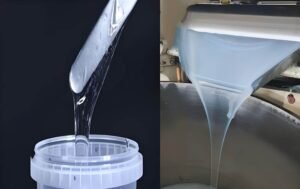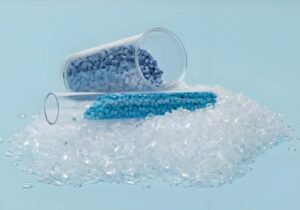
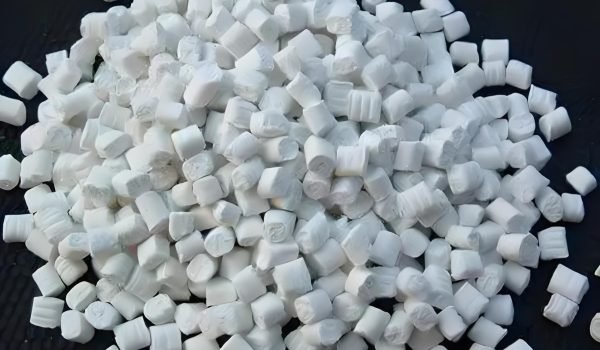
Did you know that Polyoxymethylene (POM), also known as acetal, is a high-performance engineering thermoplastic used in precision parts that require high stiffness and excellent dimensional stability? This material has become indispensable across numerous industries due to its exceptional combination of mechanical, thermal, and chemical properties.
POM is characterized by its high strength, hardness, and rigidity, making it suitable for demanding applications. With a density of 1.410-1.420 g/cm3, this plastic is intrinsically opaque white but can be produced in various colors. As you explore the world of POM Plastic, you’ll discover its unique characteristics and advantages that make it a preferred choice among engineers and manufacturers.
Understanding Polyoxymethylene (POM): An Overview
You may be familiar with POM plastic, also known as polyoxymethylene or acetal, which is widely used in precision engineering applications. This semi-crystalline thermoplastic is renowned for its high strength, hardness, and rigidity, even at low temperatures.
What is POM Plastic?
POM plastic is characterized by its high crystallinity, typically ranging between 75-85%. This characteristic contributes to its exceptional mechanical properties, including high strength, stiffness, and dimensional stability. As a result, POM is an ideal material for applications requiring precision and durability.
Chemical Structure and Composition
The chemical structure of POM consists of repeating methylene groups (-CH2-) connected by oxygen atoms, giving it the chemical formula (CH2O)n. This unique molecular arrangement enables POM to exhibit excellent resistance to organic solvents, good thermal stability, and a low coefficient of friction. These properties make POM a valuable alternative to metal in various applications.
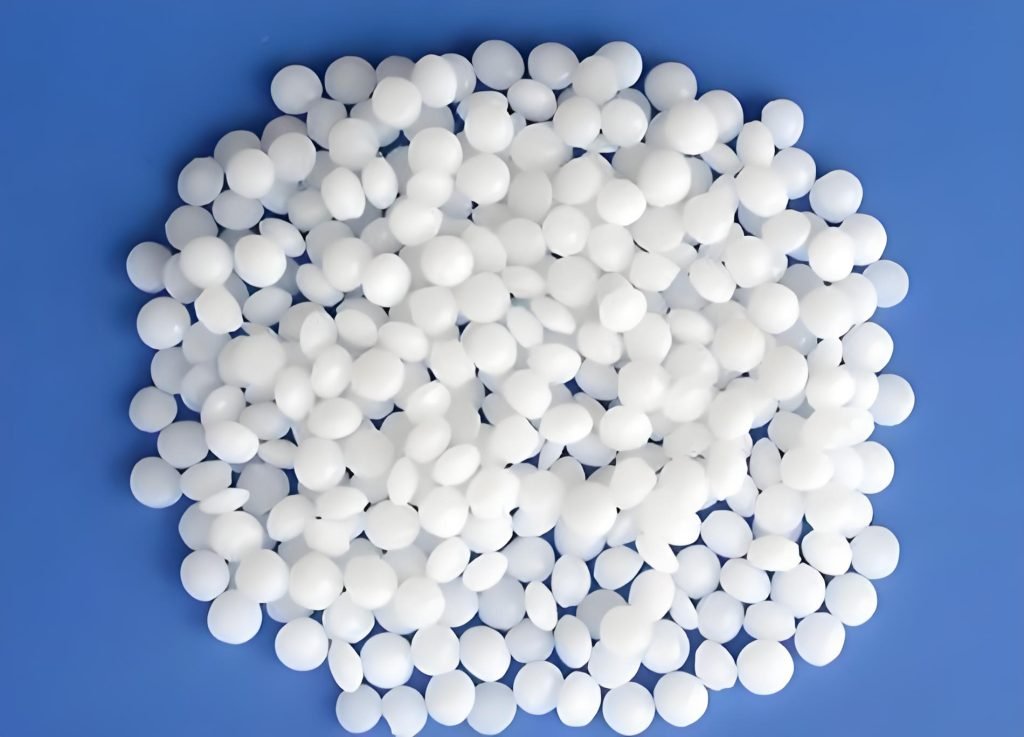
Types and Grades of POM Plastic
You can choose from multiple types of POM plastic, depending on your project’s mechanical, thermal, or chemical resistance requirements. The diversity in POM grades allows for a wide range of applications across various industries.
Homopolymer vs. Copolymer POM
POM is primarily available in two types: homopolymer and copolymer. Homopolymer POM, such as Delrin, offers superior mechanical properties, including higher tensile strength, stiffness, and creep resistance, due to its linear chain of formaldehyde molecules with stable end groups. On the other hand, copolymer POM, like Hostaform and Celcon, incorporates about 1-1.5% of comonomer units into its chain, enhancing thermal stability and chemical resistance.
Standard POM Grades
Standard POM grades vary in molecular weight, which affects their mechanical strength and flow properties. Higher molecular weight POM materials provide improved mechanical strength, while lower molecular weight grades offer better flow characteristics, making them suitable for complex molding applications.
Specialty and Modified POM Grades
Beyond standard grades, specialty POM materials are available for specific applications. These include glass fiber-reinforced POM for enhanced rigidity, PTFE-filled POM for improved wear resistance, impact-modified POM for greater toughness, UV-stabilized POM for outdoor use, and FDA-compliant POM for food contact and medical applications.
Key Properties of POM Plastic
With its outstanding mechanical, thermal, and chemical properties, POM plastic is widely utilized in manufacturing. You can rely on POM for its high strength, hardness, and rigidity, even at low temperatures.
Mechanical Properties
POM material exhibits exceptional mechanical properties, including high tensile strength (55-80 MPa) and excellent stiffness (tensile modulus of 2700-3100 MPa). The material’s high crystallinity contributes to its excellent dimensional stability and low creep under sustained loads.
Thermal Properties
POM’s thermal properties include a melting point of approximately 165°C and a continuous use temperature of 80-100°C. It maintains good performance at low temperatures down to -40°C, with a low coefficient of thermal expansion that minimizes dimensional changes with temperature fluctuations.
Chemical Resistance and Stability
The chemical resistance of POM is excellent against many substances, including hydrocarbons, alcohols, and neutral chemicals. However, it has limited resistance to strong acids and oxidizing agents. POM’s combination of low moisture absorption and good electrical insulating properties makes it an ideal material for self-lubricating mechanical components.
Overall, POM plastic’s unique combination of properties makes it a versatile material suitable for a wide range of applications, from structural components to mechanical parts that require minimal maintenance.
Key Applications of POM Across Industries
You can find POM being used in diverse industries, leveraging its benefits. POM plastic, known for its excellent mechanical properties and resistance to chemicals, is widely used in various sectors.
Automotive and Transportation Uses
In the automotive industry, POM is used for fuel system components, door lock mechanisms, and interior trim parts. Its strength, dimensional stability, and resistance to automotive fluids make it an ideal material.
Consumer Products and Electronics
POM is used in consumer products such as zippers, eyeglass frames, and kitchen appliance components. Its durability and aesthetic appeal make it suitable for these applications.
Industrial and Engineering Applications
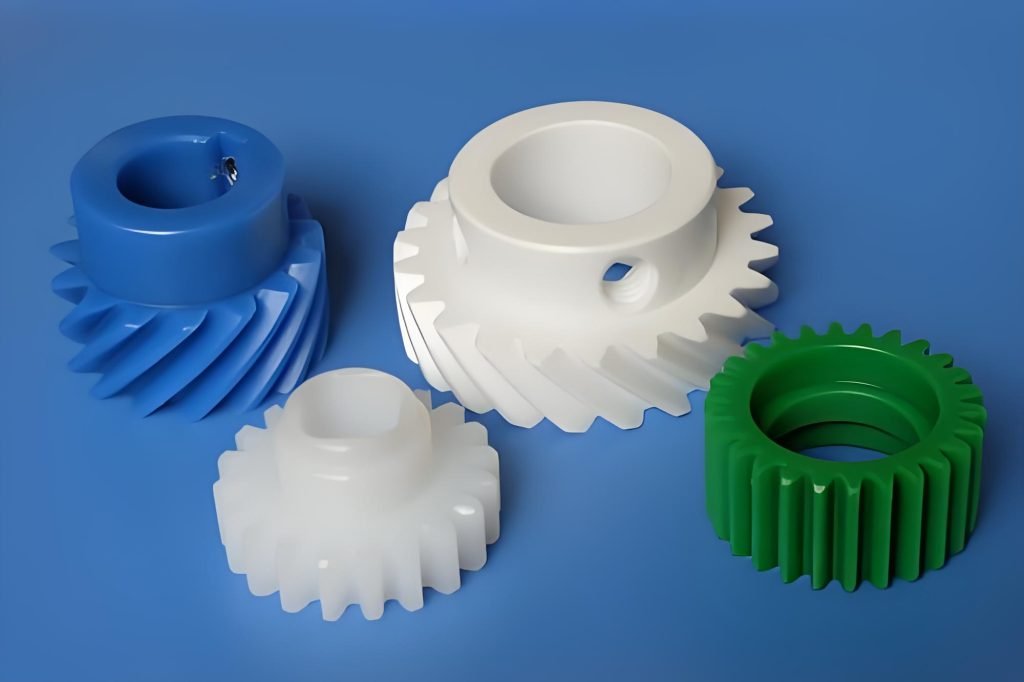
In industrial settings, POM is used for gears, bearings, and pump parts. Its self-lubricating properties and wear resistance provide significant advantages.
Medical and Precision Devices
The medical industry utilizes POM for precision devices like insulin pens and surgical instruments. Its biocompatibility and dimensional stability are crucial for these applications.
Advantages and Disadvantages of POM Material
When considering materials for engineering applications, understanding the advantages and disadvantages of POM is crucial. POM, or Polyoxymethylene, is a versatile engineering plastic known for its exceptional properties.
Major Benefits of Using POM
POM offers several significant advantages that make it a preferred choice in various engineering applications. Its exceptional mechanical strength, comparable to some metals, and outstanding dimensional stability are key benefits. Additionally, POM’s excellent creep resistance under sustained loads and superior fatigue resistance allow components to withstand millions of cycles without failure.
The material’s natural lubricity and low coefficient of friction make it ideal for moving parts that require minimal maintenance. Furthermore, POM’s excellent wear resistance and impact strength ensure longevity in applications with continuous mechanical contact. The high stiffness-to-weight ratio of POM also enables metal replacement in many applications, reducing overall weight and inertia while maintaining necessary structural properties.
Limitations and Drawbacks
Despite its numerous benefits, POM also has certain limitations. One of the primary drawbacks is its susceptibility to degradation from strong acids, chlorinated compounds, and prolonged UV exposure. This necessitates careful consideration of the operating environment and potentially the use of stabilized grades for outdoor applications.
Other limitations include POM’s limited temperature resistance, generally up to 100°C for short-term exposure, and challenges in bonding to other materials due to its low surface energy. Moreover, there’s a potential for formaldehyde emission during processing at excessive temperatures, requiring proper ventilation and processing controls.
Processing Techniques for POM (Acetal Polymer)
To form POM into the desired shape, manufacturers can choose from a range of processing techniques, including injection molding, extrusion, and machining. POM is supplied in a granulated form and can be formed into the desired shape by applying heat and pressure.
Injection Molding of POM
Injection molding is the most common processing technique for POM. It requires careful control of processing parameters, including melt temperature (typically 190-230°C) and mold temperature (80-120°C). Adequate venting is also crucial to prevent formaldehyde gas buildup and potential material degradation. The high crystallinity of POM results in significant shrinkage during molding, necessitating proper gate design and adequate packing pressure.
Extrusion Processing
Extrusion processing of POM is primarily used to produce rods, sheets, and profiles. This process requires careful temperature control throughout the extruder zones and proper cooling to manage the material’s high crystallization rate and prevent voids or internal stresses.
Machining and Secondary Operations
POM exhibits excellent machinability, allowing for secondary operations such as turning, milling, and drilling. Best results are achieved using sharp tools with high clearance angles, moderate cutting speeds, and adequate cooling to prevent heat buildup that could degrade the material.
By understanding the different processing techniques available for POM, manufacturers can select the most appropriate method for their specific application, ensuring the production of high-quality parts with desired properties.
Common Issues in POM Plastic Processing and Solutions
POM plastic is known for its excellent properties, but its processing comes with certain difficulties. Understanding these challenges is crucial for manufacturers to optimize their production processes and produce high-quality parts.
Thermal Degradation Challenges
Thermal degradation is a significant issue when processing POM, occurring at temperatures above 230-240°C. This results in the release of formaldehyde gas, chain scission, and deterioration of mechanical properties. To mitigate this, careful temperature control throughout the molding cycle is essential. Minimizing material dwell time in the barrel, purging the system between production runs, and avoiding dead spots in the flow path can also help prevent degradation.
Dimensional Stability Issues
Dimensional stability issues with POM parts often arise from differential cooling rates, residual stress, and the material’s high crystallinity. Proper gate placement, balanced cooling systems, and annealing processes can help relieve internal stresses and improve dimensional accuracy. Additionally, optimizing packing pressure and cooling time can mitigate molding defects such as sink marks, voids, and warpage.
Troubleshooting and Best Practices
To overcome the challenges associated with POM processing, manufacturers should adopt best practices such as optimizing molding parameters, ensuring uniform wall thickness in part design, and using specialized surface treatments or mechanical joining methods for assembly operations. By understanding the properties and processing requirements of POM, manufacturers can produce high-quality parts that meet their specifications.
Conclusion: The Future of POM Plastic in Engineering Applications
The evolving landscape of engineering plastics sees POM plastic at the forefront, driven by its exceptional performance characteristics. As industries continue to demand high-precision components with enhanced durability, POM plastic remains a vital material in precision engineering applications.
One significant growth area for POM is metal-to-plastic conversion, where industries seek to reduce weight, fuel consumption, and production costs while maintaining or improving component performance and durability. Advancements in processing technologies, including multi-material injection molding and precision machining techniques, are also opening new design possibilities for complex POM components.
For your specific engineering needs, selecting the optimal POM grade and processing technique is crucial. Fecision Engineering Plastics Processing offers expert guidance and comprehensive support from material selection through design optimization to the production of high-quality POM components that meet your exact specifications.