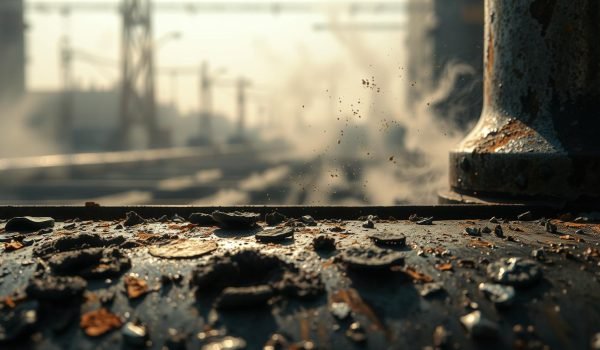
Have you ever wondered what causes the shiny surface of your metal tools or machinery to deteriorate over time? Is it corrosion, oxidation, or rust? While these terms are often used interchangeably, they represent distinct processes that affect materials in different ways.
Understanding the differences between these processes is crucial for industries and homeowners alike, as they significantly impact the lifespan, safety, and functionality of metal products. This comprehensive guide will break down each process, their differences, and provide practical strategies for prevention and mitigation.
Understanding the Basics of Material Degradation
The Chemistry Behind Material Breakdown
The breakdown of materials is fundamentally driven by chemical reactions, often involving the transfer of electrons. For instance, corrosion is an electrochemical process where metals react with their environment, leading to deterioration. Environmental factors such as moisture, oxygen, and contaminants play a significant role in accelerating these reactions. Different metals and alloys exhibit varying susceptibilities to these processes due to their unique chemical properties.
Why Understanding These Processes Matters
Understanding material degradation is vital for industries like construction, transportation, and manufacturing. Knowledge of these processes helps in developing strategies to mitigate degradation, thereby enhancing the durability of critical components and reducing maintenance costs. The economic impact of material degradation is substantial, including repair costs, replacement expenses, and production losses. Moreover, preventing material degradation is crucial for safety, as catastrophic failures can endanger lives.
| Process | Description | Impact |
|---|---|---|
| Corrosion | Electrochemical reaction involving metals and their environment. | Structural weakening, safety hazards. |
| Oxidation | Chemical reaction involving the loss of electrons, often with oxygen. | Material deterioration, changes in material properties. |
| Rust | A specific type of corrosion involving iron and its alloys. | Visible deterioration, structural weakening. |
By understanding these processes, industries can innovate and apply protective technologies to extend material lifespan and ensure safety.
What is Corrosion?
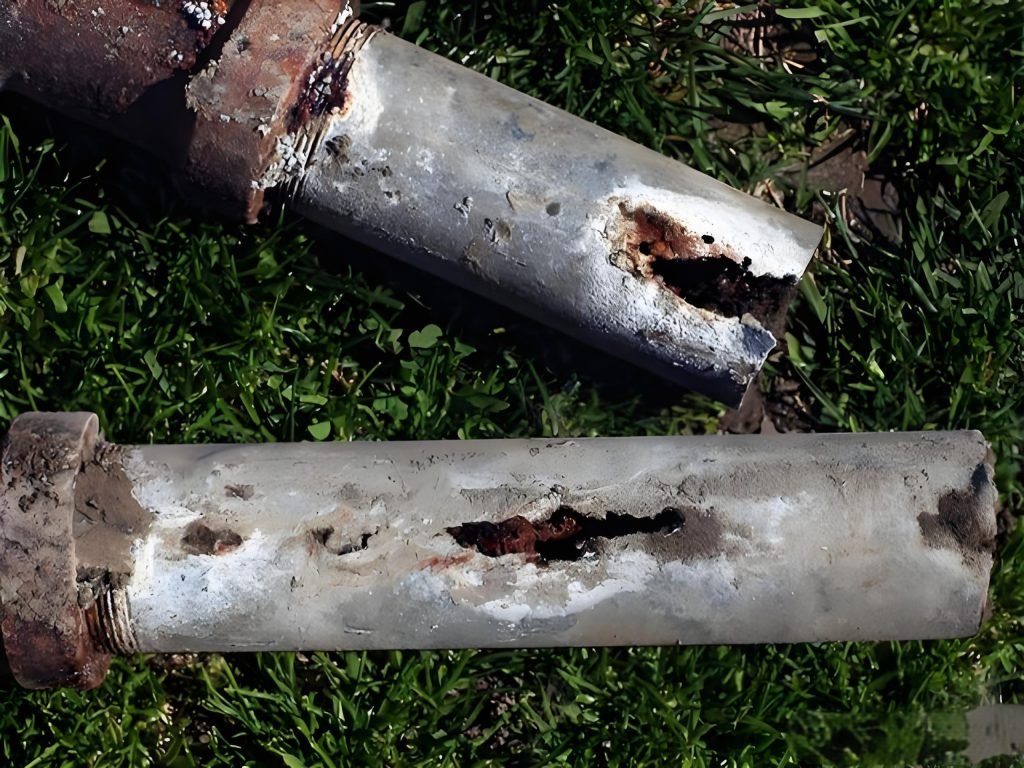
The degradation of materials through corrosion is a significant concern across multiple industries. Corrosion is defined as the deterioration of materials, especially metals, through a chemical reaction with their environment. This reaction often involves the transfer of electrons and results in the formation of compounds that compromise the material’s integrity.
Definition and Chemical Process
Corrosion is an electrochemical process that involves the interaction of a material with its environment, leading to the degradation of the material’s surface. This process typically involves an anode, a cathode, and an electrolyte, facilitating the flow of electrons and resulting in the corrosion of the material.
Common Types of Corrosion
Corrosion can manifest in various forms, depending on the environment and materials involved. The most common types include:
Galvanic Corrosion
Galvanic corrosion occurs when two dissimilar metals are in contact with an electrolyte, creating a galvanic cell that drives the corrosion process.
Pitting Corrosion
Pitting corrosion is a localized form of corrosion that results in the creation of small, deep holes in the material, often leading to rapid failure.
Crevice Corrosion
Crevice corrosion occurs in tight spaces where oxygen concentration cells can develop, leading to accelerated corrosion.
Materials most susceptible to corrosion include iron, steel, and certain alloys. Environmental factors such as moisture, salt, acids, and pollutants can accelerate the corrosion process, affecting various industries from infrastructure to consumer products.
What is Oxidation?
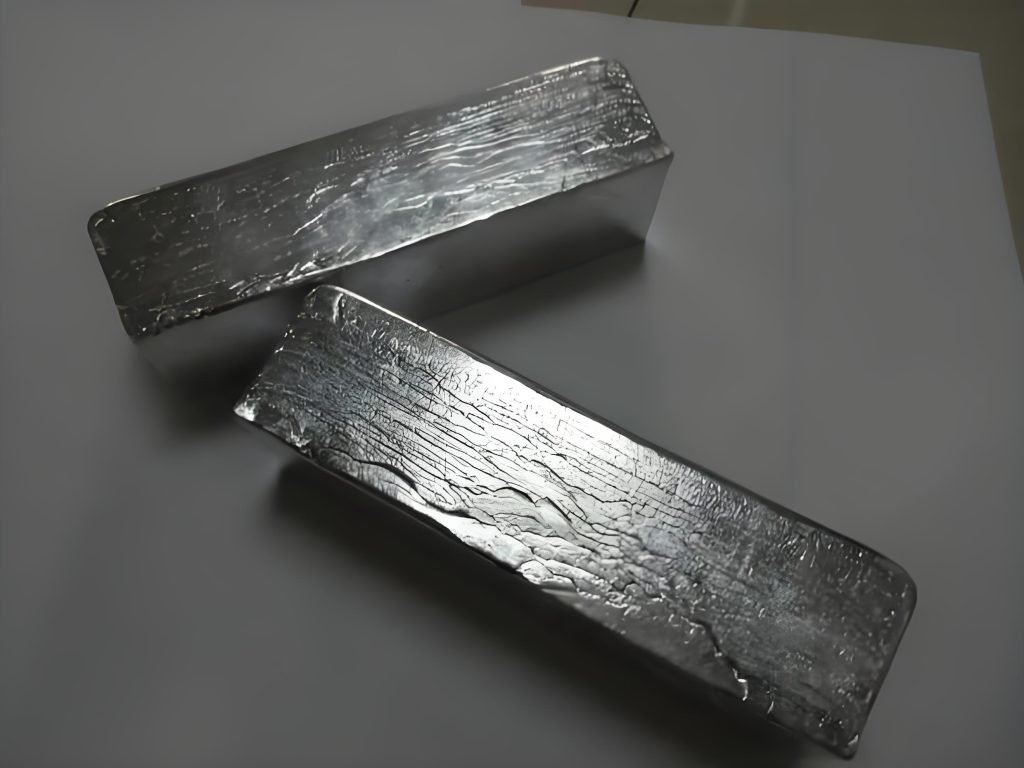
Oxidation is a fundamental chemical reaction that plays a crucial role in various natural and industrial processes. Fundamentally, it involves the loss of electrons by a substance, often a metal, to another substance, typically oxygen. This process is a key aspect of redox (reduction-oxidation) reactions, where one substance loses electrons (oxidized) while another gains electrons (reduced).
The Science of Oxidation Reactions
Oxidation reactions are characterized by the transfer of electrons. In the context of metals, oxidation occurs when a metal loses electrons to form ions, often reacting with oxygen to create an oxide layer on its surface. For instance, when aluminum reacts with oxygen, it forms a thin layer of aluminum oxide, which protects the underlying metal from further oxidation.
Examples of Oxidation in Everyday Life
Oxidation is not just a laboratory phenomenon; it’s a common occurrence in everyday life. Examples include the browning of cut apples due to exposure to air, the tarnishing of silver jewelry, and the combustion of fuels. These examples illustrate how oxidation affects both organic and inorganic materials.
| Material | Oxidation Process | Result |
|---|---|---|
| Aluminum | Forms a protective oxide layer | Prevents further oxidation |
| Iron | Oxidizes to form rust | Structural weakening |
| Silver | Tarnishes due to oxidation | Loss of luster |
Beneficial vs. Harmful Oxidation
While oxidation can be detrimental, such as when iron rusts, it can also be beneficial. For example, the oxide layer formed on aluminum protects it from further corrosion, making it a valuable property for applications like aircraft construction. Understanding the nature of oxidation is crucial for mitigating its harmful effects and leveraging its benefits.
What is Rust?
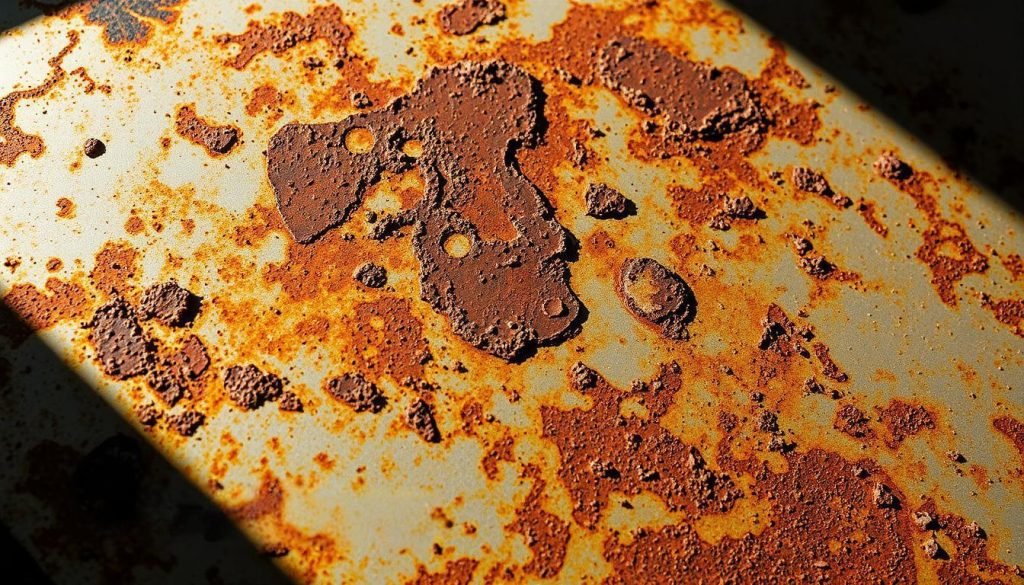
Rust is a type of corrosion that specifically affects iron and its alloys, resulting in the formation of iron oxide. This reddish-brown flaky material deposits on the surface of iron due to a chemical reaction between iron, oxygen, and moisture.
Formation Process
The formation of rust is a complex, multi-step chemical process. Initially, iron loses electrons and reacts with oxygen and water to form iron hydroxide. This then oxidizes further to form rust, or iron oxide. The presence of moisture and oxygen is crucial for this reaction to occur.
Accelerating Factors
Several factors accelerate the rusting process. Moisture is a primary catalyst, as is exposure to salt, acid rain, and significant temperature fluctuations. These conditions facilitate the chemical reaction that leads to rust formation.
Materials That Rust vs. Those That Don’t
Not all materials are susceptible to rusting. Iron and its alloys, such as steel, are prone to rust. However, materials like aluminum, copper, and certain alloys are resistant due to their oxide layers that protect them from further corrosion.
| Material | Rusting Susceptibility | Reason |
|---|---|---|
| Carbon Steel | High | High iron content |
| Stainless Steel | Low | Chromium oxide layer protection |
| Galvanized Steel | Low | Zinc coating protection |
| Aluminum | None | Aluminum oxide layer protection |
Corrosion vs. Oxidation vs. Rust: Key Differences
While corrosion, oxidation, and rust are interconnected, each has its unique characteristics and effects on different materials. Understanding these differences is crucial for selecting the right materials and protection strategies for various applications.
Comparative Analysis of Chemical Processes
Corrosion, oxidation, and rust involve chemical reactions that lead to the deterioration of materials. Oxidation is a broad chemical reaction involving the loss of electrons, which can be either beneficial or harmful depending on the material. Corrosion is the degradation of materials, both metals and non-metals, due to oxidation or other chemical reactions. Rust, specifically, is the oxidation of iron and its alloys in the presence of air and moisture, resulting in the formation of iron oxide.
The key difference lies in their specificity and the materials they affect. Oxidation is a general process that can occur in various materials, including metals and non-metals. Corrosion is more specific to the deterioration of materials, often due to oxidation. Rust is a specific type of corrosion that affects iron and its alloys.
Visual Identification Guide
Identifying corrosion, oxidation, and rust visually can be done by observing the color, texture, and pattern of the affected material. Rust typically has an orange-brown color and a flaky texture, primarily affecting iron and its alloys. Corrosion can manifest in different colors and textures, depending on the material involved. For instance, copper forms a green patina when corroded, while aluminum often develops a white or gray oxide layer.
Impact on Different Materials
The impact of corrosion, oxidation, and rust varies significantly across different materials. Steel, an alloy of iron, is prone to rusting, which can weaken its structure. Aluminum, on the other hand, forms a protective oxide layer that prevents further corrosion. Copper and its alloys can corrode to form a patina, which can be protective or aesthetically pleasing. Understanding how different materials react to environmental factors is crucial for their effective application and maintenance.
Prevention and Protection Strategies
You can significantly extend the lifespan of your materials by implementing the right prevention and protection strategies against corrosion, oxidation, and rust. Protective coatings like paints and powder coatings create barriers against moisture and oxygen, while specialized anti-corrosion treatments offer additional protection.
Galvanization protects steel by creating a sacrificial zinc layer that corrodes instead of the underlying metal. Anodizing creates a durable oxide layer on aluminum, enhancing its natural corrosion resistance. Cathodic protection systems use sacrificial anodes or impressed current to prevent corrosion in large structures.
Proper design, regular maintenance, and environmental control strategies are also crucial. This includes preventing water accumulation, regulating humidity, and removing corrosive contaminants. Choosing corrosion-resistant alloys like stainless steel for critical applications is vital. Emerging technologies, such as self-healing coatings and smart monitoring systems, are also being developed to combat corrosion.
FAQ
Can all metals corrode or rust?
No, not all metals corrode or rust. While some metals like iron and its alloys are prone to rusting, others like aluminum and stainless steel form a protective oxide layer that prevents further degradation.
How can I prevent or slow down corrosion and rust?
You can prevent or slow down corrosion and rust by applying protective coatings, using cathodic protection, controlling environmental factors like moisture and oxygen, and selecting materials that are resistant to corrosion.
Is oxidation always harmful?
No, oxidation is not always harmful. While it can lead to the degradation of materials, it is also a natural process that occurs in many everyday situations, such as the ripening of fruits and the functioning of batteries.
Can rust be repaired or removed?
Yes, rust can be repaired or removed using various methods, including mechanical removal, chemical treatment, and replacement of affected parts.
How does the presence of moisture affect corrosion and rust?
Moisture plays a significant role in corrosion and rust, as it facilitates the chemical reactions that lead to material degradation. High humidity, water, or other sources of moisture can accelerate corrosion and rust.