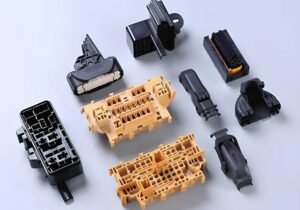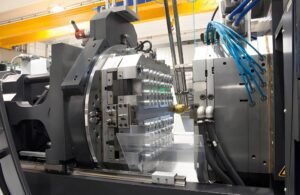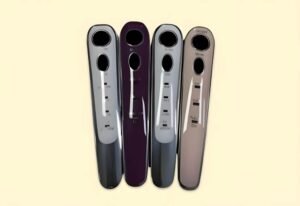

Thermoplastic injection molding has become the backbone of modern manufacturing because it delivers speed, consistency, and cost efficiency at scale. Every day, many items, including phone cases, plastic clips, and medical syringes, are manufactured using this method. This method works by melting plastic pellets, injecting the melted plastic into a mold, and letting it cool into a solid part.
Injection molding is a highly efficient system that helps companies produce millions of strong, reliable parts every year. This article explains how injection molding works, the materials used, what affects quality and cost, and how to choose the right manufacturing partner for your needs.
What Is Thermoplastic Injection Molding?
Thermoplastic injection molding is a manufacturing technique where thermoplastic polymers are heated until they melt, injected into a mold cavity under pressure, and then cooled to solidify into the desired shape. This versatile process produces everything from simple household items to complex automotive components with remarkable precision.
The essence of thermoplastic injection molding lies in its ability to transform plastic pellets into functional parts through a controlled sequence of steps. Unlike other manufacturing methods, this process allows for high volume production while maintaining exceptional quality.
During production, thermoplastic materials undergo only physical changes rather than chemical alterations. Consequently, the process is entirely reversible, making it particularly valuable for modern manufacturing demands.
How It Differs from Thermoset Molding
Thermoplastic injection molding differs from thermoset molding primarily due to the way the materials react to heat. Thermoplastics can be melted, shaped, and melted again many times. Thermoset materials undergo permanent changes when heated. Once they harden, they cannot be melted or reused.
Thermoplastic molding usually uses lower temperatures and works much faster, often finishing parts in seconds or minutes. This makes it a good choice for making large quantities of parts. Thermoset molding needs higher heat and longer curing times, so it is mainly used for special products that must handle very high temperatures or provide strong electrical insulation.
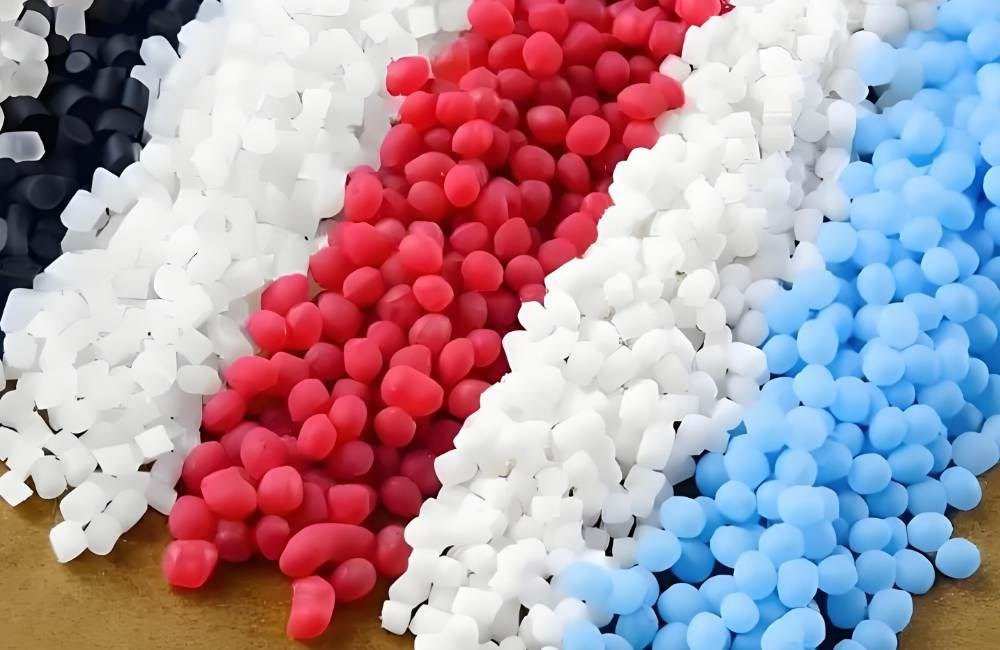
Types of Thermoplastics Used in Injection Molding
There are many types of thermoplastic plastics that can be used in injection molding. Each type has its own benefits. Here are two commonly used types:
1) Thermoplastic Polyurethane Injection Molding
It should be noted that TPU is a highly unique injection molding thermoplastic because of its high elasticity and great strength. TPU resists wear very effectively and retains its elasticity at very low temperatures.
All these characteristics make TPU a preferred material for uses where it needs to be strong as well as elastic. Examples include components for shoes, medical accessories, auto components, and phone covers. The fact that it can be formulated to achieve a specific hardness level, ranging from flexible to hard, contributes significantly to its popularity.
2) Thermoplastic Elastomer Injection Molding
TPE stands for a group of rubber-like materials. It exhibits benefits associated with thermoplastic materials as well as functionality comparable to that of rubber. Moreover, it can be processed and remolded without consequences.
Also known as TPX, injection molding of TPE produces materials with impressive touch sensitivity, vibration reducing properties, and high resistance to various chemicals. It is commonly used for making grips, seals, gaskets, and various overmolded components.
Why Material Selection Matters
The choice of thermoplastic impacts:
- Mechanical: strength, flexibility, wear resistance.
- Chemical resistance: resistance against oil, solvents, and cleaners.
- Lifespan: resistance to environmental influences.
- Production cost: material cost, the cycle time, and tooling needs.
The choice of a suitable thermoplastic translates to the optimal performance and lowers the manufacturing costs in the long term. That is the reason why it is necessary to work with an already experienced injection molding partner.
How the Thermoplastic Injection Molding Process Works
The thermoplastic injection molding process transforms raw plastic into precision engineered components through a systematic sequence of operations. Each step requires careful control to ensure consistent part quality and optimal production efficiency.
1. Material Preparation and Drying
It begins with plastic pellets. Before they can be melted, they have to be dried. Moisture will compromise the smooth operation of molding. It leads to uneven flow and melting. It impacts negatively on defect free production.
2. Melting and Homogenization
Once processed, pellets are put into a barrel that is heated and contains a screw that rotates. As it rotates, it generates heat due to friction, especially at the compression stage. It generates a melt with uniform components, and as it collects at the front side of the screw, it forms a ‘shot.’
3. Injection into the mold
Once melting occurs, screw extrusion takes place, pushing forward and pressing the molten plastic from the nozzle into the mold cavity. All these processes happen very quickly with pressure and speed measured appropriately.
4. Cooling and solidification
Next, a cooling process will occur as the material makes contact with the sides of the molds. The role of cooling here is to achieve hardening and complete its form. There are paths within molds that play an important role in controlling temperatures.
5. Ejection and post processing
Finally, after successful solidification, ejector pins are responsible for ejecting the manufactured product from the molds. Subsequent post-processing then ensues, involving removal of extra metal and polishing and additional refinement stages.
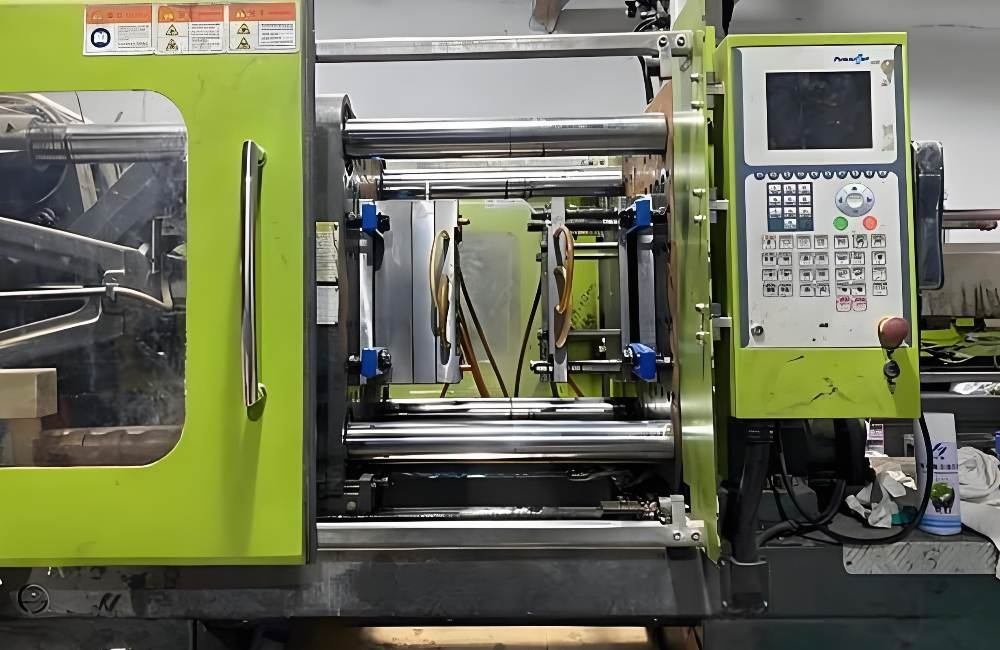
Common Materials Used in Injection Molding Thermoplastics
Different polymers exhibit distinct behaviors under heat and pressure, and these differences are reflected in their real world performance. Here are the most widely used materials for injection molded thermoplastic products:
1) Polypropylene (PP)
Lightweight, tough, fatigue resistant, and affordable. PP is famous for its living hinges (such as flip caps and snap lids) and holds up well against chemicals.
2) Polyethylene (PE)
Flexible, moisture resistant, and chemically stable. HDPE emphasizes strength and rigidity, while LDPE emphasizes flexibility. PE is a packaging favorite.
3) Acrylonitrile Butadiene Styrene (ABS)
High impact strength with good surface finish. ABS is a go to for electronics housings, consumer goods, and durable parts that need to look good.
4) Polycarbonate (PC)
Extremely impact resistant and often optically clear. PC works well for lenses, medical housings, and protective parts where strength matters.
5) Thermoplastic Polyurethane (TPU)
Elastic, abrasion resistant, and stable across a wide temperature range. Thermoplastic polyurethane injection molding is ideal for flexible but highly durable parts like seals, protective covers, and footwear components.
6) Thermoplastic Elastomers (TPE)
Rubber like feel with thermoplastic processing advantages. Thermoplastic elastomer injection molding is common in grips, gaskets, soft touch consumer products, and overmolded parts.
Advantages and Limitations of Thermoplastic Injection Molding
Manufacturers choose thermoplastic injection molding because it balances production efficiency with economic considerations. This manufacturing method offers distinct advantages alongside notable limitations that influence its application across industries.
Advantages
- High Speed & Scalability: Once the mold is ready, thermoplastic injection molding can make parts very fast, producing large quantities every day. Multi cavity molds make scaling even faster.
- Tight Tolerances & Repeatability: Injection molding can hold extremely consistent dimensions. For many industries, this consistency means fewer assembly errors, fewer returns, and predictable part performance.
- Low Waste & Recyclability: Extra plastic from molding, like sprues and runners, and even some rejected parts, can often be ground up and used again. The process naturally supports sustainability because polymers can be reprocessed multiple times.
- Design Freedom: Thermoplastic injection molding enables the creation of complex designs with smooth surfaces, fine details, and precise dimensions. Complex geometries, internal features, snap fits, textures, and thin walls are all possible, often in a single production step.
Limitations
Even powerful processes have tradeoffs.
- Tooling Cost & Lead Time: Injection molds are expensive and can take weeks to manufacture. And if you’re making a complex design, that just increases the upfront costs before production even starts.
- Design Lock In: Once the mold is cut, changes are costly. That is why DFM reviews and pilot runs should happen early.
- Material Constraints: Some polymers shrink more than others. Some warp easily. Some require special venting or temperature control. Solid engineering avoids surprises.
- Slower Prototyping: Making a mold for early samples can take longer than using 3D printing or other rapid prototyping methods. This slows down early design testing.

Industry Applications of Thermoplastic Injection Molding
Thermoplastic injection molding is used in many industries because it can make strong, accurate parts in large quantities at a low cost.
1. Automotive Parts
Car manufacturers use injection molding for interior bits like dashboards, door panels and centre consoles. These components are lightweight, long lasting and help improve vehicle performance. They also use it for under the hood parts that have to handle heat and stress.
2. Consumer Electronics
Many electronic products, like phone cases, remote controls, chargers and plastic housings, are made using injection molding. The process gives you clean finishes, precise fits and a huge choice of colours and textures.
3. Home Appliances
Household appliances like fridges, washing machines and vacuum cleaners rely on molded plastic parts. Injection molding helps keep these components strong, long lasting and affordable.
4. Industrial Components
Manufacturers use this process to create parts such as gears, brackets, and protective covers. Reinforced plastics are often added to give these components an extra boost of strength and durability for heavy use.
5. Medical Applications
In the medical industry, injection molding is used to produce safe and reliable products like surgical tools, medical device housings and drug delivery parts. Medical grade plastics are used to meet super tough safety and hygiene standards.
How to Choose a Reliable Thermoplastic Injection Molding Partner
A mold shop isn’t just a vendor; they’re a part of your product’s success or failure. Reliable thermoplastic injection molding services should bring more than machines. They should bring process control and engineering insight.
Here’s what to evaluate:
- Proven Industry Experience: Ask for case studies and references in your product category. Experience reduces risk.
- Quality Certifications: ISO 9001 is a baseline. Medical and automotive work needs more specialized standards.
- Equipment Range: Your partner should handle your part size, complexity, and volume without outsourcing key steps.
- Engineering & DFM Support: The best partners help you refine design, reduce risk of warping/sink/flash, and optimize gating and cooling.
- Process Transparency: You want clear production reporting, a predictable timeline, and proactive communication if anything deviates from plan.
Why Fecision Leads in High Precision Thermoplastic Injection Molding
When manufacturers need dependable quality at scale, partnering with an expert supplier becomes the fastest path to success. Fecision has built its reputation by combining modern molding machinery with deep materials and process expertise.
Their strengths include:
- Advanced tooling and molding systems optimized for repeatability
- Experience across prototypes and full production scaling
- Strong capability in elastomeric and flexible resins such as TPU and TPE
- Quality control systems that support high precision requirements
- Industry adaptability, including support for stringent medical and industrial standards
If you’re looking for a supplier that can support both engineering refinement and stable, high output production, Fecision is worth serious consideration.
Conclusion
The rise of thermoplastics has transformed manufacturing across nearly every industry. Thermoplastic injection molding allows manufacturers to create strong, accurate, and cost effective parts, from car components to medical devices. Choosing the right manufacturing partner is important to ensure good quality, reliable production, and the ability to grow.
Fecision is a trusted provider of thermoplastic injection molding services. We offer advanced technology, strong material expertise, and high precision manufacturing for consistent results.
Ready to bring your product idea to life? Contact Fecision for world class thermoplastic injection molding services today.