Overmolding Services

Transform your product design with our precision overmolding services. We combine multiple materials into seamless, high-performance components that enhance functionality, durability, and user experience.

Start Your Project Now

ISO 9001: 2015 Certified Processes

ISO 14001: 2015 Certified Processes

ISO 45001: 2018 Certified

ISO 13485: 2016 Medical Device

IATF16949:2016 Automotive

What is Overmolding

Plastic Injection Overmolding

What is Overmolding?

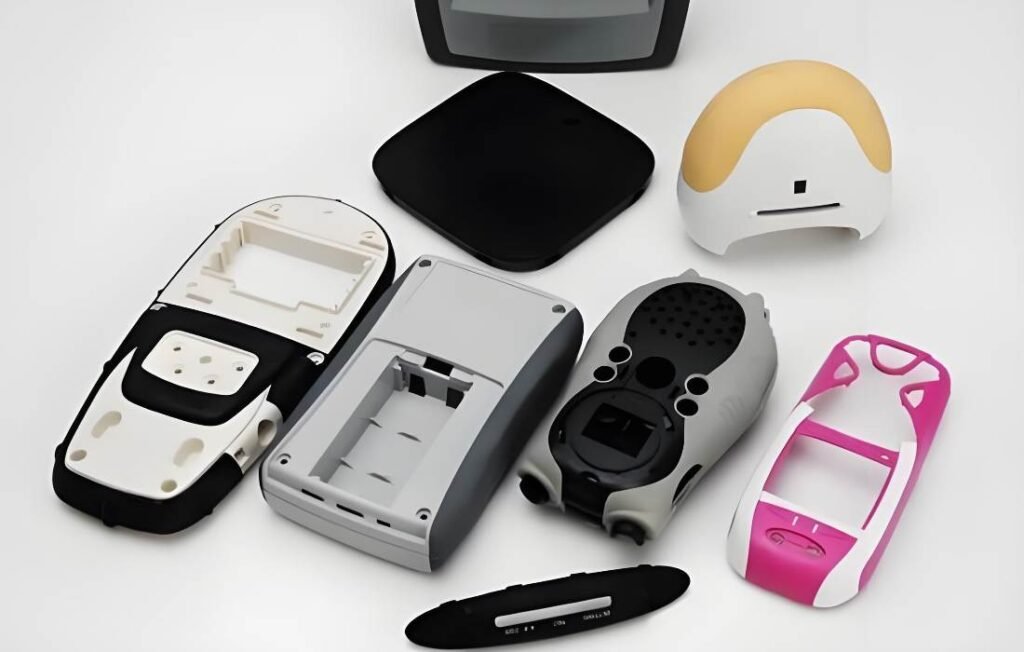
Overmolding is an advanced injection molding process that combines two or more materials into a single, integrated component. The process begins with the creation of a substrate (the base component) through standard injection molding. A second material is then molded over or around this substrate, creating a chemical or mechanical bond between the two materials.

This technique allows for the seamless integration of materials with different properties – such as rigid plastics with flexible elastomers – resulting in parts with enhanced functionality, improved ergonomics, and superior aesthetics. The overmolding process eliminates assembly steps, reduces production costs, and creates more durable products.

Overmolding vs. Insert Molding

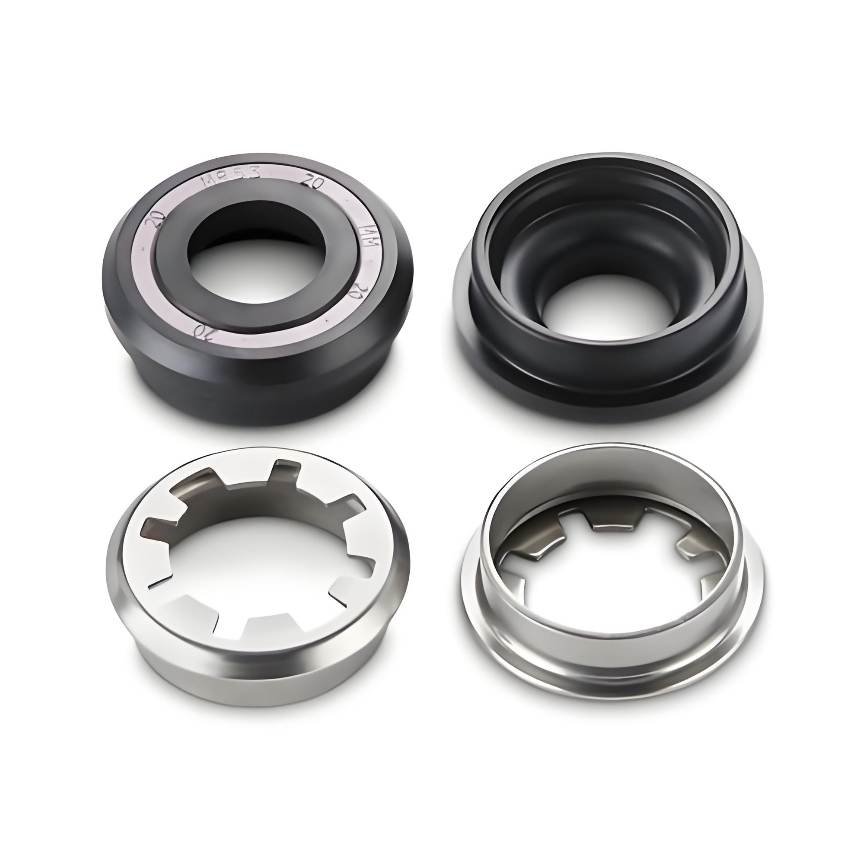
Our insert molding tooling capabilities deliver precision-engineered molds tailored to seamlessly integrate metal inserts with plastic components, meeting the most demanding requirements for your product applications.

Overmolding

Process: Injection of second material over first molded part
Materials: Typically plastic over plastic or TPE over plastic
Bonding: Chemical and/or mechanical bonding
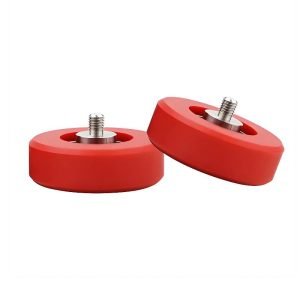
Common Applications: Soft-touch grips, seals, multi-color components
Production Complexity: Higher (often requires two-shot molding)

Insert Molding

Process: Pre-made insert placed in mold before injection
Materials: Often plastic over metal, but can be other combinations
Bonding: Primarily mechanical bonding
Common Applications: Threaded inserts, electrical components, reinforced parts
Production Complexity: Lower (can be done in single shot)

Overmolding Materials

The compatibility between substrate and bonding materials determines bond strength, durability, and performance characteristics of the final part.

  • ABS – Excellent impact resistance and dimensional stability
  • Polycarbonate (PC) – High strength, heat resistance, and optical clarity
  • Nylon (PA) – Superior strength and chemical resistance
  • PBT – Excellent electrical insulation and heat resistance
  • Polypropylene (PP) – Lightweight with good chemical resistance
  • Metal Inserts – Brass, aluminum, steel for structural components
  • TPE – Soft touch, good grip, wide durometer range
  • TPU – Excellent abrasion resistance and elasticity
  • TPV – Superior weather and chemical resistance
  • LSR – High heat resistance, biocompatibility for medical applications
  • Rigid Plastics – For multi-color or multi-property components
Overmolding Materials

Material Compatibility Chart

The following chart indicates the bonding compatibility between common substrate and overmold materials.
C = Chemical bonding possible, M = Mechanical bonding recommended.

Overmold MaterialABSPCNylon (PA)PBTPP
TPU (Thermoplastic Polyurethane)CCCCM
TPE (Thermoplastic Elastomer)CCMMC
TPV (Thermoplastic Vulcanizate)MMMMC
LSR (Liquid Silicone Rubber)MMMMM
Rigid Plastics (PC, ABS, etc.)MMMMM

Overmolding Capabilities

Our state-of-the-art injection molding facility is equipped with advanced machinery to handle a wide range of overmolding projects.
From prototype development to high-volume production, we deliver precision parts that meet your exact specifications.
Overmolding Capabilities
Technical ParameterCapability
Maximum Part Size18″ x 24″ x 8″ (457mm x 610mm x 203mm)
Minimum Part Size0.5″ x 0.5″ x 0.1″ (12.7mm x 12.7mm x 2.5mm)
Shot CapacityUp to 60 oz (1,770 g)
Wall Thickness0.020″ to 0.500″ (0.5mm to 12.7mm)
Dimensional Tolerances±0.003″ (±0.076mm) plus material shrinkage
Surface FinishSPI A1-D3 finishes available
Minimum Draft Angle0.5° for textured surfaces, 0.25° for smooth surfaces
Production VolumePrototypes to 100,000+ parts
Lead TimeAs fast as 15 days for production parts
Quality ControlIn-process inspection, first article inspection, CMM verification

Overmolding Design Tips

  • Wall Thickness – Maintain consistent wall thickness between 0.040″ to 0.120″ (1.0mm to 3.0mm) for optimal material flow and minimal warping.
  • Bond Enhancement – Incorporate mechanical interlocks like undercuts, dovetails, or surface texturing to improve adhesion between materials.
  • Material Selection – Choose compatible substrate and overmold materials that achieve the desired bond strength and performance characteristics.
  • Draft Angles – Design with adequate draft angles (minimum 0.5° for textured surfaces) to facilitate part ejection from the mold.
  • Gate Location – Consider gate placement to minimize visible gate marks and optimize material flow throughout the part.
  • Radii and Corners – Use generous radii (minimum 0.020″ or 0.5mm) to reduce stress concentration and improve material flow.
  • Overmold Thickness – Keep overmold thickness between 0.020″ to 0.100″ (0.5mm to 2.5mm) for optimal bonding and material performance.

Overmolding Finishes

Surface Textures

  • High-gloss polish (SPI A-1, A-2, A-3)
  • Semi-gloss finish (SPI B-1, B-2, B-3)
  • Matte finish (SPI C-1, C-2, C-3)
  • Textured grip patterns (SPI D-1, D-2, D-3)

Color Options

  • Custom color matching (Pantone, RAL)
  • Transparent and translucent options
  • Multi-color combinations
  • Special effects (metallic, pearlescent)

Specialized Finishes

  • Soft-touch coatings
  • Antimicrobial treatments
  • Chemical-resistant finishes
  • UV-resistant coatings

Competitive Benefits of Overmolding Application

Insert molding combines metal inserts with plastic in one efficient step, offering numerous benefits compared to traditional assembly methods. 

Part Consolidation

Reduce assembly costs and improve reliability by combining multiple components into a single overmolded part. Eliminate fasteners, adhesives, and secondary operations while enhancing structural integrity.

Enhanced Ergonomics

Improve user comfort and control with soft-touch overmolded grips and interfaces. Custom textures and durometers can be tailored to specific applications, reducing user fatigue and improving safety.

Environmental Protection

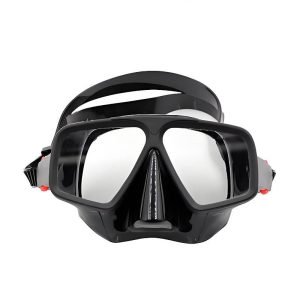
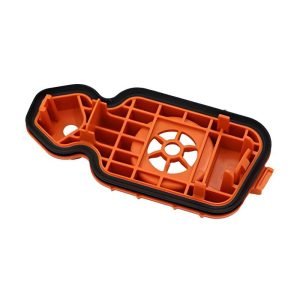
Create waterproof, dustproof, and chemical-resistant seals through strategic overmolding. Protect sensitive components from harsh environments without additional gaskets or sealants.

Vibration Dampening

Reduce noise and vibration with strategically placed elastomeric overmolds. Improve equipment performance and longevity while enhancing user comfort and reducing fatigue.

Aesthetic Enhancement

Differentiate your products with multi-color, multi-texture overmolded components. Incorporate branding elements directly into the part while improving visual and tactile appeal.

Cost Reduction

Lower total production costs through elimination of assembly steps, reduced part count, and minimized inventory management. Streamline your supply chain while improving product quality and consistency.

Overmolding Process

Our overmolding process combines precision engineering with advanced manufacturing techniques to create seamless, multi-material components.
Depending on your project requirements, we utilize either two-shot molding or insert molding processes.

Discuss Your Technical Requirements

Our engineering team can help determine the optimal approach based on your specific requirements.

Two-Shot Overmolding Process

  • Substrate Injection – The first material (substrate) is injected into the mold cavity
  • Mold Rotation – The mold rotates to position the substrate for the second shot
  • Overmold Injection – The second material is injected over the substrate
  • Cooling – The complete part cools within the mold
  • Ejection – The finished multi-material part is ejected from the mold
  • Quality Inspection – Each part undergoes rigorous quality control

Insert Overmolding Process

  • Substrate Production – Substrates are molded in a separate operation
  • Substrate Placement – Pre-molded substrates are manually placed in the second mold
  • Overmold Injection – The overmold material is injected around the substrate
  • Cooling – The complete part cools within the mold
  • Ejection – The finished multi-material part is ejected from the mold
  • Quality Inspection – Each part undergoes rigorous quality control

Industries We Servce

Automotive

Durable, aesthetically pleasing components for interior and exterior applications, including handles, knobs, and trim pieces.

Medical Devices

FDA-compliant materials and clean room manufacturing for surgical instruments, diagnostic equipment, and patient care devices.

Industrial

Ergonomic, durable tools and equipment with enhanced grip, vibration dampening, and environmental protection.

Overmolded Parts

Start Your Overmolding Project Today

Ready to enhance your product with custom overmolding?

Contact us today to discuss your project requirements and receive a competitive quote.

Related Resources

Start your project now