You might be surprised to know that over 100 million metric tons of aluminum are produced worldwide each year, with a significant portion being used in casting processes. This process is widely used in various industries, including automotive, aerospace, and consumer goods, due to aluminum’s lightweight, corrosion-resistant, and highly versatile nature.
Understanding Aluminum Casting
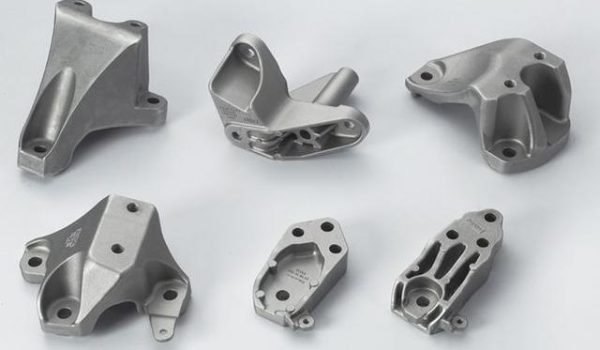
Aluminum casting is a widely used manufacturing process that involves pouring molten aluminum into a mold to create complex shapes.
Definition and Basic Principles
Aluminum casting is defined as the process of pouring molten aluminum into a cavity or mold to create parts with specific shapes and properties after solidification. The fundamental principle behind this process is based on aluminum’s relatively low melting point of 660°C/1220°F, which makes it ideal for various casting methods. By forming heat-resistant cavities into which molten aluminum is introduced, allowed to cool, and solidified into the desired shape, manufacturers can produce a wide range of aluminum castings.
Historical Development of Aluminum Casting
Casting is one of the oldest known metallurgical techniques, dating back to the extraction of copper from ores in open fires. Over time, human technological development progressed through various material-driven transitions, including the Bronze Age and the Iron Age. By the mid-20th century, aluminum emerged as a competitive alternative in specific applications driven by the demands of the aerospace, automotive, and electrical industries. As a result, different aluminum alloys were developed over time to enhance specific properties for various applications, revolutionizing manufacturing by offering a lightweight alternative to traditional materials.
The evolution of aluminum casting from simple hand-pouring techniques to sophisticated automated processes has enabled high-precision manufacturing. This kind of advancement has improved efficiency and quality, making aluminum casting a preferred method for producing complex metal parts.
Properties of Cast Aluminum
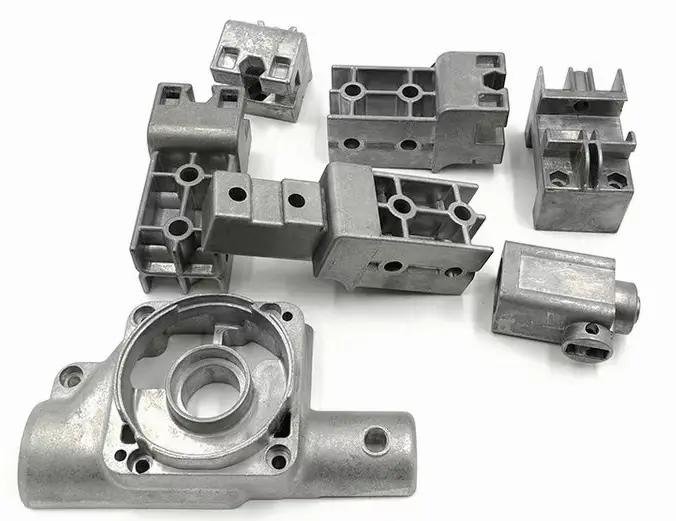
When it comes to metal casting, aluminum stands out due to its unique properties. Cast aluminum is widely used in various industries due to its excellent stiffness-to-weight ratio, corrosion resistance, and thermal conductivity.
Physical and Mechanical Properties
Cast aluminum alloys exhibit a range of physical and mechanical properties that make them suitable for different applications. The density of cast aluminum is approximately 2.7 g/cm³, which is about one-third that of steel, making it exceptionally lightweight for structural applications.
Tensile Strength and Durability
The tensile strength of cast aluminum varies significantly depending on the alloy composition, casting method, and heat treatment condition. For instance, pure aluminum has a tensile strength of about 90 MPa, while certain casting alloys like A07130 can reach around 221 MPa. The durability of cast aluminum parts is also noteworthy, with good resistance to corrosion, fatigue, and environmental factors.
Heat Resistance and Conductivity
Cast aluminum alloys generally offer excellent heat resistance and thermal conductivity. Some alloys can withstand temperatures up to 350°C while maintaining structural integrity. This property, combined with its excellent electrical conductivity, makes cast aluminum a versatile material for various applications.
Comparing Cast Aluminum to Other Materials
Cast aluminum is often compared to other materials in terms of its properties and performance. One key comparison is between cast and forged aluminum, where the primary difference lies in their crystalline structure due to the manufacturing process.
Cast vs. Forged Aluminum
The crystalline structure in cast aluminum is highly variable and disoriented due to the lack of control over the cooling process. This affects its mechanical properties compared to forged aluminum, which has a more uniform structure.
Aluminum vs. Other Casting Metals
When comparing aluminum to other casting metals like iron, steel, and brass, aluminum stands out due to its lightweight and corrosion-resistant properties. However, the choice of material ultimately depends on the specific requirements of the application, including factors like strength, cost, and environmental conditions.
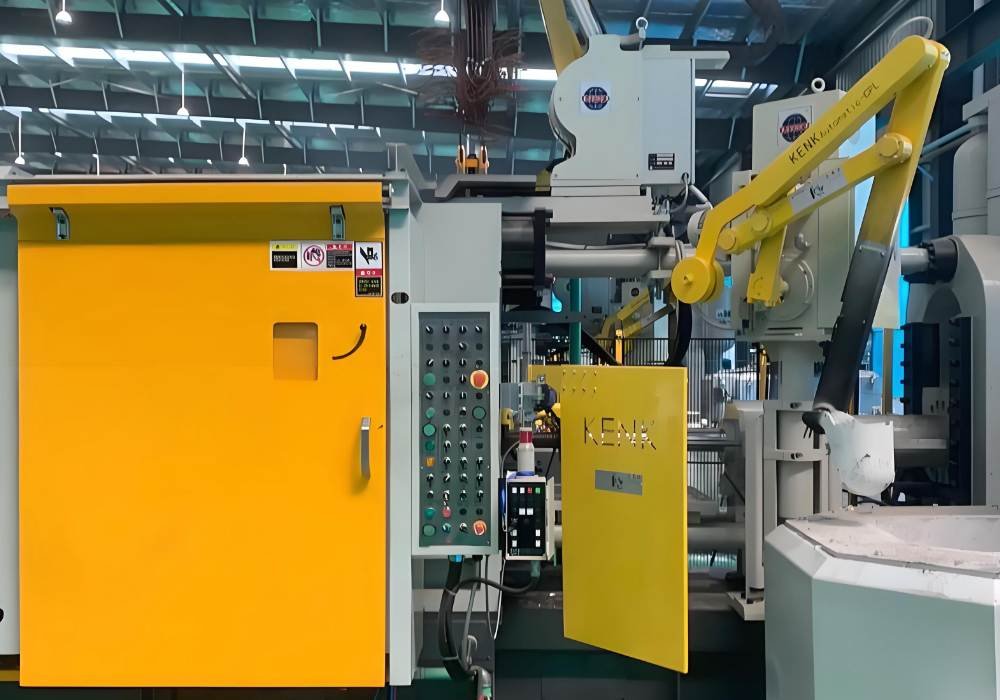
Aluminum Casting Processes
The world of aluminum casting encompasses a range of processes, each with its unique advantages and applications. You can choose from various methods to produce high-quality aluminum castings, depending on your specific needs and production requirements.
Die Casting
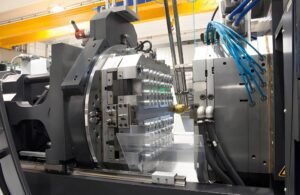
Die casting uses a hardened steel, two-part cavity tool, known as a die, to produce high-volume, high-detail parts with excellent dimensional accuracy and surface finish. Molten aluminum is poured or forced into the die, allowing for the creation of complex geometries. This process is ideal for producing large quantities of parts with consistent quality.
Sand Casting
Sand casting is one of the most versatile and widely used aluminum casting methods. It involves creating a sand mold using a pattern, typically made from wood, and packing it into two box halves. The sand is mixed with a binding agent, and talc serves as a release and separating agent. This process allows for the production of complex parts with varying sizes and geometries.
Investment Casting
Investment casting, also known as lost-wax casting, uses a sacrificial positive model of the required part. A wax pattern is created and then surrounded by a refractory material. Before molten aluminum is poured into the mold, the wax is vaporized or driven out by baking the plaster tool, leaving a cavity that is then filled with molten aluminum. This process enables the creation of extremely complex geometries with excellent surface finish and dimensional accuracy.
Other Casting Methods
In addition to die casting, sand casting, and investment casting, there are several other aluminum casting processes that offer unique benefits and advantages.
Permanent Mold Casting
Permanent mold casting involves using a reusable mold, typically made from steel, to produce castings. This process offers better mechanical properties than sand casting and is more economical than die casting for medium production volumes.
Lost Foam Casting
Lost foam casting is a variation of investment casting that uses foam patterns instead of wax. This process offers unique advantages for certain applications, such as producing complex parts with intricate geometries.
Centrifugal Casting
Centrifugal casting uses centrifugal force to distribute molten aluminum, creating parts with excellent density and minimal porosity. This process is particularly useful for producing cylindrical or tubular parts.
Vacuum Die Casting
Vacuum die casting differs from pressure or gravity die casting in that it uses a reservoir below the casting tool. It pulls the molten material up by a vacuum applied to the tool, resulting in parts with reduced porosity and superior mechanical properties compared to conventional die casting.
Key Advantages of Using Aluminum for Casting
The advantages of using aluminum for casting are multifaceted, impacting both product performance and production efficiency.
Lightweight and Strength Benefits
Aluminum castings offer an exceptional strength-to-weight ratio, making them ideal for applications where weight reduction is critical. You can achieve significant weight savings without compromising on strength, as cast aluminum components typically weigh about one-third as much as equivalent steel parts.
Corrosion Resistance and Durability
Aluminum naturally forms an oxide layer that provides excellent corrosion resistance, extending the lifespan of cast aluminum parts even in harsh environments. When properly designed, cast aluminum parts can remain functional for decades, offering durability and reliability.
Cost-Effectiveness and Production Efficiency
The cost-effectiveness of aluminum casting is evident in its lower energy requirements for melting, the ability to recycle scrap (including beverage cans), and reduced finishing costs. You can also benefit from aluminum’s excellent castability, lower processing temperatures, and the ability to create complex shapes in a single operation, enhancing production efficiency.
Conclusion: The Future of Aluminum Casting
Looking ahead, the importance of aluminum casting in creating complex, lightweight components is undeniable. As industries continue to demand more efficient and durable materials, aluminum casting remains a vital technology.
The future of aluminum casting is being shaped by advancements in simulation software, which improve casting design and reduce defects like porosity. Moreover, environmental considerations are driving the industry towards more sustainable practices, such as recycling scrap aluminum and enhancing furnace technology for better fuel efficiency.
Emerging industries, including electric vehicles and renewable energy, are further boosting the demand for aluminum castings. Innovations in alloy development are also expanding the possibilities for specialized applications. As automation and digital manufacturing transform traditional casting processes, the consistency and production time are significantly improved.
In conclusion, aluminum casting will continue to evolve, meeting the changing needs of modern manufacturing while maintaining its position as a cornerstone metal forming technology. With its unique blend of properties and versatility, aluminum casting is poised to remain a leading method for producing high-quality, complex components.