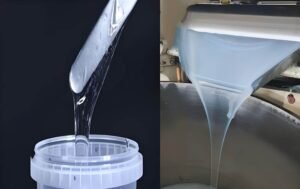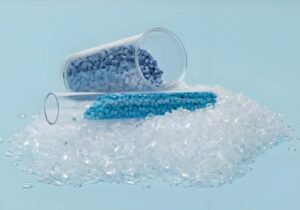
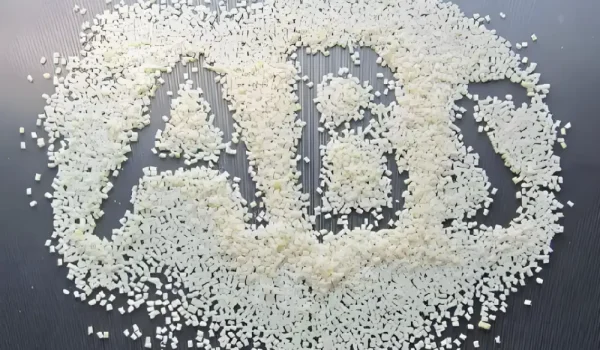
Did you know that Acrylonitrile Butadiene Styrene, commonly referred to as ABS, is one of the most versatile engineering thermoplastics used across numerous industries? Thanks to its excellent balance of ABS plastic properties, cost-effectiveness, and ease of processing, it has become the material of choice for automotive parts, consumer electronics, medical devices, toys, and countless other products.
As a material, ABS combines the best properties of its three component monomers: acrylonitrile, butadiene, and styrene, resulting in excellent mechanical properties. In this comprehensive guide, we will explore the ABS material properties, different ABS plastic types, real-world ABS plastic applications, and key considerations for engineers and manufacturers.
What is ABS Plastic?
When it comes to durable plastics, ABS is a top contender. ABS plastic is a terpolymer made from three monomers: acrylonitrile (chemical and heat resistance), butadiene (impact strength and toughness), and styrene (rigidity and glossy finish). By adjusting the ratio of these monomers, manufacturers can create customized ABS plastic grades with tailored performance.
This unique chemical structure gives ABS its signature combination of strength, toughness, and excellent surface finish. As a thermoplastic polymer, ABS can be repeatedly melted and reformed without significant degradation, making it ideal for various manufacturing processes and recycling.
Key ABS Plastic Properties
The versatility of ABS plastic comes from its well-balanced properties:
Chemical Properties: ABS plastic exhibits excellent chemical resistance, withstanding exposure to a wide range of chemicals, including acids, alkalis, oils and various solvents. Its hydrophobic nature means it repels water, contributing to its durability in moist environments. However, it can be susceptible to certain solvents and prolonged UV exposure.
Thermal Properties: ABS has a relatively low melting point, typically ranging from 200 to 240 degrees Celsius, making it easy to process. It also exhibits decent heat resistance, typically 95–100°C of heat deflection temperature, allowing it to withstand moderate temperatures without significant deformation or softening or degradation of its material properties.
Physical Properties: The physical properties of ABS plastic include its relatively low density, good hardness, excellent impact resistance, and good tensile strength, typically ranging from 35 to 50 megapascals. These characteristics provide an excellent strength-to-weight ratio, making ABS ideal for applications where weight is a consideration. Its balanced rigidity and flexibility further enhance its suitability for a wide range of uses.
Besides, ABS Plastic has naturally glossy surface that is easy to paint or plate, and superior electrical insulation properties. All these properties make ABS Plastic suitable for both structural and aesthetic applications.
Factors Affecting ABS Material Properties
Several factors influence the final performance of ABS plastic:
- Glass fiber reinforcement (increases stiffness)
- Flame retardant additives (improve fire safety)
- UV stabilizers (prevent yellowing outdoors)
- Alloy blends like PC/ABS (combine heat resistance with toughness)
Common Types of ABS Plastic Grades
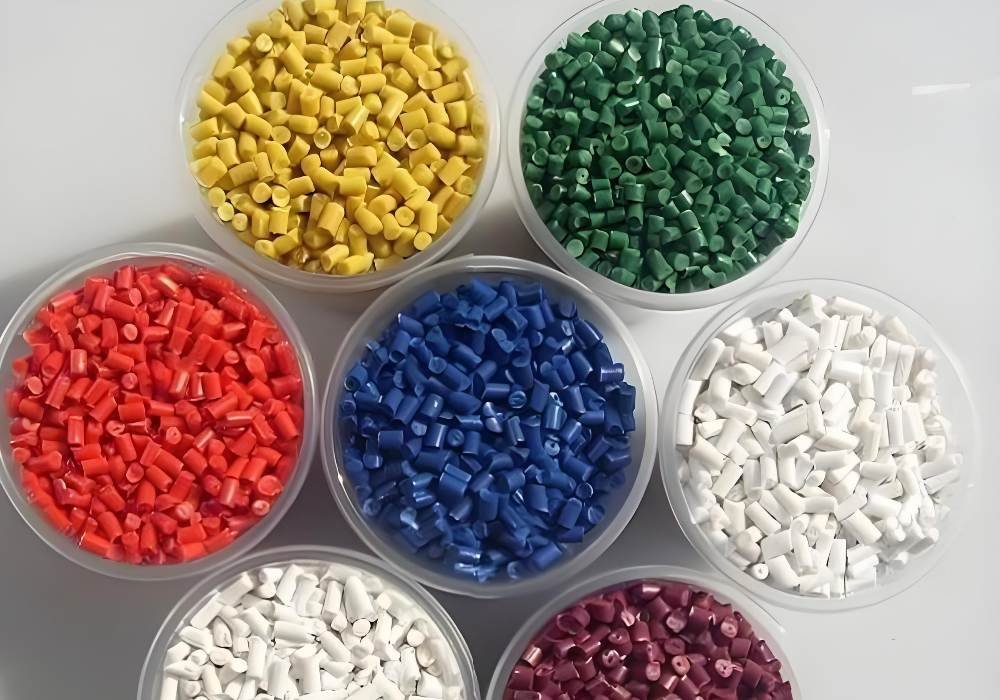
ABS plastic is available in a range of specialized grades, each formulated to enhance specific properties for different applications and environments. You can choose from a variety of ABS plastic grades, depending on your project’s requirements.
General-Purpose ABS
General-Purpose ABS offers a balanced set of properties suitable for most common applications. It provides good mechanical strength, impact resistance, and processability at a reasonable cost, making it a popular choice for a wide range of uses.
Flame-Retardant ABS
Flame-Retardant ABS incorporates special additives that reduce flammability and smoke generation. This makes it ideal for electronics housings, automotive interiors, and building materials where fire safety is critical.
High-Impact ABS
High-Impact ABS is engineered to provide exceptional impact resistance even at low temperatures. This makes it perfect for applications subject to mechanical shock or impact loads, ensuring durability and performance.
Heat-Resistant ABS
Heat-Resistant ABS grades can withstand higher temperatures without deformation, typically up to 95-100°C. This extends the material’s usability in automotive components and appliances exposed to heat.
UV-Resistant ABS
UV-Resistant ABS contains stabilizers that prevent degradation and color fading when exposed to sunlight. This makes it suitable for outdoor applications and products with extended exposure to UV radiation.
Common Applications of ABS Plastic
With its unique combination of properties, ABS plastic finds use in a wide array of products, from simple consumer products to complex engineering components. Its versatility, cost-effectiveness, and ease of processing make it a preferred material across various industries.
Automotive Industry Applications
In the automotive industry, ABS plastic is extensively used for dashboard components, interior trim, door handles, and body parts. Its impact resistance and aesthetic appeal make it valuable for enhancing both the functionality and appearance of vehicle interiors.
Consumer Electronics and Appliances
Consumer electronics and appliances benefit from ABS’s electrical insulation properties and attractive finish. It is ideal for device housings, keyboard keys, and internal components in products ranging from smartphones to vacuum cleaners. The material’s ability to provide a smooth finish and withstand various environmental conditions makes it a popular choice.
Toys and Recreational Products
The toy industry has embraced ABS plastic for decades, with LEGO being the most famous example. The material’s durability, color stability, and safety characteristics make it perfect for creating toys that are both fun and safe for children. ABS plastic is also used in various recreational products, leveraging its properties for enhanced performance and user safety.
Construction and Plumbing
In construction and plumbing, ABS plastic is valued for its weather resistance and strength. It is used for pipes, fittings, drain systems, and various structural components. The material’s resistance to corrosion and ability to withstand harsh environmental conditions make it an ideal choice for these applications.
ABS plastic’s wide range of applications is a testament to its versatility and the value it brings to various industries. As technology advances and new applications are discovered, the demand for ABS plastic is expected to continue growing.
Production Methods for ABS Parts
ABS plastic is a versatile material that can be processed using various manufacturing methods, with its low melting point making it particularly suitable for efficient production.
Injection Molding
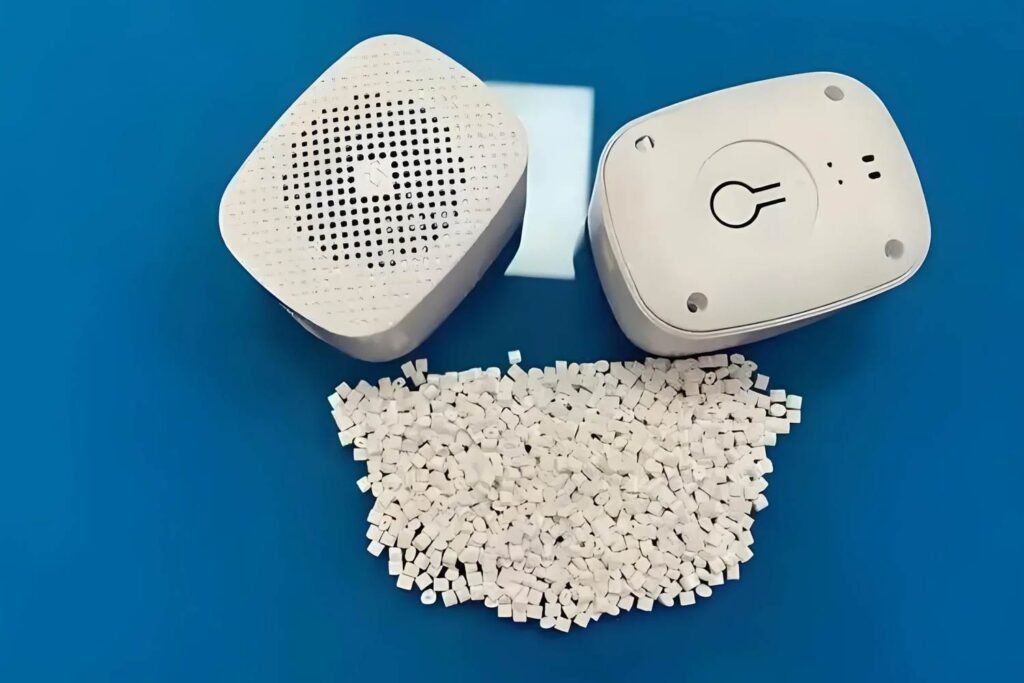
Injection molding is the most common production method for ABS parts, allowing for complex geometries, tight tolerances, and high-volume production with excellent surface finish. The injection molding process involves melting ABS pellets and injecting the molten material into a mold cavity under high pressure, where it cools and solidifies into the desired shape.
Extrusion
Extrusion is another widely used method for producing continuous profiles of ABS, such as pipes, sheets, and films, by forcing the melted material through a die of the desired cross-section. This process is ideal for creating long, uniform products.
3D Printing with ABS
3D printing with ABS has become increasingly popular for prototyping and small-scale production, utilizing the material’s low melting point and good layer adhesion properties. When using ABS in 3D printing, considerations must be made for its tendency to warp and shrink during cooling, often requiring heated build platforms and enclosed printing environments.
Other processing methods for ABS include blow molding for hollow parts, thermoforming for sheets, and rotational molding for large hollow products. The choice of production method depends on the specific application and desired properties of the final product. At Fecision, we specialize in precision ABS injection molding with tight tolerances and consistent quality.
Advantages and Limitations of ABS Plastic
When considering the use of ABS plastic, it’s essential to weigh its advantages and disadvantages.
Key Advantages
ABS plastic offers numerous benefits, including excellent impact resistance and mechanical strength, making it ideal for products that need to withstand physical stress and impacts. Its superior electrical insulation properties also make it a preferred material for electronic housings and components where electrical safety is critical.
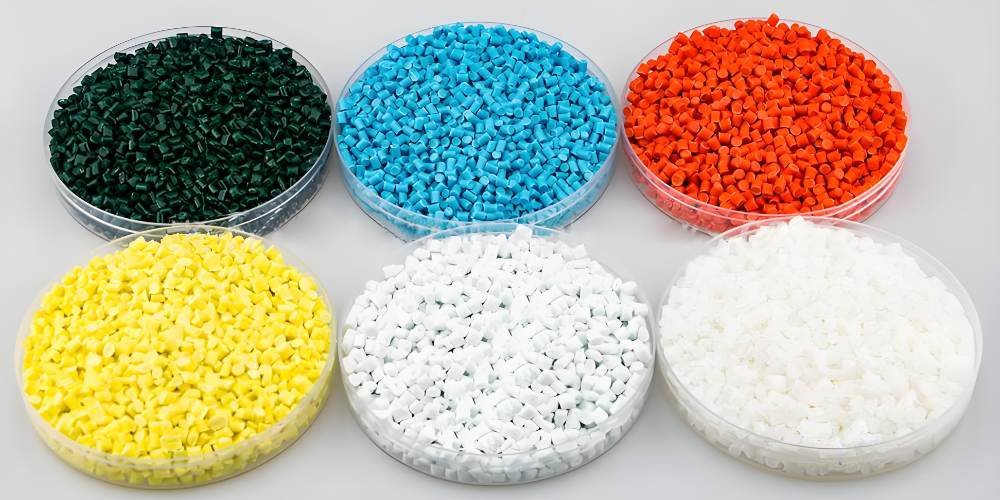
Additionally, ABS provides good chemical resistance to many common substances and is cost-effective compared to many other engineering plastics. Its versatility in terms of color and surface texture options, as well as its ability to be manufactured to a high-quality finish, further contribute to its popularity.
Limitations and Drawbacks
Despite its many benefits, ABS plastic does have some limitations. Its poor resistance to UV radiation can cause degradation and yellowing when exposed to sunlight for extended periods. ABS also has limited heat resistance, with a maximum continuous use temperature typically around 80°C, making it unsuitable for high-temperature applications.
Furthermore, ABS shows poor resistance to certain organic solvents, which can cause crazing, cracking, or dissolution of the plastic. Understanding these limitations is crucial for selecting the appropriate material for your specific application.
Plastic Materials Similar to ABS
If you’re looking for materials similar to ABS, you have several options to consider. While ABS is a versatile plastic used in a wide range of applications, other materials may offer properties that are more suitable for specific uses.
Polycarbonate (PC)
Polycarbonate is often compared to ABS due to its high impact resistance. However, PC offers superior heat resistance, optical clarity, and UV stability, making it ideal for applications that require these properties. PC/ABS blends are also used to combine the best properties of both materials, providing improved heat resistance while maintaining good processability and impact strength.
Polystyrene (PS)
Polystyrene is less expensive than ABS but has lower impact resistance and heat deflection temperature. It is suitable for applications where cost is a primary concern and mechanical requirements are less demanding. High-impact polystyrene (HIPS) is a modified version that improves impact resistance, bringing it closer to ABS in performance while maintaining a lower cost.
Polyethylene (PE)
Polyethylene offers excellent chemical resistance and water resistance, making it suitable for containers, packaging, and parts that need to withstand exposure to chemicals. However, it lacks the rigidity and heat resistance of ABS, limiting its use in applications that require these properties.
Working with ABS: Design Considerations
When designing parts using ABS plastic, several important factors can help optimize performance and manufacturability.
Surface Finishing Techniques
ABS offers excellent surface finishing possibilities, including painting, electroplating, vacuum metallization, and mechanical polishing. The material responds well to acetone vapor smoothing, which can eliminate layer lines in 3D printed parts and create a glossy surface finish. ABS plastic can achieve a smooth and glossy surface finish when properly processed, making it ideal for various applications.
Joining and Assembly Methods
For joining and assembly, ABS can be effectively bonded using solvent-based adhesives, ultrasonic welding, or mechanical fastening methods like snap-fits and screws. When designing snap-fit features in ABS parts, take advantage of the material’s good flexibility and fatigue resistance.
Consider the end-use environment, particularly exposure to UV radiation and water, when designing parts and selecting appropriate additives or surface treatments.
Conclusion
ABS plastic remains a top choice for designers and manufacturers due to its balanced ABS plastic properties, wide range of ABS plastic types, and versatile ABS plastic applications. Whether you need high-impact parts for automotive use or flame-retardant housings for electronics, the right ABS grade delivers reliable performance at an attractive cost.
Fecision is a reliable partner for high-quality ABS parts manufacturing, offering expertise in various production methods. If you need precision ABS parts manufactured to exact specifications, contact us today for expert advice on material selection, tooling, and high-quality ABS injection molding solutions.