High-density polyethylene, or HDPE, is a versatile thermoplastic. It has unique properties that make it perfect for many uses. Knowing about HDPE’s properties is key for those thinking about injection molding.
The injection molding process melts and shapes HDPE into the desired form. This makes it a big deal in manufacturing HDPE.
HDPE is used in many things like consumer goods, packaging, and industrial stuff. It’s durable, resistant to corrosion, and affordable. The injection molding process makes it easy to produce HDPE products in large quantities with great precision.
When deciding to use HDPE in injection molding, several things matter. These include the product’s characteristics, how much you plan to make, and the cost. By looking at HDPE’s properties and the injection molding process, manufacturers can decide if HDPE is right for them. We’ll explore more about HDPE properties, the injection molding process, and what makes HDPE injection molding successful.
Understanding HDPE and Its Properties
High-density polyethylene, or HDPE, is a strong and durable thermoplastic. It’s known for its resistance to chemicals. Knowing what HDPE is and what it can do is key in plastic making.
HDPE is used in many fields like packaging, construction, and making everyday items. Its high density and strength make it perfect for products that need to last. It also resists chemicals well, which is great for items exposed to harsh substances.
What is HDPE?
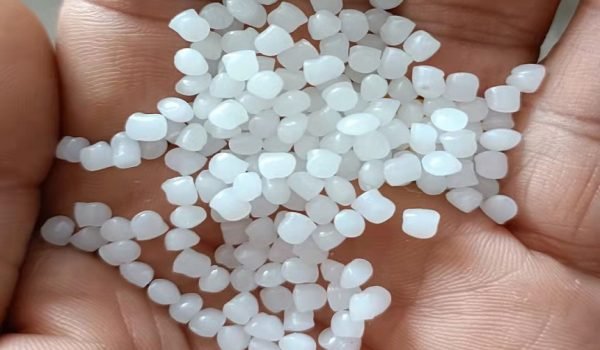
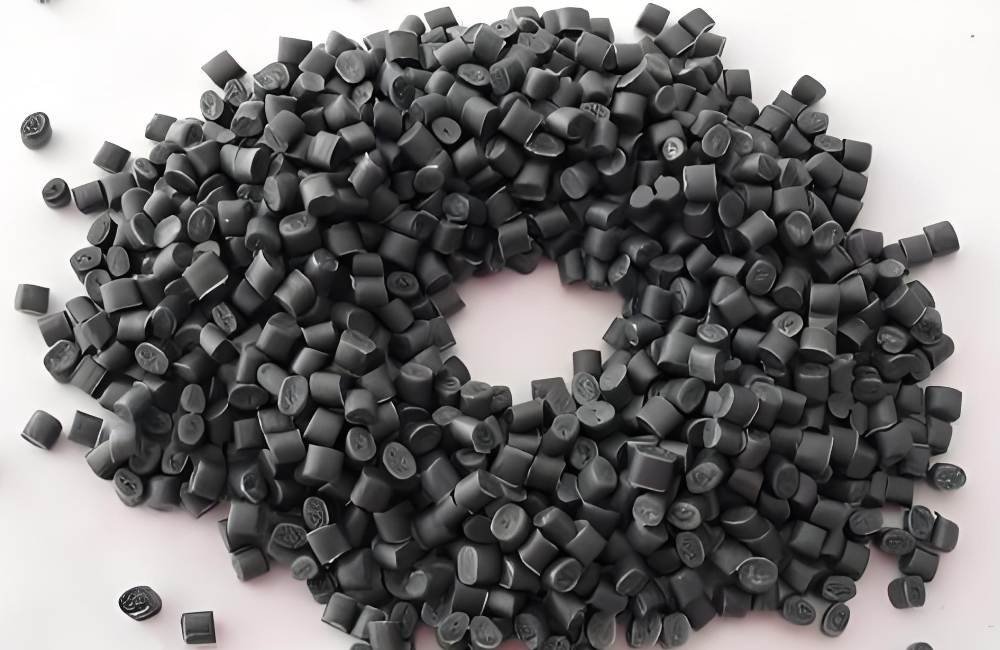
HDPE is a thermoplastic that can be molded into many shapes. Its molecules are packed tightly, giving it its special properties. In plastic making, HDPE is often used for containers, pipes, and fittings.
Key Characteristics of HDPE
HDPE has some important features:
- High density and strength
- Resistance to chemicals and environmental factors
- Durability and long lifespan
- Easy to mold and shape
Applications of HDPE
HDPE is used in many ways across different industries, including:
- Packaging: containers, bottles, and caps
- Construction: pipes, fittings, and geomembranes
- Consumer goods: household items, toys, and furniture
The Injection Molding Process
The injection molding process is complex. It uses special machinery to make plastic parts. It’s common in many fields, like consumer goods and packaging.
The quality of the parts depends on several things. These include the plastic type, mold design, and manufacturing methods.
Overview of Injection Molding
Injection molding involves melting plastic and shaping it in a mold. It cools and solidifies into the desired form. This process has several steps, like design and production.
Equipment Used in Injection Molding
The equipment needed includes machines, molds, and tools like robots. The choice of equipment depends on the plastic type and part size. The manufacturing steps are vital for quality parts.
Steps in the Injection Molding Process
The process has design, tooling, production, and quality control steps. Each step is important for meeting quality standards. Using the right machinery and methods is essential for quality parts.
Is HDPE Suitable for Injection Molding?
HDPE has its good points and bad points for injection molding. It’s strong and durable, which is great for many uses. But, it can be tricky to work with because of its high melt temperature and the choice of materials.
Choosing the right HDPE for injection molding is key. You need to think about cost, how it affects the environment, and what the product needs to be like. Knowing HDPE’s strengths and weaknesses helps makers decide if it’s right for their projects.
Advantages of Using HDPE in Injection Molding
- High strength-to-weight ratio
- Chemical resistance
- UV resistance
- Cost-effective
Limitations of HDPE for Injection Molding
- High melt temperature requirements
- Limited flexibility
- Potential for warping or shrinkage
Looking at HDPE’s good and bad sides helps makers decide if it’s good for their projects. They need to think about the material and the molding process.
| Material Property | HDPE | Other Thermoplastics |
|---|---|---|
| Density | 0.94-0.97 g/cm³ | Varies |
| Melt Temperature | 120-140°C | Varies |
| Tensile Strength | 20-30 MPa | Varies |
Factors Influencing HDPE Injection Molding
HDPE injection molding quality depends on several key factors. Knowing these factors helps improve the molding process. It ensures the final products are of high quality. HDPE processing involves careful attention to melt temperature, cooling time, and quality control.
The melt temperature is very important. It affects how easily HDPE flows. If it’s too high, the material can break down. If it’s too low, the mold might not fill properly. Optimizing the melt temperature is key to getting the best product quality. Cooling time and cycle optimization also play big roles in the final product’s quality.
- Material selection and preparation
- Mold design and construction
- Injection molding machine settings
- Cooling and cycle time optimization
By controlling these factors and optimizing the molding process, manufacturers can make high-quality HDPE products. These products will have consistent properties and performance. Quality control is also vital to ensure the products meet standards and specifications.
Optimizing HDPE injection molding parameters is critical to achieving high-quality products with consistent properties and performance.
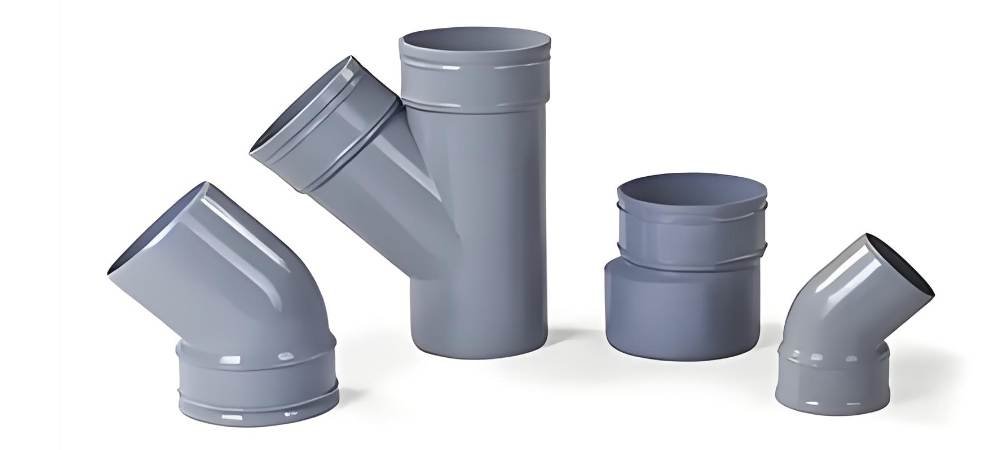
Common Uses of Injection-Molded HDPE Products
Injection-molded HDPE products are used in many ways across different industries. HDPE’s versatility makes it perfect for plastic packaging, consumer goods, and medical devices.
Some common uses of HDPE products include:
- Plastic packaging for food, beverages, and cosmetics
- Consumer goods, such as household items and personal care products
- Medical devices, including surgical instruments and medical equipment
HDPE is also used in industrial settings, like piping systems and storage containers. Its durability and resistance make it a top choice for these needs.
| Industry | Application | HDPE Product |
|---|---|---|
| Food and Beverage | Packaging | Bottles, containers |
| Medical | Medical Devices | Surgical instruments, equipment |
| Industrial | Piping Systems | Pipes, fittings |
HDPE’s wide use in industries shows its value and versatility in today’s manufacturing. The need for HDPE products is likely to keep growing. This is because of its durability, resistance, and flexibility.
Comparing HDPE with Other Thermoplastics
When looking at thermoplastics for different uses, it’s key to compare them well. High-density polyethylene (HDPE) stands out because of its strength, durability, and resistance to chemicals and UV rays.
HDPE vs. LDPE shows clear differences in what they can do. HDPE is denser and melts at a higher temperature, perfect for strong needs. LDPE, being more flexible and melting at a lower temperature, is better for easy-to-make items.
Comparing HDPE to PVC shows more differences. PVC is stiff and resists chemicals well, but HDPE is more flexible and melts at a higher temperature. Knowing these differences helps pick the right plastic for a job.
Key Differences Between HDPE and LDPE
- Density: HDPE has a higher density than LDPE
- Melting point: HDPE has a higher melting point than LDPE
- Flexibility: LDPE is more flexible than HDPE
By looking at these points and comparing thermoplastics, makers and designers can choose the best material. This leads to making top-quality products that meet the needed standards.
Process Considerations for HDPE Injection Molding
HDPE injection molding requires careful attention to several key factors. Mold design is critical for the quality of the final product. A well-designed mold can improve product quality and reduce production time.
Process optimization is also vital. It involves fine-tuning the molding process for the best results. Adjusting the injection speed and pressure is important to mold HDPE correctly. Here are some key factors to consider:
- Mold temperature control
- Cooling time and cycle optimization
- Injection speed and pressure settings
By focusing on these factors and optimizing the process, manufacturers can create high-quality HDPE products. This is done using
| Process Consideration | Importance |
|---|---|
| Mold design | High |
| Injection speed and pressure settings | Medium |
| Process optimization | High |
Environmental Considerations
The world is moving towards more sustainable practices. This includes looking at the environmental impact of HDPE products. The production and disposal of HDPE can harm the environment, from pollution to waste management. But, with sustainable plastics and HDPE recycling, we can lessen this impact.
HDPE’s recyclability is key to reducing its environmental impact. Recycling HDPE helps cut down waste and saves natural resources. By recycling, we can reduce plastic waste in landfills and oceans, lessening HDPE’s environmental footprint.
Sustainability of HDPE Products
Companies are now making sustainable HDPE products. These are made from recycled materials or biodegradable alternatives. This innovation could greatly reduce HDPE’s environmental impact, making it a better choice for many uses.
Recycling of HDPE
HDPE has a lot of recycling possibilities. Many organizations and governments are investing in HDPE recycling technologies. By improving recycling and encouraging people to recycle, we can increase HDPE recycling rates. This helps reduce waste and supports a circular economy.
- Conservation of natural resources
- Reduced greenhouse gas emissions
- Decreased waste in landfills and oceans
- Lower production costs for manufacturers
By adopting sustainable practices and investing in HDPE recycling, we can lessen HDPE’s environmental impact. This promotes a sustainable future for future generations.
| Material | Recycling Rate | Environmental Impact |
|---|---|---|
| HDPE | 30-40% | High |
| PET | 20-30% | Medium |
| PVC | 10-20% | Low |
Challenges in HDPE Injection Molding
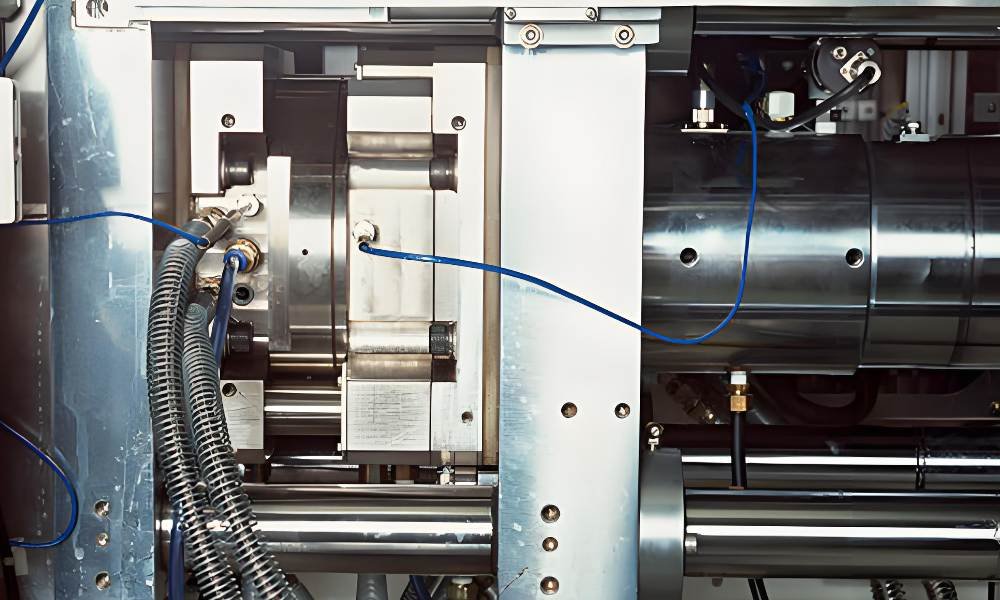
HDPE injection molding is a complex process. Manufacturers often face challenges that can affect the quality of the final product. One big injection molding challenge is defects like warping, sinking, or discoloration. To solve these problems, it’s key to use effective defect prevention strategies.
This includes proper mold design, accurate temperature control, and the right injection speeds. These steps help ensure the product quality.
Another important part of HDPE injection molding is troubleshooting problems that come up during production. Issues can be with the mold, the material, or the machine itself. Finding and fixing the problem quickly helps avoid downtime and ensures products meet standards.
- Material degradation due to excessive heat or moisture
- Mold wear and tear, leading to defective products
- Injection molding machine malfunctions, such as faulty sensors or actuators
Understanding the injection molding challenges and taking steps to prevent defects and solve problems helps manufacturers. They can then optimize their HDPE injection molding processes. This leads to producing high-quality products that meet customer needs.
Future Trends in HDPE and Injection Molding
The world of plastics is changing fast, with a big push for sustainability and new ideas. HDPE and injection molding are getting a boost from this. New formulas and tech are making the process better and greener. This includes making HDPE stronger and more efficient.
More people want products that are good for the planet. This means HDPE products made by injection molding will be in high demand. They need to be light, strong, and easy to recycle.
Innovations in HDPE Mixing and Formulation
- Development of new additives and compounds to improve HDPE’s properties and performance
- Advances in mixing and formulation technologies to enhance efficiency and reduce waste
- Creation of sustainable and eco-friendly HDPE formulations that meet market trends and consumer demands
Market Trends in Injection-Molded Products
There’s a big shift towards greener products in injection molding. We’re seeing more recycled materials, bioplastics, and ways to use less energy and waste. As plastics evolve, HDPE and market trends will lead the way in the industry.
Conclusion: The Viability of HDPE in Injection Molding
High-density polyethylene (HDPE) is a versatile thermoplastic material. It has many benefits for injection molding. Its durability, chemical resistance, and cost-effectiveness make it a top choice for many HDPE injection molding uses. This includes everything from consumer goods to industrial parts.
Summary of Benefits
The main benefits of using HDPE in injection molding are clear. It has excellent mechanical properties and is easy to process. HDPE is also cost-effective. Its high impact strength, stiffness, and resistance to chemicals and corrosion make it perfect for durable products.
The injection molding process is efficient for producing complex HDPE parts. It allows for high-volume production with tight tolerances.
Final Thoughts on HDPE Injection Molding
The benefits of HDPE injection molding are undeniable. This material will keep playing a big role in manufacturing. As HDPE and injection molding technology improve, we’ll see more innovative uses for it.
Overall, HDPE’s role in injection molding is strong. It’s a valuable solution for a wide range of product needs.