
Injection molding is an important manufacturing process used to create intricate plastic parts with high precision. It finds application in automotive, electronics, and even consumer goods. However, various components contribute to the efficient functioning of an injection mold. Two common ones include core pins and ejector pins. Keep reading to understand the core pin vs ejector pin and their respective roles!
What is a Core Pin in an Injection Mold?
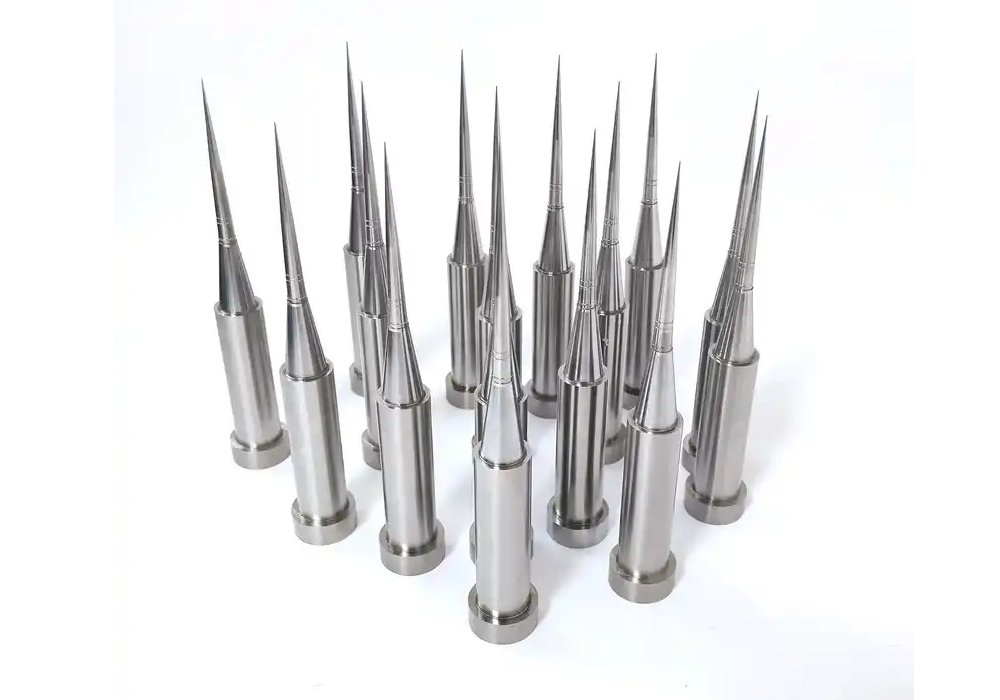
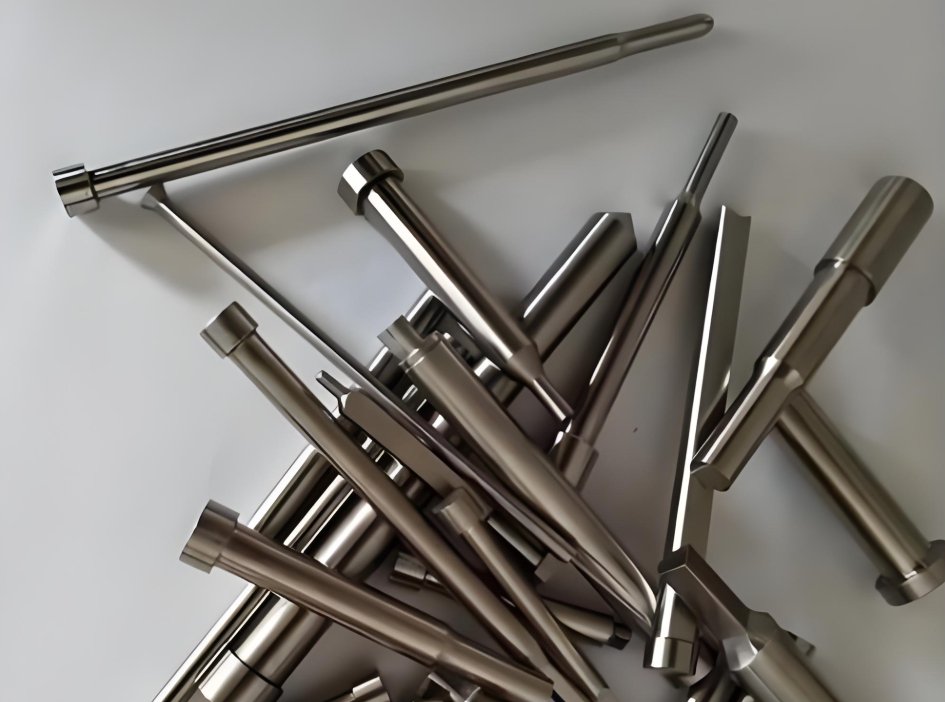
Core pins, also known as carbide pins, are hardened steel that are present in the injection mold. They form intricate details and hollow sections on the plastic or metal castings. These pins are also helpful in maintaining the dimensional accuracy of various industrial products and preventing shrinkage. Here’s an overview of the types of core pins:
- Straight Core Pins: Straight core pins are cylindrical, fixed metal components that create straight side holes and cavities in the molded part.
- Tapered Core Pins: As the name implies, these pins have a slight taper or angle that aids in the easy ejection of molded parts.
- Threaded Core Pins: These hardened steel components feature a thread suitable for creating thread-like patterns on plastics and metals.
What is an Ejector Pin in Injection Molds?
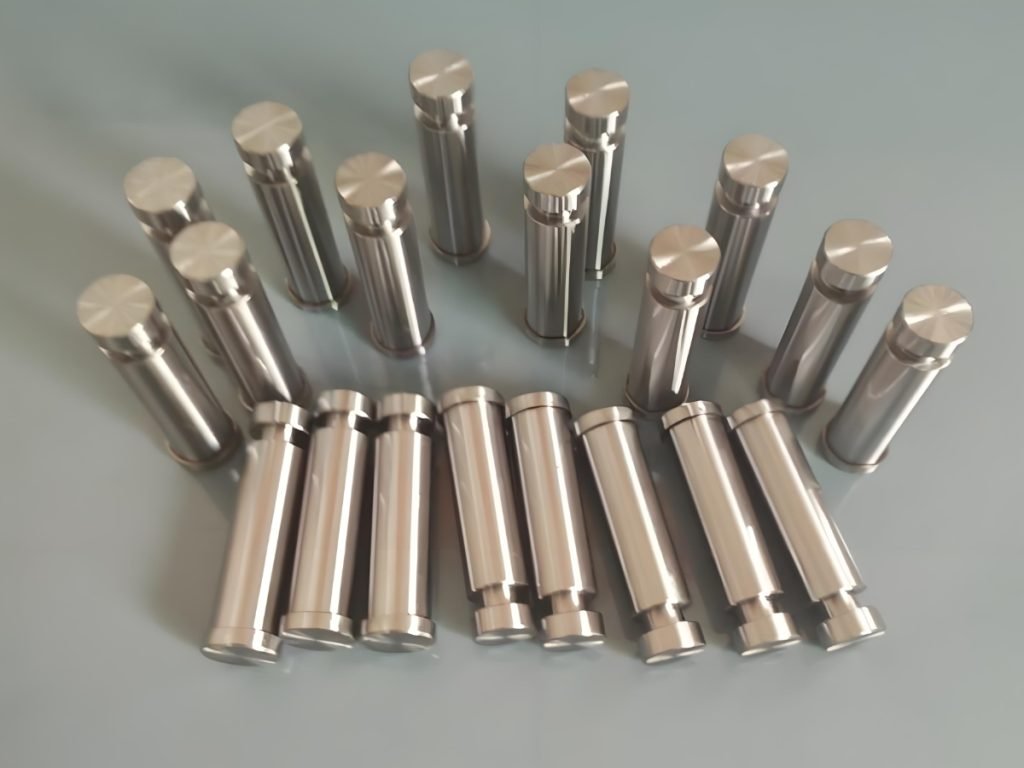
Ejector pins push the molded parts out of the system once you are done with the design and the molded part has been cooled down properly. Typically, these pins require some additional elements, including ejector plates and blocks, that increase the overall efficiency of the injection molding ejection system. Let’s look at the different types of ejector pins that you’ll come across:
- Black Ejector Pins: These pins have a black surface coating that provides self-lubrication and allows the component to withstand high temperatures around 1000°C.
- Through-Hard Ejector Pins: Through-hard ejector pins undergo heat treatment to achieve uniform hardness from the tip to the base, bearing temperatures up to 200°C.
Core Pin vs Ejector Pin: Key Differences
When working with an injection mold, it’s essential to know about its different components and their functions. Here’s an overview of a core pin vs ejector pin:
Location
- Core Pin: The core pins are present in the mold cavity, particularly extending into the space where the molten plastic or metal is injected. They are static, so they don’t move inside the mold cavity. However, they are easily removable for easy cleaning and maintenance.
- Ejector Pin: In a core pin vs ejector pin, the latter is present in the B-side of the mold half. It extends into the mold cavity, pushing out the molded part once it opens. An ejector pin isn’t static and moves within the mold cavity using ejector plates, making the final component easily accessible after molding.
Function
- Core Pin: Core pins are quite versatile. They allow manufacturers to create a variety of hollow and recessed sections using different materials. They also enhance the structural integrity of the molded components and ensure efficient heat management.
- Ejector Pin: Ejector pins remove the finished product from the mold. They ensure that the final plastic or metal structure is free from defects. The best part is that ejector pins speed up the whole product manufacturing cycle, reducing overall time to market.
Movement
- Core Pin: In a core pin vs ejector pin overview, the former is a fixed component. These pins are only responsible for accurately designing minor details on plastic and metal.
- Ejector Pin: Contrarily, ejector pins move with the help of ejector plates, pushing the finished mold out of the machine.
Material
- Core Pin: Core pins are made of various materials, including H-13 tool steel, carbide, stainless steel, and beryllium copper. These materials provide the pins with high strength, heat and wear resistance, and excellent thermal conductivity.
- Ejector Pin: Conversely, in a core pin vs ejector pin, the latter comprises hardened tool steels such as H13, D2, A2, or M2. These pins are incredible for hardening and wear resistance, which contributes to enhanced durability.
Design
- Core Pin: Core pins play a key role in designing metal and plastic parts, as they are used to make holes, slots, and other intricate details.
- Ejector Pin: In a core pin vs ejector pin, the latter pushes the finished part out of the mold while minimizing damage.
Temperature Management
- Core Pin: Core pins have internal cooling channels that allow efficient heat transfer during molding.
- Ejector Pin: The Ejector pin doesn’t have cooling parts and relies on the mold cavity cooling for release.
As far as the maintenance is concerned, you should stick to the basics. This involves cleaning the pins regularly, looking out for signs of wear, and lubricating all moving parts for a smooth performance overall.
FAQs
How to find ejector pin marks?
To find ejector pin marks, you should look out for glossy or white imprints. Check for any indentation, depression, or varying levels of glossiness on the molded part. You’ll typically see these signs on the part’s surface where the ejector pins are contacted during ejection.
What are the applications of core pins?
The applications of core pins include molding complex engines in automotive, medical equipment (syringes), and lightweight aircraft elements.
What are the best practices for using core pins?
The best practices for using core pins include ensuring proper alignment, as misalignment can result in defects and quick wear. It’s also important to clean the pins regularly to avoid buildup and maintain proper cooling for heat dissipation.
Conclusion
The comparison of core pin vs ejector pin shows that both components are important for smooth injection molding. However, if you are looking for high-quality mold parts manufacturing services, then Fecision has you covered.
Our goal is to provide you with high-quality products that are free of defects and will serve you for years. Whether you work in the aerospace, medical, or automotive industries, you can rely on our services to get the best solutions for your needs!