
Passivation
- Superior Corrosion Resistance
- Contaminant Removal
- Preserves Aesthetics
- Medical & Aerospace Approved
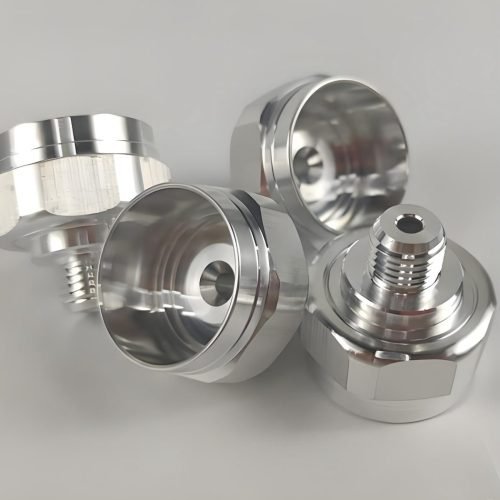
What's Passivation
| Parameter | Description |
| Applicable Materials | Primarily stainless steels (all grades). Also applicable to titanium, cobalt-chrome, and some other alloys. |
| Color | No change to the base material color. The passive layer is transparent. |
| Surface Roughness (Ra) | Does not significantly alter the base material’s surface roughness. The process is non-etching and non-abrasive. |
| Visual Appearance | Maintains the original metallic luster and finish of the part. No visible coating or color change. |
Types of Passivation Surface Finishes
★The traditional and most widely used passivation process.
Process: Parts are immersed in a nitric acid bath (typically 20–50% concentration) at controlled temperatures.
★A safer, environmentally friendly alternative to nitric acid passivation.
Process: Uses citric acid solutions to chelate iron contaminants rather than dissolve them aggressively.
★Overview: Combines chemical and electrical treatment to accelerate oxide layer formation.
Process: The metal part acts as an anode in an electrolyte solution; an electric current promotes oxidation.
Advantages of Passivation
Superior Corrosion Resistance
Maximize the inherent corrosion resistance of stainless steel by removing surface contaminants and promoting the formation of a robust, passive oxide layer.
No Dimensional Change
The process removes microscopic amounts of free iron from the surface without altering the dimensions or weight of the part, making it ideal for precision components.
Preserves Aesthetic Appearance
Passivation does not change the color, luster, or visual appearance of the metal.
Removes Contaminants
The process effectively cleans the surface of any free iron, dirt, or other foreign materials introduced during machining or handling.
Improved Cleanliness
A passivated surface is cleaner and less reactive, which is critical for medical, pharmaceutical, and food-grade applications.
Speak With Our Engineering Team
Discuss your specific application challenges with our specialists.
Limitations to Notice
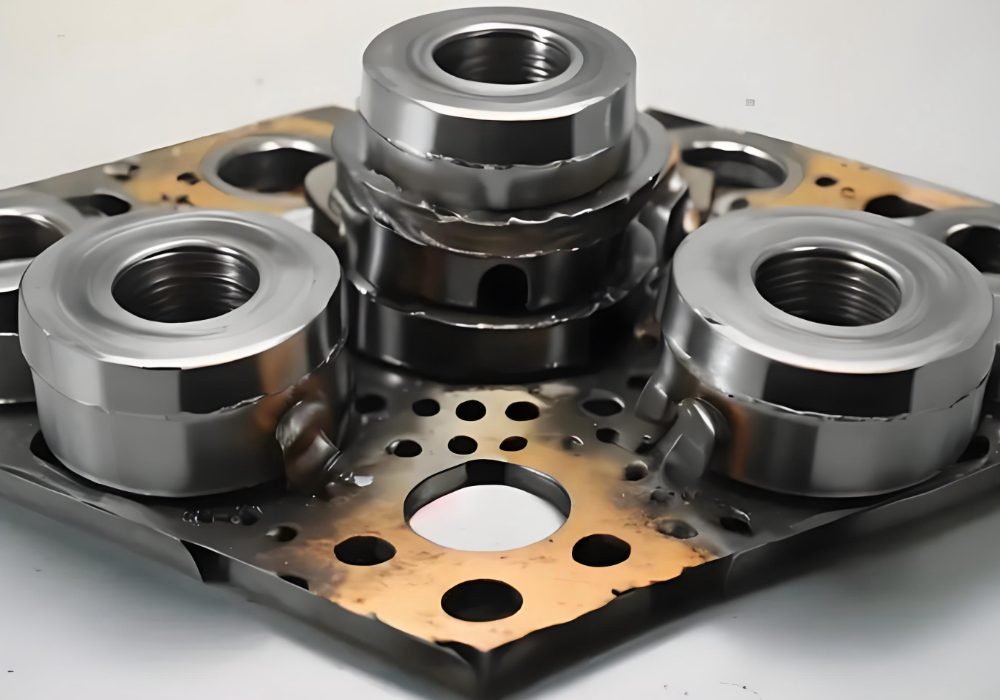
- Does Not Remove Discoloration: Passivation will not remove heat tint or discoloration from welding or heat treating. These must be removed mechanically or chemically prior to passivation.
- Limited to Specific Materials: Primarily effective on stainless steels and certain other corrosion-resistant alloys. It is not a rust-proofing treatment for carbon or low-alloy steels.
Design Considerations
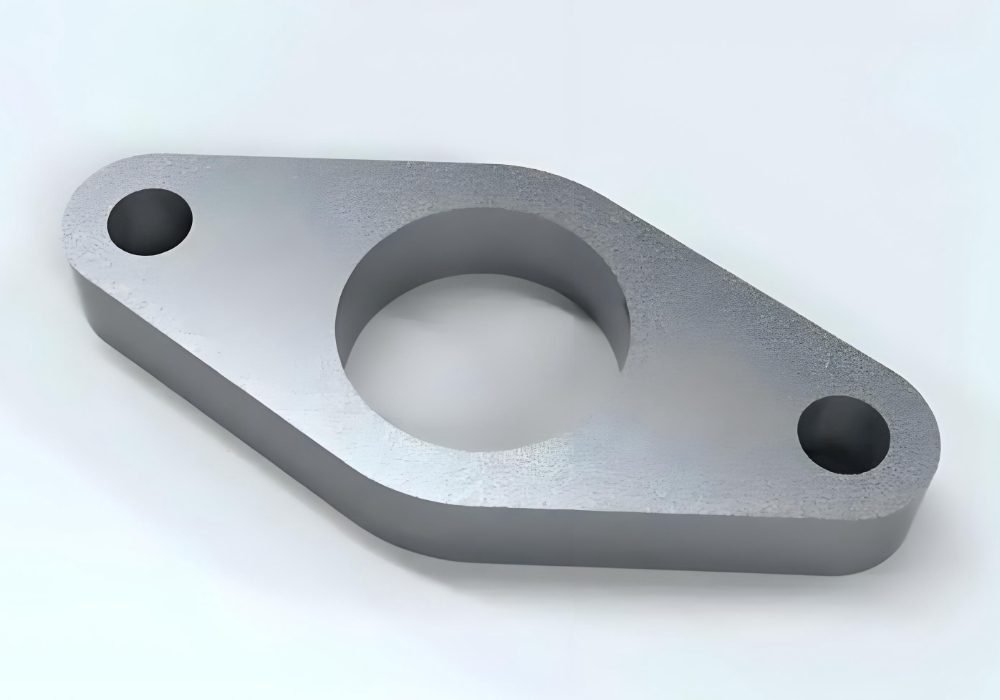
Material Selection
Welding and Heat Treating
Crevices and Blind Holes
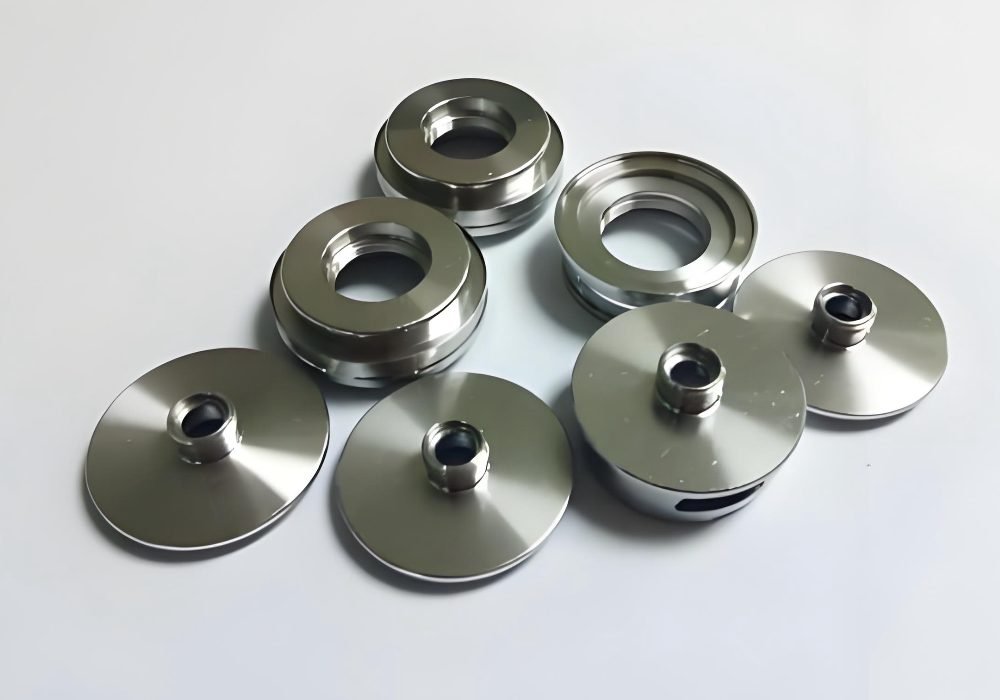
Specify the Standard
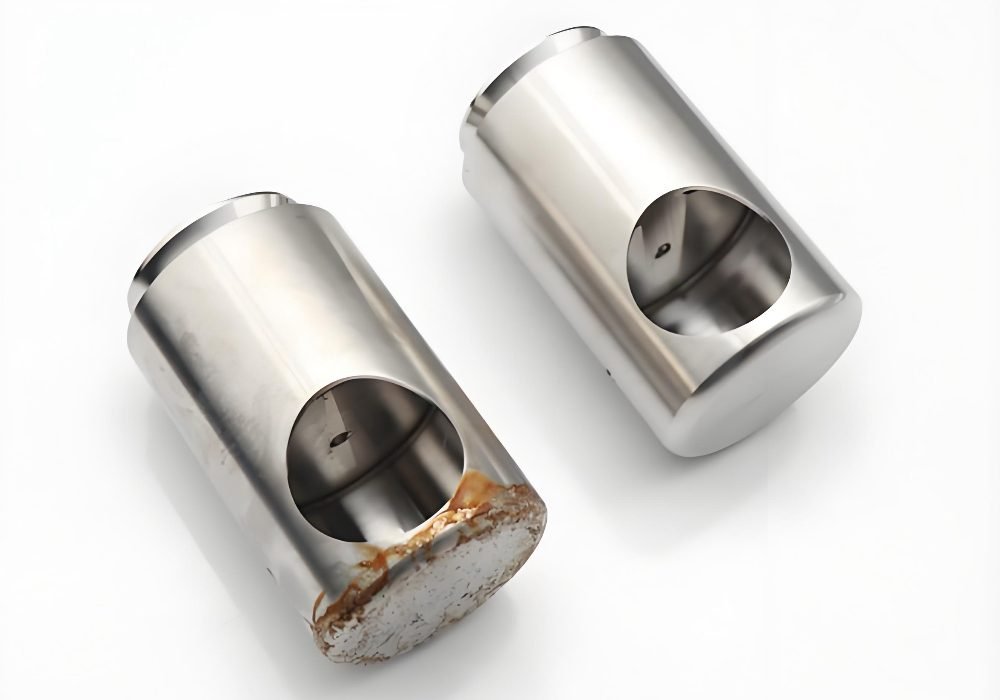
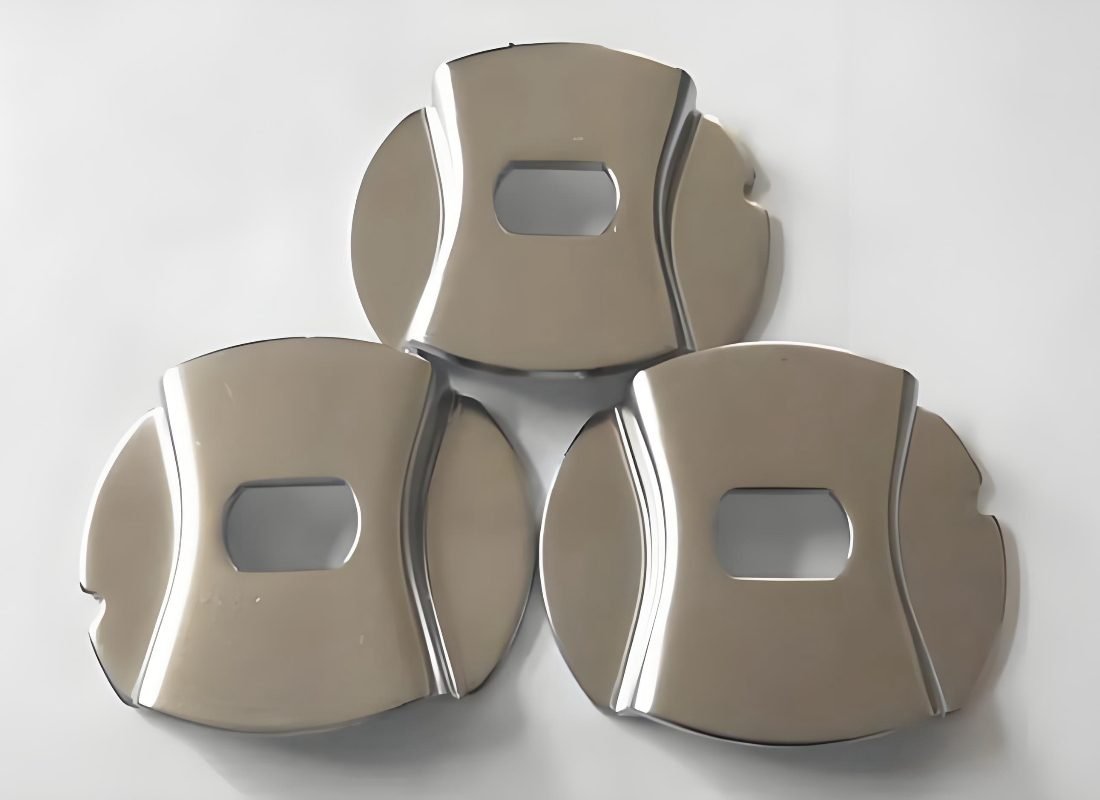
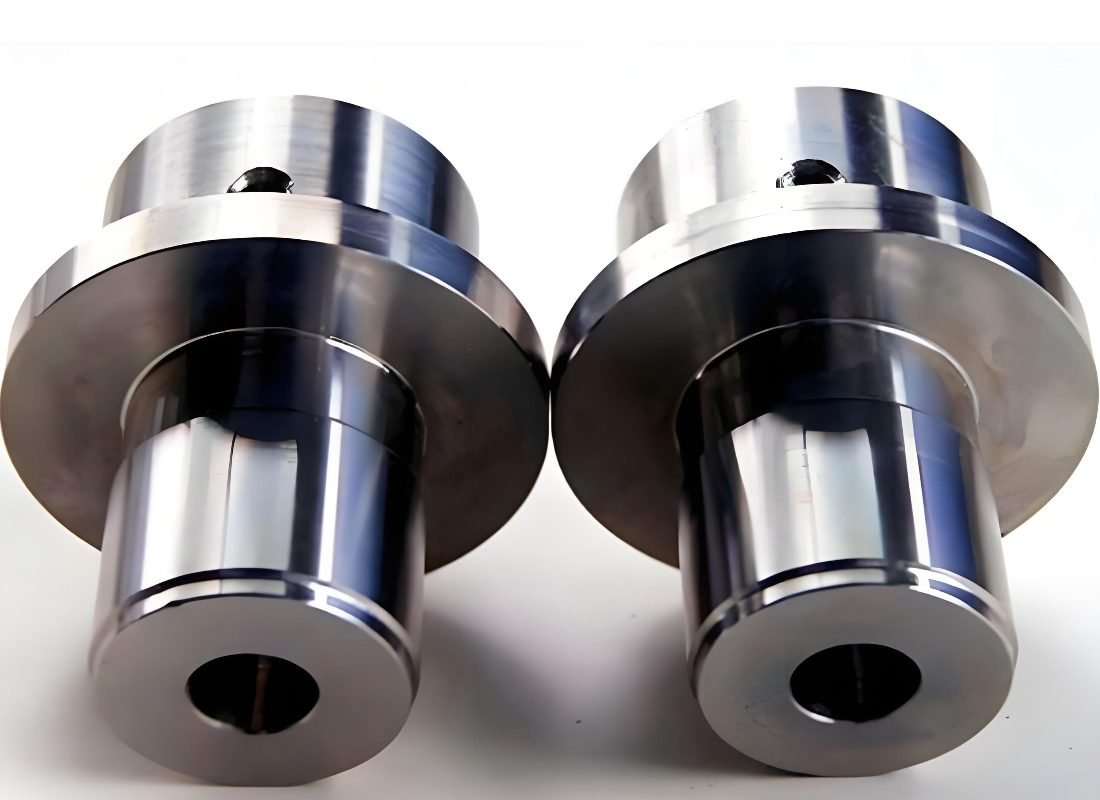
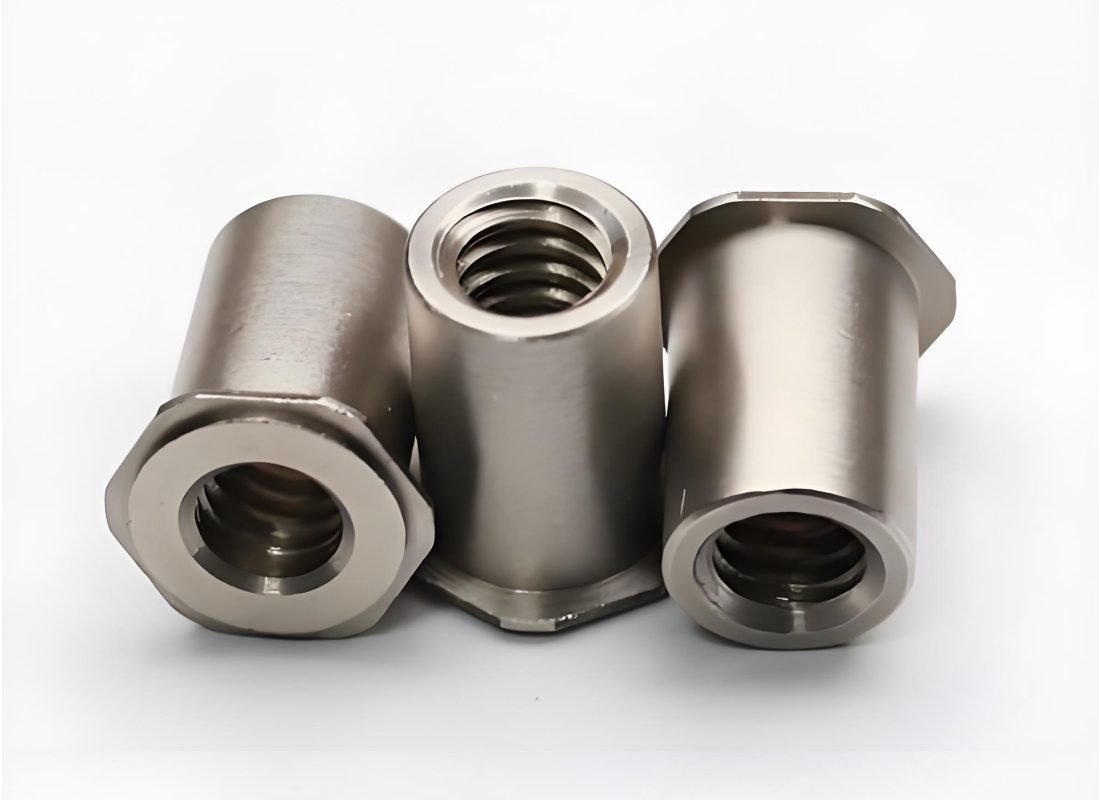
Passivation Processed Parts
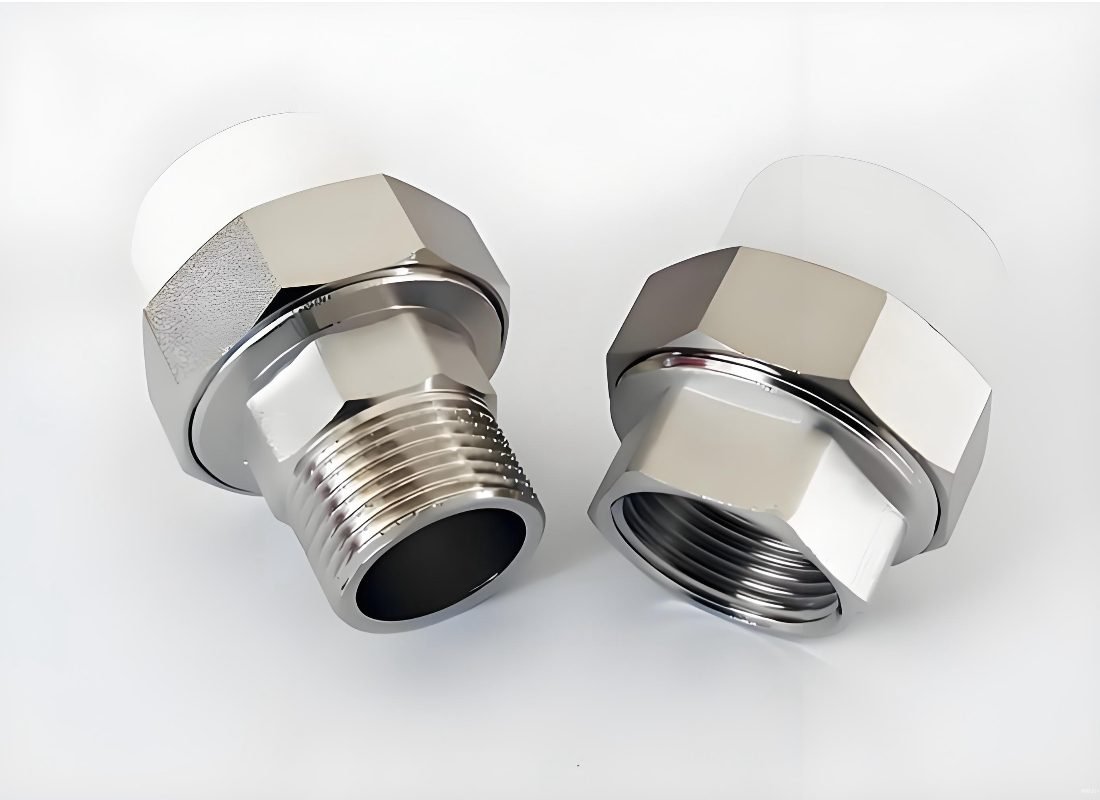
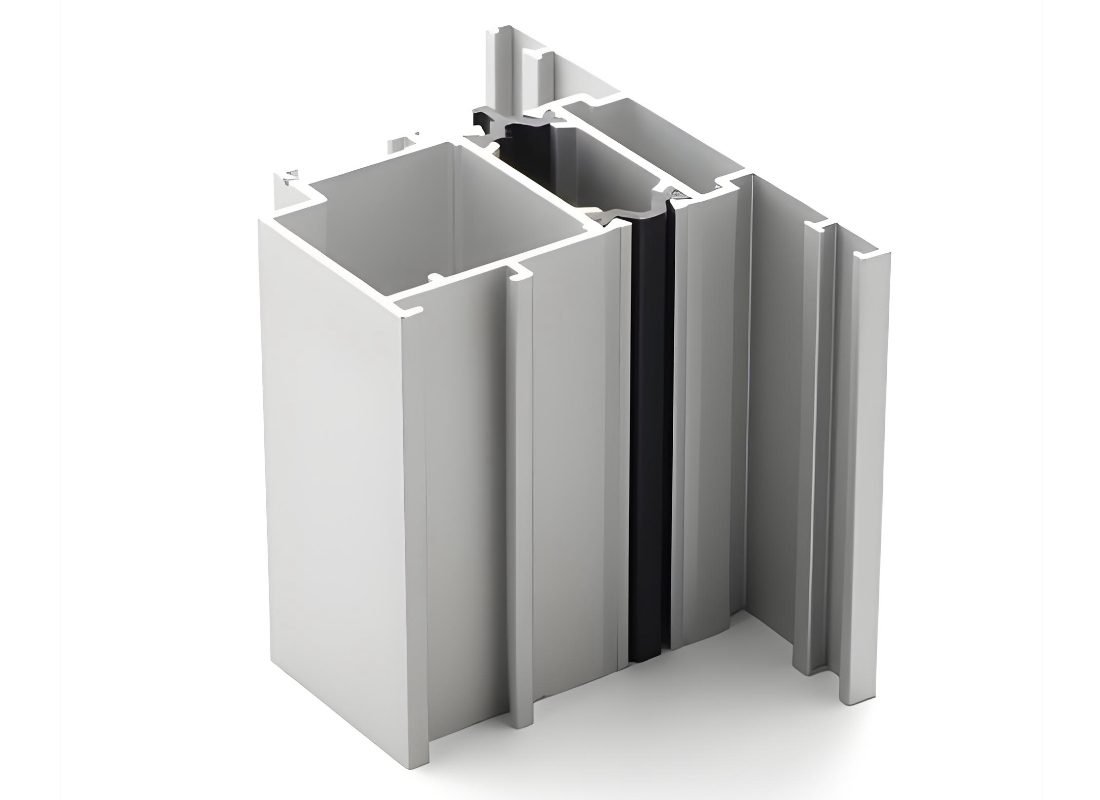
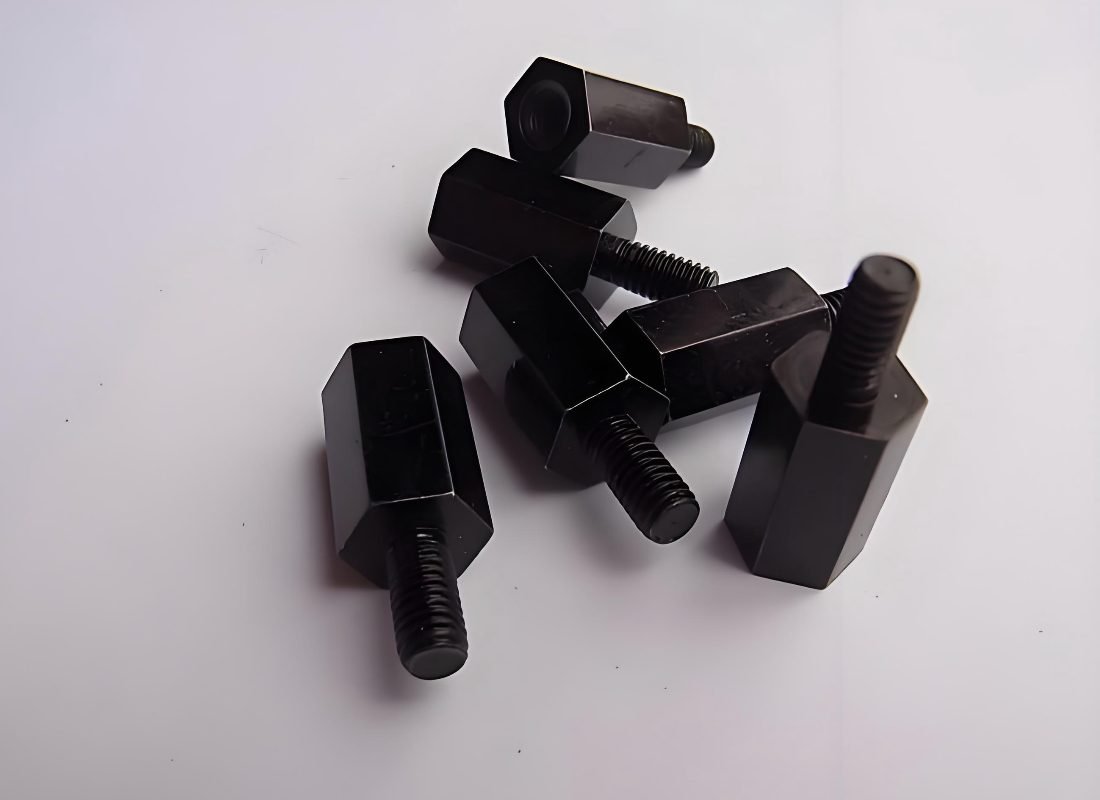
FAQs
Need to discuss surface finishes for your project?
Our expert engineers can analyze your application requirements and recommend the optimal solution.
Ready to Start Your Project?
Contact our team today to discuss your requirements and receive a customized quote for your needs.