
Painting
Powder Coating: Durable & Aesthetic Finishes for Metal Parts
- Unlimited Color Options
- Protective & Decorative
- Suitable for Metals & Plastics
- Fast Turnaround
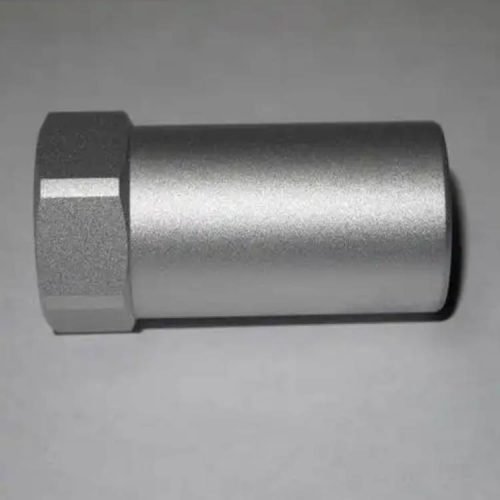
What Is Painting?
Painting is a versatile and widely used surface finishing process that involves applying a liquid coating to a substrate to provide a decorative and/or protective layer. The process typically includes surface preparation, primer application, one or more color coats, and a clear topcoat for enhanced durability. Painting offers an extensive color palette, can be applied to a wide range of materials including metals and plastics, and can be tailored to meet specific aesthetic, corrosion resistance, and performance requirements.
| Parameter | Description |
| Color | Unlimited color options, including custom color matching (RAL, Pantone). |
| Applicable Materials | Metals (steel, aluminum, etc.), plastics (ABS, PC, etc.), and other substrates. |
| Surface Roughness (Ra) | Highly variable, dependent on surface preparation and paint application. Can range from very smooth to textured. |
| Visual Appearance | Matte, satin, semi-gloss, high-gloss, metallic, pearlescent, and textured finishes. |
| Remarks | Versatile and cost-effective. Can be tailored for specific performance requirements (e.g., UV resistance, chemical resistance, flexibility). Requires proper surface preparation for optimal adhesion. |
Subtypes of Painting Process
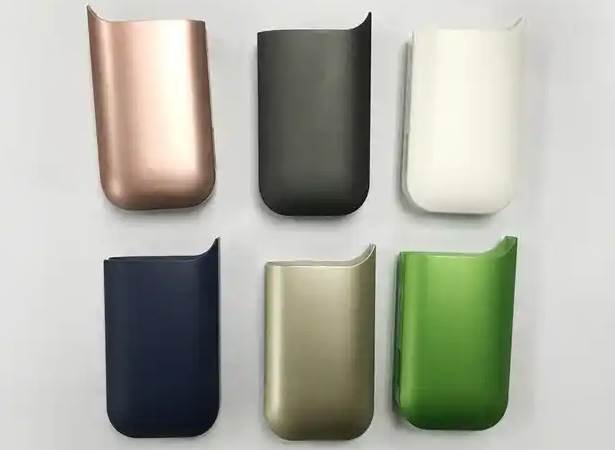
Features: Uniform, versatile, cost-effective
Materials: Metal, plastic, wood
Applications: Consumer products, machinery, automotive parts
Features: High transfer efficiency, reduced overspray, smooth finish
Materials: Metal (conductive surfaces)
Applications: Appliances, automotive components, metal frames
Features: Wide color range, suitable for heat-sensitive materials, flexible film
Materials: Metal, plastic, composites
Applications: Electronics housings, large assemblies, aesthetic parts
Features: Full coverage, strong corrosion resistance, thin uniform film
Materials: Metal
Applications: Automotive chassis, metal brackets, hardware
Features: Durable, corrosion-resistant, eco-friendly (no solvents)
Materials: Metal primarily
Applications: Outdoor products, industrial equipment, automotive
Different Levels of Sheen
Sheen Level
Features
Flat/Matte
The lowest level of gloss; non-reflective. Used to hide surface imperfections; generally less durable and more susceptible to staining.
Eggshell
Low sheen with a soft, velvety appearance. Slightly more durable and easier to clean than a flat finish.
Satin
Medium sheen; more durable and easier to clean than eggshell. A popular choice for a wide range of applications.
Semi-Gloss
Shinier finish; highly durable and moisture-resistant. Used in applications where frequent cleaning is required.
High-Gloss
The most reflective and durable sheen. The easiest to clean but can highlight surface imperfections.
Suitable Substrates
Materials Used for Painting
Painting is a highly versatile finishing process applicable to a wide array of materials. The key to a successful and durable painted finish lies in the proper selection of paint systems and surface preparation methods tailored to the specific substrate. Here are some of the most common materials that can be painted:
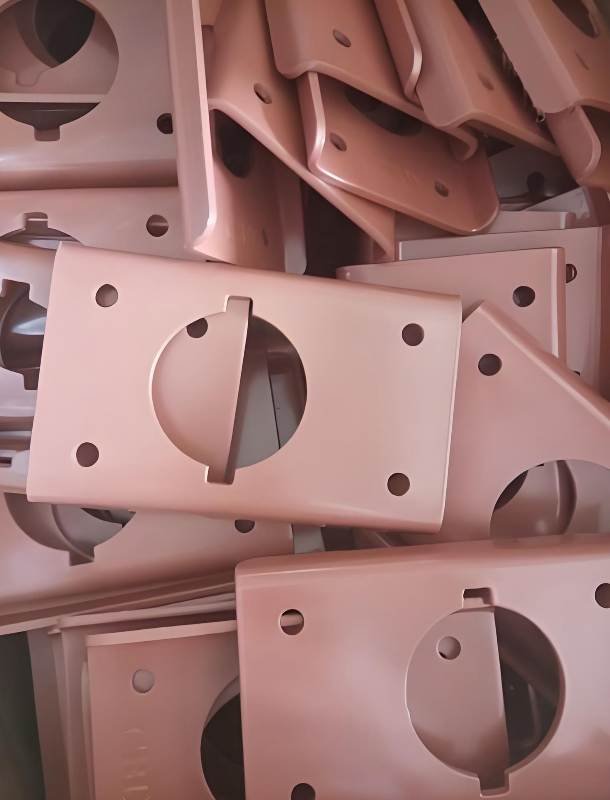
Metal
- Steel: Carbon steel, stainless steel, and various alloy steels can all be painted. Proper surface preparation, such as abrasive blasting and priming, is crucial to ensure adhesion and prevent corrosion.
- Aluminum: A popular choice for painting due to its lightweight and corrosion-resistant properties. Pre-treatment, such as chromate conversion coating or anodizing, can further enhance paint adhesion.
- Galvanized Steel: Requires specific primers and surface preparation to ensure proper adhesion to the zinc coating.
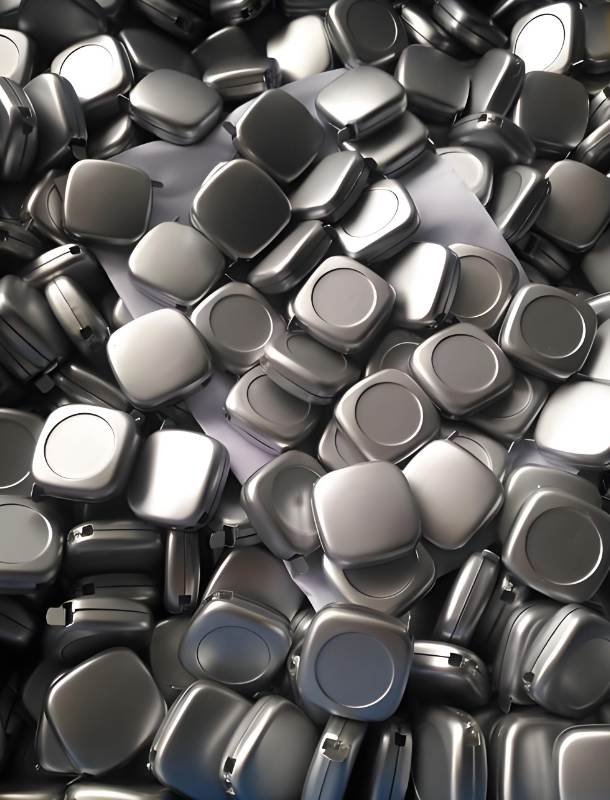
Plastics
- ABS (Acrylonitrile Butadiene Styrene): A common thermoplastic that is readily painted. It often requires a specific primer to ensure good adhesion.
- Polycarbonate (PC): Another widely used thermoplastic that can be painted to enhance its appearance and UV resistance.
- Nylon: Can be painted, but often requires special surface treatments and primers to achieve a durable finish.
Composites
Materials like fiberglass and carbon fiber can be painted to provide a smooth, decorative finish and protect the underlying composite from UV degradation.
Advantages of Painting
Versatility
Can be applied to a wide range of materials, including metals, plastics, and composites.
Aesthetic Flexibility
Offers an almost unlimited palette of colors, gloss levels, and textures.
Cost-Effective
Generally a lower initial investment compared to powder coating, and can be more economical for smaller production runs.
No Curing at High Temperatures
Air-drying or low-temperature curing options make it suitable for heat-sensitive materials.
Easy to Touch-Up
Repairs and touch-ups are relatively simple to perform on-site.
Things to Notice
- Lower Durability: Generally less resistant to chipping, scratching, and abrasion.
- Longer Curing Times: Air-drying paints can take a significant amount of time to fully cure, which can slow down production.
- Less Uniform Thickness: Achieving a perfectly uniform coating thickness can be challenging, especially on complex shapes.
Design Considerations
Material Compatibility
Ensure the chosen paint system is compatible with the substrate material.
Surface Preparation
Proper surface preparation is critical for paint adhesion. Design parts to allow for thorough cleaning and, if necessary, abrasion.
Masking
Identify areas that need to be masked to prevent them from being painted.
Hanging/Racking Points
Plan for how the part will be held during painting and drying.
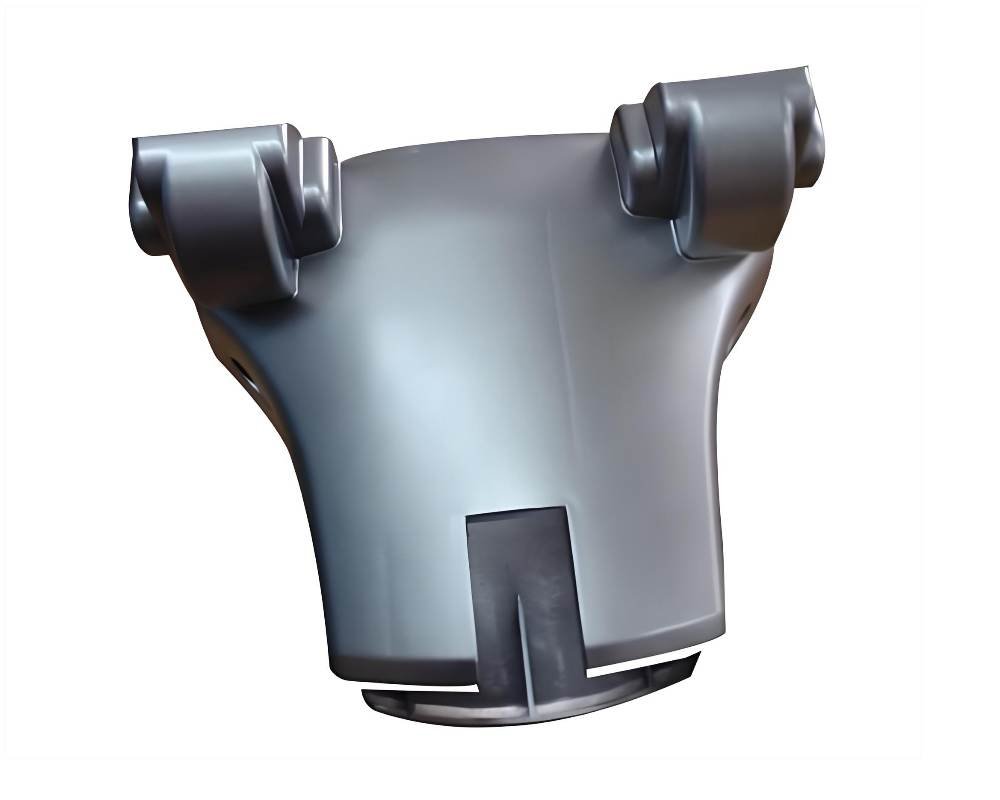
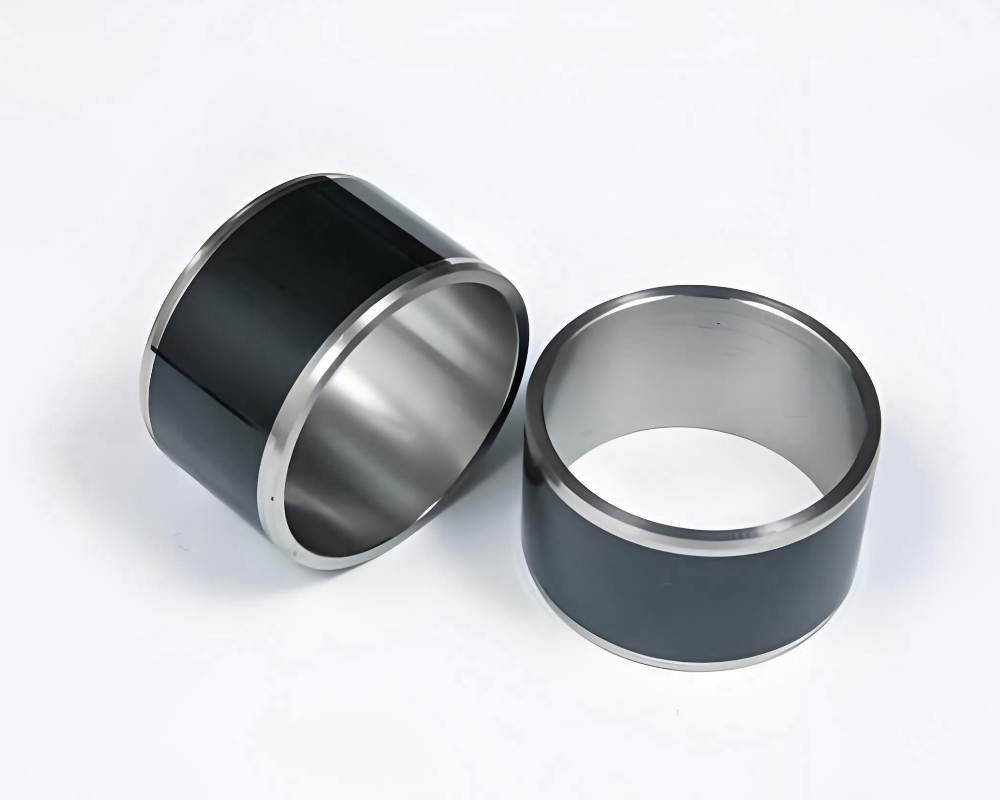
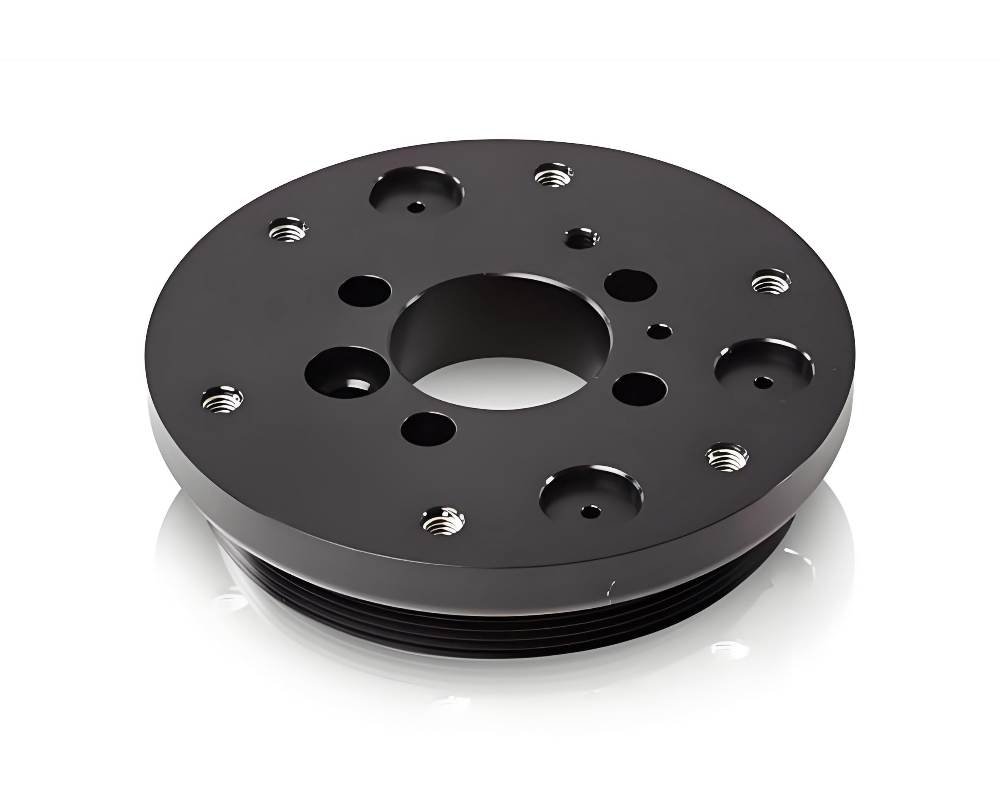
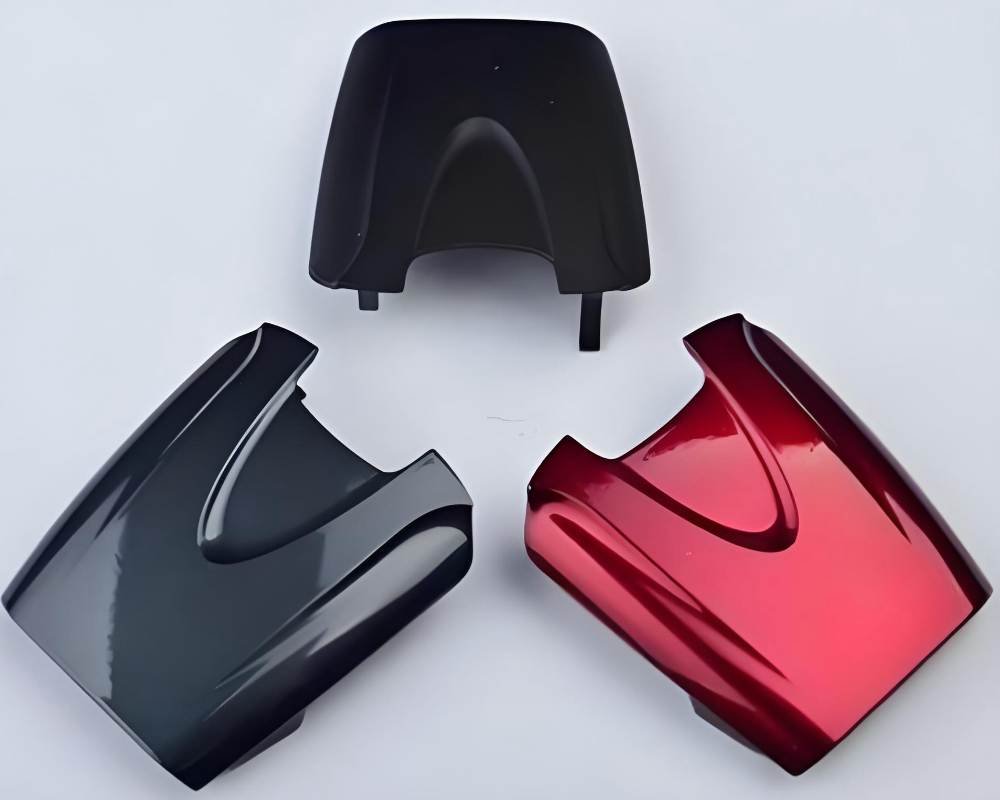
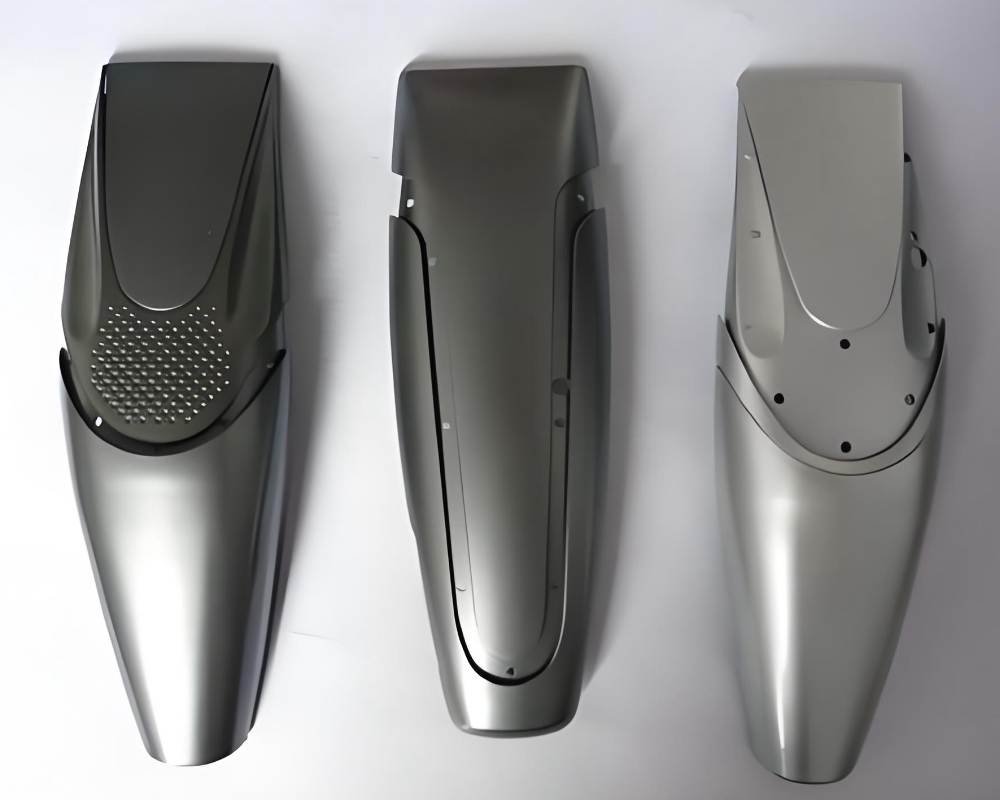
Painted Parts
FAQs
While traditional solvent-based paints can have environmental impacts, FECISION is committed to using low-VOC and water-based paint systems whenever possible to minimize our environmental footprint.
Need to discuss surface finishes for your project?
Our expert engineers can analyze your application requirements and recommend the optimal solution.
Ready to Start Your Project?
Contact our team today to discuss your requirements and receive a customized quote for your needs.