
Laser Engraving
Laser Engraving: Permanent, High-Precision Marking for Traceability and Aesthetics
- Permanent Traceability
- Non-Contact Process
- High-Resolution Detail
- Wide Material Compatibility
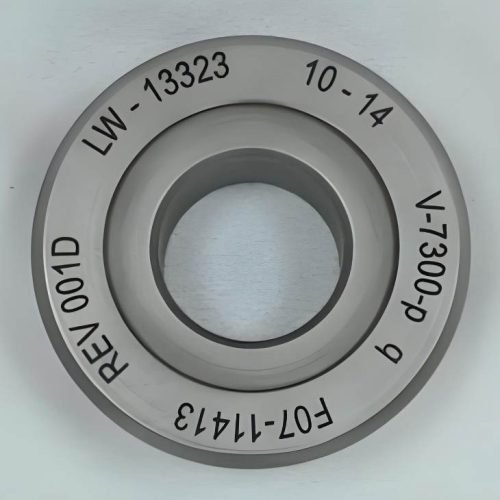
Overview of Laser Engraving
Laser engraving is a non-contact, high-precision marking process that uses a focused laser beam to vaporize or melt the surface material, creating a permanent, recessed mark. This process is highly valued for its ability to produce intricate, high-resolution graphics, text, and 2D codes (like QR codes and Data Matrix codes) without the need for inks or tools. It is an essential technique for part traceability, branding, and adding functional or aesthetic detail to a vast range of materials, including metals, plastics, and ceramics.
| Parameter | Description |
| Engraving Depth | Highly controllable, typically ranging from 10 μm (micrometers) for shallow etching to over 500 μm (0.5 mm) for deep engraving. |
| Resolution (DPI) | High resolution, typically up to 1200 DPI, allowing for extremely fine detail, small fonts, and high-quality 2D codes. |
| Laser Type | Fiber Laser: Ideal for metals and some plastics. CO2 Laser: Best for organic materials (wood, leather) and some plastics. UV Laser: Used for heat-sensitive materials and fine marking on plastics and glass. |
| Visual Appearance | Varies by material and process: high-contrast black/white marks, frosted appearance, or color marking. |
| Remarks | Non-contact, tool-free process. Creates permanent, abrasion-resistant marks. Minimal heat-affected zone (HAZ) with proper settings. |
Applicable Materials for Laser Engraving
Aluminum (anodized & bare) – Creates sharp, high-contrast marks
Stainless steel – Durable, corrosion-resistant engravings
Brass & copper – Clean, detailed results
Titanium – Excellent for medical and aerospace identification
Carbon steel – Deep, permanent marking
ABS – Good contrast but requires controlled settings
Acrylic (PMMA) – Produces crisp, frosted finishes
Polycarbonate – High precision marking
Delrin (POM) – Clean, dark engravings
HDPE / LDPE / PP – Possible with proper power parameters
Composites
Carbon fiber (non-resin-rich) – Precise marking
G10/FR4 – Suitable for industrial applications
Ceramics & Glass
Coated ceramics – High-contrast results
Glass (treated/frosted) – Produces elegant, etched effects
Advantages of Laser Engraving
Permanent and Durable Mark
Laser engraving creates a mark that is highly resistant to abrasion, heat, chemicals, and fading, ensuring long-term traceability and branding.
High Precision and Detail
The focused laser beam allows for extremely fine detail, high-resolution graphics, and very small text or 2D codes (e.g., Data Matrix, QR codes).
Non-Contact Process
Since no physical tool touches the part, there is no mechanical stress, tool wear, or risk of part deformation.
Speed and Efficiency
Laser engraving is a fast process, making it highly efficient for high-volume production and complex marking patterns.
Versatile Material Compatibility
Can be used on a wide range of materials, including metals, plastics, ceramics, and composites, with the appropriate laser type.
Clean Process
Eliminates the need for inks, chemicals, or other consumables, resulting in a cleaner, more environmentally friendly process.
Limitations to Notice
Although powder coating has many advantages, it also has certain limitations. Special attention should be paid to the following points:
- Material Limitations: Not all materials are suitable for laser engraving, and some plastics can release toxic fumes when processed, requiring specialized ventilation.
- Depth Limitation: While deep engraving is possible, it is a slow process. For very deep material removal, traditional CNC machining may be more efficient.
- Color Limitation: The resulting mark color is dependent on the material’s reaction to the laser (e.g., oxidation, foaming) and is not freely selectable like paint or ink. Color marking is possible on some materials like stainless steel through annealing.
Design Considerations
Material Type and Finish
The material type (metal, plastic) and its surface finish (polished, anodized, painted) will dictate the type of laser required (Fiber, CO2, UV) and the resulting mark contrast and appearance.
Marking Area
Ensure the marking area is flat and accessible to the laser head. While some systems can handle slight curves, complex 3D surfaces may require specialized 3D laser systems.
Tolerance for Depth
Clearly specify the required engraving depth. Shallow etching is fast, while deep engraving requires multiple passes and significantly more time.
Font and Code Size
Due to the high precision of the laser, very small fonts and 2D codes are possible, but ensure the size is readable by the intended scanner or human eye.
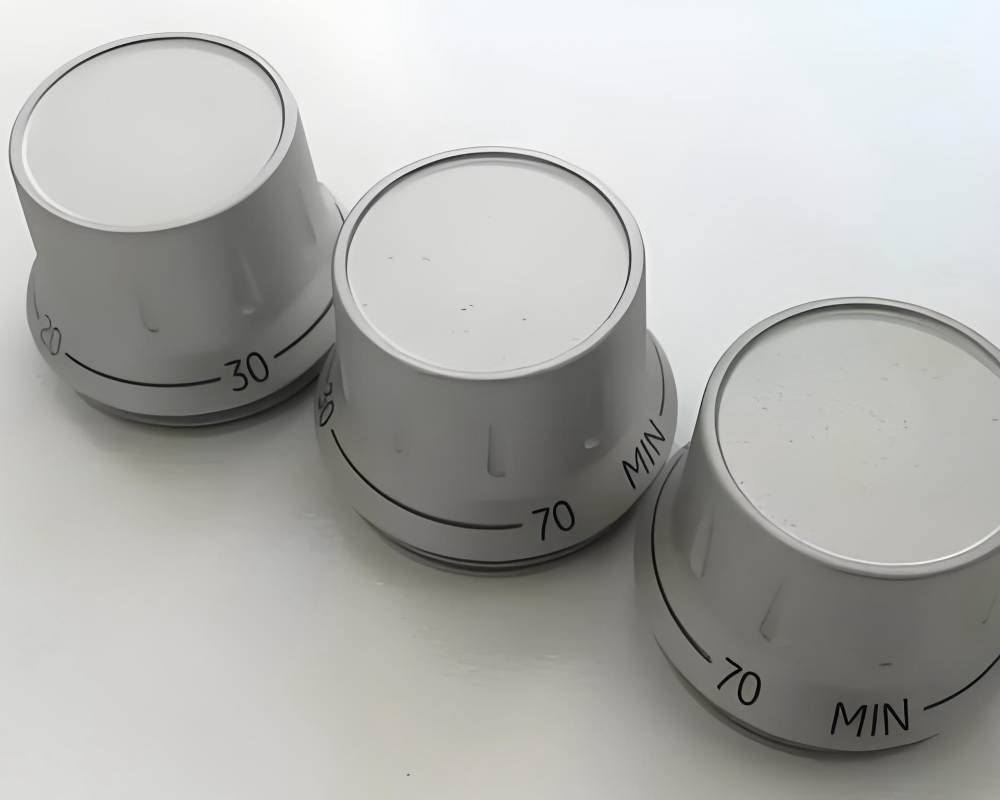
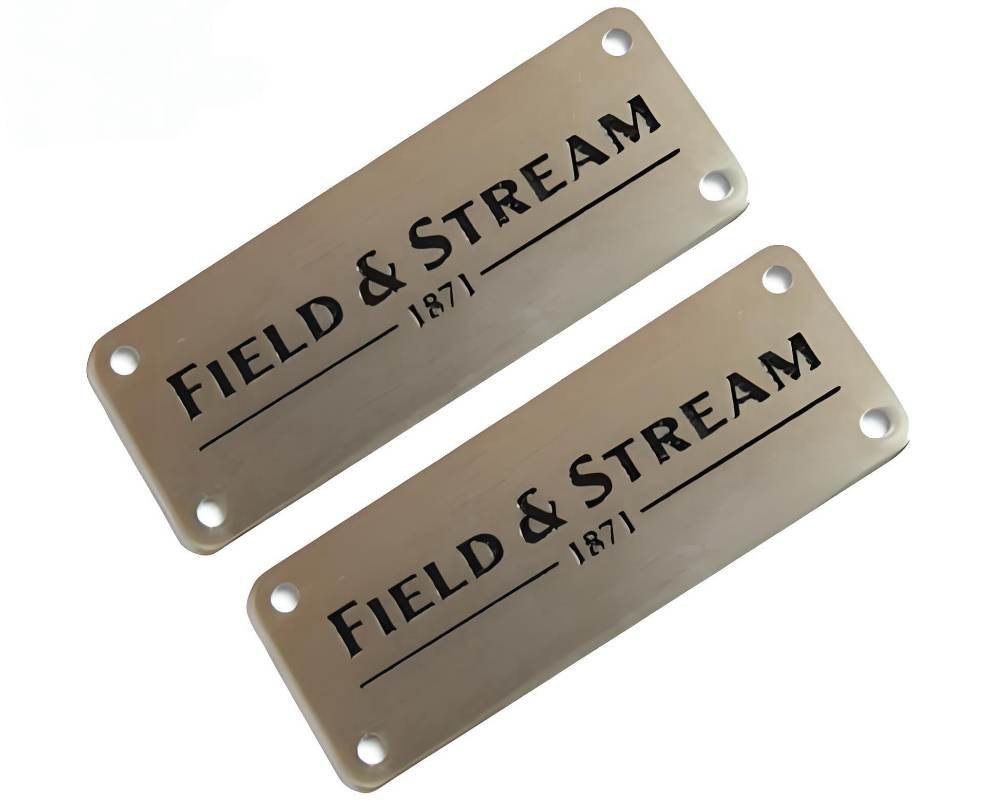
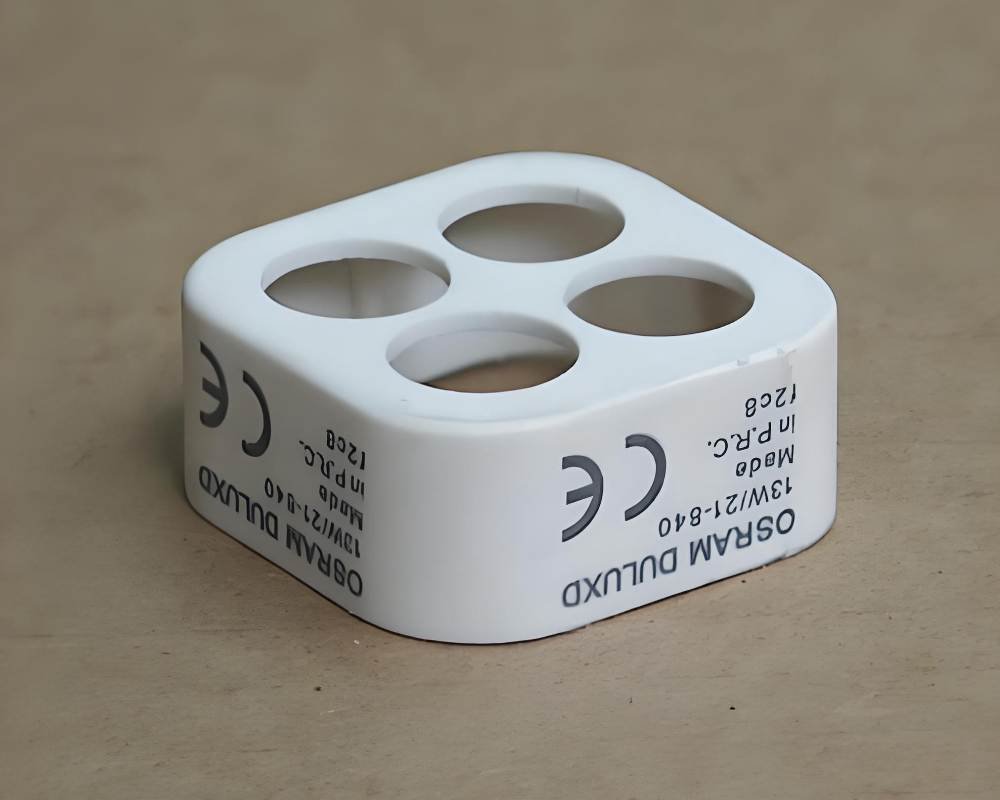
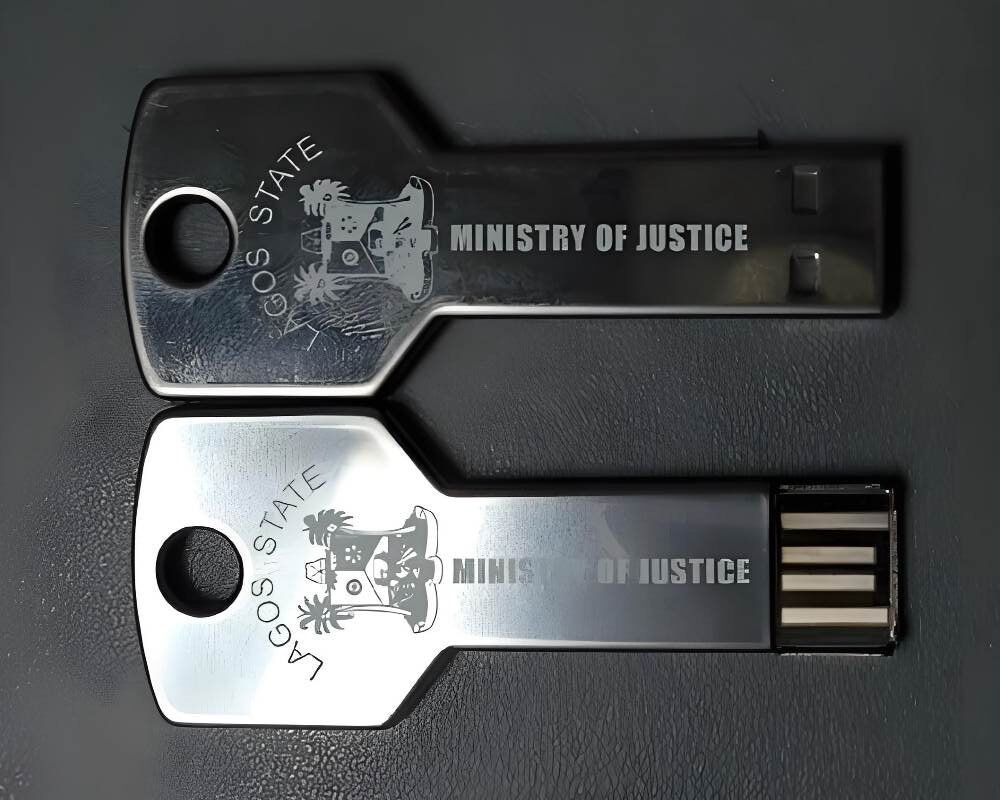
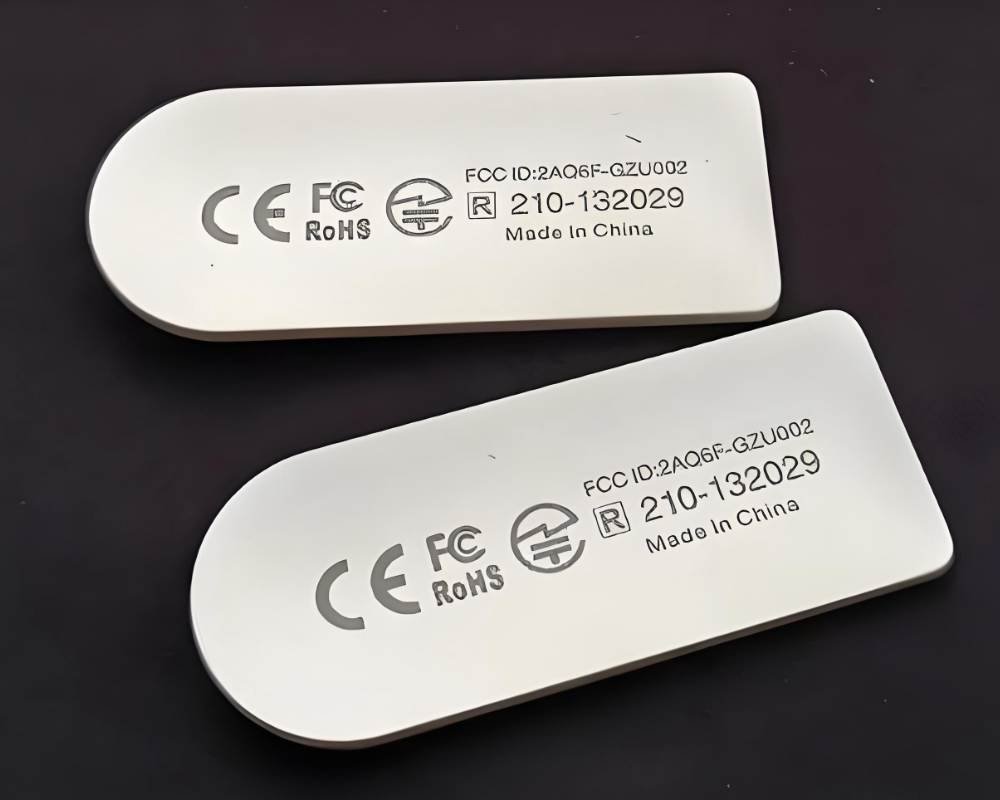
Laser Engraved Parts
FAQs
Laser engraving is highly versatile, suitable for most metals (stainless steel, aluminum, titanium) and many plastics. However, the specific laser type (Fiber, CO2, UV) must be matched to the material for optimal results.
Need to discuss surface finishes for your project?
Our expert engineers can analyze your application requirements and recommend the optimal solution.
Ready to Start Your Project?
Contact our team today to discuss your requirements and receive a customized quote for your needs.